
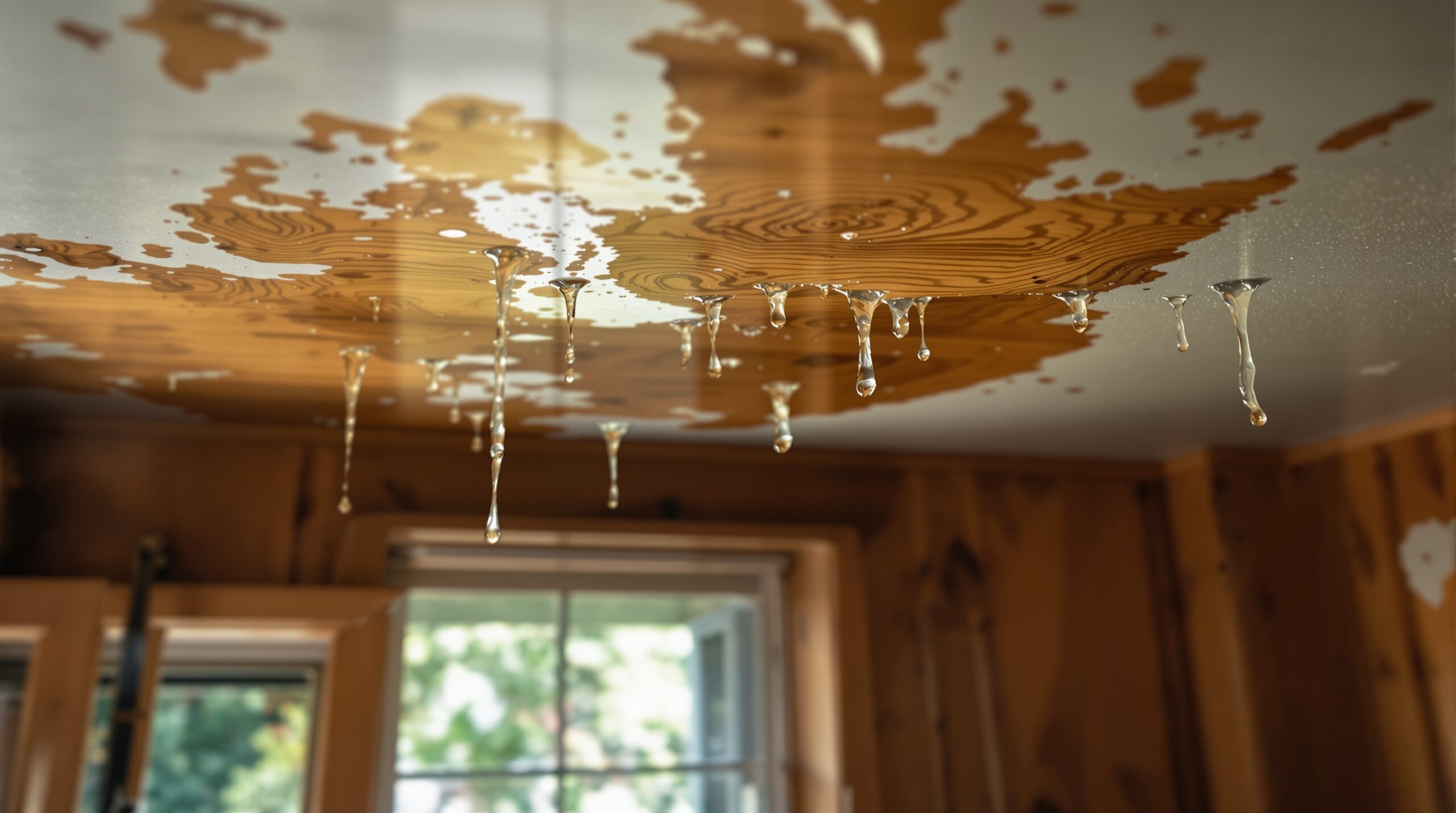
Why Timely Leak Detection Matters
Have you ever noticed a mysterious puddle forming on your bathroom floor or seen water stains creeping across your ceiling? If so, you might be dealing with a plumbing leak—an issue that can secretly wreak havoc in your Warwick, DE home. Detecting these sneaky leaks early on is crucial because they can lead to more than just a damp basement or a musty smell. As a homeowner, protecting your space is your top priority!
Understanding the Risks
Imagine your home as a cozy fortress, and every drop of water represents a tiny crack in the walls of safety. Hidden plumbing leaks can weaken your home’s structure, invite mold growth, and create a perfect environment for pests if left unattended. It’s not just about the water itself; it’s about preserving the heart of your home where memories are made.
Stay Ahead of the Problem
Taking action quickly can save you a lot of trouble down the road. The sooner you catch a leak, the easier it is to fix, and you can avoid bigger disasters. So, how can you become a leak detective in your own home? Let’s dive into some simple steps you can take to keep your Warwick haven safe and sound!
Common Signs of Hidden Leaks in Your Home
Noticing the telltale signs of hidden leaks in your home can feel like a game of detective work. Fortunately, with a little vigilance and a keen eye, you can uncover these silent intruders before they escalate into major issues. Be on the lookout for the following common signs that could indicate a leak lurking behind your walls or beneath your floors.
1. Unexplained Water Stains
Water stains on walls, ceilings, or floors should never be ignored. These discolored patches can be a clear indication of a leak. While they may start as small spots, they can grow larger over time. Pay close attention to areas around your plumbing fixtures, especially in your kitchen and bathrooms.
2. Increased Water Bills
Another red flag is a sudden spike in your water bill without an obvious explanation. If you’ve been mindful about your usage, yet your bill seems to climb higher each month, it may signal that water is escaping your plumbing system unnoticed.
3. Mold and Mildew Growth
Additionally, the presence of mold or mildew can be a strong indicator of persistent moisture due to leaks. A musty smell in certain areas of your home, especially in dark corners or damp spaces, should prompt an investigation. Keep in mind that mold not only indicates a leak but can also affect your indoor air quality.
4. Peeling Paint or Wallpaper
If you notice paint or wallpaper starting to bubble, peel, or crack, it could be due to water seeping in from behind. This moisture can compromise the integrity of your walls and ceilings—time to detective-detect!
5. Flooring Issues
Watch for warped or buckled floorboards, particularly in areas near sinks, toilets, and other water sources. A change in the level of your flooring can indicate that water is trapped beneath, weakening the structure and aesthetics of your home.
6. Sound of Running Water
Lastly, be attentive to the sound of running water when no faucets are in use. A hissing or trickling sound can suggest that a leak is actively occurring, and immediate attention is necessary. This could be especially evident at night when everything else is quiet.
| Common Signs of Hidden Leaks | Description |
|---|---|
| Water Stains | Visual discoloration on walls, ceilings, or floors caused by moisture. |
| Increased Water Bills | Sudden rise in monthly water expenses without increase in usage. |
| Mold Growth | The presence of mold or mildew indicating dampness and moisture. |
| Peeling Paint | Paint or wallpaper bubbling or cracking due to trapped water behind surfaces. |
| Flooring Issues | Warped or buckled wood floors or tiles near plumbing fixtures. |
| Sound of Running Water | Unexpected noises indicating water flow without a visible source. |
Identifying these signs early can help you tackle potential leaks before they turn into a flood of trouble. Trust your instincts, take note of any peculiarities in your home, and you’ll be one step closer to safeguarding your cherished abode!
The Role of Advanced Technology in Modern Leak Detection Methods
As we continue to unveil the hidden signs of leaks in our homes, it’s worth considering how advanced technology is revolutionizing the way we detect and address these pervasive issues. Gone are the days of relying solely on visual inspections or instinct; today’s leak detection methods leverage cutting-edge innovations that can pinpoint leaks with remarkable precision and efficiency.
1. Acoustic Leak Detection
One of the most groundbreaking techniques in modern leak detection is acoustic leak detection. This method employs highly sensitive microphones capable of detecting the sound of water escaping from pipes. Technicians can isolate and amplify the sound of a leak, even if it’s concealed behind walls or underground. By analyzing acoustic signatures, they can determine not only the presence of a leak but also its location, significantly reducing the need for invasive exploratory work.
2. Infrared Thermography
Infrared thermography is another game-changer, utilizing thermal imaging cameras to visualize temperature differences on surfaces. Leaking water often causes a temperature change in nearby structures, which these cameras can easily detect. By capturing thermal images of areas suspected of leaking, professionals can identify cold spots that indicate moisture accumulation, leading to earlier intervention and less water damage.
3. Smart Water Leak Detectors
As homes become increasingly smart, so does the technology used for leak detection. Smart water leak detectors are compact devices that can be placed in problem areas such as basements, kitchens, or behind appliances. These detectors can alert homeowners via smartphone notifications or alarm systems the minute they sense moisture, allowing for quick action before significant damage occurs. Some systems even shut off the water supply automatically, providing an extra layer of safety.
4. Moisture Meters
Moisture meters have evolved considerably, and today’s models offer advanced sensors that can detect moisture levels deep within building materials without causing any damage. These portable handheld devices can quickly assess the moisture content in drywall, wood, and other surfaces, helping professionals to ascertain the extent of water infiltration. With real-time data at their fingertips, technicians can make more informed decisions about remediation and repair strategies.
5. Drone Technology
In larger properties, drones are becoming instrumental in leak detection, particularly for hard-to-reach areas such as roofs and expansive outdoor piping. Equipped with high-resolution cameras and sensors, drones can inspect infrastructure from an aerial vantage point, capturing video and images that reveal leaks and damage often missed by the human eye. This allows for safer and more thorough inspections, leading to proactive maintenance.
Embracing these advanced technologies not only enhances the effectiveness of leak detection but also empowers homeowners to take control of their home maintenance. By integrating new tools with traditional vigilance, you can stay one step ahead of hidden leaks, ensuring the integrity of your home remains intact for years to come. The magic of modern technology transforms the frustrating task of leak detection into a streamlined, precise science—allowing you to protect your home with complete confidence.
Proactive Water Damage Prevention Tips for Homes in Warwick, DE
Now that we understand the power of advanced leak detection technology, it’s crucial to take a proactive approach to prevent water damage before it even starts. For homeowners in Warwick, DE, where weather patterns can vary significantly throughout the year, taking preventive measures is not just wise; it’s essential. Here are some tailored tips to help you safeguard your home from potential water issues:
1. Regular Maintenance Checks
One of the best ways to prevent water damage is through regular maintenance checks. Homeowners should schedule biannual inspections of their plumbing systems. Pay close attention to faucets, pipes, hoses, and the overall condition of fixtures. Look for signs of corrosion or weak spots that might indicate aging components. Don’t forget to inspect your roof and gutters as well—clogged gutters can lead to overflow and eventual leakage into your home.
2. Ensure Proper Grading Around Your Home
The grading of your property plays a significant role in water drainage. Check that the landscaping slopes away from the foundation, allowing rainwater to flow away from your home rather than towards it. If you notice standing water around your foundation after heavy rains, consider installing drainage solutions or retaining walls to redirect water.
3. Install a Sump Pump
If your home is prone to flooding or is located in a low-lying area, installing a sump pump can be a game-changer. This device helps to remove excess water that accumulates in basements or crawl spaces, minimizing the risk of mold growth and structural damage. Make sure to regularly test the sump pump to ensure it’s in good working condition.
4. Maintain Your HVAC System
Your HVAC system is integral to both your comfort and your home’s integrity. Ensure that your air conditioning unit’s condensation drain is clear and functioning properly, as a clogged drain can lead to overflow and potential water issues. Furthermore, consider scheduling annual HVAC inspections to keep everything running smoothly.
5. Monitor Indoor Humidity Levels
In a humid climate like Warwick, monitoring indoor humidity becomes vital. Use a hygrometer to keep track of moisture levels in your home; ideally, they should remain between 30-50%. If humidity levels are high, consider using dehumidifiers in damp areas like basements to prevent mold growth and water damage.
6. Insulate Pipes
Warwick can experience chilly winters, which can pose risks of frozen pipes. Insulating your pipes, particularly those in unheated areas like basements and attics, can prevent them from freezing and bursting under pressure. This simple measure can save you from costly repairs down the line.
7. Be Mindful of Appliance Placement
Consider the placement of your appliances, especially washing machines, refrigerators with ice makers, and dishwashers. Ensure they are anchored securely and fitted with leak detection systems if possible. Regularly check hoses and connections for signs of wear and replace them as necessary to avert leaks.
8. Educate Your Family
Lastly, make sure that everyone in your household knows the basics of water damage prevention. Teach family members how to turn off the main water supply, recognize signs of leaks, and understand when to call for help. An informed household is a prepared household, and early detection often leads to easier resolutions.
By incorporating these proactive steps into your home maintenance routine, you can reduce the risk of water damage significantly. While technology offers incredible perks in leak detection, the best defense against water damage begins with vigilant prevention and informed practices. In a community like Warwick, where weather extremes can occur, taking these measures can provide peace of mind and protect your investment for years to come.
9. Steps for Conducting a Self-Inspection to Catch Early Signs of Leaks
Conducting a self-inspection is an essential proactive measure that every homeowner in Warwick, DE, can adopt to detect leaks early and address potential water damage before it escalates. Here’s a detailed guide to help you through this process, ensuring that you leave no stone unturned:
Step 1: Gather Your Tools
Before diving into your inspection, gather the necessary tools. A flashlight, a damp cloth for wiping surfaces, a moisture meter (if available), and a notepad to jot down findings will be very helpful. Having an organized plan makes the process efficient.
Step 2: Inspect the Kitchen
- Check Sink and Faucet: Run water for a few minutes and pay close attention to the faucet base and under the sink for any drips or puddles.
- Inspect Appliances: Look behind and beneath dishwashers, refrigerators, and any other plumbing-connected appliances for signs of moisture or damaged hoses.
Step 3: Examine the Bathroom
- Examine Toilets: Look for any leaks at the base or condensation on the exterior. Test flush to see if water pools around the base.
- Inspect Showers and Tubs: Ensure caulking and grout are intact. A simple trick is to wipe down surfaces after use and check the area for persistent moisture.
Step 4: Check the Basement and Crawl Space
- Look for Water Accumulation: Inspect for standing water and damp spots on walls, floors, or beams. The smell of mustiness can often signal hidden leaks.
- Assess the Sump Pump: If equipped, check that it’s functioning properly by pouring a small amount of water into the basin and ensuring it starts up without issues.
Step 5: Inspect the Ceiling and Walls
Check for discoloration or stains on ceilings and walls, particularly below bathrooms or kitchens. Any bubbling or peeling paint can indicate moisture presence. Don’t forget the attic; inspect for damp spots or mold growth.
Step 6: Monitor Outdoor Areas
Inspect the perimeter of your home. Make sure downspouts are extended away from the foundation, and check that drains are clear of debris. Take note of any pooling water near the foundation after significant rainfall.
Step 7: Document Your Findings
As you conduct your inspection, take detailed notes about any findings, including the location and extent of potential leaks. Keeping a record will help monitor changes over time and assist professionals if you need further analysis.
Table: Signs of Potential Water Leaks
| Location | Signs to Look For | Recommended Action |
|---|---|---|
| Kitchen | Water stains under the sink, damp spots around appliances | Check connections and seals, tighten fittings |
| Bathroom | Discoloration on walls or ceilings, musty smell | Inspect fixtures and replace any damaged caulking |
| Basement | Standing water, damp walls, increased humidity level | Clear clogged drains and consider a professional evaluation |
| Outdoor Areas | Pools of water against the foundation, erosion | Adjust grading, ensure gutters are functioning |
By following these steps for a self-inspection, you’ll be empowered to identify early signs of leaks and be proactive in managing potential issues before they escalate into costly damages. Remember that vigilance is key; regular self-inspections complement the advanced leak detection technologies available today, ensuring a comprehensive approach to safeguarding your home.
10. Empowering Warwick, DE Homeowners to Take Action Against Potential Water Damage Risks
While self-inspections are a vital step toward identifying potential leaks, the complexity of water systems in modern homes can often present challenges that exceed the capabilities of the average homeowner. That’s where professional services in Warwick, DE, come into play. With specialized equipment and expert knowledge, these professionals can assist in conducting thorough leak detections, ensuring that water damage risks are managed effectively.
Professional leak detection services offer homeowners a crucial partnership in safeguarding their properties. One of the key advantages is the use of advanced technology. Experts utilize infrared cameras and acoustic listening devices that can detect leaks behind walls or underground, areas typically inaccessible during a self-inspection. This technology is particularly beneficial when it comes to identifying slow leaks that might not produce immediate signs of moisture but can cause significant damage over time.
Another essential aspect that professional services can provide is comprehensive inspections. Licensed professionals will conduct a detailed assessment beyond the surfaces visible during a DIY check. They can pinpoint potential problem areas, offering insights based on years of experience and training to identify risk factors specific to the Warwick area, ensuring that local environmental factors are taken into account.
Moreover, these services come equipped with the expertise necessary to not only detect leaks but also assess their impact. If a leak is found, professionals can provide consultations on the best remediation strategies, whether it’s repairing a pipe, addressing issues with drainage, or implementing preventative measures to mitigate the risk of future leaks. Their knowledge of local regulations and building codes also ensures that any necessary repairs adhere to community standards, providing peace of mind to homeowners.
Timing is critical when dealing with leaks; the sooner an issue is detected, the easier it is to manage. Professional services can offer periodic maintenance checks, making it easier for homeowners to stay ahead of potential problems. This proactive approach not only protects the integrity of the home but also can contribute to its overall value by maintaining a safe and sound living environment.
For homeowners in Warwick, DE, leveraging professional leak detection services means taking a significant step towards protecting their homes from the long-term effects of water damage. By combining self-inspection routines with expert assistance, residents can navigate the complexities of leak detection in a strategic manner. The empowerment to act, coupled with professional support, yields not just peace of mind, but a well-managed, resilient household ready to withstand the challenges posed by water damage risks.
FAQs About Leak Detection and Water Damage Prevention
As part of our commitment to empowering homeowners in Warwick, DE, to combat potential water damage risks, we’ve compiled a structured FAQ section to address some of the most common queries surrounding leak detection and water damage prevention. Understanding these aspects can significantly enhance your proactive measures in safeguarding your home.
What are the signs of a water leak in my home?
Look for telltale signs such as damp spots on walls, ceilings, or floors; an unexplained increase in water bills; mold growth; or the sound of running water when no taps are in use. If you notice any of these indicators, it’s wise to perform an inspection or consult a professional.
How can I prevent leaks in my home?
Regular maintenance is key to preventing leaks. Check and replace old hoses, seal any gaps around windows and doors, and ensure that your home’s grading directs water away from the foundation. Regular inspections of plumbing systems, including pipes and fittings, can also help detect potential issues early.
Is it necessary to hire professionals for leak detection, or can I do it myself?
While DIY inspections can be beneficial, they may not uncover all potential issues, especially hidden leaks. Professional leak detection services utilize advanced technology and training that can identify leaks that are not visible or audible, making them a valuable investment in comprehensive home care.
What technology do professional leak detection services use?
Professionals often use infrared cameras, which can detect temperature changes that indicate leaks, and acoustic listening devices that amplify sounds of leaks behind walls. These tools enable them to pinpoint leaks accurately without invasive measures, protecting the integrity of your home.
How often should I schedule a professional leak inspection?
It’s advisable to have a professional leak inspection conducted at least once a year or after major weather events. Increased rainfall can put additional stress on your home’s plumbing, making regular inspections a smart preventive measure.
What should I do if a leak is detected?
If a leak is detected, it’s important to act promptly. Consult the professionals who performed the detection for advice on remediation strategies. They will assess the severity of the leak and guide you through the best steps to take to repair it and prevent future occurrences.
Can water damage be covered by homeowners insurance?
Many homeowners insurance policies cover water damage, but coverage can vary widely based on the cause of the water intrusion. It’s essential to review your policy details and speak with your insurance provider to understand any limitations or exclusions relating to leak damage.
Where can I find local leak detection professionals in Warwick, DE?
Homeowners in Warwick can find qualified leak detection professionals through local home service directories, recommendations from neighbors or friends, or online search platforms that provide customer reviews. Always ensure any professional you hire is licensed, insured, and experienced in dealing with water damage issues specific to your region.
By addressing these common queries, homeowners can feel more equipped to tackle potential water damage risks proactively. Knowledge is power; understanding how to identify and prevent leaks can lead to a safer, healthier home environment.
10. Empowering Warwick, DE Homeowners to Take Action Against Potential Water Damage Risks
While self-inspections are a vital step toward identifying potential leaks, the complexity of water systems in modern homes can often present challenges that exceed the capabilities of the average homeowner. That’s where professional services in Warwick, DE, come into play. With specialized equipment and expert knowledge, these professionals can assist in conducting thorough leak detections, ensuring that water damage risks are managed effectively.
Professional leak detection services offer homeowners a crucial partnership in safeguarding their properties. One of the key advantages is the use of advanced technology. Experts utilize infrared cameras and acoustic listening devices that can detect leaks behind walls or underground, areas typically inaccessible during a self-inspection. This technology is particularly beneficial when it comes to identifying slow leaks that might not produce immediate signs of moisture but can cause significant damage over time.
Another essential aspect that professional services can provide is comprehensive inspections. Licensed professionals will conduct a detailed assessment beyond the surfaces visible during a DIY check. They can pinpoint potential problem areas, offering insights based on years of experience and training to identify risk factors specific to the Warwick area, ensuring that local environmental factors are taken into account.
Moreover, these services come equipped with the expertise necessary to not only detect leaks but also assess their impact. If a leak is found, professionals can provide consultations on the best remediation strategies, whether it’s repairing a pipe, addressing issues with drainage, or implementing preventative measures to mitigate the risk of future leaks. Their knowledge of local regulations and building codes also ensures that any necessary repairs adhere to community standards, providing peace of mind to homeowners.
Timing is critical when dealing with leaks; the sooner an issue is detected, the easier it is to manage. Professional services can offer periodic maintenance checks, making it easier for homeowners to stay ahead of potential problems. This proactive approach not only protects the integrity of the home but also can contribute to its overall value by maintaining a safe and sound living environment.
For homeowners in Warwick, DE, leveraging professional leak detection services means taking a significant step towards protecting their homes from the long-term effects of water damage. By combining self-inspection routines with expert assistance, residents can navigate the complexities of leak detection in a strategic manner. The empowerment to act, coupled with professional support, yields not just peace of mind, but a well-managed, resilient household ready to withstand the challenges posed by water damage risks.
Engaging in community awareness is another powerful tool for Warwick homeowners. The more informed the community is about water damage risks, the proactive steps that can be taken, leading to a healthier overall environment. Homeowners can share insights, tips, and recommendations based on their own experiences with water management, creating a wealth of shared knowledge. Community workshops or seminars led by professionals could also enhance public understanding of preventative measures, maintenance practices, and early signs of leaks, fostering a collective effort toward safeguarding homes.
Homeowners can benefit from establishing a routine for monitoring key plumbing fixtures and appliances. Simple practices—like checking under the sinks for any signs of dampness, inspecting the washing machine hoses, or ensuring that bathroom caulking is intact—can easily be integrated into regular cleaning sessions. Setting seasonal reminders to conduct these checks helps maintain vigilance, ensuring that any potential issues are caught early on.
Additionally, resources such as local government websites and environmental agencies can be treasure troves of information regarding water quality and drainage systems specific to Warwick. Staying informed about local regulations, upcoming community projects focused on infrastructure, and new technologies in leak detection keeps homeowners equipped to act decisively against potential risks.
Ultimately, the empowerment of Warwick homeowners against water damage risks lies in education, community engagement, and the integration of professional resources. By taking ownership of their environments, residents not only protect their own homes but contribute to a robust community that values sustainability and resilience. This comprehensive approach to water management will undoubtedly lead to safer and more secure living spaces for all in Warwick, DE.