
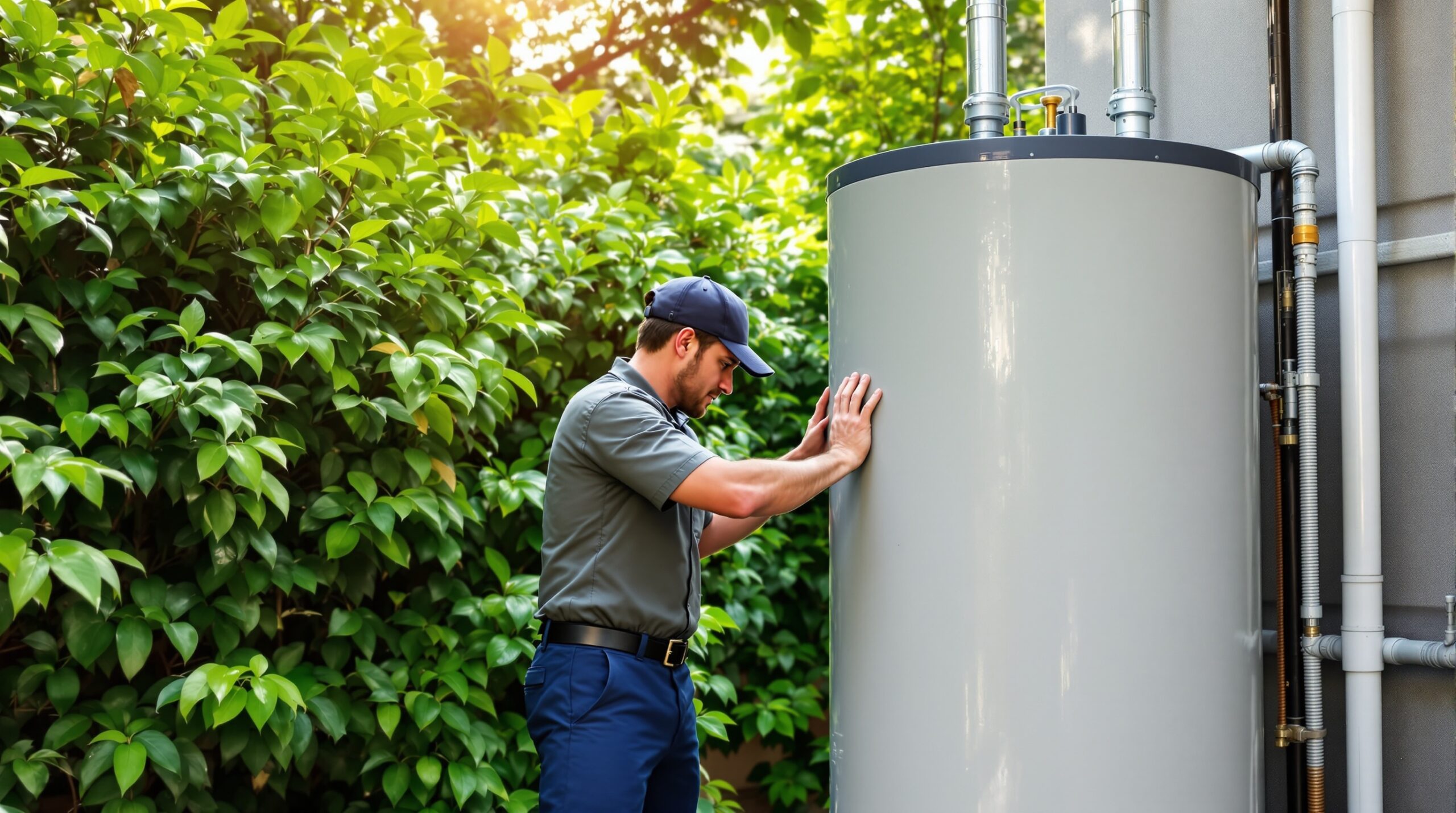
Understanding the Importance of Water Heater Maintenance in Delaware
Have you ever thought about how much you rely on your water heater? From those cozy morning showers to cleaning up after dinner, this trusty appliance plays a big role in our daily lives. In Delaware, where the humidity can sometimes feel like a warm hug, it’s even more important to keep your water heater running smoothly. Just like you wouldn’t ignore a runny nose or a sore throat, you shouldn’t overlook your water heater’s health!
Why Maintenance Matters
Imagine waking up one chilly morning, ready to jump in the shower, only to discover that your water is ice-cold! Yikes! Regular maintenance can help prevent such surprises and extend the life of your water heater. Just as you would regularly check your bike’s brakes or keep your car’s oil fresh, your water heater deserves some love too.
In Delaware’s humid climate, the moisture in the air can cause wear and tear on your water heater faster than in drier places. This means keeping an eye on things like rust, sediment build-up, and other pesky problems that can sneak up on you. By taking a proactive approach to maintenance, you not only ensure hot showers for years to come, but you also can enjoy peace of mind knowing your home is running efficiently.
So, let’s dive into some simple strategies to keep your water heater happy and healthy, so it can continue to serve you well all year round!
Key Benefits of Regular Water Heater Maintenance
Staying on top of your water heater maintenance doesn’t just make good sense; it also comes with a treasure trove of benefits that can positively impact your daily life. From enhancing energy efficiency to prolonging the lifespan of your unit, regular care contributes to a more reliable and enjoyable home experience. Let’s explore some of the key benefits of investing time and effort into maintaining your water heater:
| Benefit | Description |
|---|---|
| Extended Lifespan | Regular maintenance can significantly increase the life expectancy of your water heater, often extending it for several years beyond its average lifespan. |
| Improved Efficiency | A well-maintained water heater operates more efficiently, leading to potential reductions in energy consumption and keeping those monthly utility bills in check. |
| Enhanced Safety | Ensuring your water heater is in good condition minimizes safety risks, such as leaks and potential carbon monoxide emissions from gas units. |
| Consistent Hot Water Supply | Regular maintenance helps to avoid unpleasant surprises like running out of hot water mid-shower, ensuring a steady flow whenever you need it. |
| Preventative Insights | Regular check-ups allow you to catch minor issues before they become major headaches, saving you from unexpected repairs or replacements down the line. |
| Increased Home Value | Potential buyers are more likely to be attracted to a well-kept home, and a well-maintained water heater can be an appealing feature during real estate evaluations. |
Taking the time to focus on these key benefits will not only ensure that your home’s hot water supply remains dependable but also contributes to a more efficient and worry-free living space. By implementing regular water heater maintenance practices, you’ll enjoy the comfort and functionality of hot water without the lingering fear of sudden breakdowns.
Stay tuned as we delve into practical steps for maintaining your water heater effectively, ensuring it remains a reliable partner in your daily routine.
Steps to Regular Water Heater Maintenance: What Homeowners Need to Know
Now that we’ve explored the numerous advantages of maintaining your water heater, it’s time to arm you with the practical steps needed to keep your unit in optimal shape. By integrating these maintenance routines into your home care schedule, you can ensure your water heater remains a reliable source of comfort and convenience. Here are essential steps every homeowner can take:
- Check the Temperature Setting: Start by verifying the temperature setting on your water heater. Ideally, it should be set at 120°F (49°C) to both prevent scalding and improve energy efficiency. Adjusting the thermostat to the optimal level not only saves energy but also extends the life of the heating elements.
- Flush the Tank: Sediment buildup is one of the primary foes of water heaters. To combat this, it’s advisable to flush your tank at least once a year. This process involves draining a few gallons of water and sediment from the bottom of the tank, ensuring that your heater operates smoothly without unnecessary strain.
- Inspect the Anode Rod: The anode rod plays a vital role in protecting your water heater from corrosion. Check it every couple of years and replace it if more than 50% of it is corroded. This simple step can dramatically enhance the longevity of your unit.
- Examine the Pressure Relief Valve: This safety feature is crucial for preventing excessive pressure from building up in the tank. Test the valve periodically by lifting the lever and allowing some water to discharge. If it doesn’t work properly or leaks, it needs to be replaced immediately.
- Insulate Hot Water Pipes: Insulation plays a significant part in maintaining water temperature. By wrapping your hot water pipes in insulation, you can reduce heat loss and increase efficiency, allowing your heater to work less to maintain the desired temperature.
- Keep the Area Around the Heater Clean: A safe and clear space around your water heater is essential. Ensure there are no flammable materials or clutter surrounding the unit. Dust and debris can affect efficiency and safety, so keep the area tidy and well-ventilated.
- Schedule Professional Inspections: Once every year, consider reaching out to a qualified technician for a thorough inspection. Professionals can spot issues that might go unnoticed and provide additional maintenance beyond basic homeowner tasks.
By adhering to these straightforward steps, you’ll be well on your way to establishing a comprehensive maintenance routine for your water heater. This proactive approach not only safeguards your unit’s performance but also enhances your overall home efficiency. In the next section, we will explore how Delaware’s unique climate can influence your water heater’s efficiency and longevity, providing insights that are particularly relevant for homeowners in this state.
The Impact of Delaware’s Climate on Your Water Heater
Delaware’s unique climate presents both challenges and advantages for water heater performance. With humid summers and cold winters, your water heater has to work extra hard to maintain a steady supply of hot water year-round. Understanding how the local climate affects your water heater is crucial for ensuring optimal efficiency and longevity. Let’s delve into the ways Delaware’s climate can influence your home’s water heating system and what you can do about it.
First, consider the temperature fluctuations between the seasons. In winter, when outside temperatures can dip significantly, your water heater must consume more energy to heat incoming cold water. This means homeowners should take extra care during the cold months to minimize heat loss. Insulating your water heater and the pipes leading to and from it is a simple yet effective way to reduce the workload on your unit. By slowing the rate of heat dissipation, you help maintain hot water temperatures without overburdening the heater.
Additionally, high humidity levels during the summer can also impact your water heater. Humidity can lead to condensation, especially if your water heater is installed in a poorly ventilated space. This excess moisture not only affects the water heater’s efficiency but can also contribute to rust and corrosion over time. Ensuring that the area around your heater is properly ventilated can mitigate these issues. Keeping a fan running or using a dehumidifier can help reduce moisture buildup in the vicinity of your unit.
It’s also worth noting that Delaware often sees its fair share of storms and heavy rains, which can lead to flooding or waterlogging in certain areas. Homeowners should pay extra attention to the positioning and accessibility of their water heaters in relation to drainage and potential flood zones. Elevating the unit on a platform or ensuring it’s in a water-resistant area can prevent costly damage caused by unexpected weather events.
Moreover, homeowners in Delaware may also experience more sediment in their water supply, particularly after storms or heavy rains. This sediment can build up quicker than usual, hence making regular tank flushing even more critical if your home is in a region prone to such conditions. Keeping up with the flushing schedule can help your unit perform at its best and extend its lifespan.
In conclusion, understanding the nuances of Delaware’s climate can significantly enhance your water heater’s efficiency and durability. By being proactive and tailoring your maintenance practices to align with seasonal changes, you can ensure that your water heater continues to function effectively no matter the weather. In the following section, we will discuss some simple plumbing tips specifically designed to further optimize your water heater’s performance.
Simple Plumbing Tips to Enhance Water Heater Efficiency
Keeping your water heater operating efficiently doesn’t have to be a daunting task. With a few straightforward plumbing tips, you can enhance the performance and longevity of your unit, even amid the challenges posed by Delaware’s climate. Here are some effective practices that will help your water heater work at its best:
| Tip | Description |
|---|---|
| 1. Insulate Your Heater | Wrap your water heater with an insulation blanket to minimize heat loss and maximize efficiency, especially during colder months. |
| 2. Check the Temperature Setting | Set your thermostat to 120°F. This temperature is both efficient and safe, reducing energy consumption while ensuring hot water availability. |
| 3. Schedule Regular Maintenance | Perform annual inspections and flushing to remove sediment buildup, which can hinder performance and lead to premature wear. |
| 4. Fix Leaks Promptly | Even minor leaks can lead to significant water loss and reduced efficiency. Check for signs of leaks around your water heater and address them immediately. |
| 5. Install a Water Softener | If you live in a hard water area, a water softener can reduce mineral buildup in your water heater, improving efficiency and lifespan. |
By implementing these tips, homeowners can significantly improve their water heater’s efficiency, ensuring it operates smoothly regardless of the external climate. For example, insulating your water heater creates a barrier that preserves the heat generated, while regular maintenance can extend its operational lifespan considerably.
Simple actions, such as adjusting the temperature setting or fixing leaks as soon as they occur, contribute to a more streamlined and economical water heating experience. Regular inspections can also allow you to catch small issues before they escalate into larger problems, which is particularly important in an area like Delaware that can face challenging weather conditions.
As you consider these pointers, remember that maintaining your water heater is not just about efficiency; it’s also about ensuring the comfort of your home. A well-maintained water heater provides peace of mind and a reliable source of hot water that you and your family can count on, no matter the season.
In the subsequent section, we will delve into how you can watch and listen for early signs of trouble with your water heater. Detecting issues early can save you from larger problems and ensure a continuous supply of hot water when you need it most.
Watch and Listen: Detecting Early Signs of Trouble
Just like any appliance in your home, your water heater can give off subtle hints when something isn’t quite right. By closely observing and listening for these early warning signs, you can catch potential issues before they escalate into major repairs. Here’s how you can be proactive in monitoring your water heater’s health:
- Noisy Operation: If your water heater starts to produce unusual sounds—like gurgling, popping, or banging—this could indicate sediment buildup at the bottom of the tank. As minerals heat and expand, they create noise. Addressing this early by flushing the tank can prevent more severe problems down the line.
- Inconsistent Water Temperature: If you’re experiencing fluctuating temperatures or running out of hot water too quickly, it may signal issues with the heating element or thermostat. Prolonged temperature inconsistencies can mean that your heater is working harder than it should, which may reduce its lifespan.
- Leaking Water: Puddles or moisture around the base of the water heater or along the piping suggest a leak. This not only risks water damage to your property but can also mean your heater is losing efficiency. Promptly addressing leak sources ensures your unit remains operational.
- Rusty Water: If your hot water appears rusty or discolored, it could indicate corrosion either inside the tank or within the pipes. This not only affects quality but can also suggest the need for a replacement sooner than anticipated.
- Odors: A strong odor, especially if it’s reminiscent of rotten eggs, can indicate a buildup of bacteria within the tank. A quick inspection and possible treatment may be all that’s needed, but persistent smells may require further action to ensure your water remains safe and clean.
- Increased Utility Bills: While some fluctuations in your bill are normal, a significant increase may indicate your water heater is working less efficiently. Monitoring your utility bills regularly can help you identify when a service or replacement might be necessary.
Staying vigilant about these signs can significantly enhance your water heater’s longevity and performance. Timing is everything; catching an issue early not only extends the lifespan of your appliance but also maintains your home’s comfort and convenience. In a state like Delaware, where seasonal weather can vary significantly, ensuring that your water heater remains in top condition is essential for year-round hot water availability.
Ultimately, listening to your water heater and maintaining awareness of its operations is a smart strategy that saves you time, stress, and future headaches. Developing a routine for monitoring your appliance may even become second nature, allowing you to enjoy the many benefits of a well-functioning water heater while keeping any potential troubles at bay.
Addressing Common Concerns: FAQ on Water Heater Maintenance in Delaware
While being attentive to your water heater’s signals is crucial, addressing common concerns brings a proactive approach to maintenance. Homeowners often have questions about how to care for their water heater effectively. Here are some frequently asked questions that can help guide you in the right direction:
- How often should I flush my water heater? Regular flushing is essential to remove sediment buildup. It’s advisable to flush your water heater at least once a year. However, if you’ve noticed significant noise, reduced efficiency, or discolored water, increasing the frequency to every six months can be beneficial, particularly in areas with hard water.
- What is the lifespan of a water heater? On average, water heaters last between 8 to 12 years, depending on usage, maintenance, and quality. Regular maintenance can significantly extend your water heater’s operating life, allowing you to enjoy hot water without unexpected disruptions.
- Should I conduct a visual inspection of my water heater? Yes! Performing a routine visual inspection can help you spot any potential issues early. Check for leaks, rust, or damage on plumbing connections, as well as any unusual moisture signs. These inspections should be part of your home maintenance routine.
- What should I do if I smell gas? If you detect a gas smell, it’s essential to prioritize safety. Immediately turn off the gas supply and evacuate the area. Contact your gas company and a professional technician to assess and resolve the situation promptly.
- When is it necessary to call a professional? While you can handle basic maintenance, knowing when to bring in a pro is crucial. Signs such as persistent leaks, extensive corrosion, or multiple appliance failures may indicate that professional maintenance or replacement is needed to ensure safety and efficiency.
- Are qualified technicians available in Delaware? Absolutely! Delaware is home to a variety of licensed plumbing and HVAC professionals who specialize in water heater maintenance. Research local contractors to find those with solid reputations and positive client reviews.
Addressing these concerns equips homeowners with the knowledge necessary for effective water heater maintenance. Your water heater plays a vital role in your daily life, affecting comfort and convenience. By staying informed and vigilant, you’re ensuring that you can enjoy hot showers and warm water for your home without interruption.
In essence, a proactive maintenance approach paired with rapid response to potential issues translates into significant benefits. As Delaware’s diverse climate presents unique challenges, maintaining your water heater will help you achieve a seamless supply of hot water throughout every season, letting you focus on what truly matters—enjoying the comfort of your home.
Final Thoughts: Keeping Your Water Heater Running Smoothly
With proper care and timely attention, your water heater can operate efficiently and serve your household for many years. By implementing a proactive maintenance routine and being alert to early warning signs, you can ensure that your unit remains in good working condition. Here are some final tips to keep your water heater running smoothly and to safeguard your comfort:
- Routine Maintenance: Just like any major appliance, your water heater benefits from regular check-ups. Consider scheduling annual inspections with a professional technician to assess the system’s overall health. This can include checking the anode rod, flushing the tank to remove sediment buildup, and evaluating the thermostat settings for optimal performance.
- Temperature Settings: Adjusting your water heater’s thermostat to an optimal temperature can prevent overheating while still providing adequate hot water. The recommended setting is usually around 120°F (49°C), which is ideal for both safety and efficiency. Lowering the temperature can also minimize wear and tear on the unit.
- Insulation: Keeping your water heater insulated is crucial, especially in colder climates where heat loss can be significant. Wrapping your unit with an insulation blanket can help maintain the water temperature and improve efficiency. Don’t forget to insulate the pipes as well—the first five feet of pipe coming out of the heater can greatly affect how well it retains heat.
- Smart Usage: Be mindful of how you use your hot water. Spacing out large loads of hot water—such as laundry or showering—can reduce the strain on your water heater, allowing it to recover more quickly between uses. Limiting the use of hot water during peak hours can also promote better performance.
- Know Your Lifespan: Understanding the average lifespan of your water heater helps you plan for replacements before an emergency arises. Generally, traditional tank water heaters last about 10-15 years, while tankless systems may last longer. If your unit is approaching this age, consider looking into options for a replacement to avoid any surprise breakdowns.
Incorporating these strategies will not only prolong the life of your water heater but also help ensure that your home remains a comfortable haven. Staying engaged with your appliance allows you to identify potential fissures before they become gaps, making your household more resilient and efficient.
To summarize, a little vigilance goes a long way in ensuring the optimum performance of your water heater. Regular monitoring, combined with strategic maintenance practices, can prevent small issues from turning into significant headaches while ultimately contributing to a more relaxing and efficient home environment. Remember, your water heater is a vital lifeline for your daily comfort—treat it well, and it will serve you just the same.