
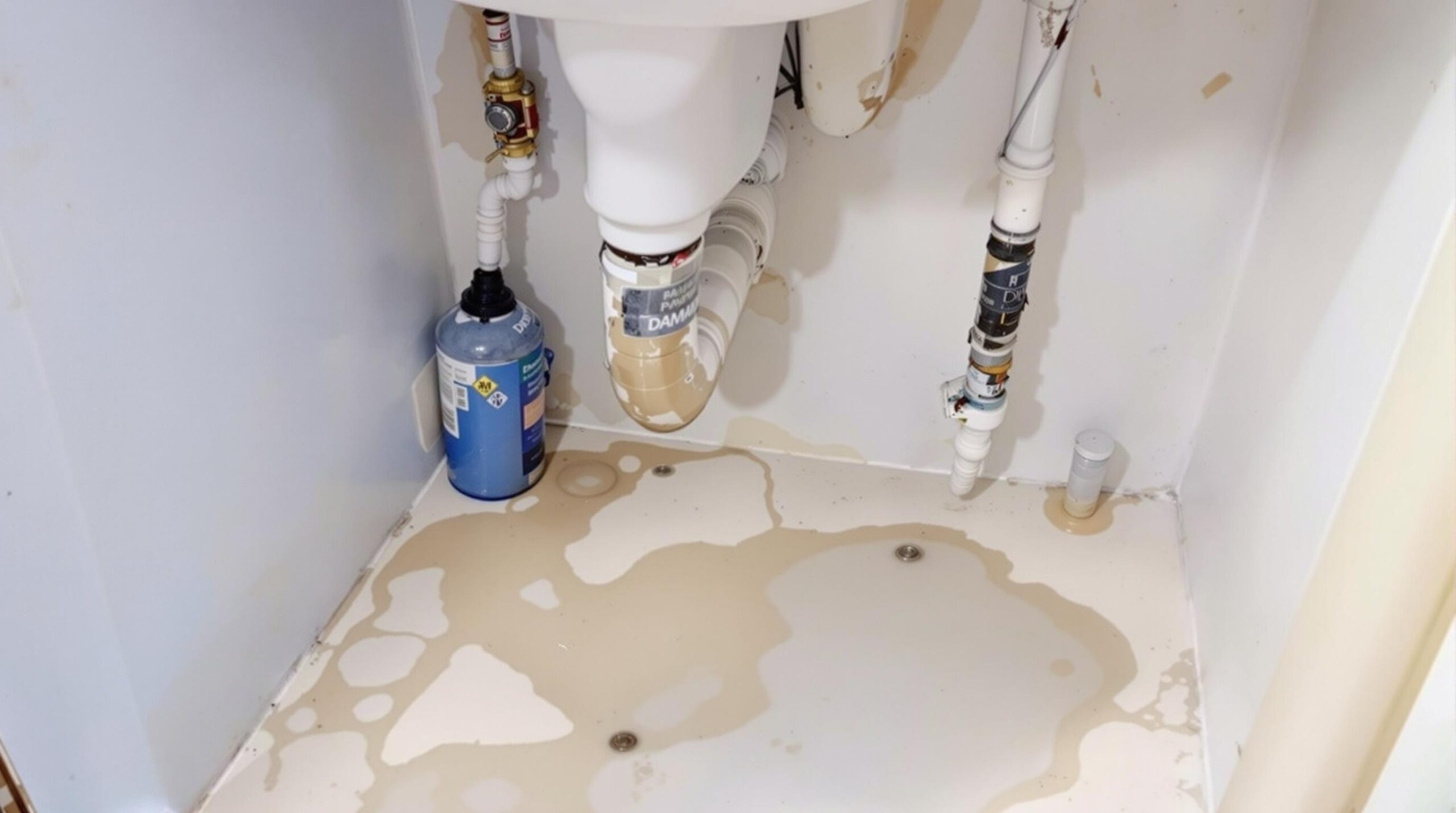
When Disaster Strikes: The Reality of a Burst Pipe
Imagine you’re enjoying a relaxing Saturday afternoon at home in Blackbird, DE. You’re sipping your favorite drink, maybe even binge-watching that new show everyone has been talking about. Suddenly, you hear a strange sound coming from somewhere in your house. Before you know it, water is gushing from a pipe like a mini geyser, and panic starts to set in!
Why Being Prepared is Key
Emergency plumbing issues, like a burst pipe, can occur when you least expect them. They don’t knock on your door to announce their arrival; they just happen! These situations can lead to serious damage and disruption in your home, creating chaos and stress for you and your family. That’s why it’s super important to be prepared and know exactly what to do if you ever face this unexpected challenge.
Stay Calm and Take Action
In times like these, having a plan can mean the difference between a minor inconvenience and a full-blown disaster. Knowing how to act quickly and thoughtfully can help minimize damage and get your home back in order. Whether it’s knowing where to shut off the water or having the right contact numbers handy, being informed can turn a stressful situation into a manageable one. Ready to learn how to handle that burst pipe like a pro? Let’s dive in!
Understanding the Common Causes of Burst Pipes
Before you can effectively manage a burst pipe, it’s essential to understand what causes them in the first place. Burst pipes, often attributed to a combination of environmental factors and household neglect, can occur in any home, regardless of age or location. Here’s a breakdown of the common culprits behind these unexpected plumbing issues:
| Cause | Description |
|---|---|
| Extreme Weather | Frigid temperatures can freeze the water inside pipes, causing them to expand and ultimately burst. This is particularly common in areas where temperatures plummet overnight. |
| High Water Pressure | Excessively high water pressure can put a strain on pipes, leading to leaks or ruptures. It’s crucial to ensure your home’s plumbing system is regulated to the appropriate pressure. |
| Corrosion | Over time, pipes can become corroded due to chemical reactions with the water itself or the surrounding soil. This deterioration weakens the material, making it susceptible to bursting. |
| Tree Roots | Roots from nearby trees can infiltrate sewer lines, expanding and applying pressure to the pipes, often leading to cracks or breaks. |
| Improper Installation | Pipes that are incorrectly installed or lack proper slopes can be at higher risk of water pooling and resulting in bursts. |
| Wear and Tear | Just like any other part of your home, pipes can wear out over time. Aging plumbing systems can become brittle and lose their ability to withstand daily stresses. |
Understanding these common causes can empower homeowners in Blackbird, DE to take preventive measures. Regular maintenance, monitoring water pressure, and being aware of your plumbing’s age can significantly decrease the likelihood of facing a burst pipe. Awareness is the first step in combatting potential disasters!
While it’s crucial to know the underlying reasons for burst pipes, it’s equally important to understand what actions to take when disaster strikes. In the next section, we’ll discuss the immediate steps you should follow once you’ve discovered a burst pipe. Your ability to respond can make all the difference in minimizing damage!
Immediate Steps to Take Once You’ve Discovered a Burst Pipe
Finding a burst pipe in your home can feel overwhelming; however, taking swift, decisive action can significantly mitigate the damage and simplify the repair process. When confronted with this inconvenient plumbing dilemma, follow these immediate steps to ensure your home remains safe and secure:
- Shut Off the Water Supply: The very first thing you should do is to locate and turn off your home’s main water valve. This action will stop the flow of water and prevent further inundation in your space. If you’re unsure where the valve is, it is usually found in the basement, crawl space, or near the water meter outside.
- Drain the Remaining Water: After shutting off the water supply, go to your faucets and run the cold and hot water taps until the flow ceases. This will eliminate any remaining water in the pipes and reduce the potential for additional leaks or splashes from the damaged area.
- Turn Off Electrical Appliances: If the burst pipe is near any electrical outlets or appliances, turn off the electricity in affected areas. Water and electricity do not mix, and this precaution helps prevent potential hazards such as electrical fires or shock.
- Contain the Damage: Use towels, buckets, or containers to capture any dripping water that escapes from the burst pipe. If possible, place a tarp or a waterproof sheet on the floor to shield your surfaces from water damage.
- Assess the Extent of the Damage: Carefully examine the area around the burst pipe. Look for signs of water damage such as discoloration on walls, ceilings, or floors. Understanding the extent of the problem can aid you when discussing repairs with a professional.
- Document the Incident: Take photographs and notes regarding the situation, including where the burst pipe is located and any visible damages. This documentation may come in handy for insurance claims or when discussing repair options with a plumber.
- Contact a Professional: Reach out to a licensed plumber immediately for assistance. Describe the situation and any steps you have already taken. A qualified professional will offer guidance on how to best handle the situation and can carry out necessary repairs.
- Notify Your Insurance Company: If the damage is significant, contact your insurance provider. Provide them with details about the incident and the steps you’ve taken. This will initiate the claims process and can help ensure that your needs are addressed promptly.
Taking these immediate steps not only helps to limit the damage caused by a burst pipe but also sets the stage for successful resolution of the issue. Being prepared and acting quickly can make a world of difference when dealing with plumbing emergencies. As you tackle the aftermath of a burst pipe, remember that knowledge and prompt action are your best allies!
Preventative Measures for Avoiding Burst Pipes in the Future
Once you’ve dealt with the immediate aftermath of a burst pipe, the next logical step is to implement preventative measures to safeguard your home from future plumbing emergencies. Prevention is always better than cure, and being proactive can save you considerable stress and hassle down the line. Here are several effective strategies to keep your pipes intact and your home dry:
- Insulate Your Pipes: Cold weather is one of the leading causes of frozen pipes, which can lead to bursting. Insulating your pipes, especially those in unheated areas such as basements, attics, and garages, can significantly reduce the risk of freezing. Use foam pipe insulation sleeves or heat tapes specifically designed for this purpose.
- Maintain a Consistent Temperature: During the winter months, keeping your home at a consistent, warm temperature can help prevent pipes from freezing. Even if you plan to be away for an extended period, make sure to set your thermostat no lower than 55°F. This small adjustment can protect your plumbing when temperatures dip.
- Allow Faucets to Drip: When temperatures plunge, allow a slow drip from your faucets. This simple technique prevents pressure from building up in the pipes and lowers the chances of a freeze. It’s especially effective for faucets connected to exterior walls where cold air can penetrate.
- Keep Cabinet Doors Open: If you have plumbing under sinks, particularly those near exterior walls, open the cabinet doors to allow warm air to circulate around the pipes. This simple step can help shield them from the chilly drafts that can result in bursting.
- Regularly Inspect Your Plumbing: A routine check of your plumbing system can help identify potential problems before they escalate into serious issues. Look for leaks, corrosion, or any signs of wear and tear on your pipes. If you notice anything suspicious, consult a plumbing professional for advice.
- Know Your Water Pressure: High water pressure can strain your plumbing system and lead to ruptures. Consider installing a pressure regulator if you live in an area with naturally high pressure. Regularly monitor the pressure to ensure it stays within the recommended range.
- Clear the Area Around Your Pipes: Prevent damage from occurring by keeping areas surrounding your pipes clear of clutter and debris. This allows for proper air circulation and easy access in case repairs are needed, making it easier to spot issues before they turn into emergencies.
- Seek Professional Maintenance: Schedule regular inspections and maintenance with a licensed plumber. Professionals can conduct a thorough check of your plumbing system, recommend repairs, and ensure everything is functioning optimally. Their expertise can be invaluable in preventing future problems.
By taking these preventative measures, you can protect your pipes from adverse conditions and ensure your plumbing system is in great shape for years to come. A proactive approach not only offers peace of mind but also promotes a safer, more efficient home environment. Remember, a small investment of time and effort can pay off significantly in preventing the headache of burst pipes in the future!
How Local Plumbing Services Can Help in Blackbird, DE
When it comes to maintaining a healthy plumbing system, local plumbing services can be your best ally, especially in a close-knit community like Blackbird, Delaware. By fostering relationships with knowledgeable professionals in your area, homeowners can access a wealth of experience and tailored services designed to meet the unique needs of their homes. Here are several key ways local plumbing services can assist you:
- Emergency Response: Local plumbers provide quick and efficient emergency services, often available 24/7. Whether you face a burst pipe late at night or an unexpected leak, having a trusted plumber who knows your community means help is just a phone call away.
- Personalized Service: Plumbing issues can vary greatly between homes. Local plumbers can offer personalized solutions based on your property’s age, design, and layout. This tailored approach ensures that the remedies they provide are effective and long-lasting.
- Community Focus: Local plumbers are invested in the well-being of their community. When you choose a nearby service, you’re not just getting a professional; you’re supporting a business that values its reputation and strives to maintain high standards. This often results in better customer care and more reliable services.
- Regular Maintenance: Establishing a relationship with a local plumber enables you to schedule regular maintenance checks. Routine inspections can catch potential issues before they escalate, helping you avoid significant damage and costly repairs down the line.
- Tailored Advice: With familiarity in the area’s plumbing challenges, local plumbers are well-equipped to provide advice relevant to Blackbird’s climate and environment. They can recommend solutions specifically suited for local conditions, such as winter-proofing measures to protect against freezing temperatures.
- Utilization of Local Resources: Local plumbers are often in touch with the best suppliers and resources in the area. This means they can access quality products and materials quickly, ensuring your plumbing needs are met promptly and effectively.
| Service | Description |
|---|---|
| Emergency Plumbing | Immediate assistance for urgent plumbing issues. |
| Routine Maintenance | Scheduled inspections to ensure your plumbing system is in good shape. |
| Personalized Consultation | Custom advice and solutions based on your specific household plumbing needs. |
| Local Expertise | Knowledge of local plumbing challenges and climate solutions. |
| Access to Resources | Connections with local suppliers for quality materials and prompt service. |
In essence, engaging with local plumbing services in Blackbird not only resolves your immediate plumbing needs but also fosters a proactive approach to home maintenance. This local partnership ensures that you’re not just a number in a system; instead, you’re a valued member of the community, benefiting from tailored plumbing solutions designed specifically for your home. Protecting your plumbing investment relies heavily on these local experts who are committed to keeping your home running smoothly.
However, even with the best local plumbing services at your fingertips, every homeowner should be prepared for emergencies. That’s where having the right tools at your disposal becomes indispensable. Equipping yourself with essential plumbing tools not only empowers you to handle minor issues swiftly but also prepares you to respond effectively to larger problems until professional help arrives. Here’s a comprehensive guide to the essential tools every homeowner should have for emergency plumbing situations.
- Plunger: A classic tool for a reason, a high-quality plunger can efficiently unclog toilets and sinks. Ensure you have both a standard cup plunger for sinks and a flange plunger designed specifically for toilets. Familiarize yourself with proper plunging techniques to maximize effectiveness when chaos strikes.
- Adjustable Wrench: This versatile tool is a must-have for tightening and loosening nuts and bolts on fixtures and pipes. Choose one with a wide jaw capacity to handle various sizes of plumbing fittings—this adaptability can be a lifesaver during a plumbing emergency.
- Pipe Wrench: For more serious plumbing issues involving pipes, a pipe wrench provides robust grip and leverage. This tool is particularly useful if you encounter stubborn fittings that need extra force to disengage.
- Plumbing Snake: Often, clogs can be more complex than a plunger can handle. A plumbing snake (or auger) can navigate deeper blockages within your pipes, allowing you to clear them effectively without resorting to harsh chemicals.
- Bucket: While it may seem basic, a sturdy bucket is invaluable for catching leaks from broken pipes or fixtures. Keeping one on hand allows you to manage water flow while you assess the situation and prepare for repairs.
- Tape Measure: Accurate measurements are crucial when determining the size of replacements or assessing damage zones. A tape measure helps you gather the necessary specifications before your plumbing service arrives, ensuring you don’t waste time during an emergency.
- Safety Gear: Always prioritize safety. Equip yourself with gloves, goggles, and a face mask. When addressing plumbing issues, protecting yourself against sharp tools, chemicals, and harmful bacteria is essential.
- Emergency Shutoff Valve Tool: Knowing how to locate and operate your home’s main water shutoff valve can prevent flooding and significant damage. An emergency shutoff tool can help with rapid access to valves if they are hard to reach.
By assembling these essential tools in your home toolkit, you’re not only prepping for potential plumbing crises but also fostering a sense of self-reliance and confidence. Remember, while DIY solutions can be effective for minor problems, it’s critical to know your limits. For issues that require professional attention, don’t hesitate to reach out to your local plumbing service. Keeping communication open and knowing when to call in the experts can ensure peace of mind, safeguarding your property from unexpected plumbing disasters. Armed with both local expert services and your handy toolkit, Blackbird homeowners can face any plumbing challenge head-on, fortifying their homes against the unknown.
As a homeowner, knowing what to do when faced with plumbing challenges can be daunting, especially in critical situations where you can’t immediately locate the main water valve. If you’re scratching your head over where to find it, start by checking outside your home—most valves are located near the foundation or in the basement. They can also be concealed behind a panel or a small door within your home. If, after a thorough search, you still can’t locate it, consider reaching out to a local plumber or your municipal water authority for guidance. Make sure to take note of their advice for future reference; having an accessible shutoff valve can prevent significant damage during unforeseen crises.
Equally important as knowing the location of your main shutoff valve is understanding how frequently you should have your plumbing inspected. Regular inspections are vital for maintaining a healthy plumbing system. Ideally, schedule a professional plumbing inspection at least once a year. This proactive approach allows plumbers to catch and rectify potential problems before they escalate into emergencies, ensuring your plumbing operates smoothly. In addition, if you notice any sudden changes in water pressure, persistent leaks, or odd noises from your pipes, it’s wise to get an inspection right away to nip any issues in the bud.
Keeping an eye out for signs of impending plumbing issues is your best defense against crisis situations. Various warning signs can alert you to potential problems, such as:
- Unexplained Increases in Water Bills: A sudden spike could indicate leaks or hidden issues within your plumbing system. Pay attention to your monthly water bills; if they’re higher than usual without a clear reason, it merits investigation.
- Slow Drains: If your sinks, tubs, or toilets are draining slowly, it’s often a precursor to clogs or blockage deep within the plumbing lines. Try simple solutions, but if the issue persists, consult a plumber.
- Discolored Water: Rusty or brown-colored water can be a sign of corroded pipes. This not only affects the quality of your water but can also lead to leaks and significant damage down the line.
- Mold or Mildew Growth: The presence of moisture around fixtures or in your home can indicate leaks, which, if left unchecked, may lead to mold growth. Addressing water issues promptly is essential for your health and the integrity of your home.
- Unusual Sounds: Listen for gurgling, banging, or drumming noises emanating from your pipes. These could be signs of air trapped in your plumbing or other underlying issues that need immediate attention.
By being proactive about your plumbing system, conducting regular inspections, and being vigilant about potential warning signs, you can address issues before they become major headaches. A well-informed homeowner is an empowered homeowner; understanding these fundamentals gives you the confidence to take swift action when necessary. If you’re ever in doubt or face a plumbing problem that’s beyond your expertise, don’t hesitate to reach out to your local plumbing professional. Their expertise will provide you with peace of mind and the assurance that your property is well cared for.
Understanding how essential these tools are is just the beginning. The real mastery comes in knowing when to use them, especially in urgent situations like burst pipes. Picture this: the moment you notice a sudden rush of water pouring from a broken pipe in your basement. Your heart races, but your mind should be focused. The first step? Quickly grab that emergency shutoff valve tool and stop the water flow. This critical action can buy you precious minutes before the professionals arrive, allowing you to minimize damage while keeping calm amidst the chaos.
Once the water is under control, it’s time to assess the situation. If you have a plumbing snake on hand, you can investigate potential clogs that may have contributed to the burst pipe—critically important information for your plumber. Remember, when the experts arrive, they’ll appreciate your proactive efforts to control the emergency; it demonstrates you’re a responsible homeowner who values their help and isn’t lost in panic.
And while waiting for professional assistance, don’t overlook simple preventative measures you can take while you wait. Use your bucket to contain any additional leaks, ensuring that no uncontrolled water damage occurs. Taking these steps not only protects your property but also showcases your preparedness and responsibility as a homeowner. Blackbird’s plumbing experts are here to assist, but they can work more effectively when you provide them with information about the steps you’ve already taken to mitigate the problem.
The crux of handling plumbing emergencies is maintaining a mindset of problem-solving rather than stress. Each tool in your arsenal is there not just for physical repairs but also as a means of empowering you to command situations as they arise. The awareness you cultivate as a proactive homeowner will improve your confidence in addressing unexpected plumbing mishaps.
Of course, let’s be clear: self-reliance and preparation are noble pursuits, but they shouldn’t be mistaken for having to go at it alone. There’s no shame in seeking professional help. The most valued tool in your toolkit is the phone number of your trusted local plumbing service. When faced with significant plumbing crises, especially those that extend beyond what your tools can manage, a readily available professional can be the difference between a minor inconvenience and a catastrophic setback.
In conclusion, knowing how to tackle minor plumbing issues armed with your toolkit is empowering, but understanding when to call in the experts is equally important for safeguarding your home. With a combination of resourcefulness and professional support, Blackbird homeowners can navigate any plumbing emergency with poise. It’s not just about having the right tools; it’s about ensuring your peace of mind and the ongoing well-being of your property, making every plumbing challenge an opportunity for growth and resilience.