
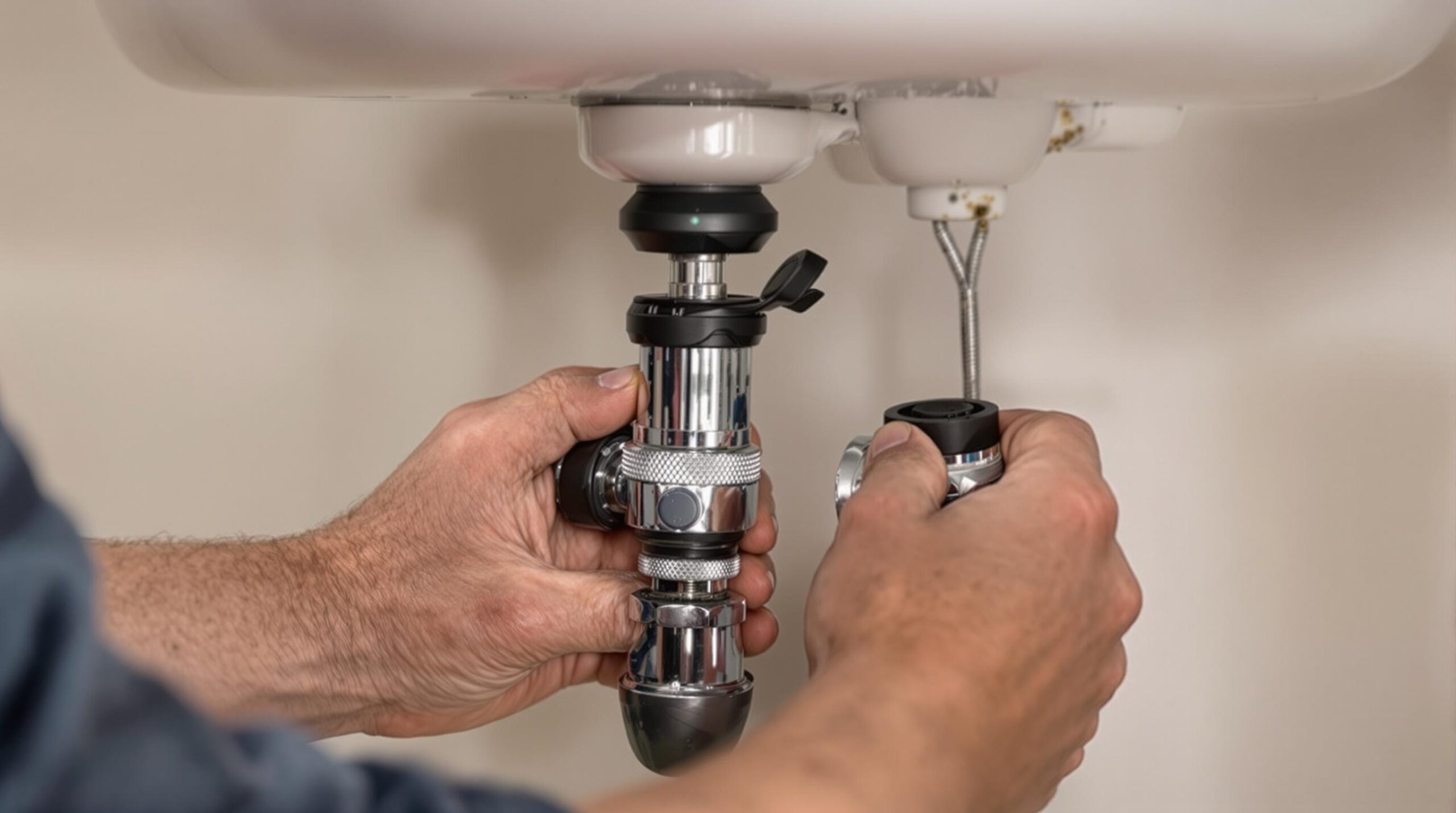
Facing the Flood: What to Do When a Pipe Bursts
Imagine this: you’re settling down to enjoy a cozy evening at home in Tidewater, DE, when suddenly, you hear a loud whoosh and feel the ground beneath your feet getting damp. Panic sets in as you realize a pipe has burst! Water is gushing into your home, and every second counts. Dealing with a burst pipe can feel like an overwhelming challenge, but don’t worry; you’re not alone. With the right steps, you can manage this plumbing crisis like a pro.
The Urgency of the Situation
A burst pipe isn’t just an inconvenience; it’s an emergency that calls for quick thinking and swift action. If left unchecked, the water can damage your belongings, lead to mold growth, and even compromise the structural integrity of your home. That’s why it’s essential to stay calm and take the necessary steps to mitigate the damage. In this guide, we will walk you through everything you need to know, from immediate actions to long-term solutions, ensuring you can handle this situation efficiently and effectively.
So, what should you do when the water starts pouring in? Let’s dive into the essential tips and solutions that every Tidewater homeowner should know!
Identifying and Stopping the Water Flow
As the water surges into your home, your first instinct should be to locate the source of the leak. Identify the location of the burst pipe, as this is critical in halting the flow quickly. Here’s what to do:
- Stay Alert: Listen for the sound of rushing water and try to pinpoint where it’s coming from. The noise can be your best clue!
- Check the Walls and Ceilings: Water may seep through walls or ceilings, causing bulges or discoloration. Look for signs that point to the location of the leak.
- Inspect Access Points: If you have access to crawl spaces, basements, or attics, investigate these areas thoroughly, as they often harbor plumbing lines.
Once you’ve identified the burst pipe and its immediate vicinity, it’s time to stop the water flow. Follow these critical steps below:
| Action Steps | Details |
|---|---|
| Locate the Main Water Shut-Off Valve | This valve is typically found near where the water line enters your home, often in the basement or near the water heater. Turn the valve clockwise to shut off the main water supply. |
| Drain the System | Once the main valve is shut, turn on faucets at the highest level of your home and then at the lowest. This allows the remaining water in the pipes to drain out, reducing pressure. |
| Use Localized Shut-Off Valves | If the burst pipe is connected to a specific fixture (like a sink or toilet), locate the localized shut-off valve, usually located under the sink or near the base of the toilet, and turn it off. |
| Assess the Scene | With the water stopped, quickly evaluate the area for any additional leaks and monitor how much water has pooled in the affected areas. |
Now that you’ve stopped the flow of water, you can shift your focus to minimizing potential damage and planning the next steps. But remember, time is of the essence. The sooner you act, the better you’ll protect your home. Get ready to tackle the cleanup and dry out your space effectively, as the next crucial steps await you!
Minimizing Water Damage and Cleanup Tips
As you survey the scene, it’s essential to act swiftly in order to minimize water damage. Water can wreak havoc on your belongings, and it can propagate mold and mildew if not addressed promptly. Here’s a guideline to help you manage the cleanup effectively:
- Begin Water Extraction: Grab a wet/dry vacuum or mop up standing water using towels to prevent further soaking into flooring and walls. The sooner you can remove the excess water, the better your chances are of avoiding long-term issues.
- Remove Furniture and Belongings: Relocate any furniture, rugs, or personal belongings from the water-logged area to dry ground, ideally outside in the sunshine. This not only keeps items from absorbing moisture but also facilitates a clearer workspace for your cleanup.
- Keep Air Circulating: Open windows, use fans, or turn on your HVAC system to assist in drying out the affected area. Air circulation significantly speeds up the drying process, deterring mold growth.
- Use Dehumidifiers: Consider using dehumidifiers to draw moisture from the air. These devices can be particularly useful in enclosed spaces and help to stabilize humidity levels, preventing additional damage.
- Water-Resistant Storage: If possible, stash belongings that have been saved from water damage in plastic bins or containers. This will shield them from any residual moisture in the environment.
While you’re engaged in cleanup, always be vigilant for potential hazards:
- Electrical Considerations: Ensure that any electrical appliances or outlets in the affected area are safe to interact with. If you doubt their safety, it’s best to switch off power to the affected section or call in a licensed electrician.
- Personal Protection: Wear rubber gloves and protective footwear while handling wet materials. This minimizes the risk of exposure to bacteria or potential contaminants that might lurk in flood water.
Having enacted these immediate cleanup measures, you’ll not only aid the rapid restoration of your home, but also set the stage for further evaluation of any damage that may require professional intervention. In fact, while some situations can be managed independently, others demand the expertise of trained professionals. But how do you know when to call for help? That’s where our next section comes in.
Signs to Watch For and When to Call a Professional Plumber
As you tackle the immediate aftermath of water damage, it’s crucial to remain vigilant. While you may feel equipped to manage minor issues, certain signs clearly indicate that it’s time to call a professional plumber. Recognizing these indicators early can prevent further complications and costly repairs down the line. Here’s what to watch out for:
- Signs of Persistent Leaks: If you notice water pooling in areas that should be dry or find unexplained water spots on walls or ceilings, this could indicate a hidden leak. Persistent leaks can compromise structural integrity and lead to serious mold problems, so don’t hesitate to reach out to a plumber for a thorough inspection.
- Decreased Water Pressure: A sudden drop in water pressure can signal a hidden obstruction or leak in your plumbing system. If the water flow becomes weak or erratic, it’s time to call in a professional to diagnose the issue, as this could point to deeper plumbing issues that need attention.
- Water Discoloration: Noticeably discolored water or a rusty tint suggests corrosion—either within your plumbing or an issue with the municipal water supply. This is a health concern and merits immediate consultation with a plumber to ensure your water supply is safe for consumption.
- Unpleasant Odors: Lingering odors that resemble mildew or sewage can indicate a blocked drain or other plumbing issues. Such odors should not be ignored, as they often signal that waste may not be draining properly or that there are untreated stagnant water issues. A licensed plumber can assess the situation and safely address the root cause.
- Unusual Noises: Sounds like clanking, banging, or constant running water coming from your pipes can suggest air in the system or that something is amiss in your plumbing infrastructure. These sounds often indicate that immediate attention is needed to prevent further damage.
- Water Heater Issues: If your water heater is leaking or producing water that isn’t hot enough, it’s time to consult a professional. Water heaters can be intricate and not easily serviced by the average homeowner, especially when it comes to intricate connections.
While competent DIYers may handle minor clogs or tighten loose fittings, remember that some plumbing issues can exacerbate quickly without appropriate expertise. If any of these signs resonate with your current situation, it’s best to err on the side of caution and consult a professional plumber who can conduct a comprehensive evaluation. Not only does this ensure the thorough handling of the situation, but it can also provide you with peace of mind as you work toward restoring your home to its former condition.
Once you’ve tapped into the support of professionals and paved the way for a successful restoration, it’s time to focus on how you can avoid future plumbing emergencies. The next section will detail preventive measures to keep your home’s plumbing system in prime condition.
Preventive Measures to Avoid Future Plumbing Emergencies
After successfully addressing the immediate plumbing issues, it’s essential to implement preventive measures that can save you time, hassle, and money in the long run. By adopting a proactive approach, you can enhance the longevity of your plumbing system and minimize the likelihood of unexpected emergencies. Here are several effective strategies to keep your plumbing in optimal condition:
- Regular Inspections: Schedule routine inspections with a licensed plumber at least once a year. A professional can identify early signs of wear and tear, provide maintenance services, and advise you on any necessary repairs.
- Know Your System: Familiarize yourself with your home’s plumbing layout, including shut-off valves and main lines. This knowledge can empower you to act quickly in case of emergencies, and having easy access to shut-off valves can minimize water damage should a leak occur.
- Flush Your Drains: Keep your drains clear and functional by flushing them regularly with hot water and a mixture of baking soda and vinegar. This simple practice can help break down any buildup of grease or debris, preventing clogs before they start.
- Monitor Water Pressure: Too much pressure can strain your plumbing, leading to leaks and bursts. Invest in a pressure gauge and monitor your water pressure periodically, ensuring it stays within the normal range of 40-60 psi.
- Seal Joints and Cracks: Inspect visible pipes and joints for cracks or signs of moisture. Applying a sealant to problematic areas can prevent leaks before they become a more significant issue.
- Protect Against Freezing: In colder months, insulate any exposed pipes in unheated areas of your home, such as basements and crawl spaces. Allowing faucets to drip during frigid weather can keep water flowing and prevent freezing, reducing the risk of burst pipes.
- Be Mindful of What Goes Down the Drain: Educate your household on what can and cannot be put down the sinks and toilets. Avoid flushing non-biodegradable items and be cautious about food scraps clogging the kitchen sink, as this is a common source of plumbing issues.
Implementing these straightforward practices can significantly reduce the risk of facing a plumbing crisis down the road. Not only do these measures ensure a more efficient plumbing system, but they also contribute to a healthier home environment.
| Preventive Measure | Frequency | Benefits |
|---|---|---|
| Routine Inspections | Annually | Identify potential problems early |
| Flush Drains | Monthly | Prevent clogs and keep water flowing |
| Water Pressure Monitoring | Every 6 months | Maintain optimal pressure, reducing strain |
| Insulating Exposed Pipes | Annually (Before Winter) | Prevent freezing and bursting |
| Educating Household Members | Ongoing | Reduce risk of clogs and backups |
Taking these proactive steps not only ensures a sound plumbing system but also helps you avoid potentially stressful and costly plumbing emergencies. As you continue to maintain awareness and incorporate these practices into your home routine, you will help create a resilient plumbing environment that stands the test of time.
Emergency Plumbing Services Available in Tidewater, DE
Even with the best preventive measures in place, plumbing emergencies can still happen. When they do, having access to reliable emergency plumbing services in Tidewater, DE, can make all the difference in quickly mitigating damage and restoring your home to its usual state of comfort. Knowing whom to call and what to expect during a plumbing crisis empowers homeowners to act swiftly and effectively when the unexpected occurs.
Local emergency plumbers in Tidewater are equipped to handle a variety of urgent issues, from burst pipes and overflowing toilets to severe leaks and blocked drains. Their expertise ensures that they can address problems efficiently, often providing same-day service to get you back on track as soon as possible. Here are some key features and benefits of engaging with emergency plumbing services that homeowners should be aware of:
- 24/7 Availability: Many plumbing emergencies don’t stick to a 9-to-5 schedule, which is why emergency plumbing services are available around the clock. Whether it’s the middle of the night or a holiday, you can reach out to professional plumbers who will be ready to assist you whenever disaster strikes.
- Quick Response Times: In urgent situations, every minute counts. Reputable emergency plumbing services in Tidewater prioritize rapid response times, arriving at your home promptly to assess and address the problem. This quick action can significantly lessen the impact of plumbing disasters.
- Advanced Tools and Techniques: Emergency plumbers are equipped with the latest technology and tools necessary to diagnose and fix a wide range of plumbing issues. Their expertise and access to advanced equipment ensure that they can tackle even complex problems effectively and efficiently.
- Comprehensive Problem-Solving: Skilled emergency plumbers can not only fix immediate issues but also identify underlying causes that could lead to further plumbing challenges. This comprehensive approach helps ensure that your plumbing system returns to optimal functioning and helps prevent future emergencies.
- Expert Guidance: In addition to their hands-on skills, emergency plumbers can provide valuable advice regarding maintenance and preventive measures after addressing a plumbing crisis. Understanding the steps to take post-emergency empowers homeowners to make informed decisions about their plumbing systems.
- Insurance Assistance: Many emergency plumbing services are familiar with insurance claims and can help you navigate the process, working directly with your insurance to ensure you receive the necessary support. This can be particularly helpful during stressful situations, allowing homeowners to focus on what matters—getting their home back in order.
Being prepared for a burst pipe or other plumbing emergencies means not only knowing how to react when they occur but also having a trusted emergency plumbing service on speed dial. Encourage all members of the household to familiarize themselves with the shut-off valve locations, and make it a point to discuss emergency plans, so everyone knows their role in the event of a plumbing crisis.
By understanding the landscape of emergency plumbing services in Tidewater, DE, homeowners can navigate plumbing catastrophes with confidence, ensuring swift and effective resolutions that protect both their property and their peace of mind. This preparation and accessibility to professional help can drastically reduce the potential damage to your home, allowing life to resume as quickly as possible after the crisis has passed.
Being prepared for a burst pipe emergency can drastically reduce the potential damage to your home. With the right knowledge and quick action, homeowners in Tidewater, DE, can navigate these situations more confidently and seek appropriate professional help when needed. If you ever find yourself in the unfortunate scenario of suspecting a burst pipe, here are some crucial steps to take immediately.
1. What should I do first if I suspect a burst pipe in my Tidewater, DE, home? The first action point is to locate and turn off your home’s main water shut-off valve. This valve will stop the flow of water into your home, preventing further damage. Next, check for any pooled water in affected areas, and if safe to do so, attempt to contain it using buckets or towels. Clear the location of any items that could be damaged and call your emergency plumber without delay. Document the damage with photos for insurance purposes, as having a visual record can aid in claims processing later on.
2. How can I prevent frozen pipes during cold weather in Tidewater? Prevention is always better than cure. To ward off frozen pipes, insulate your pipes, especially those that are in unheated areas such as attics, basements, or crawl spaces. Additionally, let faucets drip during extreme cold spells to keep water moving through your pipes. Another proactive measure is to open cabinet doors beneath sinks to allow warmer air to circulate around plumbing, particularly on exterior walls.
3. Are there temporary fixes I can apply until a plumber arrives? If you find a burst pipe and there’s a delay before the plumber arrives, there are a few temporary fixes you can apply to mitigate damage. A quick wrap of duct tape or plumbing tape around the burst area can help slow the leak. Additionally, you can try to use a rubber patch or a piece of wood to cover larger holes. These fixes won’t be perfect, but they can help contain the situation until a professional can assess and repair the damage properly.
4. What are common causes of burst pipes? Burst pipes can occur for a variety of reasons. Temperatures dropping below freezing can cause water inside the pipes to freeze and expand, resulting in ruptures. Aging pipes made from materials less capable of withstanding high pressure are also more susceptible to bursting. Tree roots can invade underground pipelines, causing cracks, while excessive water pressure can stress your plumbing system. Also, clogs can create backups that lead to increased pressure, ultimately resulting in a burst pipe.
5. How quickly should I act once I realize there’s a burst pipe? Time is of the essence when dealing with a burst pipe. Ideally, you should act as soon as you suspect or discover a leak. Every second counts—shutting off the water, starting your temporary fixes, and contacting a plumber can save you significant time, hassle, and potential damage. The sooner you address the problem, the less extensive the repairs will likely be, and the less damage your home will sustain.
Understanding these essential steps can provide peace of mind amid the chaos of a plumbing emergency. By equipping yourself with knowledge and immediate actions to take, you can lessen the impacts of a burst pipe and restore normalcy to your Tidewater home more efficiently. Remember, being proactive—whether through preventative measures or prompt actions during a crisis—can make all the difference in safeguarding your property and well-being.
Preparation Makes Perfect: Reducing Damage from Burst Pipe Emergencies
When disaster strikes and a pipe bursts in your Tidewater home, the chaos that ensues can be overwhelming. However, being well-prepared for such emergencies can drastically reduce the potential damage to your property. The key is knowledge—not just of what to do when the crisis hits, but also the steps to take beforehand. Empowering yourself with the right information and resources streamlines the process of dealing with a disastrous situation, ensuring you emerge with minimal stress and damage.
The first line of defense against plumbing emergencies is understanding the layout of your home’s plumbing system. Familiarize yourself with where the main shut-off valve is located, along with the valves for major appliances like your water heater and washing machine. Taking a little time to locate these valves can save you precious minutes when a pipe bursts—allowing you to stop the flow of water quickly before it has a chance to spread.
Putting together a plumbing emergency kit at home is another essential preparation step. This kit can include basic tools such as pliers, a wrench, and a flashlight, as well as materials like towels, buckets, and even plastic sheeting to mitigate water damage. It should also contain a list of emergency contacts, including your trusted plumbing service as well as a few local restoration companies who can assist if significant water damage occurs. When equipped with these essentials, you can act swiftly and effectively in a panic-laden situation.
Post-incident awareness is just as important as preemptive preparation. After addressing the emergency, take time to document any damage and the response provided by the plumbing service. This documentation can be invaluable if you need to file an insurance claim later. Additionally, communicating with your plumber about underlying issues that led to the burst can provide insight into potential future problems. Taking notes allows you to create a roadmap for long-term plumbing health, including routine inspections and maintenance schedules.
Finally, involve your family in the preparation process. Conducting a family meeting to discuss emergency protocols helps ensure everyone knows what to do if disaster strikes. Assign specific roles: who will turn off the water supply, who will gather the emergency kit, and who will manage communication with the plumber. When everyone is on the same page, it minimizes confusion and allows for seamless action during a potentially stressful moment.
Being prepared for a burst pipe emergency is not merely a formality; it’s a proactive approach that can drastically reduce both hassle and damage when plumbing disasters occur. With the right knowledge and quick action, homeowners in Tidewater, DE, can navigate these situations more confidently. Understanding your plumbing, having the right resources on hand, and engaging the whole family in emergency readiness ensures that you are not just reacting to a crisis but controlling it with poise and efficiency. The next time an unexpected plumbing issue arises, you will be ready—showing that when crisis strikes, a well-prepared homeowner can turn potential disaster into a story of swift recovery and resilience.