
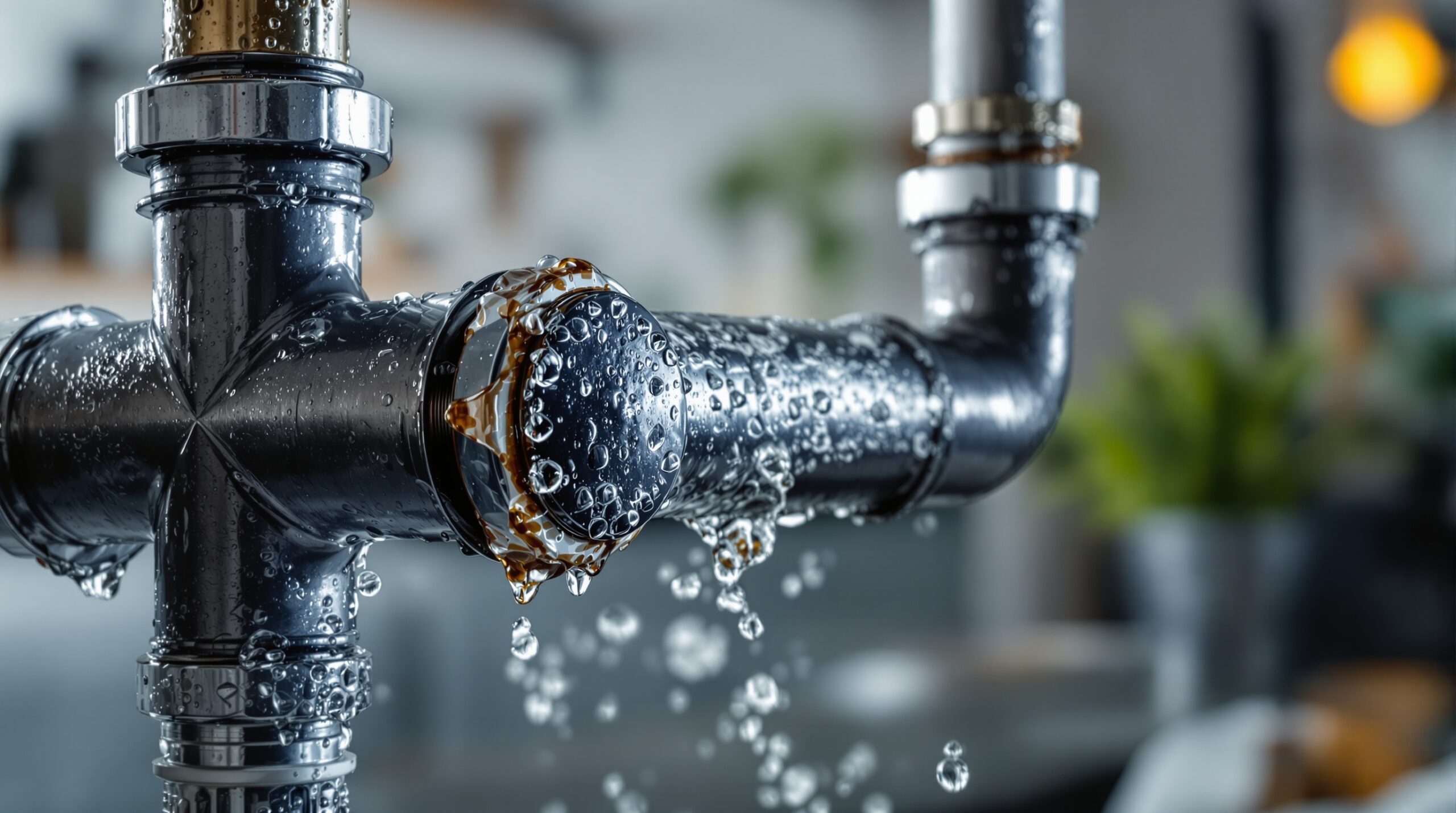
When Water Strikes: What to Do About a Burst Pipe
There’s nothing more alarming than discovering water gushing from a burst pipe, rapidly flooding your home. Imagine stepping into your basement or bathroom only to find a torrent of water, threatening to ruin not just your flooring, but also cherished family memories stored in boxes. If you live in Warwick, DE, an unexpected plumbing disaster like this can feel completely overwhelming. But fear not! By staying calm and informed, you can swiftly tackle this emergency and protect your property from devastating damage.
Stay Calm: Your First Step
It’s easy to panic when water is pouring into your home, but the first step is to take a deep breath. Anxiety can cloud your judgment, making it harder to think clearly. Remember, you’re not alone in this! Countless homeowners have dealt with similar situations and successfully managed to resolve them. With a little know-how, you can too.
Quick Reaction Can Save the Day
When a pipe bursts, quick action is essential. Knowing what to do ahead of time can make all the difference. From shutting off the main water supply to understanding how to prevent further damage, having a game plan can save your home from becoming a waterlogged nightmare.
In this complete guide, we’ll walk you through the necessary steps to take when facing the unexpected challenge of a burst pipe. Equip yourself with the knowledge you need to keep your home safe and dry!
Understanding the Signs of a Burst Pipe
Before plunging into the immediate solutions for a burst pipe, it’s crucial for homeowners in Warwick, DE to be adept at spotting the early warning signs that can prevent a full-blown disaster. Recognizing these symptoms can help you nip potential issues in the bud, avoiding the catastrophic aftermath of water damage. Just like a smoke alarm alerts you to fire, the early signs of plumbing distress can be your best defense against a plumbing nightmare.
Be Alert: Common Indicators of Pipe Trouble
| Sign | Description | Action |
|---|---|---|
| Unusual Water Pressure | If you notice a sudden drop in water pressure, it could indicate a leak or break in the system. | Check faucets and fixtures for consistent pressure. Contact a plumber if abnormalities persist. |
| Damp Patches on Walls | Visible water stains or mold growth on walls and ceilings can signal a hidden burst pipe. | Investigate the source of the moisture and consider consulting a plumber for a thorough inspection. |
| Sound of Rushing Water | Hearing water running or gushing while all appliances are off can indicate a pipe rupture. | Listen carefully and, if persistent, locate your main water valve to shut off the supply. |
| Water Accumulation | Puddles forming in strange places, especially if they seem unexplained, are a red flag. | Identify the area of concern and take immediate action to avoid further flooding. |
| Unexpected Increase in Water Bill | Finding a sudden spike in your monthly water usage can hint at a leak. | Regularly monitor your water bills and investigate significant changes. |
Being proactive rather than reactive is the key to home maintenance. By tuning into these signs, you equip yourself to take timely action. Unusual water pressure, damp patches on walls, the eerie sound of rushing water when everything is quiet, and unexpected puddles can all be your home’s way of communicating that something is amiss. If you notice an increase in your water bill beyond typical fluctuations, don’t ignore it. Each of these signs can foreshadow the potential for a burst pipe, which—if left unaddressed—can wreak havoc on your property.
Ultimately, understanding these signals allows you to make informed decisions. The sooner you act, the better positioned you’ll be to protect your home and save yourself from the chaos associated with water damage. Remember, prevention is always easier (and more cost-effective) than recovery! Once you’ve identified these indicators, you’ll be better prepared to tackle any challenges that may arise, especially when it comes to the immediate steps we’ll explore next.
Immediate Steps to Take
Once you’ve acknowledged the potential signs of a pipe burst, the clock starts ticking, and your immediate reactions can significantly mitigate the severity of the situation. The first and foremost step is to shut off the main water supply. This action halts the relentless barrage of water that can quickly transform a manageable issue into a monumental disaster. Locating the main water valve is crucial; it’s usually positioned near where the water line enters your home, in spaces like basements, crawlspaces, or near your water heater. When you turn it off, take a moment to mentally pat yourself on the back; you just took a pivotal step towards saving your home.
Next, your attention should shift to your faucets. Open them—this will allow the water remaining in the system to drain out fully. It’s a simple yet effective measure that can prevent the build-up of pressure in your pipes, providing a brief respite until the emergency is fully addressed. As the water trickles down, make it a priority to clear the affected area of any personal belongings. Move furniture, rugs, electronics, and anything else that could be damaged out of harm’s way. By doing this, you’re not only protecting your valuables but also easing your pathway for repairs and cleanup.
Safety comes first, and that means taking a moment to switch off any electrical appliances located in the affected zones. Water and electricity are a dangerous combination, and ensuring that your appliances are powered down minimizes the risk of electrical hazards. Check outlets and unplug devices where water presence is likely, relieving yourself of a another worry as you handle the aftermath of the burst pipe.
As the situation unfolds, your focus should remain on assessing and managing what you can control. By methodically shutting off the water supply, draining the system, and securing your valuables and electrical devices, you’re laying the groundwork for a successful response to the pipe burst. As every second counts, it’s these initial measures that can make a world of difference, allowing you to act confidently as you prepare to call in the professionals.
Calling in the Professionals
Once you’ve tackled those immediate remedies, it’s time to shift gears and seek the expertise of seasoned professionals. While your quick actions have undoubtedly helped, a burst pipe often requires the specialized knowledge and tools that only experienced plumbers can provide. When searching for local plumbing experts in Warwick, DE, look for those who not only have a reputation for swift response times but also boast extensive experience in handling emergency situations just like yours. In times of crisis, a quick Google search might not cut it; you’ll want to have dependable contact information for a reliable plumber readily at your disposal.
A skilled plumber can assess the situation with a keen eye, identifying the root cause of the burst and preventing it from happening again. Their familiarity with the nuances of Warwick’s plumbing infrastructure gives them an edge, allowing them to implement effective solutions tailored specifically to your home. From comprehensive inspections to precise repairs, these professionals arm you with the peace of mind that comes from knowing the problem is being handled appropriately, thus steering your home back toward safety and normalcy.
Before you find yourself in a plumbing pickle, consider investing some time into researching local plumbing companies ahead of any emergencies. Reach out to friends, family, and neighbors for recommendations, and check online reviews to gauge their reliability and customer satisfaction. It’s advisable to compile a list of emergency plumbing services and save their contact details in a convenient location—whether on your phone or on a readily visible note at home. This way, even in the stress of an emergency, you can quickly access the help you need without a moment’s hesitation.
While waiting for the professionals to arrive, remember that your role isn’t over just yet. Keep communication open with the plumber, sharing any details you gleaned about the burst and your immediate efforts to curb the damage. This collaborative approach enables swift diagnosis, allowing them to hit the ground running when they arrive. Trust in their expertise as they lead the way through the repair process, helping restore not just your plumbing, but your peace of mind.
In the world of home maintenance, having the right professionals at your fingertips can make all the difference. By calling in the specialists, you’re leveraging their years of training and experience to ensure that your home remains a safe haven, keeping potential future plumbing catastrophes at bay.
Preventive Measures to Consider
In the realm of home maintenance, the best offense is often a good defense. Investing time in routine maintenance checks with professional plumbers can form a solid foundation for preventing plumbing disasters before they occur. Much like a regular check-up at the doctor’s office, having an expert examine your plumbing system allows for early detection of weaknesses or potential issues, significantly reducing the likelihood of sudden failures that can lead to costly repairs and stress.
During these routine visits, professional plumbers will not only inspect for leaks, corrosion, or blockages but can also test the water pressure and assess the overall condition of your pipes. By exploring your plumbing infrastructure with a trained eye, they can provide valuable recommendations tailored to your specific home needs, ensuring that you’re not caught off-guard when the weather takes a turn for the worse.
| Maintenance Task | Frequency | Benefits |
|---|---|---|
| Professional Plumbing Inspection | Annually | Identifies weaknesses, prevents emergencies |
| Insulation of Vulnerable Pipes | Seasonally (before winter) | Prevents freezing and bursting |
| Drain Cleaning | Every 1-2 years | Reduces clogs and backups |
| Water Pressure Check | Every 2 years | Detects potential leaks early |
One particularly crucial preventive measure to consider, especially as harsh winters loom over Warwick, DE, is adding insulation to pipes that are prone to freezing. When the temperature drops, unprotected pipes in unheated areas—such as basements, attics, and crawl spaces—are vulnerable to freezing, leading to ice formation that puts immense pressure on the pipe walls. This pressure, in turn, can manifest as burst pipes, wreaking havoc on your home. Insulating these pipes is an effective and simple solution that minimizes this risk, safeguarding your property against the unpredictable winter elements.
Moreover, simple practices like ensuring that your home is adequately heated, even in less-frequented areas, can further enhance protective measures. Keeping the thermostat at a consistent temperature can maintain warmth in all parts of your home and prevent plumbing disasters from taking root. It’s these proactive steps—melding expert advice with personal action—that help cultivate a robust defense against potential plumbing pitfalls, allowing you to face winter confidently.
By forging a partnership with local plumbers and prioritizing regular maintenance checks, you establish a proactive approach to your home’s plumbing health. This foundational strategy not only minimizes the risk of emergencies but also empowers you with the assurance that your home’s plumbing system is functioning optimally, giving you the freedom to focus on what truly matters—enjoying the comfort of your home, rain or shine.
In times of crisis, clear thinking becomes your most valuable asset. When faced with plumbing emergencies, the lines between panic and prudent action can easily blur. As such, knowing what _not_ to do is equally crucial as knowing the correct steps to take. For homeowners caught in the storm of a plumbing disaster, it’s important to recognize how certain missteps can exacerbate situations rather than mitigate them.
First and foremost, avoid the temptation to conduct complex repairs yourself if you lack the necessary plumbing knowledge. It might seem innocuous to twist a valve here or seal a leak there, but without a thorough understanding of plumbing systems, such actions can lead to an unintended escalation of the problem. Rather than stopping the leak, you risk creating further issues, like additional leaks or significantly damaged plumbing infrastructure. Always remember: when in doubt, call a professional. They carry the expertise and tools needed to diagnose and resolve the situation effectively.
Another critical misstep to avoid during an emergency is using heating appliances near burst pipes in an effort to expedite drying. While intuitively this might seem like a sound strategy, introducing heat to an area that’s already compromised can create a hazardous situation. Excessive heat can exacerbate the damage, and if there’s any residual water in the vicinity, it can lead to mold growth or even electrical hazards. Instead, focus on controlling the situation—turn off the water source to prevent further flooding, and ensure professional help is on the way.
As you navigate these trying circumstances, keep in mind that your first steps can determine the extent of the damage. Avoid panic-driven reactions; choose instead to take a measured approach. Document the incident by taking photographs for record-keeping and insurance purposes while awaiting help. This not only aids professionals in assessing the damage but also builds a clear timeline of the event—a vital component of any home emergency plan.
By remaining calm and adhering to these avoidance guidelines, emergency situations can be managed much more effectively. Familiarize yourself with your home’s plumbing layout and know where shut-off valves are located. Having this knowledge handy in a crisis can not only save moments but potentially save your home from substantial damage.
In conclusion, as you prepare for potential emergencies, remember: a proactive mindset paired with knowledge is your greatest ally. Retreating to a ‘do-it-yourself’ mentality in the heat of the moment can lead to bigger headaches down the road. Empower yourself by understanding the boundaries of your skills and knowing when to seek professional assistance. Equipping your home with preventive measures and mental preparedness can transform what might be a chaotic event into a manageable situation, allowing you to efficiently safeguard your home from water damage.
When the dreaded day arrives and pipes burst, understanding the underlying causes can shed light on how to prevent such disasters from occurring in the first place. One of the most common culprits is the unforgiving grip of cold weather. When temperatures plunge, the water trapped within pipes can freeze, leading to an expansion of ice that places immense pressure on the plumbing system. Often, it’s the weakest point of the pipe that succumbs to this pressure, resulting in unsightly and damaging bursts. As a homeowner, it’s essential to know where your pipes are most vulnerable to cold and take proactive steps to insulate them, especially in unheated areas like basements and attics.
Beyond the frosty winters, another factor contributing to this maddening reality is pressure build-up within your plumbing system. Various scenarios—such as rapid water flow changes, obstructions, or malfunctioning valves—can lead to a sharp increase in pressure, creating a recipe for disaster. It’s critical for homeowners to invest in pressure regulators for their main systems, especially in regions where water pressure is notoriously high. Regular checks can prevent overwhelming stresses on the piping, complicating an already precarious situation.
Aging pipes also play a significant role in the propensity for bursts. Over time, even the sturdiest plumbing materials may weaken, corrode, or deteriorate. Rusty pipes, particularly in older homes, are more susceptible to cracks and leaks, further escalating the risk of catastrophic failure. Routine maintenance checks and timely replacements of worn-out pipes can immensely prolong the life of your plumbing system, ensuring that it remains reliable and efficient.
In the unfortunate event of a burst pipe, it’s imperative to know when to call in the experts. Taking immediate action to mitigate damage is crucial. If you notice water pooling or hear a strange gushing sound, don’t hesitate to shut off the main water supply and call a plumber straight away. Waiting too long to seek professional help can exacerbate the problem, leading to potentially extensive damage, further complicating repairs and possibly jeopardizing the structural integrity of your home. Remember, time is of the essence, and timely intervention can save you from additional losses.
Fortunately, it’s possible to fortify your home against future plumbing adversities. Simple preventive measures can go a long way in protecting your pipes. Insulating vulnerable areas is critical. Foam pipe insulation sleeves and heat tape can ward off ice formations during colder months. Moreover, maintaining a consistent temperature in your home, even during winter, helps keep the pipes warm—a crucial factor in preventing freezing. Regular inspections of your plumbing system—looking for visible leaks and checking water pressure—can aid in early detection of potential issues before they spiral into emergencies.
Lastly, teaching each member of your household about plumbing basics, like where the shut-off valves are located and the signs of potential plumbing failures, can arm your entire family with the knowledge needed to act decisively during emergencies. Awareness is the first step toward prevention, ensuring everyone is prepared should adversity strike.
When it comes to plumbing emergencies like burst pipes, the old adage rings true: “an ounce of prevention is worth a pound of cure.” The importance of being ready is even more pronounced in communities like Warwick, DE, where homeowners should not only anticipate the possibility of plumbing problems but also be equipped with knowledge and resources to manage them effectively. Knowing how to act in the heat of the moment is key to protecting your home from water damage—ensuring you don’t turn a minor mishap into a major catastrophe.
Avoiding panic is essential, but you also want to have a structured emergency action plan within arm’s reach. Create a clearly defined checklist with immediate steps to take in case of a plumbing emergency. List key actions such as quickly locating and shutting off your main water valve—this can make a world of difference in halting further water flow and minimizing damage. Having this guide printed out and posted near your water shut-off valve can serve as a crucial reminder in those frantic moments. Where possible, enroll in a local home handyman course; gaining basic plumbing knowledge can give you confidence and understanding in emergencies, enabling you to execute those critical first steps effectively.
Moreover, water damage can escalate alarmingly quick. As soon as you shut off the water, notify a professional plumber promptly. They can not only address the immediate plumbing crisis but also help assess any underlying issues that may have contributed to the failure in the first place. It’s important to understand that while temporary fixes might ease your stress in the moment, lasting solutions come from expert insights. Involving professionals does not only bring peace of mind but ensures that long-term repairs are implemented efficiently and effectively.
Regular preventive maintenance is one of the best armor pieces against unexpected plumbing emergencies. Schedule routine inspections with your local plumbing service in Warwick, DE, aimed at identifying potential threats before they become problems. Small issues like minor leaks, corrosion, or even aging pipes can snowball into more serious concerns if left unchecked. Regular maintenance ensures that your plumbing infrastructure remains solid, functionally sound, and ready to weather any storm.
In addition to professional insights, consider equipping your home with proper plumbing accessories like leak detectors and automatic shut-off valves. Such upgrades provide an added layer of security, alerting you to leaks in real-time, allowing swift action before more extensive damage ensues. This is especially crucial in homes where pipes are hidden behind walls or under floors, their deterioration often going unnoticed until it’s too late.
Ultimately, emergencies demand not just swift actions but also a reservoir of knowledge and resources. Maintaining a proactive approach by keeping emergency contacts at hand, understanding your home’s plumbing layout, and committing to regular inspections will make a significant difference in mitigating damage. This proactive stance transforms unpredictable plumbing emergencies into manageable moments, allowing you a greater sense of control over your home and its wellbeing. Because while you can’t predict every leak or burst pipe, you can certainly prepare for the unexpected, emerging from crises empowered and ready to act, and your home—well safeguarded against the unwanted threat of water damage.