
Welcome to a Smooth-Running Home
Your plumbing system is the heart of your home. It works behind the scenes every day, ensuring that you can drink water, take showers, and wash your clothes without a hitch. Imagine your life without these simple comforts—no hot water for a relaxing bath or a clean glass of water from the tap. Sounds rough, right? That’s why it’s so important to take good care of your plumbing!
Just like taking care of your favorite toy or bike, keeping your plumbing system in tip-top shape means checking and maintaining it regularly. A little attention can go a long way in preventing future headaches. The best part? You don’t have to be a plumbing expert to do it! This guide will share easy and practical tips specifically for residents of Blackbird, DE, helping you keep things flowing smoothly in your home.
Why Maintenance Matters
When your plumbing is running efficiently, you probably don’t think about it much. But neglect it, and you might find yourself with unwanted surprises like a leaky faucet or a clogged drain. Yikes! Nobody wants to deal with that. The good news is that regular checks can help you avoid annoying plumbing problems, letting you enjoy a worry-free home.
So, grab a notepad and get ready to discover how to nurture your plumbing system. With a bit of care, you’ll ensure that your home runs as smoothly as a well-oiled machine. Let’s dive in!
Understanding Your Plumbing System
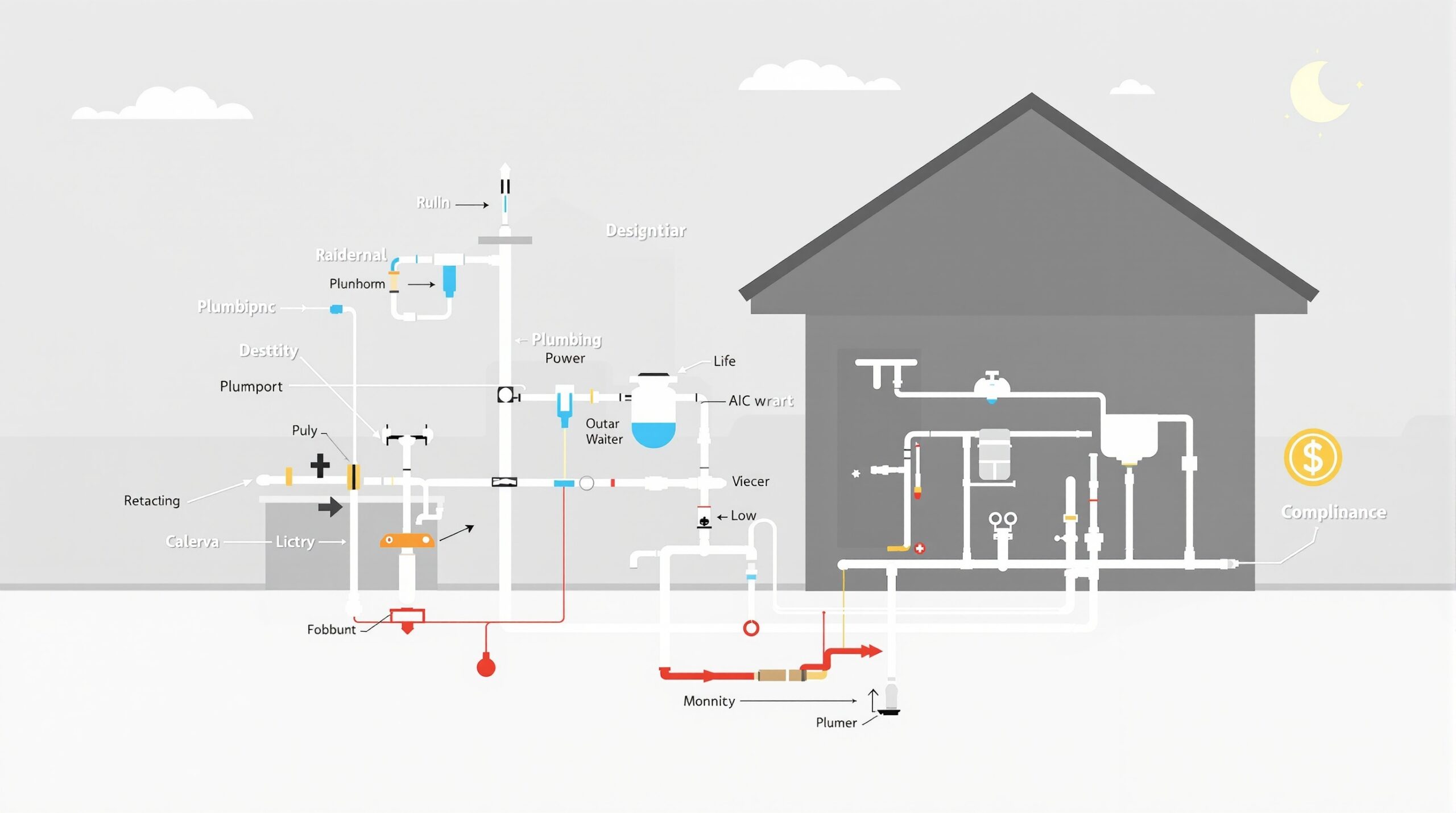
To truly care for your plumbing system, you first need to understand what makes it tick. Think of your plumbing as a complex network, where every pipe, fixture, and fitting has a vital role to play. Gaining a basic understanding of these components not only empowers you to spot potential issues but also helps you appreciate how they all work harmoniously together. Let’s break it down!
Pipes: At the core of your plumbing system are the pipes themselves, which transport water throughout your home. Different pipes serve different functions: supply pipes bring clean water in, while waste pipes carry used water out. It’s crucial to know the materials of your pipes (like PVC, copper, or PEX) as they vary in durability and need different care.
Fittings: These are the connectors that join your pipes. Whether they are elbows, tees, or couplings, fittings are essential for directing water flow and ensuring a tight seal. A malfunction or a weak joint here can lead to leaks, so understanding their function will help you recognize when to tighten or replace them.
Fixtures: Fixtures are what you interact with daily—sinks, toilets, showers—they are the face of your plumbing system. Each fixture comes with its own set of maintenance needs, from regularly cleaning aerators on faucets to checking for flushing inconsistencies in your toilet. Knowing how these fixtures work will enable you to diagnose issues more easily.
| Component | Function | Maintenance Tip |
|---|---|---|
| Pipes | Transport water in and out of your home. | Inspect for signs of corrosion or leaks. |
| Fittings | Connect different sections of pipes. | Tighten loose fittings and check for leaks. |
| Fixtures | Faucets, toilets, and showers you use daily. | Clean aerators and check for steady water flow. |
Once you become familiar with these components, you’ll be better equipped to identify early warning signs of trouble. A dripping faucet? It could be a loose fitting. Low water pressure? It might point to a clog somewhere in your pipes. With this knowledge, you’re already one step closer to taking proactive steps in maintaining your plumbing.
Now, grab your toolkit, because the next section will provide you with some fantastic preventative maintenance tips to keep your plumbing system in prime condition!
Preventative Maintenance Tips
Routine inspections can help identify minor issues before they escalate into costly repairs. Your plumbing system deserves a little time and attention—after all, it works tirelessly behind the scenes to ensure your home runs smoothly. To keep everything flowing freely, consider these essential preventative maintenance tips:
1. Check for Leaks Regularly: Make it a habit to inspect your home for signs of leaks. Keep an eye out for water stains on ceilings and walls, damp spots around your fixtures, or a sudden spike in your water bill, which can indicate a hidden leak. Remember that leaks can occur in the least expected places—like under sinks or behind appliances—so a thorough inspection is key.
2. Inspect Your Water Heater Annually: Your water heater plays a crucial role in your plumbing system, and it deserves a little TLC! Check the temperature setting; it should be set to around 120 degrees Fahrenheit for optimal performance and safety. Additionally, flush the tank annually to remove sediment buildup, which can affect efficiency and prolong its life. Make sure to also check the pressure relief valve to ensure it’s functioning correctly—this is a vital safety feature!
3. Clean Faucet Aerators and Showerheads: Over time, mineral deposits can accumulate in faucet aerators and showerheads, leading to reduced water flow or uneven pressure. To keep them in tip-top shape, remove the aerator or showerhead, soak them in a vinegar solution for a few hours, then scrub with a soft brush to dislodge any debris. This simple cleaning routine can significantly enhance your water flow and overall water experience.
4. Maintain Your Drains: Clogged drains are a common issue that can create significant headaches if left unnoticed. To prevent build-up, make a point to regularly clean your drains. You can use a mixture of baking soda and vinegar, followed by hot water, to keep clogs at bay—a natural method that also helps eliminate odors. Additionally, use drain screens to prevent hair and debris from accumulating in the first place.
5. Check Toilet Flush Mechanisms: Toilets can often exhibit subtle warning signs before issues become major problems. If you notice a toilet that is consistently running or has weak flushing power, it may be time to inspect the internal parts. Check the flapper and the fill valve for wear and tear – these components should be replaced every few years or as needed to ensure your toilet functions properly.
6. Insulate Pipes: If you live in an area that experiences freezing temperatures, protecting your pipes from the cold is crucial. Insulating pipes with foam or wrapping them can prevent them from bursting during harsh winters, saving you from potential damage. Be sure to pay special attention to any exposed plumbing in unconditioned spaces like basements or crawlspaces.
Taking these preventative steps can help you avoid plumbing disasters and enhance the longevity of your system. Tempting as it may be to overlook the plumbing in favor of more glamorous home projects, remember that investing a little time now can save you hassle later. So, roll up your sleeves and get started on these simple tasks—you’ll thank yourself when your plumbing system is functioning at its best!
DIY Tips for Plumbing Care
While some plumbing issues are best left to the professionals, there’s a seasoned DIY spirit in tackling minor maintenance tasks that can keep your plumbing system in prime condition. Handy homeowners can arm themselves with a few essential techniques, which not only nurture longevity but also empower a sense of achievement. Here’s a guide to handling some common plumbing challenges on your own, ensuring a smoothly flowing home and a sense of satisfaction with every successful fix.
1. Unclogging Drains Naturally: Beware of reaching for chemical drain cleaners; they can do more harm than good to your pipes and the environment. Instead, consider natural alternatives. For persistent clogs, start by pouring a pot of boiling water down the drain. Follow this with a generous half-cup of baking soda, allowing it to sit for a few minutes. Next, chase it down with a cup of vinegar and seal the drain with a plug or cloth. The bubbling reaction can loosen grime and buildup; finish with another round of hot water to clear the way. Regularly performing this natural method can greatly extend the life of your plumbing.
2. Tackling Minor Leaks: A small leak can quickly escalate into a major issue if ignored, but fixing minor leaks can often be a straightforward task. Start by identifying the source of the leak, usually found at joints or around fixtures. For a leaky faucet, you can often fix it by tightening the handle or replacing a worn-out washer. For pipe leaks, apply plumber’s tape generously to the threaded area. If you discover a leak in a connection, gently tighten the nuts but be cautious not to overdo it, as this could cause more harm than good. With patience and attention, many minor leaks can be resolved safely and effectively.
3. Replacing Fixtures with Ease: If you’ve got a sink, toilet, or faucet that’s seen better days, replacing it can reinvigorate your plumbing. Start by turning off the water supply to the respective fixture, and drain any remaining water. Review the manufacturer’s instructions—it’s often simpler than you might imagine! From removing old fixtures (likely requiring a simple twist or screw removal) to installing the new fixture (most simply snap in place or connect via a few screws), this DIY task can refresh not only your plumbing but also your space. Ensure you use the right-sized fittings and seals for a watertight installation.
4. Using Drain Screens and Strainers: Prevention is always better than cure, and employing drain screens and strainers can drastically reduce the chances of clogs. These handy devices catch hairs, food particles, and debris before they have a chance to slip down your drain. Make it a habit to clean them out periodically, keeping your drains clear and reducing the need for regular unclogging. You’ll find this small step can lead to significant improvements in your plumbing maintenance.
5. Know When to Ask for Help: While the DIY spirit can empower you to tackle various plumbing tasks, recognizing your limits is crucial. If you encounter a deeper issue, such as persistent leaks or severe clogs that refuse to yield, it’s wise to reach out to a plumbing professional. They’ll have the tools and expertise to handle complex undertakings safely, ensuring your plumbing system is in good hands.
With just a few tools and a bit of motivation, taking on these DIY plumbing tasks can save time and keep your home functioning seamlessly. Remember, even the simplest maintenance can lead to a happier, healthier home. So roll up your sleeves, gather your tools, and set out on an empowering journey to master your plumbing system!
Seasonal Plumbing Tips for Blackbird, DE Residents
As the seasons change in Blackbird, Delaware, so do the plumbing challenges that homeowners face. Every year, the transition from crisp autumn air to the biting chill of winter, followed by the refreshing warmth of spring and the heavy humidity of summer, brings unique considerations for your plumbing system. Below are some essential seasonal tips to help you stay ahead of potential plumbing problems throughout the year.
Winter: Prepare for the Freeze
When the temperatures drop in Blackbird, it’s crucial to take steps to prevent your pipes from freezing. Insulating your pipes can save you from potential bursts and costly water damage. In addition to using pipe insulation, consider the following tips:
- Keep the Heat On: If you plan to leave your home for an extended period, maintain a consistent temperature to deter freezing.
- Open Cabinet Doors: Allow warm air to circulate around your plumbing, especially in areas with exposed piping.
- Let the Faucets Drip: Turning on your faucets to a slow drip can relieve pressure and prevent freezing.
Spring: Check for Thawing Issues
As the snow melts and the weather warms, it’s time to check for any damage that may have occurred during the winter months. Inspect your hose bibs and outdoor spigots for leaks. Don’t forget to:
- Clear Gutters and Downspouts: Spring rains can lead to flooding; ensure that your gutters are clear of debris to lead water away from your foundation.
- Test Your Sump Pump: Spring often brings rain, and a properly functioning sump pump can prevent basement flooding.
Summer: Combat Humidity and Excess Water
The summer months in Blackbird can bring heat and humidity paired with heavy rain storms. Taking precautionary measures can help manage moisture levels in your home:
- Check for Basement Humidity: Use a dehumidifier to keep moisture levels at bay, preventing mold growth and structural damage.
- Inspect Irrigation Systems: Ensure that your irrigation systems are efficiently watering your garden without over-saturating your yard.
Fall: Prepare for the Freeze Ahead
As the leaves fall and the temperature begins to dip, take the opportunity to winterize your plumbing:
- Drain Garden Hoses: Before the first frost, disconnect and drain garden hoses to prevent damage.
- Schedule a Plumbing Inspection: Consider having a professional inspect your plumbing systems before winter approaches to catch potential issues.
Seasonal Maintenance Checklist
| Season | Task |
|---|---|
| Winter | Insulate pipes, open cabinet doors, let faucets drip |
| Spring | Inspect spigots, clear gutters, test sump pump |
| Summer | Use dehumidifiers, check irrigation systems |
| Fall | Drain garden hoses, schedule plumbing inspections |
By paying attention to seasonal changes and adjusting your plumbing maintenance accordingly, you can avoid many of the common headaches that arise with a shifting environment. Keeping a proactive approach will not only safeguard your home but also provide peace of mind, allowing you to enjoy the beauty of Blackbird’s seasonal transformations without worry. Remember, staying ahead of plumbing issues can be as simple as being mindful of the seasons.
While the seasonal tips provided above are essential for maintaining a healthy plumbing system, there comes a time when even the most diligent DIY enthusiast must acknowledge the limits of their expertise. Understanding the right moment to call in the professionals is critical in ensuring that your plumbing remains in top condition. There are distinct signs that indicate your plumbing troubles require the skilled touch of a local expert. Ignoring these signals can lead to compounded issues that may ultimately disrupt your daily life.
One of the most telling signs to seek professional help is consistent slow drainage throughout your home. While a clogged drain can often be remedied with a plunger or a concoction of baking soda and vinegar, persistent slow drainage typically points to deeper issues within your plumbing system. Hair, debris, and even tree roots can create blockages in the pipes that are well beyond the reach of DIY remedies. Calling a professional plumber prevents damaging the pipes further and ensures that the root cause of the slow drainage is addressed effectively.
Another clear indicator it’s time to call an expert is when you notice unexplained fluctuations in water pressure. If your shower suddenly goes from a gentle spray to an unexpected blast, or if your faucets start to sputter, these inconsistencies are not just nuisances, but potential warnings of plumbing problems. Low water pressure might indicate leaks or issues with your system’s supply lines, while sudden increases can suggest problems with pressure regulators or blocked fixtures. A seasoned plumber can diagnose and resolve these issues, restoring consistent pressure throughout your home.
Additionally, unusual sounds coming from your plumbing—such as loud banging, gurgling, or hissing—should never be ignored. These noises are often the result of air trapped in pipes, faulty valves, or other underlying issues. An experienced plumber has the tools and knowledge necessary to identify the source of these sounds and take appropriate action, averting more significant problems that could arise if left unaddressed.
Lastly, if you notice frequent backups in your drains or toilets, opting for a professional assessment is essential. Regularly occurring clogs may suggest problems deeper in the sewer line that a plunger or liquid drain cleaner simply won’t resolve. Professionals have specialized equipment, such as video cameras, to inspect and identify the specific location and cause of such blockages, ensuring a permanent fix.
In sum, while being proactive about plumbing maintenance with simple DIY tasks is important, recognizing when to seek help from a professional can spare you from extensive damage and repair costs in the long run. For Blackbird residents, balancing personal efforts with professional assistance can keep your plumbing flowing smoothly, allowing you to fully enjoy the advantages of a well-maintained home.
Knowing the right information can make a world of difference when it comes to plumbing maintenance. As such, we’ve compiled a list of frequently asked questions (FAQs) to address some common plumbing concerns. This resource is designed to empower you with knowledge, ensuring that you’re well-equipped to manage both routine tasks and unexpected plumbing dilemmas.
How often should I inspect my plumbing? Conducting a thorough inspection at least once a year is essential. Just like you change the oil in your car or get regular check-ups at the doctor, your plumbing needs similar attention. Look for signs of leaks, corrosion, and other issues, and always keep an eye on fittings, hoses, and pipes, particularly in older homes. Regular inspections can help you catch potential problems before they escalate into major repairs.
Can I use chemical drain cleaners? It’s advisable to avoid them; opt for natural solutions instead. While these chemical solutions seem convenient for clearing blockages, they can actually cause significant damage to your pipes over time. The harsh chemicals can corrode the interior surfaces of pipes, leading to leaks and further complications. Instead, choose natural alternatives or simply make use of a trusty plunger or snake for minor clogs—your plumbing will thank you!
What should I do in case of a burst pipe? First and foremost, turn off the main water supply to your home immediately to prevent further flooding and damage. Next, contact a plumber right away. A burst pipe can cause not only significant water loss but also create opportunities for mold growth and structural damage. Quick action is essential to minimize the potential harm caused by such an unfortunate event.
By familiarizing yourself with these FAQs, you’re better prepared to address common plumbing challenges. Whether it’s proactively checking your system or knowing when to call for help, this knowledge is invaluable. Keep these tips close at hand as you work toward mastering your plumbing system and maintaining a healthy home!
Now that you understand the importance of seeking professional plumbing help when necessary, let’s delve deeper into some proactive measures you can take to maintain your plumbing system effectively. Keeping your plumbing flowing smoothly is not just about fixing issues as they arise, but also about implementing preventative strategies that safeguard against future problems.
Regular maintenance is the cornerstone of a healthy plumbing system. Start with a simple monthly check-up: verify that your faucets are tight and drip-free, inspect under sinks for any signs of leaks, and ensure that all fixtures are functioning correctly. This routine not only helps in identifying potential concerns early on but also fosters a sense of ownership over your home—a crucial aspect of being a proactive homeowner.
Don’t underestimate the power of simple household items—drain strainers can be a game-changer. Placing these in sinks, showers, and tubs catches debris and hair that would otherwise go down the drain, significantly reducing the chances of clogs. Cleaning your strainers regularly is an easy yet effective step to take in keeping your plumbing flowing freely.
Moreover, be mindful of what goes down your drains. Avoid pouring fats, oils, or grease into the sink, as these can accumulate and solidify, leading to significant blockages. Instead, dispose of these substances in the trash or compost where possible. Regularly flushing your drains with hot water can also help dissolve any minor buildup, keeping things moving smoothly.
Another critical aspect of plumbing maintenance is the inspection of your home’s water heater. This often-overlooked appliance can be a source of unexpected plumbing issues if not cared for properly. Regularly check the temperature setting, keep the area around the unit clear, and consider scheduling periodic flushes to remove sediment buildup. Doing so not only optimizes efficiency but also extends the life of your water heater, contributing to a more reliable plumbing system overall.
Furthermore, understanding your plumbing system’s layout is beneficial for preventive maintenance. Familiarize yourself with the locations of shut-off valves, cleanouts, and your main sewer line. In an emergency, this knowledge can save you valuable time and prevent further damage to your home. If you are uncertain about any aspects of your plumbing, don’t hesitate to ask a professional for guidance or to help create a maintenance plan tailored to your home.
Finally, consider seasonal preparations as part of your plumbing care routine. As the weather changes, being proactive can prevent seasonal plumbing woes. For instance, as winter approaches, ensure that exterior pipes are insulated to prevent freezing. In the spring, after the thaw, check for leaks that may have occurred during the colder months. A little foresight can go a long way in ensuring a hassle-free plumbing experience.
By integrating these proactive strategies into your routine, you create a plumbing environment that is less susceptible to issues down the line. Blackbird residents can truly enjoy peace of mind knowing that they are caring for their homes with diligence and foresight. Embrace a philosophy of preventive maintenance, combining your DIY efforts with expert support when needed, to ensure your plumbing system continues to flow smoothly for years to come.