
A Clog-Free Home is a Happy Home
Imagine this: you’re relaxing at home after a long day, and suddenly you notice your sink is draining slowly. Before you know it, you’re dealing with funky smells and a messy spill. Clogged drains can turn any peaceful day into a chaotic one, and nobody wants that! Understanding the importance of maintaining clear drains is vital for homeowners in Townsend, DE.
Why Clear Drains Matter
When drains get clogged, they don’t just cause annoying backups; they can also lead to costly repairs in the future. Staying ahead of these problems means you can enjoy your home without the headache of unexpected plumbing issues. The good news is that avoiding clogged drains is totally doable! With a few simple habits and some awareness, you can keep your drains flowing smoothly year-round.
In this article, we’ll uncover practical tips and strategies that every Townsend homeowner can implement, ensuring a tidy, trouble-free home. So, let’s dive in and learn how to keep those pesky clogs at bay!
Routine Maintenance: The Cornerstone of Clog Prevention
Now that we understand the importance of clear drains, let’s talk about one of the simplest yet most effective ways to prevent clogs—routine maintenance. Just like changing your oil in the car or dusting the shelves, maintaining your drains should be an integral component of your housekeeping routine. Regular cleaning doesn’t just keep your pipes clear; it also prolongs the life of your plumbing, ensuring a smooth flow for all your household needs.
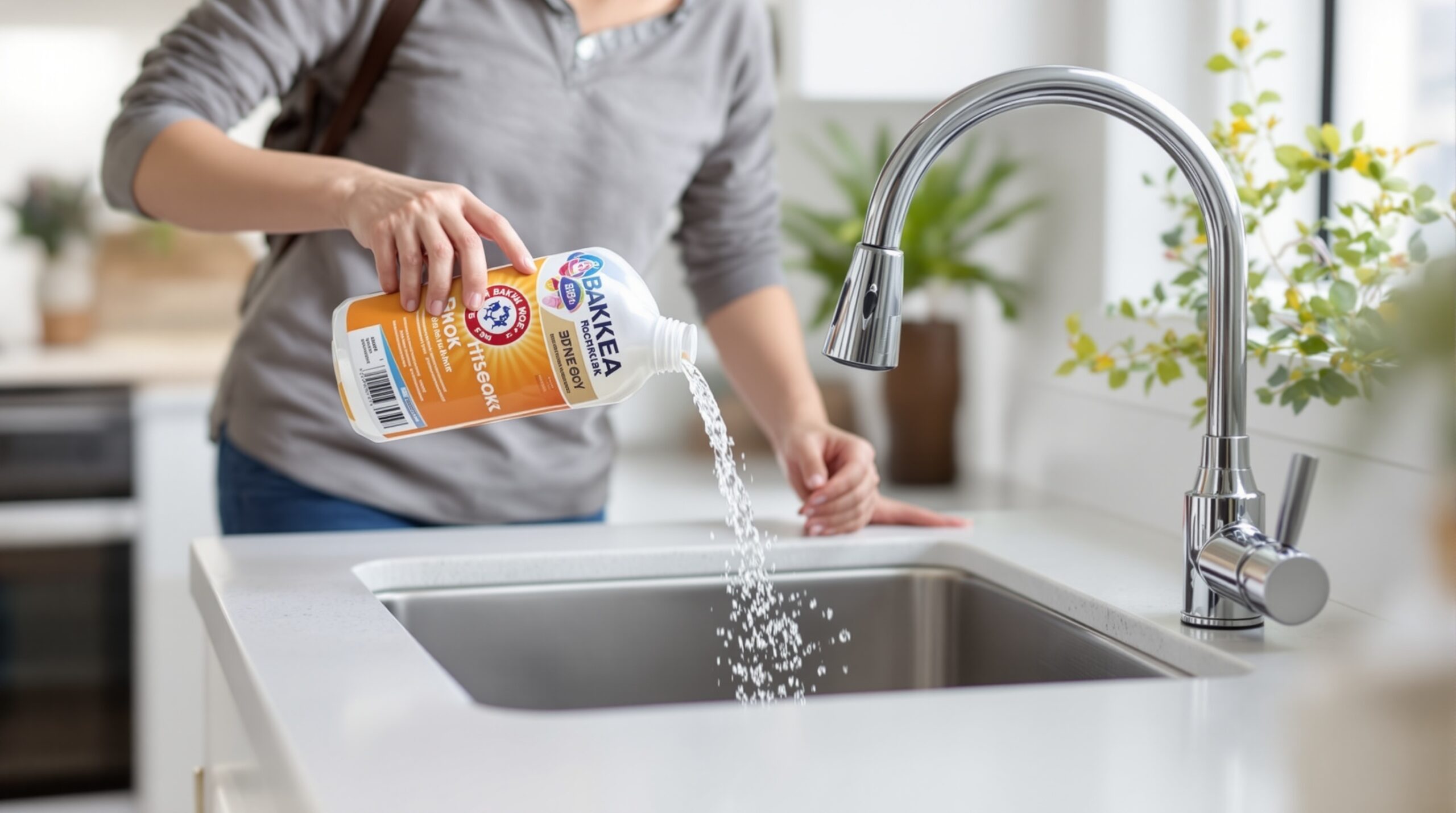
One of the easiest home solutions for flushing away minor buildup involves the dynamic duo: baking soda and vinegar. This natural concoction is not only eco-friendly, but it also packs a powerful punch against grime and sludge. Simply pour a half-cup of baking soda followed by a half-cup of vinegar down the drain. Allow it to fizz and work its magic for about 30 minutes, then flush with hot water. This monthly practice will keep your drains clear and prevent the buildup of hair, soap scum, and grease.
Incorporating this simple ritual into your monthly routine can yield optimal results and give you peace of mind. It’s a small investment of time that pays off significantly in the long run. But it doesn’t stop there—let’s take a look at some other critical habits that can help you maintain your drains effectively.
| Routine Maintenance Tips | Frequency | Benefits |
|---|---|---|
| Baking Soda and Vinegar Treatment | Monthly | Prevents buildup of debris and odors |
| Clear out hair and debris from sink traps | Monthly | Reduces blockage risk |
| Run hot water down the drain after each use | After each use | Flushes away residual buildup |
| Check and clean garbage disposal | Monthly | Maintains disposal efficiency and reduces odor |
These practical habits are straightforward and can be seamlessly integrated into your existing cleaning schedule. Remember, a proactive approach to drain maintenance can prevent unwelcome surprises and keep your home running smoothly.
In conclusion, while fixing a clogged drain may feel like a daunting task, the reality is that a little effort in routine maintenance can go a long way. By adopting these easy, natural cleaning methods and making them a part of your household rituals, you can contribute to a happy, clog-free home!
Prevention Through Flushing Habits
While routine maintenance plays a crucial role in sustaining clear drains, another pillar of prevention lies in establishing mindful flushing habits. It’s important to remember that not all flushing action is equal; how you use your plumbing system can significantly affect its longevity and functionality. Responsible water use doesn’t just keep your plumbing happy—it helps you foster an eco-conscious household, too.
The volume of water you use can strain your plumbing systems, leading to increased wear and tear and a higher likelihood of clogs. Being mindful of your flushing habits can go a long way in preserving the integrity of your pipes. For instance, it’s wise to flush only when necessary. Giving those toilet handles a rest will conserve water and reduce the stress on your plumbing structure. Limiting flushing to essential instances not only saves water but also lessens the chances of sediment building up and causing disruptions down the line.
Moreover, it’s essential to understand the impact of what goes into your toilets. Flushing inappropriate materials is a cardinal sin when it comes to plumbing. Items like wipes, even those labeled “flushable,” along with paper towels, cotton swabs, and feminine hygiene products can wreak havoc on your drains, leading to stubborn blockages that are not only inconvenient but can also necessitate costly repairs. Many people underestimate the havoc that non-degradables can wreak when introduced into a plumbing system designed for waste and toilet paper alone. They often expand or bind together, creating an impenetrable mass that ordinary plumbing solutions can’t readily address.
So what’s the best course of action? Establish a well-signposted bin system in the bathroom layout to encourage the disposal of inappropriate materials. Setting a visible trash can with a lid can serve as a constant reminder that only bodily waste and toilet paper belong in the toilet. By promoting this simple yet effective policy, everyone in your household can contribute to a more efficient plumbing system.
In addition to this, encourage the ritual of pre-flushing checks before the final flush. It’s worth taking a moment to ensure there’s nothing in the bowl besides what’s meant to go there. A little vigilance can prevent a world of trouble later on.
In conclusion, while we often think that our plumbing systems are infallible, they are ultimately only as good as the habits we cultivate. By incorporating responsible flushing practices into your daily routine, safeguarding against inappropriate materials, and maintaining an awareness of water usage, you can substantially strengthen your home’s plumbing system and contribute to a smoother, more sustainable household experience.
Be Mindful of Kitchen Practices
While being vigilant about flushing habits is essential, it’s equally crucial to extend that mindfulness into the heart of your home: the kitchen. Our culinary sanctuaries, where meals transform into cherished memories, can also become the frontline of drain disasters if we’re not careful. Grease and leftover food particles can easily find their way into your kitchen sink, creating blockages that lead to headaches down the line, so let’s focus on smarter kitchen practices that promote a healthy plumbing environment.
First and foremost, let’s talk about grease. It may be tempting to pour leftover cooking oil or fatty liquids down the drain because of the seeming convenience, but this is a recipe for disaster. Grease can solidify in your pipes, creating stubborn clogs that can disrupt your plumbing and lead to significant issues. Instead, opt for a more responsible disposal method: once the oil cools, pour it into a sealable container and toss it in the trash. This simple switch not only protects your plumbing but also aligns with eco-friendly practices, as many waste management facilities can recycle used oils. Make it a routine to keep a designated jar or bottle handy for this very purpose, and watch your plumbing problems dwindle.
Additionally, adopting the use of strainers over your sink drains is a game-changer. These humble devices are effective barriers, designed to catch errant food debris before they have a chance to enter your plumbing system. Whether it’s scraps of vegetable peels, bits of pasta, or accidental crumbs, having a strainer in place takes seconds to install but reaps years of benefits. Periodically clean out the strainer to keep it free from buildup, and remind others in the household that it’s an easy step they can take to help maintain functionality in the kitchen.
Encouraging mindful practices in the kitchen sets the tone for all home cooking experiences. Teach your family to scrape plates into the trash or compost bin before rinsing them — not only does this prevent food from washing down the drain, but it also serves as an excellent opportunity to cultivate awareness about food waste and sustainability. Empowering household members to take part in these efforts amplifies the positive effect on your plumbing while encouraging environmentally responsible behaviors.
In a world of convenience, it’s easy to overlook the long-term implications of seemingly harmless kitchen habits. Yet, small choices have a monumental impact on our plumbing systems. By promoting responsible disposal methods for grease, utilizing strainers, and fostering a culture of mindfulness in the kitchen, we pave the way for a harmonious living space that stands the test of time — and ensures that our plumbing remains as dependable as ever.
The Role of Outdoor Plumbing
While we often focus on the indoor mechanics of our plumbing systems, it’s equally important not to overlook the outdoor components that play a crucial role in maintaining a smoothly functioning home. In Townsend, homeowners are often graced with the beauty of trees that provide shade and aesthetic value. However, these magnificent giants can pose serious risks to our outdoor plumbing systems, particularly affecting drains and gutters when the leaves begin to fall or during stormy weather.
Routine maintenance of outdoor drains, gutters, and downspouts is imperative to prevent leaves, twigs, and other debris from obstructing water flow. An unobstructed drainage system ensures that water is directed away from your home’s foundation, preventing potential water damage and other costly issues. Make it a habit to inspect these areas regularly—preferably once a month—especially during the changing seasons when nature has a tendency to shed its foliage. Look for signs of blockage and be prepared to clear out any accumulated debris; those few minutes can save you from major problems down the line.
To further bolster your outdoor plumbing defenses, consider installing grates over drain outlets. These protective measures not only keep larger debris at bay but also facilitate easier cleaning. With grates in place, routine maintenance becomes significantly more manageable—simply lift them, clear out any build-up, and replace. This simple addition grants peace of mind during heavy rains and storm seasons, allowing you to enjoy the natural beauty around your home without fretting over flooding or water damage.
Here’s a quick reference guide to maintain your outdoor plumbing:
| Task | Frequency | Tips |
|---|---|---|
| Inspect outdoor drains | Monthly | Look for leaves, mud, and small debris. Clear as needed. |
| Clean gutters and downspouts | Seasonally | Use a ladder carefully and remove any blocked material. |
| Install grates over drains | Once | Choose durable materials that resist rust or corrosion. |
| Check for proper drainage | After heavy rain | Watch for pooling water near your home; this could indicate a blockage. |
Adopting these outdoor plumbing care practices can greatly enhance the longevity and performance of your home’s drainage systems. Remember, prevention is always more effective—and less stressful—than dealing with the aftermath of clogs and flooding. With your outdoor plumbing in top shape, you’ll not only protect the integrity of your home’s structure but can also relish in the beauty of your natural surroundings. Don’t wait for a problem to emerge; stay ahead of it by investing time in your outdoor plumbing efforts today.
As diligent as you may be in your upkeep, there comes a time when the expertise of a seasoned plumber becomes invaluable. While minor clogs can often be addressed with a simple plunger or a bit of elbow grease, more complicated issues can quickly escalate into major headaches if left unaddressed. Recognizing when to call in the professionals is key to safeguarding your home’s plumbing and your peace of mind.
So, when should you pick up the phone and call a plumber in Townsend? Pay close attention to warning signs that suggest your plumbing system requires expert intervention. For instance, if you find that water drains slowly, even after clearing visible blockages, it may indicate a deeper issue lurking within the pipes. Particularly stubborn clogs could be caused by root intrusion or mineral buildup, situations that typically necessitate specialized tools and expertise to resolve effectively.
Another red flag is frequent backups or overflowing water in your sinks, bathtubs, or outdoor drains. Regularly experiencing these issues could mean your drainage system is overloaded or that there are underlying problems such as cracked pipes or a damaged septic system. Trust your instincts—if a problem seems to persist, it’s worth seeking a professional opinion rather than taking the risk of worsening the condition.
Unpleasant odors emanating from your drains, especially if they seem to worsen, are yet another reason to call in a pro. These odors often hint at the presence of decaying organic material within the pipes, which can lead to further clogs and even health risks if not attended to quickly. Don’t ignore these telltale signs; addressing them promptly can lead to a smoother resolution and decrease the likelihood of long-term damage.
Don’t hesitate to reach out to a professional when it comes to issues you’re unsure about. Plumbers not only bring tools and solutions, but they also come equipped with knowledge and experience accumulated over years in the field. This expertise can transform a complicated problem into a swift resolution, allowing you to return to your daily routines without the anxiety of uncertain plumbing issues hanging overhead.
By knowing when to seek professional help, you’re reinforcing your commitment to a well-maintained and trouble-free plumbing system. It’s an investment in your home’s health and your peace of mind, ensuring that you can focus on what truly matters—enjoying the comfort and beauty of your home without the stress of plumbing issues weighing you down. So, stay vigilant, and don’t hesitate to reach out for help when the situation calls for it. Your home deserves it.
By fostering these habits, Townsend homeowners can enjoy year-round peace of mind regarding their plumbing systems. An effective regimen of maintenance and conscious usage transforms your household into a sanctuary, free from the frustration of plumbing woes. A commitment to routine cleanliness can extend the life of your plumbing system, ensuring that every bath, shower, and kitchen prep goes off without a hitch.
Consider adopting a monthly cleaning schedule employing the dynamic duo of baking soda and vinegar. This all-natural concoction works wonders in breaking down grease, soap scum, and minor buildups that might not yet be visible. Pour half a cup of baking soda down the drain followed by half a cup of vinegar, then cover the drain with a cloth to trap the fizzing action for about 30 minutes. This simple method not only keeps your pipes clear but also refreshes the air in your home as it naturally neutralizes unpleasant odors. Following this cleansing ritual monthly can make a significant difference in the long-term health of your drainage system.
In addition to routine cleanings, be mindful of what goes down your drains. While it may be tempting to rely on ‘flushable’ wipes, it’s crucial to remember that these products do not break down like toilet paper and can lead to stubborn clogs over time. The same goes for cooking oil, grease, and food scraps—disposing of these items properly can dramatically decrease the risk of blockages, allowing water to flow freely through your pipes.
Regular inspections are like an annual health check-up for your plumbing system. Even if everything appears to be functioning well, bringing in a professional once a year can uncover hidden problems that could become major headaches down the line. A small investment of time in an inspection today can translate into significant savings and stress relief tomorrow. Professionals have the tools and experience to investigate your plumbing thoroughly, looking for early signs of trouble like slow draining or unusual sounds that you might not readily notice.
When all these practices come together, they create a robust framework for a well-maintained plumbing system. This not only fosters a comfortable lifestyle but also protects against emergency scenarios that can disrupt your daily routines. Your home should be a place of comfort and ease, and taking proactive steps today can help ensure that it remains a stress-free sanctuary for you and your family.
Embrace these strategies and make plumbing maintenance a part of your home care routine. By being proactive, you’ll create an environment where worries about clogs and blockages fade into the background, allowing you to enjoy quality time with loved ones and the little pleasures that make your house a home. After all, a well-maintained plumbing system is a cornerstone of a comfortable and enjoyable living space.
By fostering these habits, Townsend homeowners can enjoy year-round peace of mind regarding their plumbing systems. Keeping a watchful eye on your drains and embracing proactive maintenance not only protects your home but also enhances your overall living experience. Integrating simple practices—like conducting routine inspections, filtering waste before it goes down the drain, and utilizing eco-friendly cleaners—can significantly reduce the likelihood of larger plumbing issues developing over time.
Furthermore, building a habit of paying attention to the smallest signs can prevent minor annoyances from evolving into major interruptions. For instance, make it a routine to examine your plumbing fixtures during regular home cleaning sessions. Look out for any leaks, unusual sounds, or changes in water pressure. This vigilant approach allows you to catch issues early, often before they escalate into more complex problems that require immediate intervention.
Mindful usage is a part of this proactive strategy. Remind your family members about the kinds of items that should never go down the drain—like grease, coffee grounds, or fibrous food scraps. Educating all household members on best practices for waste disposal can lead to healthier drains that function efficiently. Additionally, consider implementing a gentle drain maintenance schedule, where you flush your drains with hot water or a mix of baking soda and vinegar on a monthly basis. Such small routines can keep your drainage systems flowing smoothly and ensure that unwelcome clogs remain at bay.
However, while these habits are essential, it is equally important to establish a partnership with a dependable plumbing professional. Regular check-ups and inspections by an experienced plumber will offer comprehensive assessments of your plumbing system. These visits can uncover potential issues that might not be immediately evident, like wear and tear on pipes that, if left unnoticed, could lead to future disruptions. Teaming up with a skilled plumber ensures that you are fully leveraging their expertise, providing a safeguard for your home’s plumbing health.
Implementing these strategies today can dramatically enhance your efficiency in managing plumbing concerns. Regular attention to maintenance and mindful habits can translate into a reliable and effective drainage system. When you combine these enlightening practices with the assurance of timely professional help, you cultivate an environment where you can truly relax and enjoy your home—free from the anxiety of plumbing uncertainties.
Embrace these principles of solid upkeep, stay aware of your system’s status, and prioritize professional interventions as needed. By doing so, you are not just maintaining pipes and drains; you are ensuring a hassle-free living environment where plumbing worries don’t disrupt your peace and comfort. After all, a home should be a sanctuary—a place where tranquility reigns, and the last thing you should have to stress over is a clogged drain.