
Key Reasons to Schedule Your Trenchless Sewer Line Inspection Today for Homeowners’ Peace of Mind
By Noble Home Services, Noble Home Services LLC
Regular sewer line inspections are essential for homeowners who require reliable plumbing performance and long-term comfort. Trenchless sewer line inspection employs advanced techniques that detect issues while minimizing disturbance to your property. This article explains the benefits of scheduling a trenchless inspection — from early problem detection and cost savings to the inspection methods, equipment used, and common warning signs. For further details on our comprehensive solutions, see our list of services.
Key Takeaways
- Trenchless sewer line inspections detect plumbing issues early, preventing costly repairs and extensive damage.
- This method minimizes property disruption by using small access points instead of large excavations.
- Trenchless repairs use durable materials that enhance long-term plumbing system reliability.
- These inspections are cost-effective due to reduced labor and restoration expenses compared to traditional methods.
- Advanced sewer cameras provide real-time pipe condition diagnostics without invasive procedures.
- Regular inspections every 1 to 2 years help maintain plumbing health and prevent emergencies.
- Common sewer problems include slow drains, unpleasant odors, and gurgling sounds indicating blockages or leaks.
- Licensed contractors ensure expert trenchless inspections with compliance and quality assurance.
- Environmental benefits of trenchless technology include less waste and minimal landscape impact.
Early Detection of Issues
Detecting plumbing issues early prevents escalation and limits repair costs. Trenchless inspections use precise diagnostics to reveal leaks, blockages, and root intrusion before they become emergencies. Early intervention safeguards system integrity and reduces the likelihood of urgent, high-cost repairs.
Minimized Disruption
Trenchless inspections require only small access points, avoiding large excavations and preserving landscaping. The reduced restoration need shortens downtime and allows homeowners to resume normal routines more quickly.
Long-term Durability
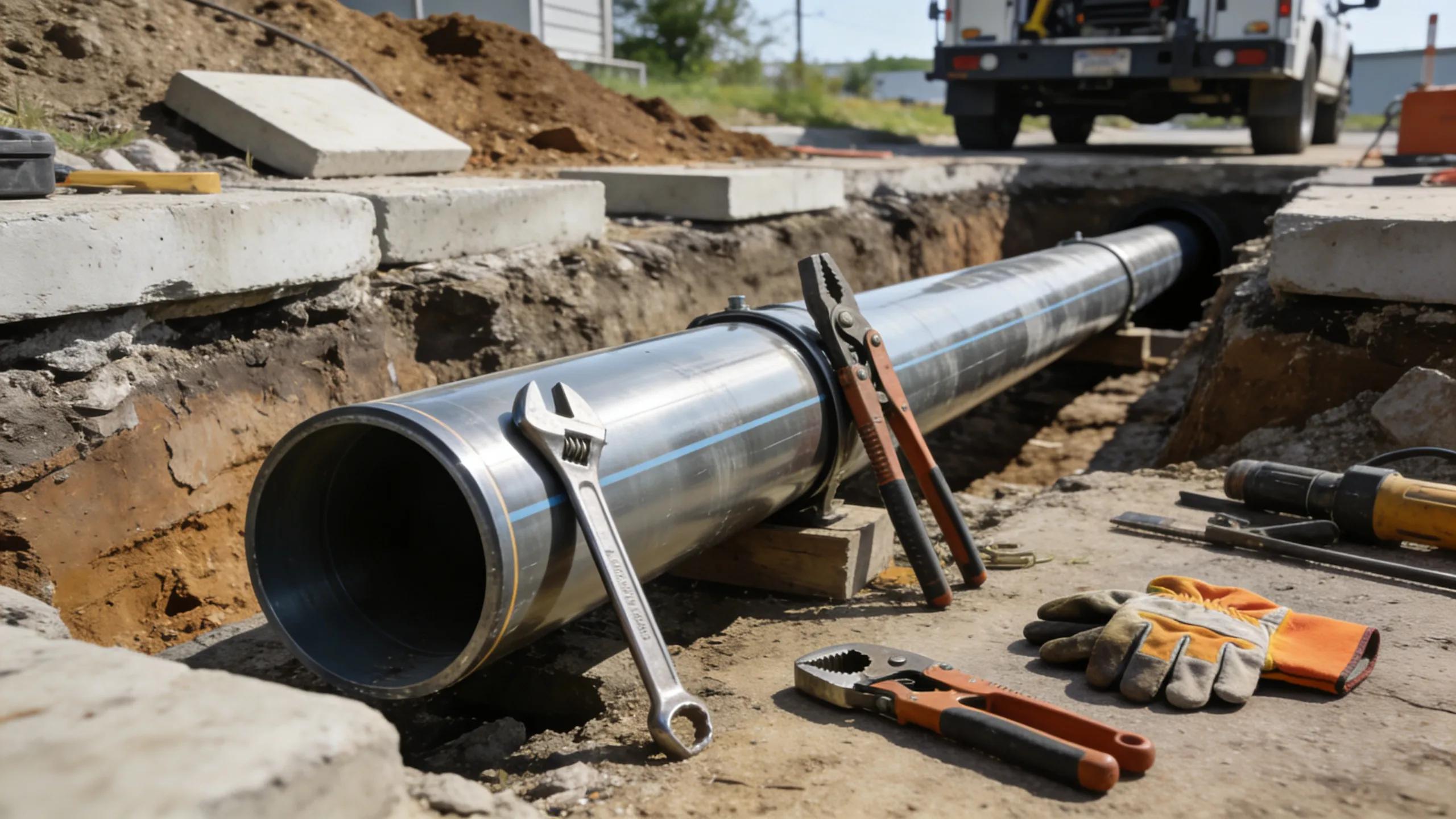
Trenchless repairs utilise durable materials engineered for extended service life, which decreases the frequency of future interventions. Homeowners benefit from improved system reliability and greater confidence in long-term plumbing performance.
Cost-Effectiveness
Trenchless sewer inspections frequently cost less than traditional approaches because they reduce labour and restoration work. Lower immediate expenses, combined with preventive savings over time, make trenchless inspections a financially prudent option for homeowners.
This comparison highlights the financial advantages of trenchless inspections. The potential savings in service and future repair costs make preventive trenchless inspection a sound investment for homeowners.
Environmental Responsibility
Trenchless technology reduces waste and limits excavation, lowering the environmental impact of plumbing repairs. Choosing trenchless methods preserves property and supports more sustainable home-maintenance practices.
What Is Trenchless Sewer Line Inspection and How Does It Benefit Homeowners?
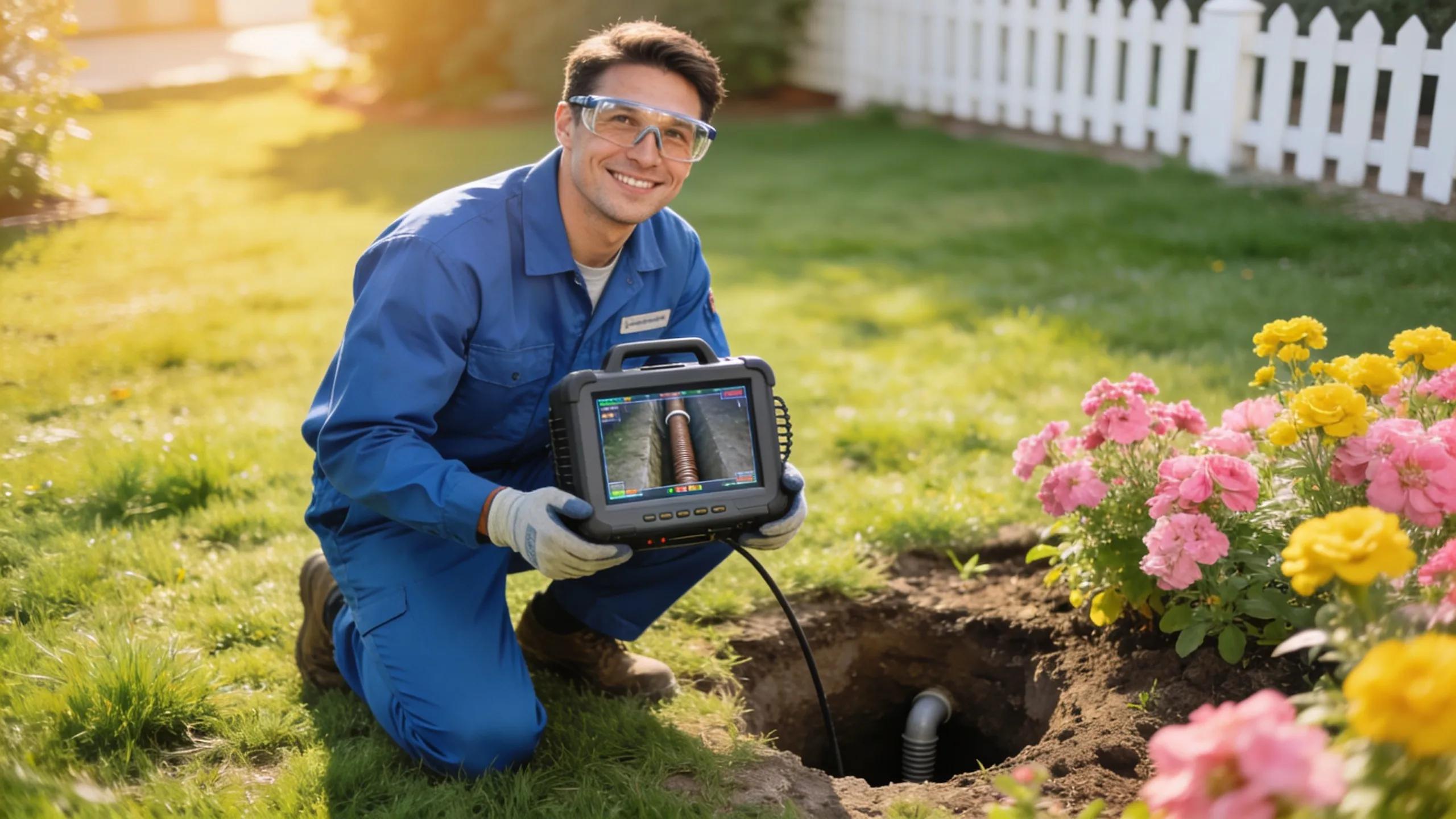
Trenchless sewer line inspection allows plumbers to evaluate pipe condition without major excavation. Using specialised equipment such as sewer cameras, inspectors obtain real-time visuals of pipe interiors to identify blockages, breaks, and other anomalies. The method delivers timely information with minimal disruption and often enables faster repairs than traditional techniques.
Benefits for Homeowners:
Homeowners receive faster diagnostics, reduced landscape impact, and cost-efficient maintenance, all of which contribute to improved comfort and confidence in their plumbing systems.
- Quick Inspections: Advanced technology provides results swiftly, minimizing time spent on maintenance.
- Preserved Landscaping: Minimally invasive methods leave your property’s aesthetics intact.
- Cost and Efficiency: Reduced labor requirements and lower overall costs make maintenance more accessible.
These advantages combine to create a compelling case for homeowners to consider trenchless options seriously.
How Does Trenchless Technology Minimize Disruption During Sewer Inspection?
Trenchless methods limit property disturbance by employing targeted equipment and access points. Inspectors can locate and address issues with precision, reducing the need for extensive digging.
Methods Used:
Two widely used techniques are pipe lining and pipe bursting.
- Pipe Lining: This method involves inserting a resin-saturated tube into an existing pipe, which, once cured, forms a new pipe within the old one, sealing any cracks or leaks.
- Pipe Bursting: This approach replaces a damaged pipe with a new one by breaking apart the old pipe, allowing the new pipe to take its place simultaneously, minimizing excavation needs.
Both techniques preserve property and enable efficient repairs with minimal excavation, allowing homeowners to return to normal activities sooner.
What Equipment Is Used in Sewer Line Camera Inspection?

Inspection cameras provide high-definition images of pipe interiors, enabling precise diagnosis without invasive procedures. This capability supports targeted maintenance planning and reduces unnecessary work.
Why Is Regular Sewer Line Inspection Crucial for Preventing Costly Repairs?
Regular inspections preserve system longevity and operational efficiency by identifying small issues before they progress to major failures.
Recommended Inspection Intervals:
Industry guidance recommends scheduling sewer line inspections every 1 to 2 years. Factors such as soil movement and nearby trees may justify more frequent checks.
What Are the Common Signs That Indicate Sewer Line Problems?
Homeowners should be vigilant about recognizing the common signs of sewer line problems, which may include:
- Slow Drains: Drains that back up or are slow to clear can indicate blockages.
- Unpleasant Odors: Foul smells emanating from drains may indicate leaks or sewer issues.
- Gurgling Sounds: Unusual noises coming from pipes may suggest airGurgling sounds coming from pipes may suggest air pockets or blockages within the lines.
Understanding these signs can help homeowners take proactive steps and avoid extensive plumbing emergencies.
How Does Early Inspection Prevent Extensive Sewer Line Replacement Costs?
By addressing minor defects early, inspections reduce the likelihood of extensive replacements and the associated high costs.
How Often Should You Schedule Sewer Line Inspections for Sustainable Home Maintenance?
Homeowners should prioritise regular sewer inspections as part of sustainable home maintenance.
What Is the Recommended Frequency of Sewer Line Inspections in Townsend and New Castle?
In Northern Delaware, including areas like Townsend and New Castle, homeowners should consider inspections every 1 to 2 years, with timing adjusted for tree proximity and prior plumbing history.
How Do Factors Like Root Intrusion Affect Inspection Timing?
Root intrusion can damage pipes and accelerate deterioration. Properties with nearby trees may require more frequent inspections to detect and address root-related issues promptly.
What Are the Advantages of Choosing Licensed Plumbing Contractors for Sewer Inspections?
Engaging licensed contractors ensures work is performed by trained professionals who follow regulatory standards and industry best practices, providing quality assurance and reliable results.
How Does Noble Home Services LLC Ensure Expert and Reliable Sewer Inspections?
Noble Home Services LLC employs state-of-the-art inspection techniques and qualified technicians to deliver thorough trenchless sewer inspections. For immediate assistance and expert service, contact Noble Home Services LLC.
What Emergency Sewer Line Services Are Available for Immediate Response?
Access to emergency sewer services is essential for urgent issues. Noble Home Services LLC provides 24/7 availability, rapid response, and comprehensive assessments to manage sewer line emergencies effectively.
What Is the Typical Cost Range for Trenchless Sewer Line Inspection and Replacement?
The typical cost for a trenchless sewer line inspection is approximately $249, making it a cost-effective alternative to traditional inspection methods.
How Does Trenchless Sewer Repair Compare Cost-Wise to Traditional Methods?
Although trenchless repairs may involve different upfront costs, they frequently yield long-term savings through lower labour and restoration expenses compared with excavation-based methods.
Are There Financing Options or Cost Transparency Measures for Homeowners?
Many providers, including Noble Home Services LLC, offer financing options and clear pricing to help homeowners plan and understand the full cost of services.
What Sewer Line Maintenance Tips Can Help Extend the Life of Your Plumbing System?
Regular maintenance extends sewer line service life. The following proactive practices help reduce risk and preserve system performance:
- Regular Inspections: Schedule inspections to identify potential issues before they become major problems.
- Educating Household Members: Ensure family members understand what should and shouldn’t be flushed.
- Monitoring Plumbing Health Indicators: Stay alert for signs of backups or slow drains to catch issues early.
Which Preventative Practices Reduce Risk of Sewer Line Damage?
Adopt habits such as avoiding grease disposal down drains, scheduling routine cleaning, and maintaining safe distances between trees and sewer lines to reduce the likelihood of blockages and damage.
How Can Homeowners Monitor and Address Root Intrusion Early?
To detect root intrusion early, watch for roots entering pipe joints, consult neighbours about local root issues, and contact professionals promptly when intrusion is suspected.
Frequently Asked Questions
What are the signs of a failing sewer line that should prompt an urgent inspection?
Watch for frequent backups, persistent foul odours near fixtures or access points, unexplained wet patches or unusually lush areas in the yard, and gurgling from drains or toilets. These signs warrant prompt inspection.
How long does a typical trenchless sewer line inspection take?
Inspections are designed to be efficient and typically take from about 30 minutes to several hours, depending on system complexity and identified issues. High-definition cameras enable rapid assessment without excavation.
What should homeowners expect during a trenchless sewer line inspection?
Expect the inspector to access the sewer via a small entry point and deploy a high-definition camera to examine pipe interiors. The process is minimally invasive and provides real-time findings to support repair decisions.
How can tree roots affect sewer lines, and what preventive measures can homeowners take?
Tree roots seek moisture and can infiltrate pipes, causing blockages and damage. Preventive measures include avoiding planting large trees near sewer lines, monitoring for intrusion signs, and scheduling inspections every 1 to 2 years to catch issues early.
Can trenchless sewer line repairs be performed in all types of weather?
Trenchless repairs are generally less sensitive to weather than open excavation methods, but extreme conditions—heavy rain, snow, or ice—can affect equipment setup and safety. Consult your contractor when scheduling work under adverse weather.
What are the potential risks of not scheduling regular sewer line inspections?
Neglecting inspections increases the risk of unexpected, severe failures, costly repairs, environmental contamination from leaks, diminished property value, and potential health hazards. Regular inspections mitigate these risks.
Is trenchless technology suitable for all types of sewer line issues?
Trenchless technology is effective for cracks, leaks, and small-to-moderate blockages. Severe collapse, extensive misalignment, or other complex conditions may require traditional excavation. Consult a qualified plumber to determine the appropriate method.
Conclusion
Scheduling a trenchless sewer line inspection enables early problem detection, reduces property disruption, and improves long-term system durability. The approach offers cost benefits and supports environmentally responsible maintenance. To protect your property and reduce future repair costs, schedule an inspection. For more information on our services, explore our full range of solutions.