
Why Water Usage Matters
Have you ever thought about how much water you use every day? It might seem like a simple question, but understanding how water usage affects our utility bills is key to managing our homes better. In fact, you might be surprised to learn that changing just a few little things in your plumbing can lead to some big differences!
Small Changes, Big Impact
Imagine this: every time you take a shower, wash your hands, or even run the dishwasher, water is flowing through your pipes. It’s easy to forget just how much we’re using and how it all adds up. But don’t worry—making smarter choices with our plumbing can be easier than you think!
By learning about energy-efficient plumbing practices, we can take steps to save water and protect our planet at the same time. Not only does using less water help the environment, but it can also lead to savings when it comes to those bills we all seem to dread. So, why not dive into the world of smarter plumbing? Let’s explore how these simple changes can create a ripple effect in your home!
Taking the Plunge
In this article, we will uncover the secrets to mastering water efficiency. We’ll share practical tips and tricks that anyone—yes, even you—can use to make a difference. With a bit of effort, you’ll be on your way to becoming a plumbing pro! Ready to make a splash? Let’s get started!
Upgrade to Low-Flow Fixtures
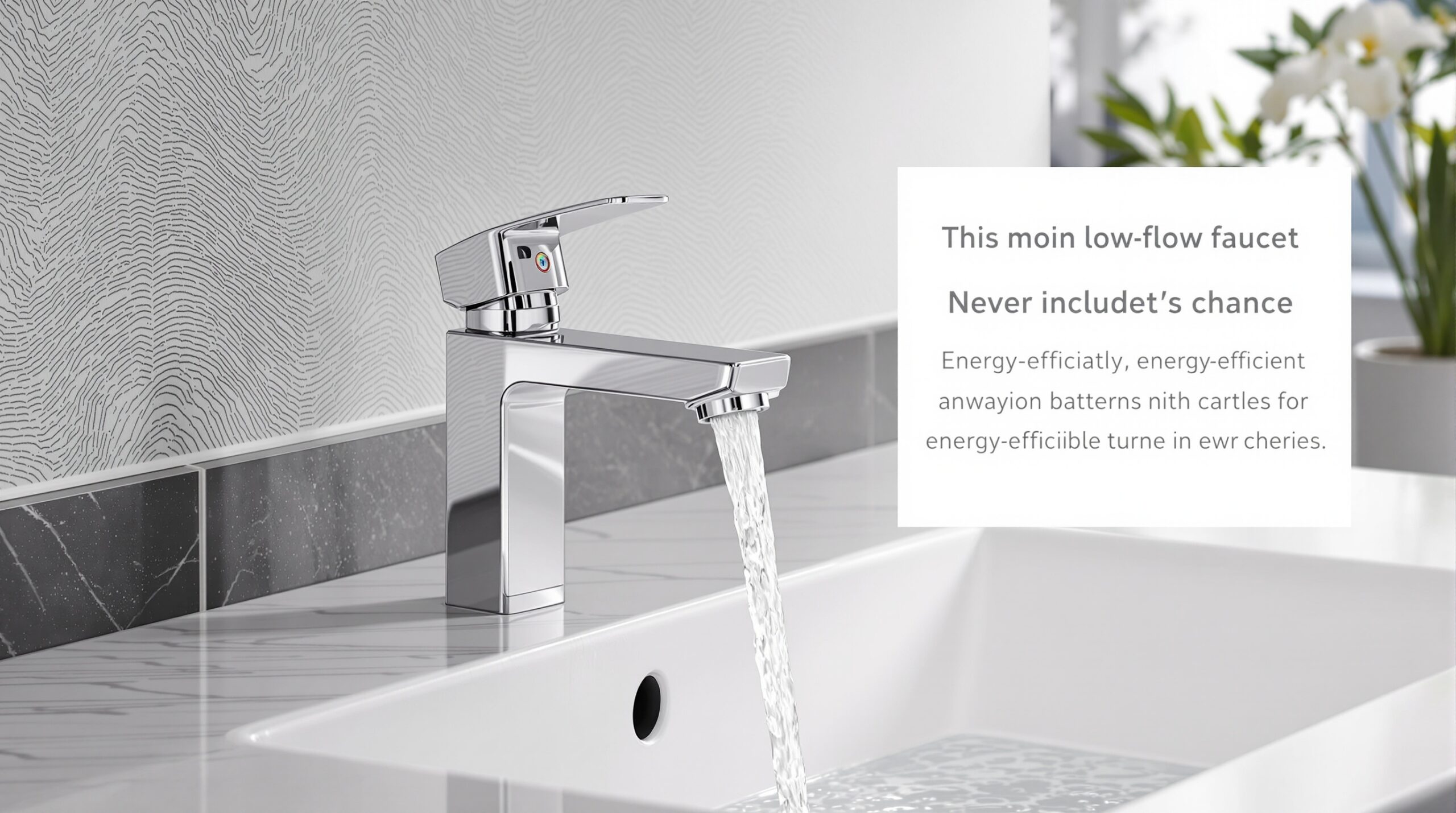
One of the simplest and most effective ways to reduce water consumption is by installing low-flow faucets and showerheads. These fixtures limit water flow without compromising on performance, making a significant impact on your overall water usage. Imagine enjoying your daily shower, feeling the warmth wash over you while simultaneously knowing you’re caring for the environment. That’s the beauty of low-flow fixtures!
Low-flow technologies have come a long way. Gone are the days of feeling like you’re rinsing off under a trickle of water. These modern fixtures are designed to enhance your experience while still allowing for a fraction of the water consumption compared to their conventional counterparts. In fact, many newer low-flow faucets and showerheads can reduce water flow by up to 50% without sacrificing water pressure or comfort!
Not sure what to look for when choosing low-flow fixtures? Here’s a quick comparison table to guide you through the process:
| Fixture Type | Standard Flow Rate | Low-Flow Flow Rate | Water Savings |
|---|---|---|---|
| Showerhead | 2.5 GPM (gallons per minute) | 1.8 GPM | Up to 28% savings |
| Bathroom Faucet | 2.2 GPM | 1.5 GPM | Up to 32% savings |
| Kitchen Faucet | 2.2 GPM | 1.5 GPM | Up to 32% savings |
As you can see, the shift from standard to low-flow fixtures not only benefits the environment but also empowers you as a homeowner to make conscious choices about your water usage. Whether it’s a refreshing shower to wake you up in the morning or a quick hand wash before dinner, low-flow options ensure each drop counts towards a greater cause.
Additionally, many low-flow fixtures are now equipped with advanced spray technology designed to optimize water distribution, providing a fuller experience without wasting a single drop. It’s a perfect blend of efficiency and comfort to keep you engaged in sustainable living. So, as you embark on your journey of plumbing upgrades, consider elevating your home with these eco-friendly fixtures—making your water footprint lighter and your lifestyle more sustainable!
What’s Next?
With low-flow fixtures now in place, you’re already making a positive impact on water conservation. But there’s more! Next up, we’ll explore an often-overlooked source of water waste in many homes: leaks!
Fix Leaks Promptly
Even the smallest leak can create a ripple of consequences that extend far beyond what meets the eye. A simple drip from a faucet or a minor leak in a pipe might seem trivial at first, but over time, those seemingly insignificant drops can amount to gallons of water wasted. In fact, a single faucet leak can waste more than 3,000 gallons of water annually—enough to fill a swimming pool!
To keep your home efficient and conserve water, it’s essential to adopt a proactive approach to identifying and fixing leaks. Regular maintenance checks should be a routine part of your home care—just like changing air filters or cleaning gutters. Start by inspecting your plumbing system at critical points: under sinks, around bathtubs, behind appliances, and along the water lines. Don’t forget to check the toilet for hidden leaks. A simple test using food coloring can show if your toilet is malfunctioning: add a few drops in the tank and see if the color appears in the bowl within 30 minutes. If it does, an internal leak is present, and it’s time for repairs!
But detecting leaks is only half the battle; the critical step is to address them promptly. Whether it’s tightening fittings, replacing washers, or applying plumbing tape to leak-prone joints, taking swift action can save you from larger issues down the line. Delaying repairs can lead not only to inflated water bills but also to potentially costly structural damage from mold and water stains. Plus, a well-maintained plumbing system functions more effectively, reassuring you that every drop is utilized judiciously.
Creating a water-efficient home is a collaborative effort. As you educate family members about the importance of alertness to leaks, encourage everyone to be vigilant; a collective approach fosters a culture of conservation. If you notice water pooling or damp spots, smell musty odors, or hear hissing sounds, don’t ignore them—these are cries for help from your plumbing system! Swift attention can prevent escalating problems and reinforce your commitment to sustainability.
Finally, remember that fixing leaks isn’t just about conservation; it’s about instilling a mindset that values resource management. With a collective awareness surrounding leaks, your household can make a tangible difference in water preservation. So, take the initiative to be the household champion for water accountability by fixing leaks promptly, ensuring that nothing goes to waste in the journey of conserving this precious resource.
Optimize Your Toilet
Now that you’re equipped with the knowledge of discovering and fixing leaks, let’s turn our attention to another significant area of water consumption in homes: toilets. Often considered a household staple, toilets account for a large percentage of water use, and optimizing their efficiency can have a powerful impact on your overall water conservation efforts.
Much like leaky faucets, toilets can stealthily guzzle water, often without homeowners even realizing the extent of their usage. The average toilet uses about 1.6 gallons per flush, but older models can consume significantly more—sometimes up to 7 gallons per flush! That’s where optimization comes into play. Switching to dual-flush models can offer a world of difference. These ingenious designs allow users to choose between a low-flush option for liquid waste—typically around 0.8 gallons—and a full-flush option for solid waste. This duality empowers you to use water judiciously, only flushing what is necessary while redirecting the rest toward conservation. It’s an easy adjustment that makes an impactful change!
If your current toilet isn’t ready for an upgrade just yet, don’t fret. There are simple adjustments you can make to optimize your existing model. One of the most effective methods is to adjust the fill valve or install a toilet tank bank. This device helps displace water in the tank, so less is used during each flush without compromising performance. You’d be amazed at how small modifications can lead to big savings! Moreover, checking for leaks through the previously mentioned food coloring test will ensure that your toilet isn’t unknowingly contributing to excess water waste.
Toilets often operate unnoticed, yet they play a pivotal role in water conservation strategies at home. Think of your toilet as a silent partner in your quest for sustainability. Simply being aware of how much water it uses and making mindful choices can shift your toilet from a water-wasting villain to a conservation ally. It’s about embracing options—optimizing your toilet isn’t merely a pragmatic move; it’s a step toward a more responsible water use mindset.
As you enhance your toilet’s efficiency, don’t hesitate to engage your family in these changes. Share the significance of their choices about the toilet, teach them the meaning of the dual-flush functions, and encourage everyone to contribute to conservation efforts. A culture of awareness and responsibility cultivated within your household will have a lasting impact, both in terms of water conservation and fostering a collective respect for our shared resources. By optimizing your toilet, you’re not just saving water—you’re promoting a sustainable lifestyle that honors every drop.
Now that you’ve tackled the issues of leaky faucets and toilets, it’s time to look beyond the confines of your bathroom to the great outdoors. As pressures from climate change continue to mount, smart landscaping techniques are emerging as a powerful ally for homeowners keen on conserving water while enhancing the aesthetic appeal of their garden spaces. By incorporating drought-resistant plants and utilizing efficient irrigation systems, you can cultivate a lush garden that’s not only beautiful but also sustainable.
Creating a water-efficient landscape begins with choosing the right plants. Drought-resistant or xeriscape plants are often native to your local environment and have adapted to thrive on minimal water. These hardy beauties require less maintenance and offer incredible diversity in colors, shapes, and sizes. Here is a table showcasing a few popular drought-resistant plants to consider for your garden:
| Plant Name | Growth Habit | Water Needs | Color/Appearance |
|---|---|---|---|
| Lavender | Upright and bushy | Low | Purple blooms |
| Sedum | Ground cover or upright | Low | Varieties in green and pink |
| Agave | Rosette-forming | Very low | Spiky, architectural |
| Red Yucca | Tall stems with tubular flowers | Low | Coral-red blooms |
In tandem with choosing resilient plants, implementing an efficient irrigation system plays an equally crucial role in maintaining your garden’s health without excessive water use. Techniques like drip irrigation or soaker hoses deliver water directly to the plant roots, minimizing evaporation and runoff. Setting up a timer ensures that your plants receive consistent hydration while allowing you to enjoy your garden without the constant worry of overwatering.
Furthermore, smart landscaping goes beyond the choice of plants and irrigation methods; it also involves thoughtful design. Incorporate features like berms or rain gardens to collect and utilize rainwater effectively. These natural elements not only enhance the visual appeal of your outdoor space but also significantly reduce the need for supplemental watering. Additionally, mulching around your plants helps retain soil moisture, suppresses weeds, and improves soil health, making it a versatile component in your landscaping strategy.
Another benefit of smart landscaping techniques is that they create habitats for local wildlife, promoting biodiversity that is essential for ecosystem health. By fostering a garden that thrives on minimal water, you not only create a pleasant retreat for yourself but also become a steward of the environment—making a powerful statement about sustainable living.
Incorporating these smart landscaping techniques requires some initial thought and planning, but the long-term benefits of reduced water consumption, lower maintenance needs, and enhanced garden beauty make it worthwhile. By shifting your mindset toward sustainability in your landscape choices, you’re taking an important step not just for your home, but for the planet as a whole. Join the movement towards water-efficient gardening—every small change contributes to a larger impact!
As we embrace the principles of sustainability in our gardens, there’s another dimension of water efficiency that often goes unnoticed: the quiet yet powerful role of regular plumbing maintenance. Just as a healthy garden thrives on careful nurturing, your plumbing system requires consistent attention to prevent inefficiencies that can lead to resource wastage. A well-maintained plumbing system not only safeguards your home against unexpected leaks and breaks but also champions responsible water use—a true testament to your commitment to environmental stewardship.
Start by routinely inspecting your plumbing fixtures and connections. Look for signs of wear such as corrosion, cracks, or loose fittings that could signal underlying issues. Even small leaks can waste significant amounts of water over time, so don’t underestimate their impact. By addressing these issues promptly, you can prevent them from escalating into larger, more costly repairs. Additionally, the more proactive you are in your maintenance, the better you’ll understand your plumbing system’s quirks, allowing you to detect problems early on.
Another vital aspect of plumbing maintenance is keeping an eye on your water pressure. High pressure can strain pipes, increasing the wear and ultimately leading to leaks. A home’s plumbing operates best within a certain pressure range, so consider utilizing a pressure gauge to monitor levels. If your readings are higher than recommended, you may want to consult a plumbing professional for solutions such as installing a pressure-reducing valve. This simple adjustment can protect your plumbing system and conserve water in the long run.
While it may seem trivial, checking your toilet’s performance regularly is crucial as well. Beyond ensuring it flushes efficiently, be on the lookout for silent leaks that could draw on your water supply without you even realizing it. One effective and simple test is the dye test—add food coloring to your toilet tank, wait for a while, and see if the color seeps into the bowl. If it does, you’ve identified a leak that needs attention! Quick fixes like replacing flappers and seals can make a world of difference in averting water waste.
Furthermore, winterizing your plumbing system during colder months is essential, especially if you live in a region that experiences freezing temperatures. This step can prevent pipes from freezing and bursting, which can lead to severe water loss and property damage. Insulate vulnerable pipes, drain outdoor faucets, and make sure to check for any gaps where cold air could seep in. A little foresight can save not only your plumbing components but also aligns with the ethos of water conservation.
By keeping an organized schedule for inspections and maintenance tasks, such as flushing the water heater to remove sediment buildup or having an annual plumbing check-up, you’re creating a more sustainable living space. Consistent plumbing maintenance allows you to take control of your water usage, making it easier to identify areas for improvement. As you integrate these practices into your routine, you’ll find a more profound sense of empowerment—not just as a homeowner, but as an ambassador for water efficiency.
Ultimately, embracing regular plumbing maintenance isn’t merely a box to check; it’s a commitment to preserving the invaluable resource that is water. Each step you take in caring for your plumbing system not only helps protect your home but also contributes to a larger movement of sustainability. Let’s lead by example, reinforcing the importance of mindful water use, and inspire others to follow suit. With every drop saved, we honor our responsibility to the environment while enhancing the efficiency of our homes.
As we step into this new era of conscientious living, let’s delve into some specific strategies for embracing energy-efficient plumbing practices that can further reduce our environmental footprint. One of the most notable advancements in this realm is the adoption of low-flow fixtures. These innovative fixtures, including showerheads, faucets, and aerators, are engineered to utilize significantly less water than standard models—all without sacrificing that essential water pressure we all rely on. In fact, many low-flow fixtures optimize the flow to provide a satisfying experience while conserving precious resources. By simply swapping out your old fixtures for low-flow versions, you are taking an essential step toward more sustainable water consumption without even noticing the difference in your daily routine.
In tandem with upgrading fixtures, one of the simplest yet most effective water-saving tactics involves fixing leaks. Often overlooked, small leaks can lead to considerable water waste if left unaddressed. For example, a dripping faucet might seem inconsequential, but over time, those drops accumulate to create a torrent of waste. Committing to regular checks around your home to catch leaks early can make a significant impact. Sealing those tiny bibs of escaping water not only preserves the water supply but also sparks a ripple effect of mindfulness about how every drop counts. It’s a reminder that in the grand tapestry of conservation, every small action contributes to a larger narrative of sustainability.
Speaking of efficiency, dual-flush toilets represent another pivotal leap forward in plumbing technology. By offering two distinct flush options—one low-volume for liquid waste and another higher-volume for solid waste—these toilets allow users to select the most appropriate level of water use for their needs. This efficiency drastically reduces water usage per flush, leading to substantial savings over time. Embracing dual-flush technology is not just about modernizing your restroom; it’s a proactive expression of responsible living, aligning personal choices with global water conservation efforts.
As we weave these strategies into our daily lives, the integration of such plumbing solutions fosters a mindset of sustainability that transcends beyond mere efficiency. Each step—be it replacing fixtures, fixing leaks, or switching to dual-flush toilets—embodies a deeper respect for our most vital resource. The practice of caring for our plumbing systems becomes an act of kindness: to ourselves, our homes, and, most importantly, the planet. Let’s continue this journey, uncovering new ways to enhance water efficiency, ensuring that every drop is valued and every home becomes a champion of conservation.
Now that we’ve laid the groundwork for responsible plumbing maintenance, let’s delve deeper into the world of energy-efficient plumbing solutions that not only protect our precious water resources but also reflect our dedication to sustainability. What if we told you that small changes in your plumbing can lead to monumental strides in creating a greener home? By embracing energy-efficient plumbing, we can quench our thirst for eco-friendliness while nurturing our wallets and communities.
One of the simplest yet most impactful steps is the installation of low-flow fixtures. These innovative designs can significantly reduce the amount of water we use without sacrificing performance. Low-flow showerheads, faucets, and toilets efficiently optimize water flow, allowing you to maintain the comfort and functionality of your home while cutting down on excess use. With many aesthetically pleasing and technologically advanced options available, there’s no reason not to upgrade your fixtures to enhance both style and sustainability.
Don’t overlook the benefits of smart irrigation systems, especially for those of you with lush gardens. These systems use real-time data—a blend of weather forecasts and soil moisture levels—to determine the precise watering needs of your plants. By watering only when necessary, they conserve water while ensuring your garden thrives. When combined with rainwater collection systems, you’ll harness the natural elements, enhancing your garden’s resilience and beauty while supporting your commitment to sustainable practices.
Installations such as rain barrels or cisterns are an exemplary embodiment of water efficiency. Capturing rainwater not only diminishes runoff but also provides an excellent source of irrigation for your landscaping or gardens. This practice not only contributes to efficient water use at home but also lessens the burden on municipal water systems, showcasing how individual actions can create significant ripples in our community’s water management approach.
Let’s not forget about the emerging technology of greywater recycling systems. Imagine converting water from sinks, showers, or washing machines into a resource for irrigation! By repurposing greywater, we close the loop on water usage and further embody the ethos of conservation in our homes. While this might require some initial planning and implementation, the long-term benefits are immense, serving as a testament to our innovative spirit in tackling environmental challenges.
Engaging in these energy-efficient plumbing practices not only reduces your water footprint but helps foster a culture of awareness and responsibility within your community. When we optimize our plumbing systems, we set a standard for others to follow. As homeowners become more informed about the impact of their choices, it sparks conversations that ripple through neighborhoods, encouraging collective action towards sustainability.
Ultimately, embracing energy-efficient plumbing is a proactive step towards championing sustainable water use. By incorporating these simple plumbing adjustments into our daily lives, we honor our role as stewards of the environment, taking significant strides toward a more sustainable future. Let’s unite in making our homes paragons of water efficiency, where every drop is used judiciously, and every action reflects our commitment to both our financial and environmental future. Together, let’s cultivate homes that stand as symbols of responsible stewardship, demonstrating just how powerful our individual actions can be in creating a lasting impact.