
Are You Ready for a Plumbing Emergency?
Imagine this: you walk into your kitchen, and suddenly, you hear a strange noise. You turn around, only to discover water gushing from under the sink! Panic sets in, doesn’t it? In moments like these, knowing how to quickly and safely shut off your home’s water supply can be a true lifesaver.
Why Being Prepared is Crucial
Every homeowner needs to be prepared for unexpected plumbing emergencies. Whether it’s a leaky pipe, a broken faucet, or a burst water heater, these situations can escalate quickly, causing chaos and costly damage to your home. The key to managing such emergencies lies in being informed and ready to act. By knowing your way around your water supply, you can stop the flow before it turns into a major disaster.
But don’t worry! You don’t need to be a plumbing expert to face these challenges with confidence. This guide is here to help you navigate the process of mastering your home’s water supply. With just a bit of knowledge, you can gain peace of mind, knowing that you’re equipped to handle crises when they strike. So, let’s dive in and empower you to act swiftly and confidently!
Understanding the Importance of Your Main Water Shut-Off Valve
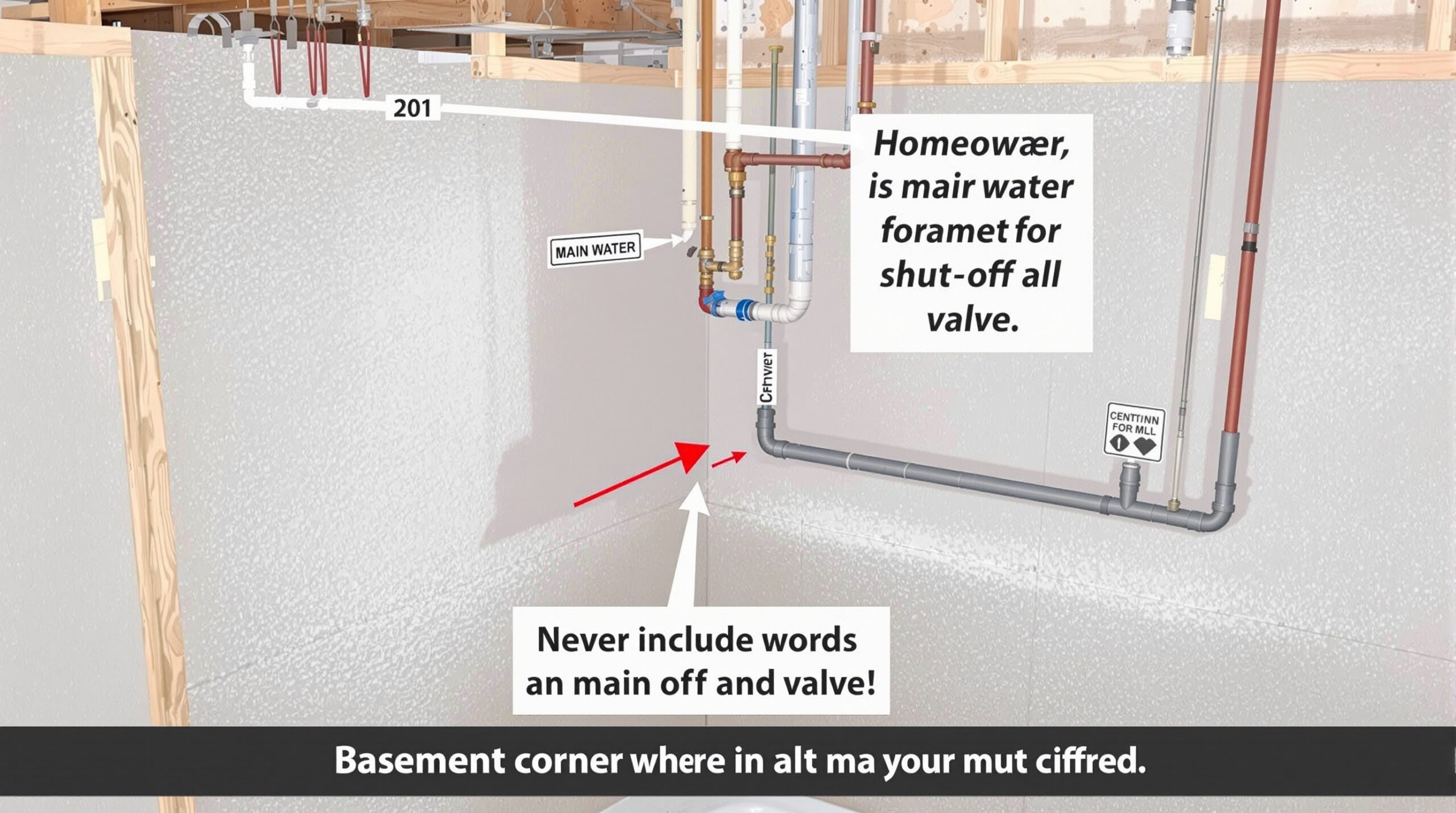
In the heat of a plumbing crisis, the main water shut-off valve can become your best friend—or your worst enemy. This unassuming fixture, typically found in the basement, garage, or close to your water meter, plays a crucial role in controlling the flow of water into your home. Imagine your home as a carefully orchestrated symphony of plumbing. The main water shut-off valve is the conductor, ensuring that everything runs smoothly, and when the unexpected hits, it can mute the noise of chaos with just a simple twist.
Unfortunately, many homeowners overlook this vital component, often discovering its importance only after a crisis strikes. Whether it’s a sudden pipe burst, a flooded basement, or a malfunctioning appliance, knowing where your main shut-off valve is located—and how to operate it—can mean the difference between a minor inconvenience and a major disaster.
Regular identification and maintenance of your main shut-off valve are paramount for all homeowners. It’s a straightforward task that empowers you to take control when faced with troublesome leaks or sudden water flow issues. Failure to act swiftly can lead to overwhelming water damage, not to mention the inconvenience that comes with repairs and clean-up. Here are a few reasons why understanding and knowing the location of your main shut-off valve is crucial:
| Reason | Importance |
|---|---|
| Emergency Situations | Allows for immediate water shut-off, minimizing damage and chaos. |
| Proactive Maintenance | Regular checks help ensure the valve works effectively when needed. |
| Home Safety | Protects your home from flooding and structural damage. |
| Time-Saving | Knowing how to shut off the water quickly can save valuable time in emergencies. |
Regularly checking your main shut-off valve not only ensures that you know its exact location but also confirms that it remains in good working condition. Dust, debris, or corrosion can impede its functionality over time. Just as you would inspect your smoke detectors or emergency kits, include your water shut-off valve in your home safety checks. A well-maintained valve is your first line of defense in a plumbing emergency.
As we prepare to guide you through the critical steps of shutting off your water supply, remember: your main water shut-off valve isn’t just a fixture; it’s a crucial ally in the battle against plumbing disasters. Taking the initiative to familiarize yourself with this valve now means you’ll react swiftly and effectively when the next leak, drip, or burst occurs.
Step-by-Step Guide to Shutting Off the Water Supply
Now that you understand the importance of your main water shut-off valve, it’s time to become well-versed in operating it effectively. In an emergency, every second counts, and knowing how to shut off your water supply can significantly reduce the impact of a plumbing catastrophe. Follow this simple, step-by-step guide to empower yourself in handling any water-related emergencies that may arise in your home:
- Locate Your Main Shut-Off Valve: Before a plumbing issue arises, familiarize yourself with the location of your main shut-off valve. Commonly found in the basement, near the water heater, or close to your water meter, it may be concealed behind an access panel or covered by clutter. Take a moment to clear any obstacles that may obstruct your access. Remember, the quicker you can find this valve during an emergency, the better you can address the situation.
- Turn the Valve Handle Clockwise: Once you’ve identified the valve, grasp the handle firmly. Most valves operate by turning the handle clockwise to shut off the water flow. Apply even pressure as you turn; if the valve feels stuck, avoid using excessive force, as this may damage it. It’s important to keep your safety in mind while attempting this; if you encounter resistance, consider checking for debris or corrosion before attempting to turn it again.
- Confirm Water Has Stopped: After you’ve securely turned the valve, it’s essential to confirm that the water supply has been effectively shut off. To do this, check a few household taps to see if any water is still flowing. Turn on a faucet in your kitchen, bathroom, and laundry area. If you don’t hear water running, you’ve successfully stopped the supply! This final step ensures that you’re truly prepared to address any plumbing issues without further damage.
By mastering these steps, you’ll position yourself as an informed and proactive homeowner. The key to prevention lies in the ability to act decisively when plumbing mishaps strike. Remember, these steps are not just for emergencies; they also serve as a reminder for the routine checks needed to ensure your valve is in working order.
As you explore further into the realms of home plumbing, keep in mind that early recognition of leaks or bursts is critical. By routinely inspecting pipes, fixtures, and fittings for signs of wear or dripping, you can act promptly by turning off the shut-off valve when necessary. An early response can save your home from potentially devastating water damage.
Your main water shut-off valve is your ally, and by learning how to operate it effectively, you ensure your home remains safeguarded against the unpredictable nature of plumbing emergencies. Stay vigilant, stay informed, and you’ll be well on your way to mastering home plumbing safety.
After Shutting Off: What Comes Next?
Congratulations! You’ve successfully turned off the water supply, a crucial first step in managing your plumbing emergency. But what comes next? The situation calls for swift yet prudent action to mitigate damage and prepare for professional intervention. Let’s break down the essential steps to take after securing the shut-off valve.
- Contact a Licensed Plumber: After shutting off the water, your next move should be to reach out to a licensed plumber. These professionals are equipped with the knowledge and tools to diagnose the problem effectively. Whether it’s a simple leak or a more complex issue, having an expert assess the situation can save you time and prevent further complications. Be ready to explain what led to the emergency; the more information you provide, the easier it will be for them to assist you.
- Clear the Vicinity of Standing Water: While you await assistance, it’s critical to address any standing water in the area. Use towels, mops, or a wet/dry vacuum to soak up as much water as possible. Not only does this prevent further damage to your flooring and walls, but it also reduces the risk of mold growth, which can occur quickly in damp environments. If the area is particularly extensive, consider placing buckets or containers to collect residual drips until help arrives.
- Document Any Damages: If there are damages caused by the plumbing issue, it’s important to document everything meticulously. Take clear photographs of the affected areas, noting the extent of the damage and any items that may have been impacted. Keeping a comprehensive record will be beneficial for insurance claims and for the plumber to understand the implications of the incident. Be honest and detailed in your documentation; this transparency can make a significant difference later on.
Acting with urgency and clarity in these moments can greatly influence the outcome of any plumbing mishap. By ensuring you have a reliable plumber on speed dial, taking preemptive measures to minimize water exposure, and documenting damages carefully, you’re positioning yourself for a controlled recovery from what could have been a more disastrous situation.
So remember, the correct response goes beyond just shutting off the valve; it’s about gathering the right resources, protecting your home, and maintaining an organized response that sets the stage for resolving your plumbing issues swiftly. Take these actions to heart, and you’ll emerge more knowledgeable and prepared for any future plumbing emergencies.
As you navigate the immediate aftermath of a plumbing emergency, safety takes precedence. While it’s important to act swiftly, maintaining a clear head and prioritizing safety measures can significantly lessen the likelihood of further issues. Here are essential safety precautions to keep in mind:
- Ensure Clear Pathways to Shut-Off Valves: With water potentially pooling around, ensure that the pathways to your shut-off valves are unobstructed. Clearing away any furniture, decorations, or appliances that may hinder your quick access will not only streamline future responses but also keep you safe from slipping hazards and allow for an efficient recovery process.
- Keep the Area Well-Lit: In any emergency, visibility is key. Ensure the affected area is well-lit to prevent accidents. If the power is out, utilize flashlights or battery-operated lanterns. Not only does this help in navigating the space safely, but it also aids in inspecting the situation more thoroughly until professional help arrives.
- Educate All Household Members: It’s essential to involve every member of your household in understanding the shut-off procedure. Hold informative sessions where everyone learns not only where the shut-off valve is located but also how to operate it. This shared knowledge can be invaluable in minimizing damage should another plumbing emergency occur.
- Conduct Regular Drills: To prepare for unexpected plumbing issues, consider conducting regular drills. Familiarize everyone with the steps to take in an emergency, reinforcing their role in both reporting the issue and taking initial actions like shutting off the water. Practicing these scenarios can make a world of difference during a real event, lending confidence and clarity to their responses.
| Safety Precaution | Description | Benefits |
|---|---|---|
| Clear Pathways | Remove obstacles from paths to shut-off valves. | Ensures safe and quick access during emergencies. |
| Well-Lit Area | Use adequate lighting to illuminate the work area. | Reduces risk of accidents and allows for better inspection. |
| Educate Household Members | Instruct everyone on the shut-off procedure. | Empowers individuals to act quickly during emergencies. |
| Regular Drills | Practice emergency response scenarios as a family. | Enhances preparedness and confidence in handling plumbing issues. |
By incorporating these precautions into your household routine, you’re not only safeguarding your property but also fostering a culture of preparedness among your loved ones. Remember, plumbing emergencies can happen at any time, so being ready for the unexpected is the best defense against potentially devastating damage.
Preparation is key in managing household plumbing emergencies. While the chaos of a sudden leak or burst pipe can feel overwhelming, a well-informed and practiced household can turn potential disasters into manageable situations. Understanding the ins and outs of your main water shut-off valve empowers you to take control in moments of crisis. Here’s how to bolster your readiness and protect your space:
- Know Your Shut-Off Valve: Familiarity with your main water shut-off valve is crucial. Take the time to locate it and understand its operation. Whether it’s inside your home or outside, knowing its precise location will save precious minutes in an emergency. Once found, ensure everyone in your household is aware of this vital fixture—taking just a moment to demonstrate how it operates can make a significant difference when time is of the essence.
- Practice Makes Perfect: The adage “practice makes perfect” holds particularly true in emergency preparedness. Schedule regular family meetings to go over the steps for handling a plumbing emergency. Walk through the entire process, from identifying the problem to shutting off the water. Reinforce each member’s role, so that when disaster strikes, everyone knows exactly what to do without hesitation.
- Create a Plumbing Emergency Checklist: Develop a comprehensive checklist that outlines the steps to take in case of a plumbing emergency. Include details such as turning off the shut-off valve, calling a plumber, and shutting off electrical sources if necessary. Place this checklist in a visible location as a quick reference guide, helping ensure that everyone knows the procedure when every second counts.
- Stay Informed on Emergency Updates: Understanding the basic principles of home plumbing and regularly combing through emergency prep resources keep your family ahead of the curve. Familiarize yourself with signs of potential plumbing issues, like unusual sounds or persistent dampness, so that you can act before a minor inconvenience escalates into a major emergency.
By taking these proactive steps, you cultivate a household that is not simply reacting to emergencies but is strategically prepared. Knowing your main water shut-off valve and how to utilize it turns a moment of crisis into a demonstration of preparedness, offering peace of mind for you and your loved ones. The heart of household safety lies in being proactive; equip yourself and your family with the knowledge and confidence required to manage plumbing issues, ensuring that your home remains a sanctuary amid unexpected challenges.
Preparation is key in managing household plumbing emergencies. By understanding, locating, and practicing using your main water shut-off valve, you ensure that your home is ready to withstand unexpected water-related issues. Protect your space and gain confidence in your emergency readiness.
The main water shut-off valve is not just a mechanical device; it is your first line of defense against a plumbing crisis. Recognizing its significance helps solidify your home’s preparedness. Beyond simply locating this vital fixture, it’s important to regularly check its functionality. Think of it like an insurance policy: the more you engage with it, the more secure your coverage becomes. By inspecting the valve at least twice a year—and following up immediately after any plumbing work—you can spot potential problems before they evolve into costly disasters.
If you find yourself struggling to turn the valve, don’t hesitate to take action. A stuck valve is not merely an inconvenience; it can thwart your efforts when every second counts. The moment you realize it won’t budge, contact a professional plumber. Their expertise can save you from a shutdown that escalates into a full-blown emergency. Furthermore, failing to address a stuck valve can lead to rust or leaks, prompting a need for replacement. Keep an eye on any signs of wear and tear—like visible rust or water seeping around the valve—so you can stay one step ahead in your home maintenance.
Being proactive about your main water shut-off valve means it doesn’t simply sit in obscurity, waiting for a crisis. It stands as a beacon of your household’s readiness. Remind your family members to approach it confidently. Each member should know not just what the valve looks like, but how to operate it seamlessly. This knowledge transforms uncertainty into action during stressful situations, making everyone an integral part of the home’s emergency response.
In conclusion, understanding the key aspects of your water shut-off valve—from its location to the frequency of checks—forms the backbone of effective plumbing readiness. Every household can cultivate a culture of confidence and competence in managing emergencies. By cementing this knowledge, you ensure your home remains a sanctuary, a stronghold amid sudden plumbing challenges. When the unexpected occurs, you won’t just react; you’ll respond decisively, embodying preparedness at every corner. Prepare today for peace of mind tomorrow—because when it comes to plumbing emergencies, being proactive can spell the difference between minor setbacks and major catastrophes.
Beyond understanding your main water shut-off valve and practicing its use, there are additional layers that fortify your preparedness against plumbing emergencies. A proactive approach is essential for transforming chaos into calm, thereby cultivating an environment where protection and confidence thrive. Here are further steps to enhance your household’s readiness:
- Inspect Regularly: Regular inspections of your plumbing system are an invaluable part of maintenance that can prevent emergencies from happening in the first place. Make it a habit to periodically examine faucets, pipes, and hoses for any signs of wear or leaks. Pay particular attention to areas under sinks and around water heaters, as these are often the first spots to show trouble. The early detection of minor issues means you can address them before they escalate into full-blown emergencies.
- Identify Emergency Contacts: Compile a list of emergency contacts including reliable plumbers, local emergency services, and even neighbors who might lend a hand in a crisis. When the unexpected occurs, you won’t have to scramble for numbers or scramble to explain your situation; knowing exactly who to call and having their numbers readily accessible can be a real lifesaver, allowing you to focus on mitigating the problem at hand.
- Educate Your Family: Knowledge is your best ally in times of crisis. Beyond simply demonstrating how to use the shut-off valve, take the time to educate your family on how plumbing systems work and the common issues that can arise. This could involve discussions about how to identify leaks, understanding the implications of low water pressure, or recognizing when something seems amiss with appliances like washing machines and dishwashers. The broader their understanding, the more effectively they can respond.
- Build an Emergency Kit: Equip your home with an emergency plumbing kit that includes essential tools such as a basic wrench, plunger, and waterproof tape. Keeping these items organized in a designated area ensures they are readily available when you need them most. Don’t forget to include a flashlight and batteries, as plumbing problems can often arise unexpectedly in dim lighting conditions. A well-stocked kit empowers you to tackle minor issues right away while waiting for professional help.
- Maintain a Positive Mindset: Finally, while it’s easy to focus on the mechanics of emergency preparedness, maintaining a positive and calm mindset is equally vital. Stress can cloud your judgment and slow your response rate. Foster a household culture where everyone feels comfortable acknowledging they don’t know everything but are willing to learn and adapt. Celebrating small successes during your emergency drills reinforces this mentality and creates a resilient family unit.
In summary, effective preparation against household plumbing emergencies is a multifaceted endeavor that goes beyond the minutiae of fixtures and tools. By embracing a holistic approach that encompasses inspection, education, and careful planning, your household can evolve into a unit ready to face whatever challenges arise. Adopting this preparedness mindset ensures that when plumbing issues strike, you won’t just react—you’ll respond with competence and confidence, transforming your home into a haven of safety and resilience.