
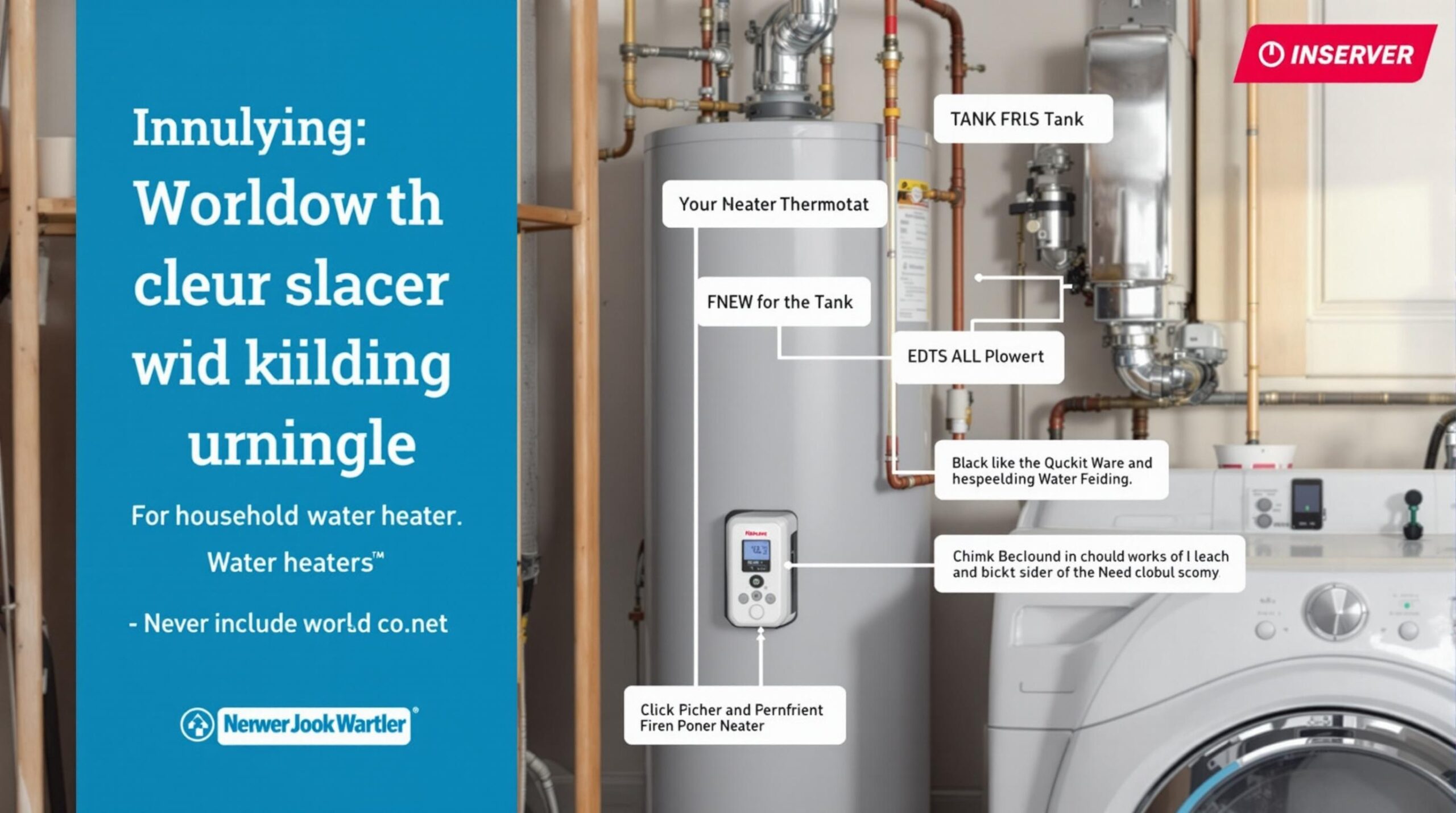
Keep Your Water Heater Happy!
Have you ever thought about how important your water heater is? It’s the unsung hero of your home, working hard behind the scenes to provide you with hot showers, clean dishes, and warm towels. In a cozy town like Odessa, DE, where chilly winters can make you want to snuggle up with a hot cup of cocoa, maintaining your water heater is even more crucial!
Why Maintenance Matters
Just like you take care of your favorite bike or video game console, your water heater needs a little TLC too. Regular maintenance can help your water heater run efficiently and last for many years. This means you get reliable hot water whenever you need it, without any surprises!
When you ignore your water heater, it can lead to some not-so-fun problems, like lukewarm showers or worse, a breakdown right when you need hot water the most. Stick with us as we explore simple and effective ways to keep that trusty appliance in top shape!
Get Ready for Success!
Let’s dive into our guide! With just a few easy tips and tricks, you can ensure your water heater continues to serve you reliably and efficiently for years to come. So grab your tools and let’s get started!
Understanding Your Water Heater
Before we delve into the vital maintenance tips, it’s essential to understand the different types of water heaters available and their common features. In Odessa, DE, just like in many other towns across the country, water heaters come in various shapes and sizes, each designed to meet specific needs. Knowing the type of water heater you have not only helps in maintenance but also equips you with the knowledge to make informed upgrades or replacements when the time comes.
The Major Types of Water Heaters
In general, there are three primary types of water heaters that you’re likely to encounter: tankless, storage tank, and heat pump heaters. Each has its unique operating mechanism, advantages, and suitability for different household needs. Let’s break them down in the table below:
| Type of Water Heater | Description | Common Features | Ideal For |
|---|---|---|---|
| Tankless Water Heater | Heats water directly without the use of a storage tank. | Instant hot water, energy-efficient, space-saving. | Smaller households or spaces with high demand for hot water. |
| Storage Tank Water Heater | Stores a specific amount of hot water in a tank. | Constant hot water supply, lower upfront cost, robust performance. | Traditional homes with higher usage and space for tank storage. |
| Heat Pump Water Heater | Utilizes electricity to transfer heat from the air or ground to heat water. | High energy efficiency, eco-friendly, can provide both water heating and space heating. | Homes in moderate climates looking for energy savings. |
Common Features Across Water Heaters
Beyond their primary functions, modern water heaters come equipped with an array of features that enhance their efficiency and user-friendliness. Here are a few of the most common features you might find:
- Temperature Control: Many water heaters allow you to set the desired temperature for your hot water, which not only makes your showers more enjoyable but can also improve energy efficiency.
- Built-in Safety Features: Safety mechanisms such as temperature relief valves prevent overheating and possible damage.
- Wi-Fi Connectivity: Some models come with smart technology that lets you monitor and adjust settings via a mobile app.
- Insulation: Well-insulated tanks or pipes help minimize energy loss, which is particularly valuable during colder months in Odessa.
By understanding the type of water heater you have and its specific features, you can take proactive steps to keep it operating at peak performance. Remember, a well-maintained water heater not only ensures scalding hot showers but also optimizes energy use, paving the way for greater energy efficiency in your home.
Now that you’re armed with knowledge about your water heater, let’s explore some actionable energy efficiency tips in the next section to keep your water heater running smoothly while saving valuable energy!
Energy Efficiency Tips: Simple Yet Effective Ways to Improve Your Water Heater
With the foundation laid on understanding your water heater, it’s time to shift our focus to actionable energy efficiency tips that can significantly enhance its performance. Small adjustments in your daily habits and maintenance can lead to substantial energy savings over time, and the best part is, many of these strategies are easy to implement.
1. Adjust the Thermostat
One of the simplest yet remarkably effective ways to improve energy efficiency is by adjusting your water heater’s thermostat. For most households, setting the thermostat to 120°F (49°C) strikes an ideal balance between comfort and energy savings. Higher temperatures not only increase energy consumption but also pose a risk of scalding. Regularly check and tweak this setting based on seasonal needs; for instance, you might want to lower it during the summer months when hot water usage tends to dip.
2. Insulate Your Pipes
Did you know that insulating your hot water pipes can reduce heat loss? By wrapping pipes with insulation sleeves, heat is retained more effectively as water travels from the heater to your tap. This means you won’t have to wait as long for hot water, reducing water wastage and making every drop more efficient. It’s a simple DIY project that can pay off in both energy savings and quick access to hot water, especially on chilly mornings.
3. Use the “Vacation Mode” Feature
If your water heater is equipped with a vacation or energy-saving mode, be sure to utilize it when you’re away for an extended period. This feature lowers the temperature of the water tank, preventing energy loss without compromising the heater’s integrity. Whether you’re off on a long trip or just taking a weekend away, activating this function can lead to noticeable energy conservation.
4. Regular Maintenance Checks
To keep your water heater performing efficiently, schedule regular maintenance checks. Routine assessments by qualified technicians can identify any inefficiencies or issues before they escalate into significant problems. Tasks such as flushing the tank to remove sediment buildup, checking the anode rod, and ensuring proper draining can greatly enhance your heater’s efficiency and lifespan.
5. Upgrade to Energy-Efficient Models
If your water heater is older, it might be time to consider an upgrade. Energy-efficient models often come with enhanced features that reduce electricity use while providing the hot water you need. Look for Energy Star-rated appliances that offer both long-term savings and improved performance. This may involve a larger upfront investment but can lead to significant reductions in energy consumption over time.
6. Be Mindful of Water Usage
The way you use hot water significantly impacts energy efficiency. Simple changes to your daily rituals can lead to substantial savings. For example, consider using cold water for laundry whenever possible or limit the duration of showers. If you have a dishwasher, run it only when it’s full. These small adjustments, when combined, can enhance your overall water heater efficiency and reduce your energy footprint.
7. Install Low-Flow Fixtures
Installing low-flow showerheads and faucet aerators is another effective way to conserve water while ensuring you have plenty of hot water readily available. These fixtures can reduce the water flow without sacrificing performance, leading to less hot water being used. Consider integrating these into your home’s plumbing; they are an easy upgrade with tangible benefits.
Implementing these energy-efficient strategies can lead to a more sustainable home environment and lower energy consumption. In the subsequent section, we’ll explore the importance of regular maintenance checks and how they can keep your water heater in optimal working condition, ensuring that your energy efficiency efforts truly pay off.
Scheduling Regular Maintenance: The Key to Longevity and Efficiency
Just as you would take your car in for regular oil changes and tune-ups to keep it running smoothly, your water heater also deserves the same level of attention and care. Scheduling routine maintenance checks with qualified technicians is crucial for identifying potential issues early on and ensuring that your heater operates at peak efficiency. Many homeowners overlook this important step, thinking that as long as hot water is flowing, there’s no reason to worry. However, neglecting regular inspections could lead to larger, more costly problems down the line.
During a maintenance visit, a technician will perform essential tasks such as inspecting the heating elements, checking the anode rod, and flushing the tank to remove any sediment buildup. Sediment can accumulate over time, diminishing the efficiency of your heater and potentially leading to overheating and irreversible damage. By committing to these checks at least once a year, you not only extend the lifespan of your unit but also improve its operational efficiency, ultimately supporting your energy-saving goals.
But regular maintenance doesn’t stop at calling in the professionals; there are plenty of DIY sprucing methods that you can implement between visits that can keep your heater in optimal condition. Start with a simple visual inspection of your water heater. Check for signs of leaks, corrosion, or rusting. Make it a habit to regularly examine the area around your heater for any dampness or unusual noises that could indicate a malfunction. Additionally, cleaning the area around the base of the heater ensures it remains free from debris, allowing for better airflow and safety.
Another effective DIY maintenance step is to check the temperature setting regularly. As mentioned earlier, adjusting your thermostat to 120°F can not only save energy but also reduces wear and tear on your unit. You might also want to test the pressure relief valve once a year to ensure it’s functioning properly. This safety feature prevents excess pressure from building up inside the tank, and testing it is a simple task that can save you from potential hazards down the line.
Keeping your water heater well-maintained is about more than just preventing issues — it’s also about enhancing its efficiency. A heater that’s running at optimal performance requires less energy to provide the hot water you need, effectively making your home more environmentally friendly and reducing your carbon footprint. In a world where every little bit helps, your water heater’s performance can contribute to a larger collective effort in energy conservation.
By honing in on these essential maintenance habits and scheduling regular check-ups, you set the stage for a water heater that meets your household’s demands with ease. You ensure reliability and performance, but your efforts also play a key role in protecting the environment. So, embrace the commitment to routine maintenance and empower your water heater to deliver comfort and efficiency for years to come.
Addressing Water Quality: The Impact of Odessa’s Hard Water on Your Heater
While maintaining your water heater is crucial, addressing the quality of the water flowing through it is equally important. Residents of Odessa often grapple with the challenges posed by hard water, which is water containing high levels of minerals like calcium and magnesium. Over time, these minerals can wreak havoc on your water heater, affecting its efficiency and longevity. Understanding how hard water impacts your heating system—and how you can combat these issues—is essential for anyone looking to maintain a reliable source of hot water.
Hard water can lead to sediment buildup within your water heater, forming limescale that clings to the tank and the heating elements. This not only reduces the heater’s efficiency but can also lead to overheating and expensive repairs. Limescale acts as an insulator, meaning your heater has to work harder to heat the water to your desired temperature. The result? A significant increase in energy consumption and stress on the system that’s entirely avoidable with the right solutions.
One of the most effective remedies for combatting the ill effects of hard water is the installation of a water softener. By employing a water softener, you can remove those problematic minerals before they ever enter your water heater. These systems operate through a process known as ion exchange, where calcium and magnesium ions are replaced with sodium or potassium ions. This not only aids in protecting your heater but also enhances the quality of your overall water supply, making showers more enjoyable while preventing soap scum buildup in sinks and baths.
| Impact of Hard Water | Benefits of Water Softeners |
|---|---|
| Reduces heater efficiency due to sediment buildup | Improves efficiency and longevity of your water heater |
| Causes temperature fluctuations | Ensures consistent hot water temperatures |
| Increases energy usage and costs | Reduces energy consumption, promoting savings |
| Contributes to mineral scale in plumbing | Preserves plumbing systems and extends their lifespan |
Installing a water softener can significantly reduce the adverse effects of hard water on your system, leading to a more efficient heater that requires less maintenance overall. Furthermore, the softener’s benefits extend beyond the heater, enhancing the longevity of appliances, reducing laundry detergent use, and even providing softer skin and hair after bathing. While it requires an initial investment, the long-term benefits for both your water heater and your home make it a decision worth considering.
As you embrace better maintenance practices for your water heater, don’t overlook the essential role that water quality plays in keeping it running smoothly. By addressing the hard water issues common in Odessa with a water softener, you can enhance your water heater’s performance, prolong its life, and enjoy all the benefits that come from having cleaner, softer water flowing through your home. Together with regular maintenance, these steps pave the way for a more efficient, hassle-free experience in your daily hot water needs.
Trends in Water Heating: Embracing Innovation for Energy Savings
As homeowners in Odessa become increasingly conscious of their energy consumption and environmental footprint, the water heating industry has responded with a wave of technological advancements designed to enhance efficiency and reliability. Modern water heating solutions, such as tankless systems and smart water heaters, are leading the charge in revolutionizing how we heat water in our homes while simultaneously paving the way for significant energy savings.
Tankless water heaters, also known as on-demand water heaters, represent a remarkable shift from traditional storage tank systems. Unlike their predecessors that continually heat water, wasting energy when hot water is not in use, tankless systems heat water only as needed. This results in a longer lifespan for the unit, reduced energy usage, and an endless supply of hot water, all of which greatly appeal to the eco-conscious consumer. Imagine never having to worry about running out of hot water during a lengthy shower or for a load of laundry again—all while saving energy and promoting a greener lifestyle.
Moreover, tankless systems are compact, freeing up valuable storage space in your home. Their sleek design is an added bonus for modern homes that value aesthetics as much as functionality. The ability to mount these units on walls enhances their versatility, enabling homeowners to optimize their living spaces, especially in smaller homes or apartments.
But what about smart water heaters? These advanced devices integrate Internet of Things (IoT) technology to offer real-time monitoring and control through your smartphone. With a smart water heater, you can track energy consumption, adjust settings, and receive alerts for maintenance needs directly from your device. Such convenience empowers homeowners to make informed decisions about their energy usage, ensuring they’re using hot water only when necessary. As a result, users can often find ways to minimize their energy consumption further, leading to substantial savings on monthly utility bills.
Additionally, many smart water heaters are equipped with adaptive heating technology that learns your household’s water usage patterns over time. By analyzing data to anticipate peak demand times, these systems optimize their operation to provide hot water efficiently, without unnecessary energy expenditure. The integration of smart technology not only enhances user experience but also contributes to a more sustainable home environment by reducing wasted energy.
As you consider the impact of water quality on your heating system and take proactive steps toward maintaining it, it’s equally essential to explore the latest technologies available. Embracing innovations such as tankless systems and smart water heaters can significantly reduce energy consumption while meeting the needs of your household. Together with regular maintenance practices and the solution to hard water issues, these advancements provide a comprehensive approach to maximizing both the efficiency and longevity of your water heating system in Odessa. Stay ahead of the curve, save on energy costs, and enjoy the comfort that comes with a reliable and modern water heating solution.
The longevity and efficiency of your water heater in Odessa, DE, hinge on a few key practices, particularly when it comes to regular servicing. Ideally, you should schedule a professional inspection and maintenance service for your water heater once a year. This annual checkup allows technicians to flush the tank, remove sediment build-up, check the anode rod, and perform any necessary repairs—all critical steps to ensure your heater operates at its best. By investing in yearly maintenance, you not only extend the lifespan of your unit but also maximize energy efficiency, ensuring your heater is ready to provide warmth when you need it most.
For those who love a bit of DIY, insulating your water heater pipes can be a satisfying project that boosts efficiency. Insulation helps retain the heat in the pipes, minimizing heat loss and allowing your water heater to work more effectively. You can easily purchase pipe insulation sleeves at hardware stores, which can be cut to fit your existing pipes. Simply measure the diameter of your pipes, cut the insulation to size, and secure it in place. Not only is this project manageable for DIY enthusiasts, but it can also lead to tangible improvements in energy conservation. Just remember to insulate both the hot and cold water pipes for the best results.
However, it’s crucial to recognize the signs that indicate your water heater may need replacement. Start by watching for any of the following red flags: inconsistencies in water temperature, strange noises such as popping or rumbling, or visible leaks. If your water heater is over ten years old and you notice any of these issues, it may be time to consider an upgrade. Additionally, if you find yourself frequently calling for repairs or if you notice rusty water, these can be further indicators that your unit is nearing the end of its life cycle. Paying close attention to these warning signs and acting proactively can save you from the inconvenience of a sudden breakdown, allowing you to maintain a steady supply of hot water and peace of mind in your home.
“`
Taking Proactive Steps for a Sustainable Future
In conclusion, extending the lifespan of your water heater in Odessa, DE is all about regular maintenance, energy-efficient habits, and embracing new technologies. By developing a routine that includes annual inspections and flushing your tank to remove sediment buildup, you can prevent potential issues that may lead to costly repairs down the line. It’s these small, consistent actions that ensure your water heater performs optimally and lasts for many years.
Shifting towards energy-efficient habits plays a crucial role in maintaining a reliable hot water supply. Simple changes, such as shortening your showers or using cold water for laundry, can significantly reduce the demand on your water heater. Moreover, consider installing low-flow fixtures in your bathrooms and kitchens. These installations not only lower your water consumption but also help your water heater work less, enhancing its longevity.
Furthermore, as discussed, embracing technological advancements represents an essential component of modern water heating strategies. Investing in tankless systems and smart water heaters can drastically improve your home’s efficiency. However, education is key—knowing how to navigate the features of these innovative devices will empower you to make the most out of your investment. Take the time to read user manuals or seek out online resources that can familiarize you with their operation.
Combining these proactive steps with emerging technologies ensures that you remain in control of your hot water usage. By implementing these strategies today, you will not only secure dependable hot water for your household needs but also contribute to a decreased environmental impact through reduced energy consumption. Adopting a lifestyle that merges traditional maintenance practices with innovative solutions will ultimately transform the way you manage your water heating system.
The journey towards a more efficient and sustainable home begins at your water heater. With regular upkeep, mindful usage, and the adoption of smart technology, you are not just prolonging the life of your unit but also investing in a greener, more efficient future for your home and the environment. Take charge today and enjoy the peace of mind that comes with a well-maintained, energy-efficient water heating system.
“`