
Navigating Greywater Systems: An Essential Guide for Delaware Residents
Imagine turning on your shower and knowing that the water you used will actually help nourish your garden! Sounds amazing, right? In today’s world, where taking care of our environment is more important than ever, understanding how to use greywater systems can be a game changer for your home. But what exactly is greywater, and why should we care? Well, greywater is the water that comes from our sinks, showers, and washing machines—basically, the “gently used” water that can still be valuable.
Why Greywater Matters
As more people look for ways to conserve water and protect our planet, greywater systems are becoming a popular choice. It’s not just about saving a few gallons here and there; it’s about making a significant impact! This is especially crucial in Delaware, where the balance of our natural resources is delicate. However, before diving in, it’s essential to understand the legal framework surrounding these systems in our state.
Delaware has specific rules and guidelines to ensure that greywater usage is safe and beneficial for both homes and the environment. It’s vital for homeowners to stay informed about these regulations to make sure they’re on the right side of the law while also promoting sustainability. In this article, we’ll take a closer look at how you can navigate the sometimes tricky waters of greywater systems, with insights that cover everything from environmental benefits to local legal regulations.
Ready to become a greywater guru? Let’s dive in and explore the wonders of sustainable living, one drop at a time!
Understanding Greywater Systems
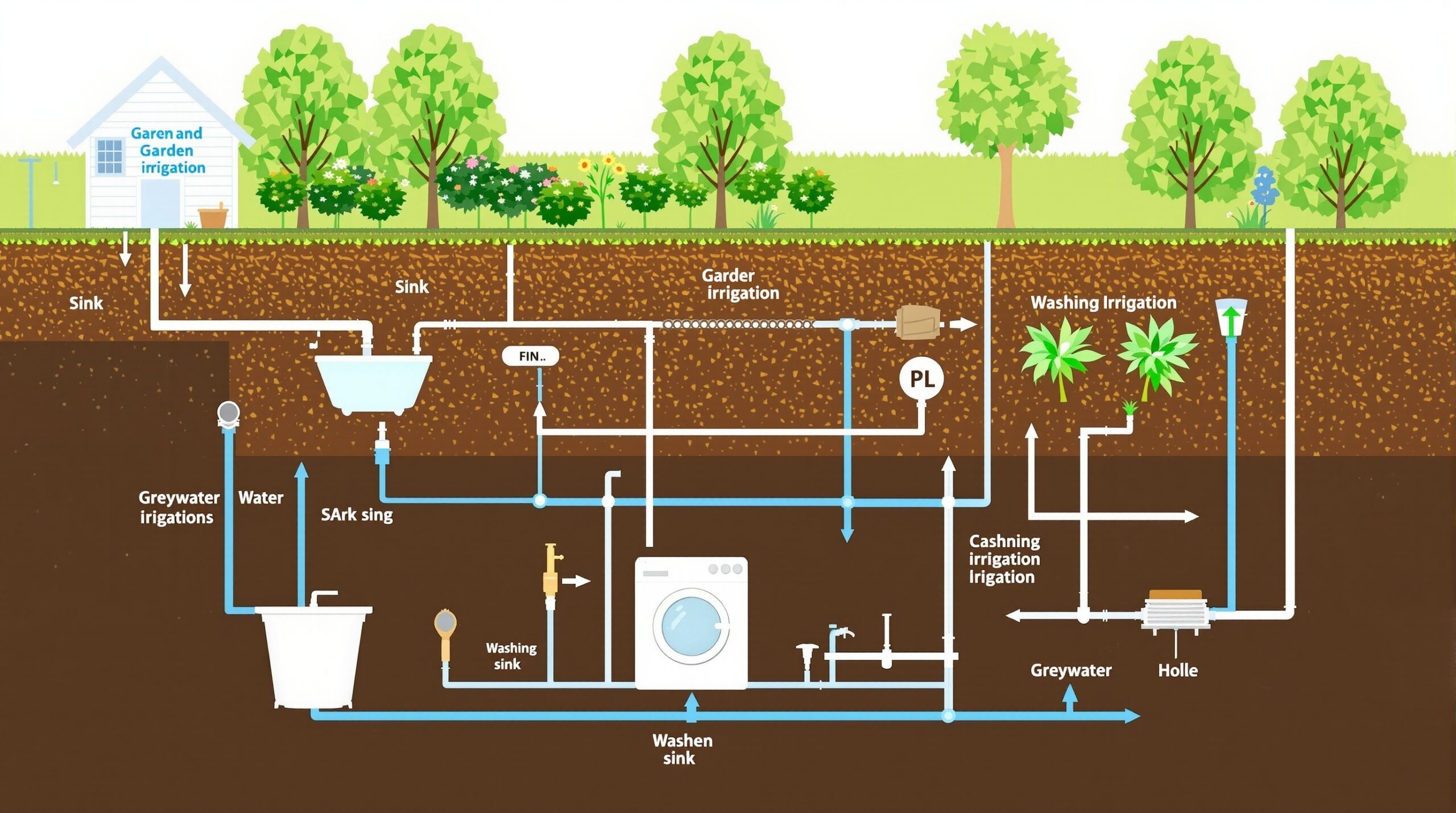
At its core, a greywater system is a water management solution designed to recycle and repurpose water that would otherwise be considered waste. When water flows down your drain after a nice, steamy shower or from the rinse cycle of your washing machine, it usually ends up in treatment facilities. However, with a greywater system, this lightly-used water is intercepted and redirected for beneficial applications, like irrigating your garden or flushing your toilets. This shift not only promotes sustainability but also enhances our ability to conserve one of our most precious resources: water.
So, how does a greywater system work? It typically involves a network of pipes and filtration systems that collect greywater at the source, cleaning it sufficiently for reuse without the need for extensive treatment. Once treated, this water can flow through a dedicated irrigation system or directly into your toilets. Most importantly, these systems must adhere to local regulations to ensure safety and environmental integrity.
Greywater Usage Guidelines
Regulations vary from state to state, but in Delaware, there are straightforward guidelines designed to ensure that greywater is used responsibly. Homeowners must be aware of what type of greywater is acceptable, how to store it, and how often it should be dispersed in order to prevent contamination or health hazards. It’s also essential for homeowners to consider appropriate filtration systems and application methods to keep their plants and family safe.
| Type of Greywater | Permitted Uses | Precautions |
|---|---|---|
| Bathroom water | Irrigation for non-edible plants, toilet flushing | Avoid use on food crops; allow adequate filtration |
| Kitchen greywater | Toilet flushing | Must be filtered to prevent clogs; limit use to non-food pots and pans |
| Washer water | Irrigation for ornamental gardens | Use biodegradable detergents; monitor for any potential toxicity |
Implementing a greywater system opens the door to eco-friendly practices that reduce your reliance on municipal water systems and lessen the burden on local water resources. Plus, it’s a simple yet effective way to promote a sustainable lifestyle that aligns directly with Delaware’s environmental goals. But understanding the ins and outs of greywater systems is just the first step. The next logical progression is appreciating the wide array of benefits that eco plumbing can bring to your home while ensuring compliance with local regulatory frameworks.
The Benefits of Eco Plumbing
By integrating greywater systems into household plumbing, homeowners champion a movement towards eco-friendly practices that resonate deeply with contemporary environmental sensibilities. This shift is more than a mere trend; it’s a tangible commitment to sustainability that reverberates through our homes and into the wider world. The benefits of eco plumbing extend far beyond personal convenience, marrying comfort and conscience in a seamless embrace.
To begin with, the most profound advantage of greywater systems is their remarkable ability to significantly reduce water waste. Traditional plumbing routes high volumes of water straight to treatment centers, where it undergoes extensive processing before returning to our homes as drinkable water. This not only consumes valuable energy but also places an undue strain on our already overburdened water resources. In contrast, greywater systems recycle water right at the source, allowing homes to utilize this lightly used resource for essential functions like irrigation and toilet flushing. Imagine the impact if every residence employed greywater systems; the collective reduction in water consumption could lead to a substantial decrease in the demand on local freshwater sources.
Moreover, eco plumbing is aligned with a sustainable lifestyle. The integration of greywater systems encourages homeowners to be more mindful of their water usage. Families begin to reconsider daily habits—from shower length to the number of loads of laundry per week—ultimately developing a greater awareness of the precious resource flowing through their taps. By cultivating these eco-conscious practices, household ecosystems flourish, visibly flourishing gardens benefit from recycled water, and toilets flush with a system that utilizes what would typically go to waste. This symbiotic relationship between greywater usage and daily water efficiency fosters a broader societal shift towards sustainability.
Utilizing greywater also directly contributes to local environmental goals. As communities strive to safeguard their natural resources and combat water scarcity, eco plumbing becomes a vital ally in achieving these objectives. By implementing greywater systems, residents take a proactive stance against issues like drought, illustrating a commitment to preserving water for future generations. The ripple effect of such initiatives can inspire entire neighborhoods or even regions to adopt similar practices, crafting a community who collectively prioritizes ecological responsibility.
Furthermore, the adoption of eco plumbing isn’t just beneficial from an environmental standpoint; it also enhances the resilience of our water systems. With the increasing challenges posed by climate change and population growth, the demand for water is only set to rise. Greywater systems serve as a form of insurance against fluctuating water supply conditions, fortifying homes against potential water scarcity. By investing in these systems, homeowners secure not just their water independence, but also contribute to the long-term sustainability of the local ecosystem.
In conclusion, integrating greywater systems into home plumbing is a powerful measure that extends well beyond simply reducing water waste. This eco-friendly practice fosters a culture of sustainability, encourages mindful water usage, and upholds the integrity of local water resources. As Delaware continues to embrace environmental initiatives, incorporating greywater solutions stands as a testimony to our collective responsibility towards a greener future. The stage is set for informed, environmentally conscious practices aimed at nurturing both our homes and the planet, making a compelling case for every homeowner to consider the ecological benefits of eco plumbing.
Delaware’s Greywater Regulations
While the advantages of greywater systems are clear, understanding the regulations governing their implementation is equally vital for homeowners in Delaware. The state has established a comprehensive legal framework designed to ensure that greywater systems are not only effective but also safe for the community and the environment. Grasping this regulatory landscape is the first step for homeowners looking to contribute to eco-plumbing practices while adhering to state laws.
Delaware’s greywater regulations are overseen by the Department of Natural Resources and Environmental Control (DNREC), which sets forth standards to manage water quality and safeguard public health. To create a responsible system, homeowners need to familiarize themselves with these regulations, which dictate the types of greywater that can be reused, the acceptable applications for this water, and necessary treatment methods. Understanding these guidelines will ensure that the system functions optimally without risking contamination or public safety.
One of the core tenets of Delaware’s regulations is the requirement for proper system installation. Homeowners must engage licensed professionals experienced in the state’s water management policies to design and install their greywater systems. This not only guarantees compliance with local laws but also fosters best practices in plumbing and water conservation. Collaboration with experts ensures that systems are tailored to fit unique household needs while still adhering to the state’s rigorous standards.
Moreover, Delaware’s regulations encompass important safety measures. For instance, greywater should be kept separate from potable water to avoid any potential cross-contamination. The rules may also include guidelines on the installation of physical barriers, filtration systems, or even treatment protocols to make certain that reused water remains safe for its intended purpose. As such, understanding these details can empower homeowners to implement their greywater systems with confidence that they are prioritizing community health alongside environmental stewardship.
Before beginning the installation process, it is critical for homeowners to research local codes diligently. This can include reviewing municipal ordinances or consulting with local government offices responsible for water management. By doing so, homeowners pave the way for a smoother implementation process, reducing the risk of running into compliance issues later on.
In addition to local regulations, homeowners should also consider any homeowner association (HOA) rules, particularly in communities with shared water sources or specific landscaping requirements. Engaging with HOA boards and ensuring compliance with their guidelines will help in avoiding potential conflicts and foster community support for eco-friendly initiatives.
By paying close attention to these regulatory frameworks, homeowners in Delaware can confidently embark on the journey to implement greywater systems. Compliance not only enables efficient water reuse practices but also underscores a commitment to sustainable living that benefits entire neighborhoods and natural ecosystems alike. In understanding Delaware’s greywater regulations, residents take a proactive step not only toward environmental responsibility but also towards enhancing the resilience of their own homes and communities. As we look toward a future where eco-friendly practices take center stage, awareness of these guidelines becomes an invaluable tool in creating a sustainable legacy.
To successfully implement greywater systems in Delaware, homeowners should embark on a methodical approach that ensures compliance and effective integration with existing plumbing. Here are the crucial steps to guide you through the process:
1. Research Local Codes and Obtain Necessary Permits
Start by assessing the specific regulations that govern greywater systems in your local municipality. Contact the Delaware Department of Natural Resources and Environmental Control (DNREC) for the latest guidelines and requirements. Review municipal ordinances related to greywater use, as these can vary significantly from one area to another. Additionally, secure the necessary permits that are mandated for installation to align your project with state and local regulations.
2. Consult with Water Management Professionals
Engaging with licensed professionals who specialize in greywater systems and are familiar with Delaware’s guidelines can make a critical difference in your project’s success. These experts have the knowledge needed to design a custom system that not only adheres to regulations but also meets your household needs. Look for professionals who have a proven track record in the region, as they will better understand any unique challenges posed by local soil and climate conditions.
3. Design the System for Your Home
With the help of professionals, work on a design that considers your household’s specific greywater sources, such as bathroom sinks, showers, and washing machines. A thorough assessment will help determine the best way to collect, filter, and reuse the water. Ensure that your design includes physical separation from potable water lines, aligning with safety protocols to prevent cross-contamination.
4. Secure Community and HOA Support
If you live in a community governed by a Homeowners Association (HOA), it’s essential to review their guidelines regarding irrigation practices and water reuse. Proactively engaging with the HOA can foster support for your eco-friendly project and minimize potential conflicts. A public forum or meeting may serve as an avenue for you to present your plans, showcasing the positive environmental impact of your greywater system.
5. Install the System
Once all plans are approved and permits granted, it’s time to install the greywater system. Ensure that this is done by qualified professionals who understand the intricacies of Delaware’s plumbing laws. During installation, adhere strictly to all safety measures and regulations, including proper filtration and treatment methods to ensure water quality.
6. Adhere to Maintenance Guidelines
Post-installation, maintain your greywater system rigorously to ensure optimal performance and safety. Schedule regular inspections and service, and keep records of all maintenance activities, including water testing and repairs. Proper upkeep will not only extend the life of the system but also ensure compliance with any ongoing regulations.
7. Educate Your Household
Finally, educate all household members about the functionality and importance of the greywater system. Make them aware of what’s appropriate to send down the drains that will connect to the greywater system and the broader environmental impact of conserving water.
| Step | Description |
|---|---|
| Research Local Codes | Consult with DNREC and local ordinances to understand regulations. |
| Consult Professionals | Engage licensed installers familiar with state guidelines. |
| Design Your System | Create a tailored plan considering household greywater sources. |
| Secure Community Support | Engage the HOA and community members to build support. |
| Install the System | Have qualified professionals install the greywater system. |
| Adhere to Maintenance Guidelines | Regular inspections and record maintenance activities. |
| Educate Your Household | Inform family members on system functionality and best practices. |
By following these structured steps, homeowners in Delaware can approach the installation of greywater systems with confidence. Not only do these efforts necessitate compliance with state laws, but they also serve as significant contributions to sustainable living practices that can benefit the environment and community at large.
Beyond the practical steps involved in implementing greywater systems, their environmental impact cannot be overstated. By integrating these systems into everyday life, homeowners not only take a proactive stance in enhancing their household sustainability but also play an integral role in protecting our planet’s precious resources. The environmental benefits of these systems are profound, particularly in the context of Delaware, where bursts of seasonal rainfall can create periods of both surplus and scarcity in water availability.
Greywater systems contribute significantly to annual water savings, allowing homes to reuse what would otherwise be wasted. Statistics show that an average family can recycle about 40% of their household water with a greywater system, translating to thousands of gallons saved each year. This dramatic reduction in water usage alleviates the burden on municipal water treatment facilities, which are often overwhelmed during peak demand seasons. With fewer resources consumed in processing and treating water, municipalities can allocate their budgets more effectively, thereby enhancing overall community resilience and reducing taxpayer expenditure.
In the grander scheme, these systems support the health of local ecosystems. By conserving water, greywater systems help maintain the natural hydrology within surrounding environments, which is crucial for sustaining plant and animal life. Ecosystems thrive on balance, and by preventing over-extraction from local water sources, homeowners contribute to preserving wetlands, rivers, and aquifers. This restoration of balance fosters biodiversity, enhances soil health, and encourages the revival of native flora and fauna, leading to a more resilient landscape overall.
Moreover, the integration of greywater systems aligns perfectly with Delaware’s conservation goals, which seek to manage water resources intelligently and sustainably. As local communities strive to protect against the adverse effects of climate change, such as droughts and flooding, greywater reuse serves as a frontline defense strategy. It reduces reliance on freshwater resources, decreases stormwater runoff, and mitigates the risks associated with extreme weather events—benefits that will only grow in importance as our climate continues to shift.
In conclusion, by implementing greywater systems, homeowners in Delaware are making a meaningful commitment to environmental stewardship. Every drop of water reused is a step towards enhancing ecosystem health and ensuring the sustainability of local resources. It’s not just about saving water—it’s about nurturing a proactive environmental ethic that prioritizes the earth’s well-being for future generations. Embracing greywater systems isn’t merely an individually beneficial choice; it stands as a collective investment in a cleaner, greener future for all.
To embark on this journey of sustainability, it’s crucial to distinguish between greywater and blackwater, as understanding this fundamental difference is the first step in responsibly managing water resources. Greywater is defined as any wastewater that does not contain human waste; it typically includes water from sinks, showers, and washing machines. Conversely, blackwater consists of wastewater that comes from toilets, containing human waste and other hazardous contaminants. This classification is vital, as it informs how each type of water can be treated and reused. Greywater, being relatively clean, can be efficiently recycled within households for non-potable uses, while blackwater requires more complex treatment processes and is generally not suitable for reuse without extensive processing.
In Delaware, the utilization of greywater comes with specific regulatory limitations to ensure safety and environmental protection. Homeowners are authorized to reuse greywater, but they must adhere to guidelines set forth by the Delaware Division of Water. These rules stipulate that greywater systems should not be used for drinking or food preparation and should be appropriately treated before reintroduction into the landscape. Moreover, there are restrictions regarding the types of plumbing systems permitted, aiming to prevent contamination and ensure public health. Understanding and following these regulations is essential not just for compliance, but also for maximizing the benefits of greywater systems while maintaining community safety.
In essence, the environmental advantages of greywater systems extend far beyond immediate water conservation. They serve as a formidable tool in mitigating urban runoff—a significant contributor to water pollution. By redirecting greywater toward landscape irrigation or toilet flushing, homeowners reduce the demand for treated potable water. This also lessens the volume of stormwater that would typically drain into storm sewers, thereby decreasing the risk of combined sewer overflows, which can introduce pollutants into local waterways during heavy rainfall. Hence, greywater systems provide a dual benefit: conserving precious water resources while promoting cleaner natural environments.
Before embarking on the installation of a greywater system, many homeowners wonder about the necessity of special permits. In Delaware, while general guidelines govern the implementation of greywater systems, obtaining a permit may be required depending on the scope and design of the system you choose. Homeowners should consult with local authorities to understand the specific regulations that apply to their situation, as this can vary across municipalities. Engaging with professionals experienced in greywater system installation can also help streamline this process and ensure that all local regulations are met satisfactorily.
In summary, embracing greywater systems is not merely an act of environmental consciousness; it is a proactive approach that aligns with regulatory frameworks while yielding significant ecological benefits. By differentiating between greywater and blackwater, understanding local restrictions, and evaluating the system’s advantages, Delaware residents can become stewards of water conservation, paving the way towards sustainable living. As communities grow and face increasing environmental challenges, adopting greywater solutions marks a vital step in fostering a green future—one drop at a time.
As Delaware’s residents become increasingly aware of the pressing need for sustainability, greywater systems emerge not just as an option, but as an essential element of responsible living. These systems utilize lightly used water, typically from sinks, showers, and laundry, to irrigate gardens and landscapes, showcasing a practical, circular approach to water use that promotes efficiency and conserves one of nature’s most valuable resources. Understanding the state’s regulations surrounding greywater can empower homeowners to make informed choices that enhance both their household sustainability and contribute to a broader eco-friendly movement.
Delaware’s regulations regarding greywater systems are designed to facilitate responsible reuse while ensuring environmental safety. Engaging with these guidelines not only assures compliance but represents an opportunity for homeowners to connect with their community’s sustainable goals. By familiarizing themselves with these legal requirements, homeowners can navigate the permitting process effortlessly, paving the way for a commitment to environmental stewardship that reverberates throughout the local area.
Furthermore, embracing eco-friendly plumbing solutions—such as greywater systems—promotes a culture of sustainability among neighbors and friends. When one household adopts these practices, it often inspires others to follow suit, creating a ripple effect that can lead to significant water conservation efforts at the community level. This communal shift toward sustainable practices fosters connections and creates a united front against environmental deterioration, amplifying the impact of individual actions and encouraging a collective investment in a more sustainable future.
In exploring greywater systems, homeowners open doors not only to practical water management but also to innovative landscaping solutions. Using recycled water for garden irrigation means that landscapes can be designed to thrive on minimal resources. Homeowners can beautify their outdoor spaces sustainably, opting for drought-resistant plants that celebrate local flora while significantly lowering water consumption. The marriage of aesthetics with functionality symbolizes a broader commitment to ecological responsibility, turning personal gardens into vibrant showcases of sustainability that provide education and inspiration to the surrounding community.
As climate change continues to influence weather patterns and stress local water resources, the relevance of greywater systems grows more undeniable. They serve as a bridge between necessity and opportunity, demonstrating how simple choices in our everyday lives can lead toward a more secure ecological future. Water conservation isn’t just about saving a resource; it’s about safeguarding the earth’s health and ensuring a livable climate for future generations. By choosing to implement greywater systems, Delaware homeowners are not merely adapting to a growing environmental crisis; they are becoming stewards of change, ready to participate actively in a sustainable lifestyle that benefits both individuals and the wider community.
The time to act is now. By embracing greywater systems and the accompanying sustainable practices, Delaware residents position themselves as leaders in the quest for a healthier environment. Whether through conversations with neighbors, participation in local planning efforts, or simply modifying their own homes, every contribution counts. Every system installed, every garden nourished, every conscious choice reflects a commitment not only to personal sustainability but also to the collective well-being of our shared environment. Let’s champion this movement together, making tangible strides toward an eco-conscious future for Delaware and beyond.