
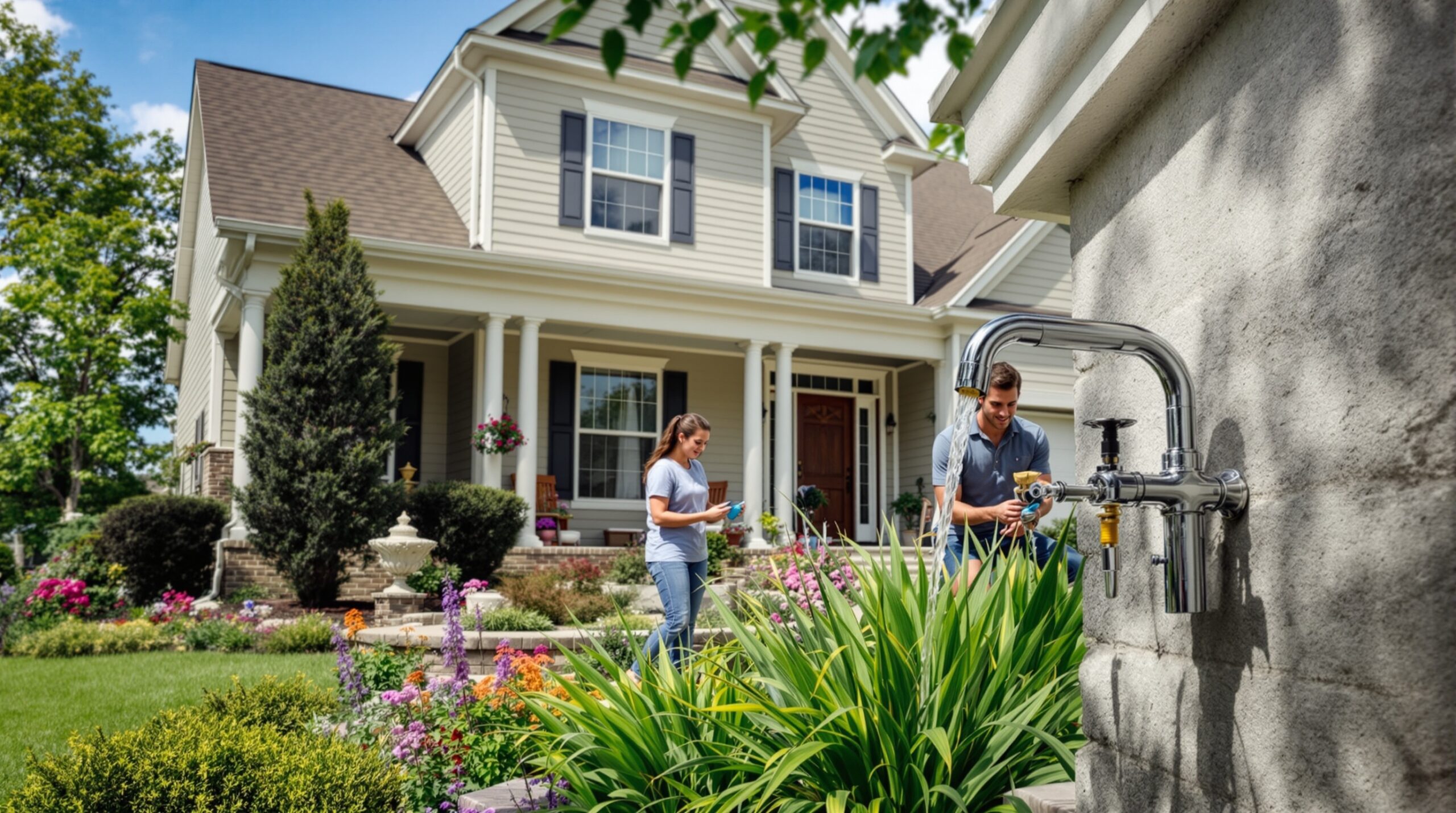
Welcome to Your Dream Home Journey!
Buying a house can feel like stepping into a maze. From choosing the perfect neighborhood to crunching numbers and dealing with paperwork, there are a lot of twists and turns along the way. But one of the most important parts of the home-buying adventure is often overlooked: plumbing! Yes, that’s right! Understanding the plumbing in your potential new home can save you from future headaches.
Why Plumbing Matters
Imagine walking into your dream house only to discover that the plumbing is a bit of a nightmare. Yikes! That’s the last thing anyone wants, right? Whether you’re envisioning cozy family nights or sunny brunches in your new home, the last thing you need is to worry about leaky pipes or clogged drains.
In Blackbird, DE, where charming homes meet peaceful landscapes, it’s essential to ensure that every aspect of your future abode is in tip-top shape. That’s where this handy plumbing inspection checklist comes in! This guide will help you rummage through the essentials so you can feel confident in your new space and dodge those hidden plumbing surprises.
Let’s dive into the plumbing essentials!
Foundation Water Flow Inspection
Navigating the maze of homeownership means examining the hidden corners—quite literally. As you embark on this journey, one critical yet often overlooked step is the foundation water flow inspection. This process allows you to delve beneath the surface of your home, ensuring that every faucet and fixture is functioning as it should. After all, water is a critical lifeline in any residence, and understanding its flow can prevent future headaches.
Begin your inspection by checking the water flow and pressure in all faucets and fixtures throughout the house. It’s not just about turning on the tap and seeing if water flows; it’s about gauging the consistency and strength of that flow. Low water pressure may be indicative of potential clogs, pipe corrosion, or larger plumbing issues lurking behind the walls. After all, no one wants to be in a situation where they have a half-filled bathtub when they’re ready for a relaxing soak!
Next, pay close attention to the water meter. This small device can yield invaluable information about the overall health of your plumbing system. If you notice the meter moving when no water is being used, it might be a sign of a hidden leak somewhere in the system. Such leaks can lead to water damage and mold growth, creating a costly nightmare you could have avoided with a keen eye at the start.
| Inspection Area | What to Check | Red Flags |
|---|---|---|
| Faucets & Fixtures | Check water flow and pressure by turning on each tap | Low pressure, inconsistent flow |
| Water Meter | Observe the meter for activity when no faucets are in use | Movement when not in use indicates a leak |
| Shower Heads | Turn on to check flow and spray pattern | Weak spray or unexpected drips |
| Toilets | Flush each one to ensure proper functionality | Slow refill times or constant running water |
During the foundation water flow inspection, take detailed notes on your findings. This practice will not only provide you with a comprehensive overview of the plumbing situation but also equip you with questions to ask your realtor or inspector. By taking the time to assess these often-neglected aspects, you not only arm yourself with knowledge but also empower yourself to make informed decisions for a lifetime of happiness in your new home.
Next up, we’ll dive into more essential plumbing checks to secure your dream abode!
Checking Plumbing Connections
As we continue our deep dive into the sometimes murky waters of home maintenance, let’s shift our focus to a pivotal yet often neglected aspect of your plumbing system: the checking of plumbing connections. It’s vital to ensure that all visible connections under sinks and behind toilets are securely tight and free from signs of corrosion or leaking. This seemingly minor inspection can save you from frustrating and costly issues down the road.
Start by getting up close and personal with your plumbing fixtures. Kneel down to examine the pipes beneath your kitchen sink and bathroom vanities. Take a moment to inspect each connection carefully; you’re looking for any loose joints that could result in undesirable drips or even larger leaks over time. If you notice any loose connections, tightening them with a wrench or screwdriver can be a quick fix that yields significant peace of mind.
Next, a keen eye is necessary for detecting signs of corrosion. Rusty or discolored pipes can be a telltale sign of an underlying problem. Look for spots where the metal’s integrity has been compromised, as this could lead to leaks that not only disrupt your plumbing system but also contribute to structural damage over time. Addressing this now could give your plumbing a fighting chance against the elements.
Furthermore, don’t overlook the caulking around wet areas, such as bathtubs and showers. This kind of sealing is more than just for aesthetics; it acts as a barrier preventing water from seeping into non-water-resistant areas, where it could wreak havoc. Check for any gaps, cracks, or signs of mold or mildew, as these may indicate water is escaping from where it should be contained. Re-caulking worn areas can re-establish a protective seal, giving you both reassurance and a cleaner appearance.
For a thorough inspection, here are some critical steps to follow:
- **Check All Visible Connections**: Inspect every exposed plumbing connection under sinks and behind toilets to ensure tightness. Look for any signs of water accumulation.
- **Watch for Corrosion**: Examine pipes closely for rust or discoloration. If you spot corrosion, take it as a cue to have them addressed.
- **Inspect Caulking**: Check around bathtubs and shower enclosures for cracks in the caulking. If you notice any wear, consider replacing it to prevent future leaks.
- **Trust Your Senses**: If you detect unusual sounds, smells, or dampness around plumbing areas, these could be early indicators of bigger problems.
By paying attention to these often-overlooked areas, you’ll not only extend the lifespan of your plumbing system but also invest in the comfort and security of your home. Remember, a little preventive maintenance today can pave the way for fewer emergencies tomorrow.
As you secure your plumbing connections, we’re ready to move on to another essential area of home maintenance: a detailed examination of sewer lines and drains. Let’s ensure that your home flows smoothly both inside and out!
Sewer & Drains Examination
With the plumbing connections secure and your home’s innards safeguarded, it’s time to venture into another critical aspect of your plumbing system: the sewer lines and drains. This often-invisible network plays a pivotal role, handling the outflow of wastewater and ensuring your home remains free of unpleasant odors and clogs. Conducting a thorough examination of these components is essential for maintaining a functional and healthy living space.
Begin with a systematic inspection of fixtures around your home. Pay close attention to every sink, toilet, and shower, and observe for any subtle signs of blockage. Slow drainage can be deceiving; what may seem like a minor annoyance could indicate a serious blockage developing in your sewer line. You can often test this by running water in your sinks and noting how quickly it disappears. If you notice persistent pooling or a sluggish drain, it’s wise to investigate further rather than hoping it will resolve itself.
Next, let’s turn our focus to the telltale signs of drains that are on the brink of trouble. Are you experiencing strange gurgling noises? Have you detected unpleasant odors wafting from your drains? These indicators could signal that your sewer line is under duress. They often serve as the early warning system, alerting you to potential issues that require your immediate attention.
Another method to assess your sewer lines is to keep an eye on your yard. Unexplained patches of lush grass or puddles in your yard can suggest that sewage is leaking underground. If certain areas appear greener or wetter than others, it could be a sign of a break in the line. This warrants a closer look and potentially requires professional assistance.
If granted access, consider also using a plumbing snake or auger to gently clear minor clogs that you may encounter in your drains. However, exercise caution; aggressive clearing could risk damaging your pipes. For a more thorough investigation, a video camera inspection can pinpoint issues within the sewer line that the naked eye cannot see. This technology allows for an inside look, helping identify cracks, root invasions, or severe blockages that could lead to more extensive repairs down the road.
As you engage in this meticulous examination of your sewer lines and drains, keep the following tips in mind:
- **Monitor Drain Performance**: Observe how water flows down each drain. Slow-moving water can indicate potential blockages lurking deeper within.
- **Notice Unusual Sounds and Smells**: Gurgling noises or foul odors can be telltale signs of sewer line distress—don’t ignore these indicators.
- **Inspect Your Yard**: Unexplained wet patches or overly lush areas may hint at underground leaks, meriting further inspection.
- **Use Tools Wisely**: Employ plumbing snakes for minor clogs, and consider professional video inspections for more complex issues.
Your diligence in checking these crucial areas can significantly enhance your home’s plumbing efficiency and longevity. By being proactive about sewer lines and drains, you invest in the well-being of your entire household, ensuring that every drop of water flows where it should, enhancing your comfort and reducing stress.
Having navigated through the unseen depths of sewage and drainage, our focus shifts to another essential component of your home: your hot water heater. Let’s explore how to ensure it delivers consistent, reliable service for all your hot water needs!
Hot Water Heater Vigilance
Your hot water heater is as vital to your home as the foundation stones are to a sturdy building. It ensures you have hot water for everything from morning showers to dishwashing and laundry. However, like any appliance, it requires careful monitoring to maintain efficiency and prolong its lifespan. Here are the key aspects you should examine: age, rust, capacity, and functionality.
**Inspect the Age**: The first step in your vigilance is to determine the age of your hot water heater. Typically, water heaters have a lifespan of around 10 to 15 years. Look for the serial number—often found on a sticker on the unit—to decipher the manufacturing date. If you discover that your heater is nearing the end of its expected life, it’s wise to start planning for a replacement. Awareness of this timeline can help you avoid sudden cold showers!
**Look for Rust**: Rust is a clear enemy of longevity when it comes to water heaters. Conduct a visual inspection of the exterior of your unit, paying close attention to connectors and fittings. If you notice rust spots, it may indicate that the tank is compromised, potentially leading to leaks. Furthermore, routinely check for rust or sediment buildup at the bottom of the tank, which can severely affect efficiency and water quality. If you encounter significant rust, consider consulting a professional about possible repairs or replacement.
**Review Capacity**: Next, assess whether your water heater’s capacity aligns with your household demands. Typical household sizes will often require a heater with a minimum capacity of 30 to 50 gallons. To evaluate if your current model is adequate, consider your daily hot water usage. Are you running out of hot water during peak usage times? If so, it may be time to upgrade to a larger capacity model to accommodate your family’s needs without interruptions.
**Test Functionality**: Functionality testing is crucial for ensuring that your water heater operates efficiently. Start by checking the temperature setting; ideally, it should be set at around 120 degrees Fahrenheit for optimal comfort and energy savings. Next, inspect for any unusual sounds like popping or rumbling, which may indicate sediment buildup inside the tank. It’s also essential to check the pressure relief valve, which should release water when the pressure exceeds safe levels. Regularly flushing your tank to remove sediment build-up can improve performance and extend your heater’s life.
| Inspection Item | What to Look For | Recommended Action |
|---|---|---|
| Age of Heater | Identify manufacturing date from serial number | Prepare for potential replacement if over 10-15 years |
| Rust | Check for rust spots and sediment buildup | Consult a professional if significant rust is found |
| Capacity | Assess if capacity meets household demands | Consider upgrading if running out of hot water |
| Functionality | Test temperature settings and listen for unusual sounds | Flush the tank regularly and seek repairs if needed |
By taking a proactive approach to your hot water heater, you can ensure a steady supply of hot water for your home while enhancing its overall efficiency. Regular inspections will aid in early detection of issues, allowing you to focus on enjoying the comfort of hot water rather than worrying about unexpected breakdowns.
Having covered the importance of vigilance around your hot water heater, our journey next leads us to a comprehensive appraisal of your home’s pipes. Let’s examine the condition of exposed pipes, check for wear and tear, and ensure all valves function correctly without any signs of leakage.
Comprehensive Pipe Appraisal: As the unsung heroes of your home’s plumbing system, the pipes work diligently behind the scenes, ensuring water flows freely for your everyday needs. However, these essential conduits are often taken for granted until something goes awry. Conducting a thorough appraisal of your exposed pipes can save you from costly surprises down the road. Here’s how to go about it effectively.
Check for Wear and Tear: The first step in your pipe appraisal is to visually inspect exposed pipes for signs of wear and tear. Look for discoloration, cracks, or bulging in the pipes, as these can be indicators of stress or damage. Additionally, pay attention to any unusual noises, such as banging or whistling. These sounds often indicate airflow issues or loose pipes, which can lead to more significant problems if not addressed. Regular visual checks can help you spot early warning signs before they escalate into leaks or bursts.
Examine for Corrosion: Corrosion can become a silent nemesis in your plumbing system, gradually weakening the integrity of your pipes. Inspect metal pipes for any signs of corrosion, such as rust or flaking. If you discover any corroded sections, it may be time to consider partial or complete replacement to uphold your plumbing system’s reliability. In addition to checking for external signs, keep an eye on water quality—discoloration or metallic tastes may indicate corrosion within the pipes, warranting further investigation.
Valve Functionality: Valves are crucial components in your plumbing system, controlling the flow of water and allowing for easy isolation during repairs. Check that all valves are accessible and fully functional, ensuring they open and close seamlessly. Stiff or leaky valves can be a red flag, suggesting they may need repair or replacement. Regularly exercising the valves by turning them on and off can help prevent them from seizing up over time, ensuring they are in good working order when you need them most.
Watch for Leakage: A small leak can quickly turn into a big problem if left unchecked. While conducting your appraisal, closely examine all joints and fittings for signs of moisture or water stains. These could be telltale signs of a leak that, if neglected, might lead to significant water damage. If you notice any issues, don’t hesitate to reach out to a qualified professional to assess the situation and take appropriate action before it escalates.
| Inspection Item | What to Look For | Recommended Action |
|---|---|---|
| Wear and Tear | Discoloration, cracks, or bulging | Address any visible damage promptly |
| Corrosion | Rust, flaking, or discoloration | Consider replacement if corrosion is significant |
| Valve Functionality | Stiffness or leaks | Regularly exercise valves and repair if necessary |
| Leakage | Moisture or water stains | Contact a professional for assessment |
By regularly appraising the condition of your home’s exposed pipes, you can ensure that your plumbing system operates smoothly and efficiently. A proactive approach not only helps you identify minor issues before they become major headaches but also gives you peace of mind that everything is in working order as you navigate your real estate ventures.
As plumbing issues can create significant hurdles in real estate transactions, equipping yourself with this comprehensive checklist is invaluable. For further peace of mind, consider enlisting a professional plumber to conduct a thorough inspection before finalizing any purchase or sale. Happy house hunting!
Navigating Plumbing Issues in Real Estate Transactions: When it comes to purchasing a home, plumbing issues are not just a minor inconvenience; they can derail the whole transaction. Whether you’re buying your first house or looking for that dream upgrade, being aware of potential plumbing problems can save you from future stress. A faulty plumbing system can lead to not only structural issues in the home but can also affect your investment in terms of resale value and prolonged maintenance. Understanding how to deal with these hurdles is essential for a smooth buying experience.
Upon discovering a plumbing issue post-purchase, the first step is to immediately contact a licensed plumber for a professional evaluation. Their expertise can help identify the severity of the problem, providing clarity on the necessary repairs or modifications. Whether it’s a minor leak or a substantial blockage, having a licensed professional assess the situation helps you understand what you’re dealing with—information that’s crucial for the next steps.
Once you’ve received a thorough evaluation and recommendations from your plumber, your focus should shift to negotiations with the seller. Depending on the inspection findings, you may find it beneficial to discuss potential fixes or adjustments with the seller to ensure that the plumbing system is brought up to par before the keys are handed over. This dialogue not only addresses your immediate concerns but also aims to protect your investment by ensuring the home’s plumbing operates efficiently from day one.
Why a Plumbing Inspection Matters: Conducting a plumbing inspection before sealing the deal on a home can significantly mitigate risks associated with plumbing challenges. It not only highlights potential problems but also provides insight into the overall health of the plumbing infrastructure. Buyers can better position themselves in negotiations, armed with knowledge about the condition of the plumbing system. Furthermore, investing in a reliable property means fewer headaches later on—giving you both security and peace of mind as you settle into your new home.
How Often Should Inspections Be Made?: If you’ve already purchased your dream home, it’s not too late to start a routine check-up. Regular inspections of your plumbing system should be scheduled every 1-2 years to keep everything functioning optimally. This preventative measure allows you to catch small issues before they snowball into significant repairs, guaranteeing that your plumbing remains in tip-top shape for years to come.
As you embark on your property adventure in Blackbird, DE, remember that knowledge is power. Plumbing issues can be daunting, but with the right tools and information in hand, you can navigate these challenges with confidence. Employing a checklist during your inspections and keeping a professional plumber on your speed dial will ensure your real estate journey is both secure and enjoyable. With proper care and attention, you can look forward to countless happy memories in your new home.
Understanding the Impact of Plumbing Issues on Real Estate Transactions: When embarking on a real estate journey, the excitement of finding your dream home can quickly be overshadowed by the complexities involved in the transaction process. One of the most crucial yet often overlooked elements of property evaluation is plumbing. Delving deep into the plumbing landscape of a prospective home can unveil hidden quandaries that could deter prospective buyers or complicate sales. It’s essential to recognize that plumbing issues—ranging from minor leaks to significant drainage problems—can create significant hurdles in real estate transactions, often resulting in hold-ups or negotiations that could have been avoided with prior diligence.
Prevention is the Best Cure: To navigate the turbulent waters of real estate with confidence, you can arm yourself with a comprehensive checklist that outlines the key plumbing areas to assess before making any commitments. This systematic approach allows potential buyers and sellers alike to be proactive rather than reactive. Imagine approaching a house viewing with a checklist in hand, ready to detect potential plumbing pitfalls that could potentially disrupt your plans. From checking pipe conditions to evaluating drainage systems, being well-prepared creates a more informed negotiation space.
Empower Yourself with Knowledge: The importance of understanding the plumbing framework within your chosen property can be transformative. Knowledge is power, and being equipped to identify potential issues not only boosts your confidence in making an offer but also strengthens your bargaining position. Sellers too can benefit; addressing plumbing concerns before listing can lead to a smoother transaction and potentially enhance the value of their property in the eyes of apprehensive buyers. After all, who wouldn’t prefer to seal a deal where plumbing uncertainties have already been laid to rest?
Don’t Underestimate Professional Inspections: While a checklist is a useful tool, it’s invaluable to remember the expertise that a qualified professional plumber can bring to the table. A thorough inspection conducted by a plumbing specialist can uncover problems that may not be immediately visible to the untrained eye. Their expertise allows for a complete understanding of the plumbing system, providing insight into issues that could pose a risk down the line and offering peace of mind as you navigate the complexities of real estate transactions.
Conclusion: A Secure Path to Homeownership: Whether you’re buying or selling, ensuring that your plumbing systems are in excellent condition is paramount. By fortifying your understanding of potential plumbing issues and conducting thorough inspections, you’re taking significant proactive steps towards a seamless real estate experience. Embrace this opportunity to explore your potential property with newfound confidence and prepare yourself for any hurdles that may arise.
So remember, for further peace of mind, consider enlisting a professional plumber to conduct a thorough inspection before finalizing any purchase or sale. With the right knowledge and resources at your disposal, happy house hunting awaits!