
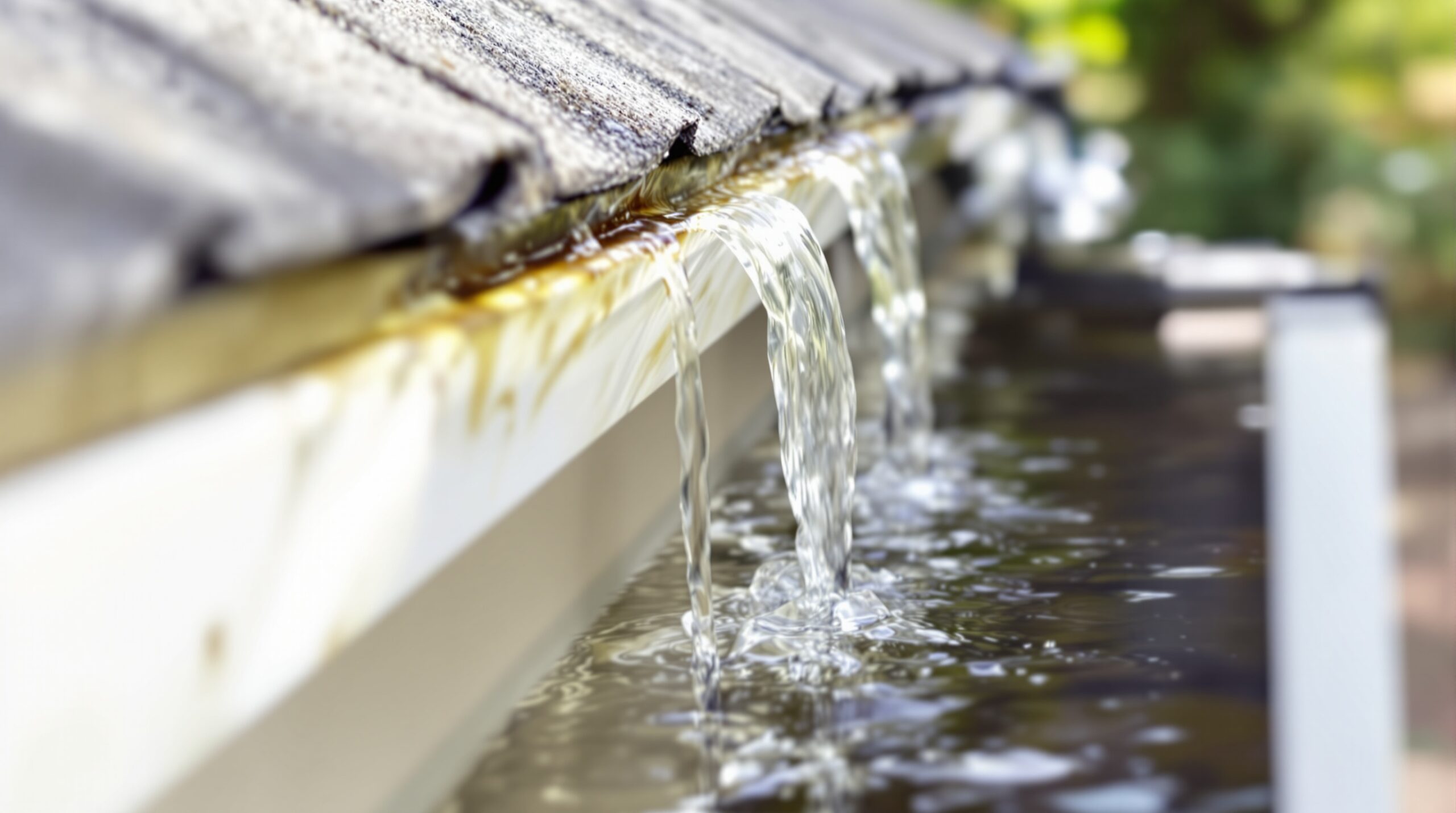
Welcome Spring: A Time for Blooms and Showers
As spring tiptoes into Middletown, we are greeted by the beauty of colorful flowers blossoming and the delightful warmth of the sun on our skin. It’s the time of year when families venture outdoors, parks buzz with life, and gardens burst with color. Yet, amidst all this vibrancy, there’s a less cheerful guest arriving: the seasonal rain. While it nourishes our gardens and replenishes our rivers, it can also create quite a challenge for our homes—especially our plumbing systems.
Preparing for Spring Showers
The showers that grace our lovely town might bring life to our landscapes, but they can also overwhelm plumbing systems that aren’t ready to handle the rush of water. Overflowing gutters, backed-up drains, and flooded basements are not the kind of surprises any homeowner wants to face as they step into the season of renewal. Fortunately, with a little preparation, we can safeguard our homes and enjoy a worry-free spring.
In this guide, we’re diving into essential tips for prepping your plumbing to ensure your home stays dry and protected during those spring downpours. By taking some time now to check and prepare your plumbing, you can set the stage for a peaceful, carefree season filled with sunshine, flowers, and family fun!
Assess Your Gutters and Downspouts
As the gentle rains of spring arrive, one of the most essential aspects of your home to inspect is the gutter system. This often-overlooked component plays a pivotal role in protecting your property from water damage. Clean and efficient gutters ensure water flows smoothly away from your roof and foundation, preventing potential issues before they arise.
Start by getting up close and personal with your gutters. Clear them of any leaves, twigs, or debris that may have accumulated over the winter months. A blockage can lead to overflowing gutters, allowing water to cascade down the sides of your home, which can ultimately result in damp walls or flooded basements. Once cleared, rinse them out with a hose to ensure that water flows freely.
Additionally, pay attention to your downspouts—these are your gutters’ best friends, directing rainwater away from your home’s foundation. Make sure each downspout is firmly attached and funneling water at least three feet away from your house. Consider placing splash blocks or diverters at the end of each downspout to guide water further away from your home, minimizing the risk of water pooling at your foundation.
To help guide you in assessing your gutters and downspouts, take a look at the table below, which outlines key maintenance steps and their frequency:
| Maintenance Task | Frequency | Notes |
|---|---|---|
| Clear gutters of debris | Twice a year | More frequently if you have overhanging trees |
| Inspect for sagging or loose sections | Annually | Ensure proper alignment for optimal water flow |
| Check downspouts for blockages | Annually | Use a plumber’s snake if needed for hard-to-reach clogs |
| Ensure downspouts direct water away | During rainy seasons | Use splash blocks if necessary |
As spring rain showers come and go in Middletown, taking these proactive steps to assess and clean your gutters and downspouts will go a long way in protecting your home from potential damage. A little maintenance now can lead to a peaceful season that allows you to bask in the beauty of blooming flowers and enjoy the fresh air without worrying about leaks or puddles in your home. Up next, we will discuss another crucial aspect of your plumbing system: checking for leaks. Ensuring that both indoor and outdoor fixtures are functioning properly will keep your systems running smoothly and avoid any unwelcome surprises.
Check for Plumbing Leaks
As spring awakens nature, it also nudges us to pay close attention to a critical but often overlooked aspect of home maintenance: plumbing leaks. These sneaky issues can start small—a droplet here, a trickle there—but the impending heavy rains can escalate these minor annoyances into significant headaches if left unchecked. Taking time to inspect both your indoor and outdoor water fixtures is not just a seasonal recommendation; it’s a proactive measure to safeguard your home and enhance its longevity.
Begin your inspection indoors by examining faucets, showerheads, and toilet tanks. A faucet dripping just a few times a minute may seem trivial, but over the course of a month, it can waste gallons of water and lead to soggy floors and long-term damage. Ensure that you also check the seals and connections on your appliances like dishwashers and washing machines for any signs of leaking water.
Next, make your way outdoors. Inspect hose bibs and irrigation systems, where leaks can often occur. Pay particular attention to the hoses themselves—look for cracks, signs of wear, or loose fittings that could allow water to escape. While you’re at it, take a moment to check any outdoor spigots for leaks when they’re turned on. Ensure that hoses are disconnected and stored properly when not in use to reduce wear over time.
Don’t forget about the hidden plumbing behind your walls. While it may be harder to examine, look for signs of moisture or discoloration on walls and ceilings, which may indicate a more severe issue lurking beneath the surface. If you suspect a hidden leak, it might be advisable to consult with a plumbing professional to conduct a thorough examination.
For a comprehensive approach, keep a checklist handy as part of your spring maintenance routine:
- Faucets and Showerheads: Look for visible drips or moisture around joints.
- Toilets: Conduct a dye test by adding food coloring to the tank; if the color appears in the bowl, there’s a leak.
- Hose Bibs: Check for drips when turned on and inspect hoses for disrepair.
- Indoor Plumbing: Be attentive to signs of water stains on walls or ceilings.
By diligently scanning your plumbing fixtures for leaks, you will not only enhance your home’s health but also ensure a relaxed and worry-free rainy season. Remember, prevention is always easier than repair! And as the potential for April showers arises, don’t neglect another vital factor in basement water management: your sump pump. Next up, we will discuss how to ensure your sump pump is functioning effectively to keep your basement dry.
Test Your Sump Pump
As the skies darken and the spring rains approach, there’s one unsung hero in your home that demands your immediate attention: the sump pump. Often tucked away in the basement, this device is a frontline defender against water intrusion, working diligently to keep your home free from the clutches of flooding. But, just like any trusty ally, your sump pump requires regular testing to ensure it performs at peak efficiency when you need it most.
Start by locating your sump pump and conducting a visual inspection. Is there any visible debris around it? Is the basin clean, allowing for easy drainage? A quick cleaning session can make a world of difference, eliminating any obstacles that could prevent the pump from functioning effectively.
Next, put your sump pump to the test. The process is straightforward—fill the sump pit with water, either from a bucket or using a hose. Watch as the water rises; the pump should activate automatically, whirring to life as it efficiently drains the water out of the basin. If it fails to turn on, you may have a problem that needs urgent attention. In such cases, consult a professional to diagnose the issue and recommend necessary repairs.
Moreover, consider the age of your sump pump. Like all mechanical devices, they don’t last forever. If your pump is approaching the end of its lifespan or has frequent repair needs, investing in a new unit could save you from considerable headaches down the line.
One of the best practices to enhance your flood defense strategy is to install a backup system. Power failures can occur during heavy storms, leaving your sump pump unable to function. Battery backup sump pumps or water-powered backup systems can provide that extra layer of protection, ensuring that you’re covered even when the power is out. It’s a small investment for peace of mind!
As you move through your spring maintenance checklist, make sure to include your sump pump in the lineup. By doing so, you effectively bolster your home’s defenses against potential flooding. A little attention now can lead to a more secure and stress-free space when the rainy season rolls around.
Inspect Yard Drainage Systems
Once you’ve ensured your sump pump is ready to perform, it’s time to turn your attention to the landscaping around your home. One of the most critical aspects in the fight against water damage is the efficiency of your yard drainage systems. Properly designed and maintained drainage systems are your first line of defense against rainwater pooling, which can lead to a myriad of water-related problems—everything from undermined foundations to mold growth. A little preemptive action can save you from serious headaches as the spring rains arrive.
First and foremost, inspect your yard drains and French drains. Start by checking the areas where water is supposed to flow. Are the drains free from debris such as leaves, sediment, or mud? Clogs can form quickly during rainy spells, so it’s essential to clean out any blockages that could prevent water from being directed away from your home effectively. If you find that your drains are not functioning as intended, a thorough cleaning or professional service might be necessary.
Next, assess the grading of your yard. Does the landscape slope away from your home? A well-graded yard encourages water to flow away rather than pool near your foundation. If you notice low spots or areas where water collects after rainfall, you may have to consider regrading your yard to prevent future issues. Remember, standing water is a breeding ground for both insects and costly restoration work.
Moreover, take a close look at how rainwater moves from your roof down to the ground. Is your gutter system in good shape? Check that gutters and downspouts are securely attached and free from blockages to avoid overflow. Ensure downspouts direct water at least six feet away from your home’s foundation—this is crucial in preventing basement flooding and foundation damage.
| Drain Type | Common Issues | Inspection Tip |
|---|---|---|
| Yard Drains | Clogs from leaves or debris | Clear regularly, especially before and during rainy seasons |
| French Drains | Trench sediment buildup | Flush with water to remove buildup and check for proper flow |
| Gutters | Overflow due to blockages | Clean out gutters and downspouts at least twice a year |
| Downspouts | Incorrect drainage angle | Ensure downspouts extend six feet from the foundation |
Lastly, if you’re still encountering water issues despite having clear drains, consider installing additional drainage solutions. It might be time to look into catch basins or trench drains in particularly troublesome areas. Engaging a professional can lead to tailored solutions specific to your yard’s unique challenges.
By dedicating time now to inspect and maintain your yard drainage systems, you deter future water pooling and its detrimental effects on your home. A well-drained yard is crucial to maintaining both your landscaping and your home’s structural integrity, providing peace of mind as you transition into the rainy season.
However, while your yard drainage systems are a vital aspect of water management, don’t overlook another critical component of your home: your plumbing. With the impending arrival of spring rains, it’s essential to confirm proper water pressure within your plumbing system. Sudden fluctuations in water pressure can be particularly challenging, putting unnecessary strain on pipes and fixtures, which may lead to leaks or burst pipes when they’re least expected.
Start by checking the water pressure levels in your home using a pressure gauge, which can be easily attached to an outdoor faucet. Ideal water pressure typically ranges from 40 to 60 psi. If you notice that your readings fall outside this threshold, it might indicate issues either within your home’s plumbing system or the municipal supply. High pressure, while not always damaging, can lead to severe wear and tear on your plumbing fixtures, including faucets, showers, and your water heater. Conversely, low pressure could impede water flow, creating inconveniences in your daily routines.
Should you discover irregular pressure levels, it might be time to investigate further. High water pressure often results from issues like a malfunctioning pressure regulator or other upstream faults in the municipal service. For low pressure, pipe blockages, leaks, or even municipal maintenance work could be culprits. Engaging a licensed plumber to perform a thorough inspection not only allows you to pinpoint the root cause but also ensures all plumbing components are functioning optimally before the rains set in.
Another essential consideration is testing your plumbing fixtures, especially those that are frequently used, to confirm they can handle the anticipated changes. Make sure to run taps and flush toilets to observe their response, and look out for any unusual sounds, leaks, or inconsistent performance. These minor tweaks now can save you major headaches down the line.
In situations where you’re still experiencing fluctuations, consider installing a pressure-reducing valve or adjusting existing settings to stabilize the pressure. This step can help maintain consistent water flow, minimizing the risk of damage caused by pressure spikes.
Furthermore, as you prepare for those spring showers, don’t forget to keep a vigilant eye on your appliances that rely on water. Washing machines, dishwashers, and water heaters should all be inspected for any potential vulnerability to pressure changes. Ensuring that hoses are not kinked and connections are secure can help guarantee their safe operation through the wet season.
By confirming proper water pressure in your plumbing system, you take a proactive approach that safeguards your home against potential damage caused by unforeseen pressure changes during the spring rains. It’s a crucial step in securing both the longevity of your plumbing and the comfort of your household. Investing time into these checks means you can greet the rainy days of spring with a sense of ease, knowing that your home is prepared to handle whatever nature brings.
By taking time to prepare your plumbing systems for spring rains, you safeguard your home against unnecessary damage and the stress of unexpected repairs. One often overlooked yet vital aspect of plumbing maintenance is the role gutters play in the overall health of your household’s water management. Clean gutters ensure that rainfall is directed away from your home’s foundation, preventing water from overflowing and causing potential havoc on both your plumbing system and your home’s structural integrity.
Imagine a heavy downpour saturating your yard. Without well-functioning gutters to channel that water efficiently, it may begin to pool around your foundation, leading to unwanted moisture infiltrating your basement or crawl spaces. This not only promotes the development of mold and mildew but can also undermine the very foundation of your home, resulting in more significant issues down the line. Therefore, make gutter maintenance a top priority. Regularly clearing debris, leaves, and other blockages will enable them to function correctly, ensuring that this crucial drainage system works smoothly during the rainy seasons.
As you inspect your gutters, it’s also an opportune time to pay attention to your sump pump—an unsung hero in effective water management. A reliable sump pump is essential in preventing basement flooding. To check its functionality, pour water into the pump basin and observe its activation. The pump should engage and effectively drain the water. If it struggles to do so, it’s wise to consider professional inspections for a more thorough evaluation. Being proactive about your sump pump not only protects against flooding but also bolsters the entire plumbing ecosystem within your home.
Additionally, consider the signs of yard drainage issues that might signal deeper problems. Persistent water pooling, damp spots, or noticeable erosion can be clear indicators that water isn’t flowing as it should. These symptoms could point to grading problems, poor soil drainage, or even issues with nearby drainage systems. Staying vigilant about these signs allows you to address any underlying issues before they develop into larger problems. If you notice anything amiss, seeking expert advice can prove invaluable in formulating an effective solution that enhances your yard’s drainage.
Ultimately, the health of your home during the spring season lies in the details. Taking the time to ensure your gutters are free and clear, checking your sump pump, and staying attuned to your yard’s drainage needs coalesce to create a well-rounded approach to plumbing and water management. These preparations act as a line of defense against the challenges that come with shifting seasons, allowing you to embrace the beauty of spring in Middletown, DE, with confidence. By proactively managing these systems, you transform potential pitfalls into peace of mind, ensuring that, when the April showers come, they bring nothing but joy in the form of blooming May flowers.
But preparing your plumbing for the spring isn’t just about tackling water pressure; it’s about embracing a comprehensive strategy to safeguard your home and enhance your overall living experience. With spring rains setting the stage for blooming flowers, it’s easy to forget the importance of a well-maintained plumbing system in fostering a worry-free environment. Just as nature requires nurturing to flourish, your plumbing needs the same diligent care to ensure it operates flawlessly throughout the season.
Beyond checking water pressure, ensure that your gutters and downspouts are functioning optimally. Clogged gutters can lead to water overflow, creating a cascade of problems that may reach your home’s foundation and plumbing systems. Take the time to clear debris and leaves from these vital systems. By directing water away from your home, you’ll mitigate the risk of mold growth and structural damage caused by persistent dampness.
Furthermore, consider the benefits of seasonal draining of outdoor plumbing fixtures. This includes your hoses and spigots, which can accumulate residual water from previous seasons. Fall and winter might have left them vulnerable to freeze damage, which can wreak havoc as temperatures rise. By draining and inspecting these fixtures thoroughly, you’ll ensure that they are primed and ready to accommodate the increased water flow that comes with spring rainfall.
Additionally, don’t overlook the necessity of inspecting the caulking and seals around your sinks, bathtubs, and toilets. Over time, these seals may wear down, compromising the integrity of your plumbing fixtures. Addressing any signs of wear now can prevent water seeping into areas where it doesn’t belong, ultimately leading to risky structural issues and reduced moisture within your home’s interior. By taking just a few moments to assess and refresh caulking, you are investing in the durability of your entire plumbing structure.
As spring beckons with its promise of growth and renewal, maintaining your plumbing systems calls for a proactive mindset. Each of these preparatory measures encourages not only the health of your home but also cultivates a stress-free atmosphere for your family. After all, there’s nothing more peace-inducing than knowing your plumbing is up to par when those spring showers make their grand entrance. By investing time now in preventive measures, you’re securing your space against potential disruptions later, allowing you to kick back, relax, and savor the beauty of spring.
In the spirit of the season, approach your plumbing preparations as an opportunity for renewal—a way to fortify your home’s defenses against the elements while promoting a flowing, joyful living space. So, gather your tools, round up your family, and make it a fun spring ritual to get involved in your home’s ongoing maintenance. With awareness and action, you’ll confidently welcome April showers, knowing they’ll bring nothing but delightful May flowers!