
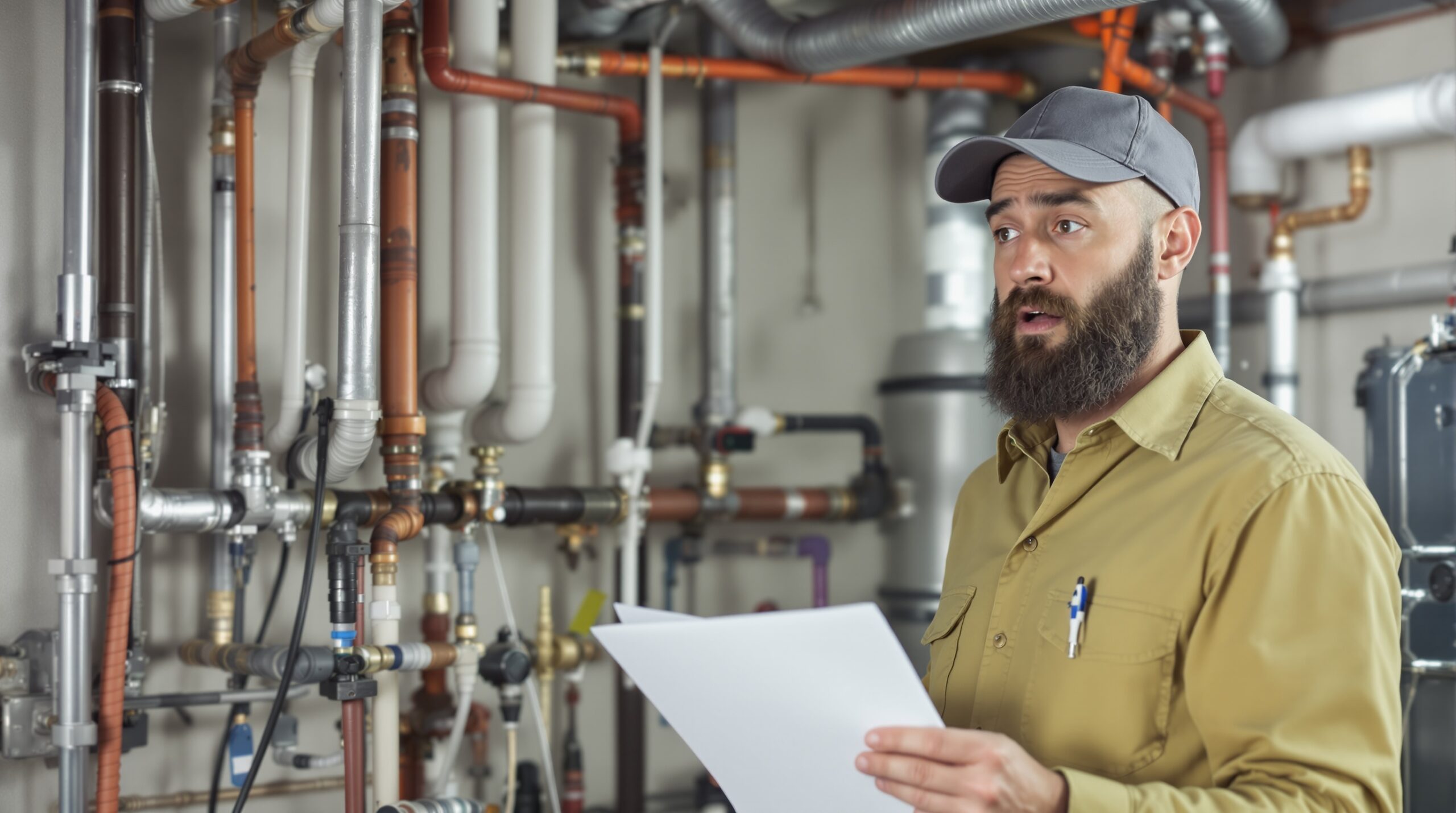
Get Ready for Hurricane Season!
As the summer heat begins to fade, hurricane season creeps into our lives, reminding homeowners in Warwick, DE, to get prepared. It’s that time of year when we all start looking out for the storm clouds on the horizon and thinking about how to keep our homes safe. While we often focus on securing windows and doors, one crucial area can easily slip our minds—our plumbing systems!
Why Plumbing Matters
Your plumbing is like the veins of your home, allowing water to flow where it needs to go and helping to prevent flood damage from heavy rains. As hurricanes unleash their fury, the risk of flooding can put a serious strain on your pipes and drainage system. That’s why, especially now, it’s important not to overlook your plumbing!
Take Action Early
By taking some simple steps now, you can save yourself a lot of headaches later. Think of it as a little bit of effort to keep a lot of stress at bay when the storms come howling. From checking for leaks to ensuring your sump pump is in top shape, these preparations will help keep your plumbing running smoothly when the winds pick up and the rain pours down.
This is your chance to step up and protect your home against the challenges that hurricane season can bring. So, let’s dive into some easy yet effective ways to secure your plumbing system before the storm hits!
Assessing Your Current Plumbing Setup
The safety of your home during a hurricane hinges on your plumbing system, but you can’t protect what you don’t understand. The first step in safeguarding against potential plumbing disasters is to take stock of your current setup. By evaluating your plumbing’s vulnerabilities, you can prevent excess damage that may accompany storm surges and heavy rains.
Begin by walking through your home, paying special attention to areas where water pipes run—basements, crawl spaces, and the exterior of your property. Consider the following checklist to identify existing issues that can become larger problems when storms strike:
| Assessment Area | Key Checks | Potential Issues |
|---|---|---|
| Pipes and Fittings | Look for signs of rust, corrosion, or leaks | Weakened pipes can burst under pressure during heavy rain |
| Drainage System | Inspect for clogs, especially in gutters and downspouts | Poor drainage can lead to flooding |
| Sump Pump | Test operation and ensure it’s clear of debris | Failure of sump pump could mean a flooded basement |
| Septic System | Check for proper functioning and review maintenance history | Overflows or backups can occur if the system is compromised |
| Outdoor Faucets and Hoses | Inspect for leaks and detach hoses before storms | Leaking outdoor faucets can contribute to soil saturation |
It’s also crucial to identify any above-ground pipes or fixtures exposed to the elements. If they’re not properly anchored, they can easily be knocked loose by high winds or flooding. Secure any loose fittings and, if necessary, consider weatherhardened solutions that can withstand nature’s aggression.
Once you’ve completed your initial assessment, compile a list of any repairs or adjustments that need to be made. This proactive touch will save you from facing unexpected plumbing mishaps when the storms hit. Remember, an informed homeowner is an empowered homeowner—understanding the current state of your plumbing gives you the knowledge to take action just when you need it.
Don’t let your plumbing system be an afterthought! With a little foresight, you can steer clear of the chaos storms often bring, allowing your family to weather the hurricane season safely and comfortably.
The Importance of Backflow Prevention
As you prepare for storm season, one crucial aspect of your plumbing system should command your attention: backflow prevention. The concept of backflow can be alarming—it refers to the unintended reversal of the flow of water, often carrying contaminants from external sources directly into your clean water supply. This situation becomes particularly critical during heavy rain or flooding when stormwater can infiltrate your plumbing. Understanding and implementing backflow prevention devices in your home isn’t just a smart move; it’s an essential barrier between your family’s health and the potentially hazardous elements that storms can introduce.
Imagine a scenario where torrential rains surge through your neighborhood, overwhelming local drainage systems and causing water to backtrack into residential properties. Without effective backflow prevention devices in place, unfiltered stormwater, potentially laden with pollutants, bacteria, and even chemicals, could make its way into your drinking water system. The outcomes could be severe, leading to waterborne illnesses and significant health risks to your family. Therefore, it’s imperative to recognize the importance of being proactive, particularly when severe weather is on the horizon.
Backflow prevention devices serve as guardians of your water supply, ensuring that any contaminated water remains firmly within your sewer system. These systems may include check valves, air gaps, and double-check valves, all designed to halt the reverse flow. While these devices might seem straightforward in function, their maintenance and proper installation are critical. A poorly maintained backflow prevention system can be a ticking time bomb, particularly during a storm, when the need for reliable protection is most acute.
When assessing your plumbing setup, pay close attention to any existing backflow prevention devices. Look for wear and tear, or signs of failure such as corrosion or improper sealing. Regular inspections, particularly before the storm season, can help ensure that these crucial devices are in optimal working condition. If you’re unsure about the status of your backflow prevention systems, consider consulting with a plumbing professional who can evaluate your setup and make recommendations tailored to your home’s unique needs.
Moreover, it’s not enough to simply install backflow prevention devices and forget about them. Just as you wouldn’t ignore the maintenance of your roof or gutters, treating backflow prevention with equal diligence is necessary. Make it a habit to test and clean these devices regularly, establishing a routine that aligns with other seasonal home maintenance tasks.
As storms wreak havoc outside, your backflow prevention measures function as the invisible line of defense against polluted water contaminating your living space. By prioritizing the welfare of your plumbing and the integrity of your water supply, you can ensure that your family remains safe during stormy weather. Ultimately, understanding and employing backflow prevention is a cornerstone of responsible homeownership. Arm yourself with knowledge and take action; your clean water supply relies on it.
Securing Home Drains and Gutters
As part of your pre-storm preparations, ensuring that your home’s drains and gutters are properly maintained is essential for facilitating a smooth flow of water away from your property. Clogged drains and gutters can create a host of problems that arise quickly during heavy rain—problems you can easily sidestep with a bit of proactive care.
Poorly maintained gutters can transform into reservoirs rather than channels, ultimately leading to water overflow that spills over the edges and cascades down your home’s siding. This overflow can lead to wood rot, mold growth, and foundation issues if water pools at the base of your home. The threat of excessive moisture perilously close to your foundation cannot be understated—it compromises structural integrity and can seep into your basement, contributing to flood risks and unwanted pests.
Taking the time to clean your gutters regularly, particularly before storm season, is a practical first step in securing your home. Remove leaves, twigs, and other debris that tend to accumulate over time. Consider using gutter guards to limit what can enter your gutters, significantly reducing the risk of clogs during heavy downpours. A clear and well-functioning gutter system enables rainwater to flow freely away from your home, allowing your foundation and walls to remain dry.
In tandem with your gutter maintenance, don’t neglect the drains around your property. Whether it’s downspouts, storm drains, or the drainage systems that keep your yard in check, make a point to inspect them regularly. Just as you would check your gutters for blockages, look for any signs that your drains might be obstructed. Remove any buildup of mud, leaves, or other materials that could hinder the effective flow of water. A functional drainage system directs water swiftly away from your home, reducing the risk of flooding and the myriad issues that come with it.
Moreover, consider the positioning of your downspouts. They should be angled in such a way that directs water at least five to ten feet away from your foundation. This simple adjustment can make a substantial difference in reducing the amount of water that accumulates at the base of your home during heavy rainfall. It’s also advisable to install extensions on your downspouts if water continues to pool near your foundation despite the ideal angle and positioning.
In addition to maintenance, regular inspections will help you identify potential hazards before they turn into the headaches of tomorrow. Look for signs of sagging or structural weakness in your gutters, as well as cracks or breaks in the downspouts. Addressing these issues promptly can save you from more significant repairs later on.
As storm clouds gather, your drains and gutters become frontline defenses against the deluge. By securing these pathways, you mitigate the risk of water infiltrating your home and preserve the integrity of your living space. Every drop that is directed away from your foundation is a drop that protects your home’s longevity, ensuring that your family stays safe and dry no matter how fierce the storm. Commit to the diligence of maintaining these systems, and you’ll not only be safeguarding your property but also making a responsible choice as a homeowner.
Preparing Your Sump Pumps
When it comes to safeguarding your home from the relentless threat of flooding, few tools are as essential as your sump pump. Often relegated to the basement, these unsung heroes work tirelessly behind the scenes to ensure that any excess water finds its way out and away from your living space. As storm season approaches, proper preparation of your sump pump should be at the forefront of your disaster readiness checklist.
Start by ensuring your sump pump is in proper working condition. Before the first storm cloud darkens the sky, undertake a thorough inspection of the unit. Check for any signs of wear and tear, and make sure that it powers on smoothly. It’s recommended to perform a test run by pouring a bucket of water into the sump pit to see if the pump activates at the right level. If it doesn’t, or if it makes unusual noises, those are clear indicators that it requires servicing or replacement. A non-functioning sump pump can quickly turn from a life-saving device into a source of dismay when floodwaters rise.
Another crucial aspect of sump pump maintenance is ensuring that its float switch is free from blockage. This vital component allows the pump to operate effectively by turning on and off according to the water levels in the pit. Debris or sediment buildup can impede this function, so be sure to clear any obstructions and regularly clean the pit. A clean pit not only enhances efficiency but also prolongs the life of your pump.
Additionally, evaluate the discharge line of your sump pump. This line carries water away from your home, so it’s critical that it’s not damaged, clogged, or frozen. Ensure that the line is directed far enough away to prevent water from draining back toward your foundation. Consider installing a check valve to prevent backflow, ensuring that the water moves out rather than returns. A secure and unobstructed discharge line is essential for the puddle-free sanctuary you desire during heavy storms.
For those who live in areas prone to severe flooding or power outages, investing in a battery backup for your sump pump can provide peace of mind. A battery backup pump activates automatically when the primary pump fails or when the power goes out, ensuring that your home remains protected even in dire circumstances. The importance of this additional layer of protection cannot be overstated, especially in hurricane-prone regions where storms can interrupt power supply for days.
| Maintenance Checklist for Sump Pumps | Frequency |
|---|---|
| Test the pump operation | Every six months |
| Inspect and clean the sump pit | Every six months |
| Verify the discharge line’s integrity | Every six months |
| Check and replace batteries (if applicable) | Annually |
| Professional inspection service | Annually |
In conclusion, preparing your sump pump is a proactive step in your home defense strategy against flooding. Regular maintenance ensures that this critical device functions effectively when the skies open up. By taking the time to inspect and take care of your sump pump now, you’re not just safeguarding your property against potential flooding but also investing in the security and well-being of your entire household.
Responding to Emergency Plumbing Issues
When the winds howl and the rain lashes down during hurricane season, plumbing emergencies can arise unexpectedly, posing an immediate threat to your home and well-being. Whether it’s a burst pipe, overflowing toilet, or a backed-up drain, knowing how to respond effectively is essential to minimizing damage. Here are some tips to guide you through emergency plumbing issues, ensuring a more confident and composed reaction when chaos strikes.
First and foremost, maintain a clear emergency plan that outlines the steps to take when facing a plumbing crisis. Familiarizing all household members with this plan—especially where critical shut-off valves are located—can save precious seconds, if not minutes. If a pipe bursts or an appliance malfunctions, quickly identifying the source and closing the main water valve can significantly limit the damage. Make sure everyone in your household knows the location of these valves and how to operate them.
In the event of a plumbing emergency, having the right tools on hand can greatly ease the workload. Equip your home with essential plumbing tools such as a pipe wrench, plunger, bucket, and a pair of rubber gloves. A trusty toolbox can be your first line of defense against minor issues, providing you the ability to temporarily fix leaks or remove blockages until professional help arrives.
If flooding does occur, attend to your flooring immediately, as prolonged exposure to water can lead to serious damage. Use absorbent towels, mops, or a wet/dry vacuum to get to work; the faster you minimize standing water, the less impact it will have on your home. Do not forget to elevate any furniture or belongings that may come into contact with the water, transitioning your space into a makeshift refuge. Always prioritize your safety—if the flooding is severe or electrical hazards arise, seek assistance from local emergency services or trained professionals.
Communication is vital during a plumbing emergency. Make sure to reach out to a licensed plumber as soon as possible to explain the issue. They can provide specific guidance tailored to your problem until they can arrive on-site. In some situations, you might be advised to shut off additional utilities, such as gas or electricity, to prevent further complications. Keep your contact list updated with reliable plumbing services—knowing whom to call before disaster strikes puts you one step ahead.
Finally, when everything settles down, be prepared to assess the damage. Take photos for your records and, if applicable, for your insurance claims. Documenting the situation can streamline the recovery process, providing a clear account of what occurred during the emergency. A proactive mindset can make all the difference as you recover and restore your home to its previous state.
By implementing these proactive responses and preparations, residents of Warwick, DE can more effectively manage plumbing emergencies during hurricane season. A well-thought-out plan not only reduces the fear associated with these disasters, but also ensures the safety and well-being of your family, providing peace of mind in the eye of the storm.
As storms approach, it’s crucial to consider how different systems in your home will react, particularly the sump pump. This unsung hero plays a vital role during heavy rainfall and is especially important in flood-prone areas. A sump pump is designed to remove excess water that accumulates in a sump basin, typically located in the basement or crawl space of your home. When the rainfall becomes overwhelming, the pump activates to keep water levels manageable, directing unwanted moisture away from your living space and preventing potential water damage. Understanding how your sump pump works is essential, especially as hurricane season draws near.
Most sump pumps operate automatically, thanks to a float switch that triggers the pump when water levels rise. In storms, when the ground saturates and water begins to pool, the float switch senses the increase and activates the pump. The pump then expels water through a discharge pipe, directing it away from the foundation of your home. Ensuring that your sump pump is in working order before the storm hits is paramount—test it out by pouring water into the sump pit and watching for a quick response. If it struggles or fails to activate, consult a professional to address any potential issues before you’re caught in a deluge.
But what if the storm wreaks havoc on your plumbing, leading to a backup? Plumbing back-ups can happen for several reasons during hurricane season. Heavy rain can overwhelm sewer systems, leading to sewage backs up through your pipes. The best action is to stay calm and take immediate steps to minimize damage. First, avoid flushing toilets or running water—this can exacerbate the situation. If you have access to a manual sump pump, you may want to use it to alleviate some of the flooding in your yard, though this should only be done if it’s safe and without involving the sewer system. Contact a licensed plumber as soon as possible to assess the situation and provide the necessary repairs.
Also, consider the benefits of a plumbing inspection as hurricane season approaches. A timely inspection can be your first line of defense against the unexpected. Experienced plumbers can identify vulnerabilities in your plumbing system, from outdated pipes to potential leaks or weak spots that could fail during a storm. By addressing these issues beforehand, you can fortify your home against the heavy rains and winds that come with hurricanes. It’s an investment in your peace of mind, allowing you to weather the storm with confidence, knowing that your plumbing system is ready to handle whatever comes its way.
In summary, as the hurricane season rolls in, understanding how a sump pump operates and knowing how to react to plumbing backups is essential. Proactively managing your home’s plumbing system through inspections and maintenance will not only help prevent overwhelming disasters but also contribute to your family’s safety and comfort during turbulent weather. By arming yourself with the right knowledge and taking necessary precautions, residents of Warwick, DE, can triumph over the challenges posed by the stormy season.
Proactive Measures to Safeguard Your Home
While it’s crucial to respond effectively when plumbing emergencies arise, taking proactive measures can significantly bolster your home’s defenses against the unyielding forces of nature during hurricane season. The key lies in thorough preparation and regular maintenance, ensuring that your plumbing system is resilient enough to withstand the elements. Here’s how residents of Warwick, DE, can better protect their homes and enjoy peace of mind throughout the stormy months.
Regular inspections of your plumbing system are paramount. Schedule seasonal checks to identify potential vulnerabilities—rusty pipes, corroded fittings, or signs of wear can all compromise your plumbing integrity when the storms hit. A trained plumber can provide an expert assessment, advising on future maintenance and any repairs needed. This sort of foresight not only prevents plumbing disasters during a hurricane but also prolongs the lifespan of your systems.
Next, ensure that your home’s drainage systems are functioning optimally. Clear gutters and downspouts are crucial in directing rainwater away from your foundation and preventing backups that can lead to flooding and water damage. Inspect and clean these areas regularly, especially before the start of hurricane season. Consider installing gutter guards to reduce debris accumulation, ensuring that water flows freely even during torrential downpours.
Another proactive step is to elevate critical plumbing fixtures, particularly in areas susceptible to flooding, such as basements. Sump pumps can be lifesavers, efficiently removing excess water and preventing further complications. Consider investing in a battery backup system for your sump pump, ensuring it remains operational even during power outages—transforming a mere precaution into an invaluable asset when the storm rages on.
It’s also wise to safeguard outdoor plumbing connections. Disconnect garden hoses and drain any outdoor faucets, as these are susceptible to freezing and subsequent damage in harsh weather conditions. Additionally, verify that any external irrigation systems are winterized before hurricane season descends. This preventive measure guards against unwanted water entry into your home during heavy rains.
Moreover, you can bolster your home’s plumbing resilience by stocking up on essentials that may become scarce during a storm. Ensure that you have an adequate supply of water, non-perishable food, and basic supplies to sustain your family for a few days. Having these resources in place not only aids in comfort during the storm but also provides you with the time to focus on safeguarding your home without the added stress of immediate needs.
Finally, building a supportive community network can enhance your preparedness and response capabilities. Connect with your neighbors to share tips, resources, and even physical assistance as you prepare for hurricane season. A united front not only strengthens individual homes but fosters a spirit of collaboration and mutual aid during emergencies.
By taking these proactive measures, residents of Warwick, DE, can significantly enhance their home defenses against the plumbing challenges posed by hurricane season. Implementing a comprehensive preparedness plan offers protection, ensures your family’s safety, and cultivates serenity in knowing that you have fortified your home against the unpredictable nature of storms. With each proactive step, fear can be replaced with confidence—giving you the peace of mind you deserve.