
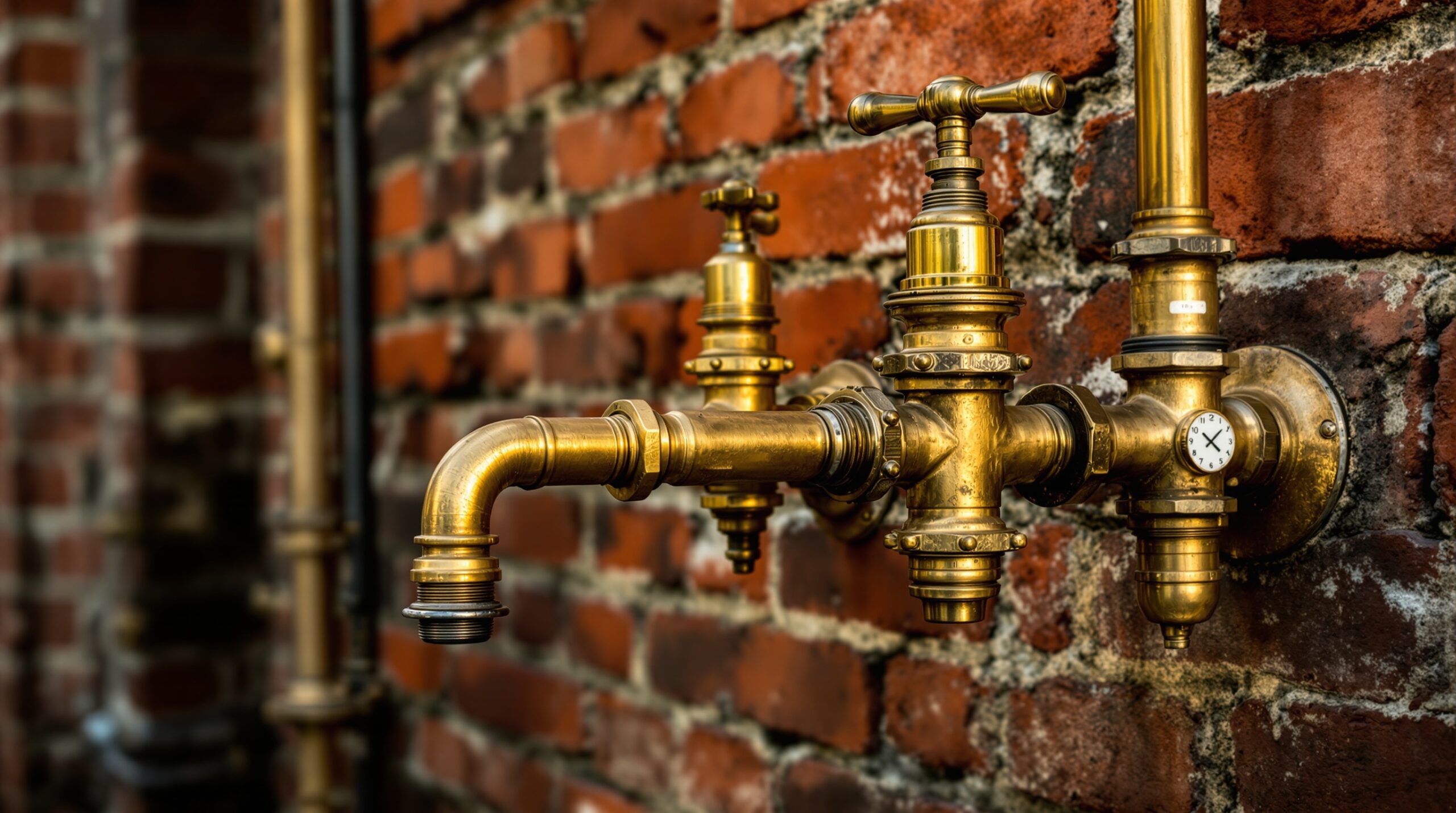
Unlocking the Charm of Historic Homes
Have you ever walked down the charming streets of Odessa, Delaware, and felt like you stepped back in time? The beautiful historic homes tell stories of days gone by, their unique façades capturing the imagination of everyone who passes by. But did you know that behind those stunning exteriors lies a world of intricate plumbing systems that need careful attention?
The Hidden Stories Beneath
Just like the homes themselves, these plumbing systems often have a character all their own. They can be as fascinating as the architecture—filled with twists and turns that evolved along with the town. However, caring for the plumbing in a historic home is not as simple as calling in a plumber. It requires a special skill set and a deep respect for the home’s heritage.
In this article, we’ll explore the art of managing plumbing for your Odessa historic home. You’ll learn how to address those plumbing challenges while preserving the timeless charm that makes your home unique. Join us on this journey to ensure your home remains a beautiful piece of history—for both you and future generations!
Why Expert Care Matters
Maintaining the original spirit of these homes while managing their plumbing needs can seem daunting, but with the right knowledge and tools, it can also be incredibly rewarding. Let’s dive into how you can become a guardian of your historic home, making sure it thrives for years to come!
Understanding the Unique Plumbing Systems of Historic Homes
As we explore the deeper layers of Odessa’s historic homes, it’s essential to recognize the standout features of their plumbing systems. Unlike contemporary structures with standardized materials and layouts, older homes boast fascinating, yet intricate plumbing characteristics that reflect the time of their construction. Understanding these distinctions is crucial for anyone looking to maintain the integrity of their beloved historic dwelling.
Key Characteristics of Historic Plumbing Systems
The plumbing systems in historic homes present distinctive challenges—especially since many were designed long before modern innovations became commonplace. Here are a few notable characteristics:
| Characteristic | Description |
|---|---|
| Outdated Pipe Materials | Many historic homes still feature original plumbing made from materials like lead or galvanized steel. These materials are prone to corrosion and require careful evaluation. |
| Non-Standard Layouts | Historically, plumbing layouts were not standardized. Pipes may twist and turn in unexpected places, which can complicate repairs and maintenance. |
| Unique Fittings | Older homes often have bespoke fittings that may be difficult to source or replicate. Identifying these fittings is essential for any repairs or replacements. |
| Uninsulated Pipes | In many historic homes, lack of insulation can lead to temperature-related issues, putting undue stress on the plumbing and risking damage to the home’s structure. |
| Waste Systems | Older waste systems may not comply with current codes, presenting both aesthetic and safety concerns that need to be addressed thoughtfully during renovations. |
As evident from the table above, a thorough understanding of these plumbing characteristics is pivotal for homeowners and maintenance teams. Recognizing the signs of wear and peculiarities unique to each plumbing system allows for better planning and enhances the chance of preserving the original aesthetic.
Moreover, the importance of connecting with specialist plumbers familiar with historic plumbing systems cannot be overstated. These experts not only understand the materials and layouts unique to older constructions but also possess the sensitivity necessary to preserve the charming character of your home. This knowledge is essential when forging a path towards restoration and upkeep, ensuring that any modifications remain congruent with the home’s heritage.
So, whether you’re facing a minor plumbing issue or embarking on a larger restoration project, understanding the distinctive nature of your home’s plumbing is the first step toward maintaining its historic charm. In the following section, we’ll delve into how meticulous inspection and regular maintenance play a vital role in preserving the plumbing infrastructure while respecting the rich legacy of your treasured home.
Meticulous Inspection and Regular Maintenance
Preserving the plumbing systems of historic homes requires more than just an occasional glance; it demands meticulous inspection and regular maintenance. The unique characteristics of older plumbing systems can easily become points of vulnerability, inviting issues such as leaks, corrosion, and structural damage. Early detection of wear and tear is essential, as even minor leaks can lead to extensive damage over time—particularly when it affects the very materials that contribute to a home’s historical value.
A thorough inspection should be a routine part of a homeowner’s maintenance regimen. This involves checking for common indicators of plumbing issues, such as water stains, fluctuating water pressure, and unexpected sounds from the pipes. However, the subtler signs often elude the untrained eye. This is where skilled specialists come into play. These plumbers possess a deep understanding of historic plumbing materials and can accurately pinpoint potential vulnerabilities that may not be immediately visible. Their expertise allows them to identify early signs of corrosion or pipe fatigue—a crucial step in preventing leaks that might compromise the integrity of historic building materials.
Regular maintenance by plumbers experienced in heritage preservation goes beyond simple repairs; it encompasses a holistic approach to caring for the plumbing system. Maintenance tasks may include descaling older pipes, sealing potential points of weakness, and regularly cleaning drains to prevent blockages that could exacerbate wear. By treating each component of the plumbing system with consideration for both function and aesthetics, these specialists ensure that the charm and character of historic homes remain intact while enhancing the system’s longevity.
Moreover, the significance of adhering to heritage rules during maintenance cannot be overstated. Not only does this preserve the physical structure, but it also honors the story that each home tells. Using modern products that match the original aesthetics or applying innovative techniques that are sympathetic to the architectural style is vital to ensure that any repairs feel seamless rather than invasive.
In conclusion, a proactive approach to plumbing maintenance in historic homes translates into not just repairs, but a commitment to preservation. By emphasizing meticulous inspections and engaging specialized plumbers, homeowners can confidently navigate the complexities of historic plumbing systems while upholding the beauty and significance of their residences. As we look forward to the upcoming section, we will explore how to harmoniously integrate modern plumbing technologies into these cherished heritage structures without compromising their visual integrity.
Navigating Modern Upgrades in Historic Properties
As society continues to innovate, homeowners of heritage properties are faced with a critical balancing act: integrating modern plumbing technologies while preserving the unique aesthetics and historical integrity of their residences. The advancements that promise greater efficiency and safety must be infused with a careful approach that respects the home’s legacy and character. So, how can one navigate this intricate landscape?
The first step in this process is to conduct thorough research. Understanding the existing plumbing systems in historic properties is essential; older homes often have complex layouts and unique quirks. Homeowners should engage with professionals who specialize in both modern plumbing technologies and the particular demands of heritage buildings. The aim is to find digital solutions—such as smart faucets, energy-efficient fixtures, and advanced leak detection systems— that can function in tandem with the existing plumbing without compromising the original design.
Implementing modern technologies should always come with a mindset of preservation. Fixture upgrades, for example, should complement the architectural style of the home, marrying form with functionality. Consideration should be given to materials, shapes, and finishes that align with the property’s character. For instance, incorporating vintage-inspired faucets with modern functionality not only elevates the utility of the home but also enhances its historically-sensitive aesthetics.
Furthermore, it’s essential to ensure that modern installations comply with contemporary safety standards without interfering with the building’s historical essence. Incorporating retrofitting techniques that respect the home’s original plumbing setup can make a significant difference. By carefully integrating modern pipes and connections in less visible areas—or utilizing technologies that allow for non-invasive installation—homeowners can enhance efficiency and safety without detracting from the charm of their historic abode.
Preservation isn’t solely limited to visual alignment; it also extends to ensuring that any technological upgrades are compatible with the original systems. Homeowners must be mindful of potential incompatibilities that could arise between old and new materials. Engaging with experts who have a background in plumbing technology and preservation can provide invaluable guidance. They can recommend newer systems that mimic or enhance how older systems function, thereby reducing the risk of damage while improving performance.
Ultimately, the focus should always be on striking a balance between functional upgrades and aesthetic integrity. One of the keys to achieving this is to maintain open lines of communication with preservation officials and specialist contractors who understand the nuances of both heritage compliance and modern plumbing systems. In doing so, homeowners not only further their commitment to preserving their property but also invest in the future of their cherished homes, allowing them to stand proudly next to more contemporary structures.
In the following section, we will delve into the essential permit protocols and preservation guidelines set forth by Odessa’s historic district, emphasizing the importance of understanding regulatory nuances to ensure compliance during any plumbing work.
Permits and Preservation Guidelines
Before the wrench turns or the pipes are set, it’s essential for homeowners in Odessa’s historic district to navigate the intricate web of permits and preservation guidelines designed to protect the architectural heritage of the region. This understanding is crucial not only for compliance but also for safeguarding the very essence of historic properties during any plumbing work.
In Odessa, each alteration or renovation project must adhere strictly to local preservation standards. This rigorous oversight ensures that any updates honor the historical significance while allowing for necessary functional improvements. As a homeowner, understanding the essential permit protocols is the first step in mitigating the risks associated with unauthorized modifications.
Permitting processes typically involve several key steps, as outlined in the table below:
| Step | Description |
|---|---|
| 1. Pre-Application Review | Submit a preliminary plan to the local preservation office for feedback and initial assessment. |
| 2. Detailed Application Submission | Complete the official permit application with comprehensive plans detailing proposed plumbing work. |
| 3. Documentation of Existing Conditions | Provide detailed photographs and descriptions of current plumbing conditions and areas impacted by proposed changes. |
| 4. Review Period | The preservation board evaluates the application for impact on historical integrity, providing timeframes for feedback and potential revisions. |
| 5. Final Review and Permits Issuance | Upon approval, permits are issued and work can begin, subject to adherence to all regulations and guidelines. |
Additionally, homeowners must familiarize themselves with the preservation guidelines that govern alterations within historic districts. These guidelines typically cover various aspects, such as maintaining the original architectural features, using compatible styles and colors for visible plumbing upgrades, and employing methods that minimize disruption to the existing structure. Compliance with these provisions is paramount, as any oversight could not only lead to potential fines or mandated restorations but also undermine the collective effort to maintain Odessa’s aesthetic heritage.
It is recommended that homeowners cultivate relationships with local preservation officials and knowledgeable contractors who specialize in historic properties. These experts serve as invaluable resources, offering insight into necessary protocols, deadlines, and documentation needed at each stage of the process. Their assistance can significantly ease the complexities often associated with historic renovations and ensure that both the preservation of the property and the legality of the upgrades are maintained.
Engaging with the community within your historic district can also be beneficial. Participating in local meetings or consulting with fellow homeowners during the planning stages can lead to insights and shared experiences that enhance the overall renovation journey. It fosters a spirit of cooperation and mutual respect for the heritage that unites the neighborhood.
In conclusion, understanding the essential permit protocols and preservation guidelines in Odessa is not merely an administrative task; it is a vital aspect of honoring the historical narratives that these homes represent. Through diligent preparation and an adherence to regulatory nuances, homeowners can confidently embark on their plumbing projects, ensuring their beloved properties remain standing testaments to the region’s rich history.
Eco-Friendly Plumbing Options
Preserving the historical essence of your Odessa home while enjoying modern conveniences requires a balanced approach to plumbing—a challenge that can be elegantly navigated through eco-friendly options. Many homeowners worry that integrating energy-saving fixtures and water-efficient installations might compromise the architectural beauty that characterizes their historic properties. However, innovative technologies offer solutions that not only meet environmental standards but also blend seamlessly with your home’s aesthetic.
One perfect entry point for eco-conscious plumbing lies in the adoption of low-flow fixtures. These include faucets, showerheads, and toilets designed to use significantly less water without sacrificing performance. Low-flow toilets, for instance, are engineered to maintain powerful flushing action while consuming up to 60% less water than traditional models. Moreover, today’s designs are available in various styles, allowing for choices that harmonize with the vintage aesthetics of historic homes. Whether it’s a sleek, modern look or a classic pedestal style, the right low-flow toilet can accentuate your bathroom’s charm while promoting sustainability.
Shower fixtures also present a marvelous opportunity to marry efficiency with beauty. Many modern showerheads are designed to enhance water pressure while using minimal water. Options that evoke vintage designs, such as rain showerheads with vintage finishes, allow homeowners to enjoy a luxurious shower experience that aligns perfectly with the historical character of their homes. The installed features not only reduce water waste but also contribute to lower utility bills—an attractive benefit for any homeowner.
Beyond fixtures, consider incorporating energy-efficient hot water systems. Traditional tank water heaters, while effective, consume energy continuously to keep water at a set temperature. In contrast, tankless water heaters heat water on demand, providing instant access to hot water while using less energy overall. The compact design of these systems often requires minimal space, making them easily adaptable to the constraints of older homes. This modern solution allows you to enjoy the convenience of instant hot water, all while preserving valuable architectural space.
Another eco-friendly consideration is the installation of greywater systems, which reuse water from sinks, showers, and laundry for irrigation or toilet flushing. While the integration of such systems into a historic property requires thoughtful planning and adherence to local regulations, they represent a forward-thinking approach to conservation that aligns with the values of sustainability and preservation. By carefully designing the system to align with the home’s layout, discerning homeowners can reclaim water efficiently without disrupting the original character of their property.
Homeowners should also explore the realm of biodegradable and non-toxic plumbing materials. Piping options that reduce environmental impact while maintaining durability can be a positive addition to restoration projects. Through research and consultations with eco-conscious professionals, it’s often possible to find solutions that respect both the environment and the historical integrity of your home.
Ultimately, energy-saving fixtures and water-efficient installations present an exciting opportunity to enhance your historic Odessa residence while embracing sustainable living. By thoroughly researching options and collaborating with knowledgeable contractors, homeowners can ensure that their plumbing upgrades not only serve modern functional needs but also honor the unique architectural heritage of their properties. In the quest for eco-stewardship, it is indeed possible to preserve the past while thoughtfully paving the way for a greener future, cultivating a home that stands as a testament to both history and innovation.
Maintaining the Plumbing Charm of Historic Homes in Odessa
As the steward of a historic home in Odessa, it is vital to understand the specific needs of your plumbing system, which may bear the marks of age and creativity woven throughout the home’s history. Recognizing the signs that your plumbing needs professional attention is an important first step in maintaining both functionality and the structural integrity of your cherished property. Look for telltale indications such as irregular water pressure, recurring leaks, slow drainage, and discolored water—all potential warning signs that your plumbing may need a thorough evaluation. Additionally, be aware of unusual noises coming from your pipes, such as clanking or banging sounds, which can indicate serious underlying issues that a qualified plumber should address.
For those residing in or around Odessa, DE, connecting with local plumbing experts specializing in historic properties is essential. These professionals understand the unique challenges of older plumbing systems and can provide tailored services that respect the architectural legacy of your home. Engage in community forums or local historical societies to gather recommendations for plumbing services known for their expertise in maintaining and restoring the plumbing systems of historic homes. Their familiarity with the nuances of these systems can help ensure that necessary repairs and upgrades are executed with both skill and sensitivity.
Living in Odessa’s historic district means playing witness to the enchanting plumbing issues that often crop up in these charming homes. One prevalent concern is old lead or iron pipes, which can corrode and affect water quality while posing health risks. It’s crucial to consider a comprehensive evaluation of your plumbing’s materials, as this can help identify potential hazards and assure safe water supply for your family. Other common issues include sediment buildup in older water heaters, which can lead to inefficiency and unpleasant odors, and the complications associated with antiquated sewer lines—the consequences of which can range from inconvenient clogs to significant backflow problems.
Having recognized these challenges, how do you strike the perfect balance between preserving your home’s historical integrity and upgrading its plumbing system? The key lies in approaching upgrades with an eye toward integrating modern conveniences without compromising the original aesthetic. When replacing fixtures or installing new systems, seek out traditional styles and finishes that match your home’s character. Consider plumbing elements that mimic the original designs, such as vintage-style faucets and ornate radiators. These details maintain the historic charm while introducing modern efficiency.
Additionally, it is essential to work hand-in-hand with professionals who appreciate and respect the architectural nuances of historic homes. They can help devise solutions that fit within the framework of your existing infrastructure. This way, you can seamlessly transition your plumbing system into the 21st century without sacrificing the vintage allure that makes your home unique.
Ultimately, taking a proactive approach in understanding, maintaining, and upgrading your home’s plumbing system is vital to upholding its legacy for future generations. By identifying issues before they escalate, engaging with local experts, and implementing mindful renovations that honor your home’s story, you can ensure that your Odessa residence remains a functional and beautiful treasure for years to come, bridging the gap between the past and present.
Pioneering Plumbing Innovations for Historic Homes
As custodians of history, Odessa homeowners face the critical task of preserving the integrity of their homes while embracing the conveniences of the modern age. The journey to maintain a home’s legacy begins with a proactive approach to plumbing, ensuring that every upgrade is both functional and respectful of its historical roots. Understanding the underlying systems of your home is the first step in this endeavor. Regular inspections and maintenance not only keep the plumbing running smoothly but also allow homeowners to identify potential issues before they escalate—effectively safeguarding the home’s legacy for generations to come.
Engaging with knowledgeable professionals who specialize in historic renovations can be invaluable. These experts possess a unique understanding of how to navigate the nuances of aging infrastructure while incorporating the latest technological advancements. When choosing a contractor, prioritize those with a track record in preserving historical integrity—this will ensure that modifications enhance rather than detract from your home’s character.
Furthermore, when upgrading plumbing systems, it’s essential to leverage innovative technologies that complement the home’s style. For example, while sleek, contemporary fixtures are tempting, selecting options that echo the vintage charm of your space will ultimately provide a cohesive aesthetic. Look for features with classic designs, like retro-styled faucets or elegantly shaped bathtubs, that evoke the grandeur of your home’s era without compromising on efficiency. The beauty of modern plumbing technologies is that they are now made to reflect the design cues of different historical periods, allowing for harmonized integration into your existing décor.
Be proactive in learning about smart home plumbing systems as well. These advanced setups allow homeowners to control various functions, such as leak detection, water usage tracking, and temperature regulation, all through a user-friendly app. Imagine receiving a notification on your phone if there’s a plumbing issue or being able to adjust your home’s hot water settings remotely before you arrive home after a long day—this technology not only enhances convenience but also provides peace of mind. Smart plumbing solutions can be integrated discreetly, ensuring they work in the background while preserving the visual history of the home.
Moreover, the connection of plumbing systems to modern water-saving technologies is increasingly essential in today’s environment. Homeowners can incorporate water conservation strategies such as rainwater harvesting or a self-sustaining irrigation system that is both efficient and in keeping with historical preservation methods. By researching these options, homeowners can find ways to utilize natural resources while ensuring that all plumbing enhancements maintain compatibility with the style and essence of the property.
Ultimately, a strong commitment to maintaining the historical essence of your Odessa home requires a holistic understanding of plumbing systems, modern conveniences, and eco-friendly practices. By staying proactive—investigating local resources, collaborating with seasoned professionals, and harnessing innovations that align with historical character—homeowners can enjoy the best of both worlds. This balanced approach allows for the preservation of cherished legacies while embracing advancements designed to enhance quality of life for current and future generations.