
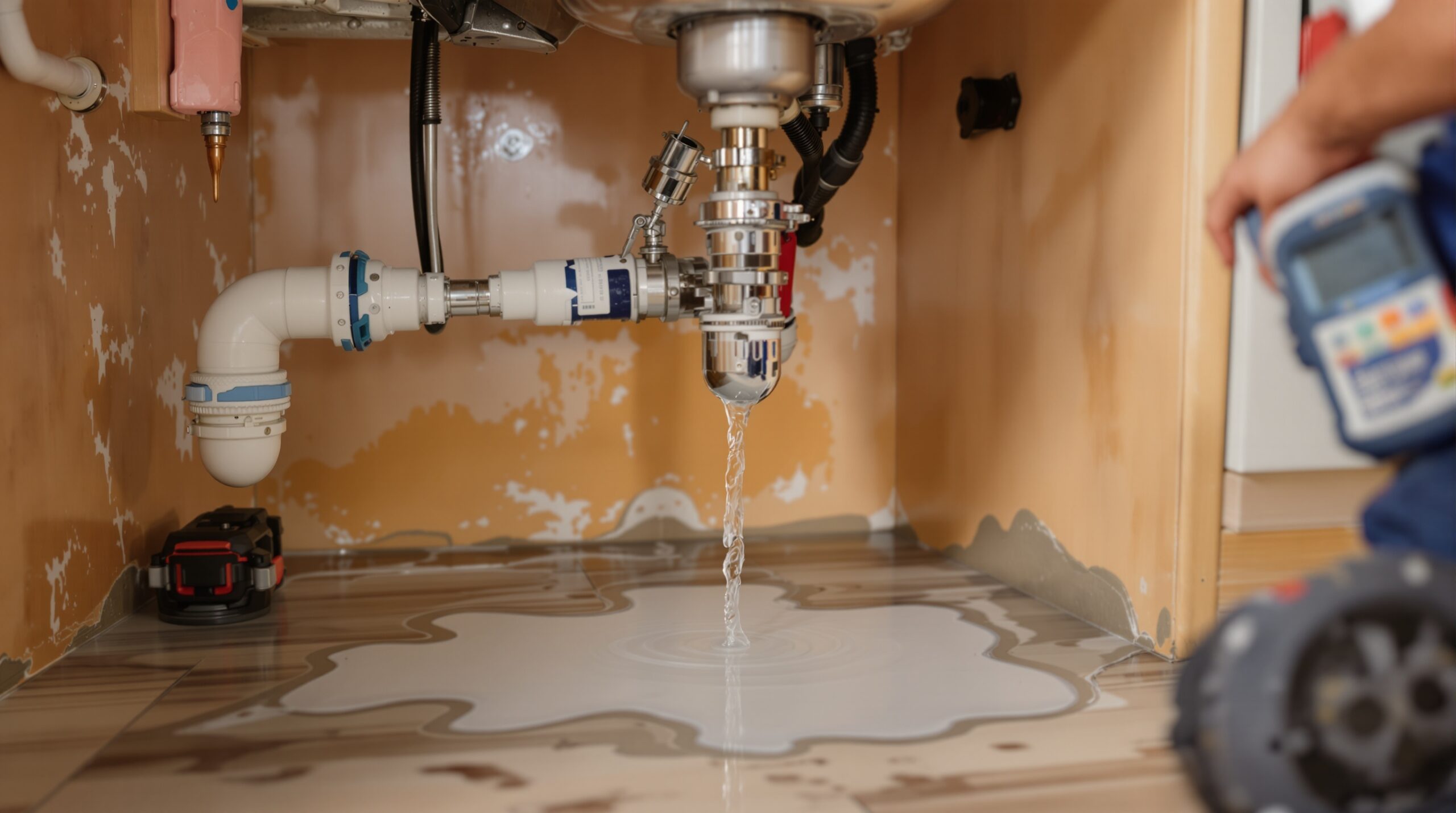
Plumbing Disasters: A Sudden Surprise
Picture this: it’s a quiet Saturday morning in Blackbird, DE. You’re enjoying your first cup of coffee when suddenly, you hear a strange gurgling noise coming from the bathroom. Before you know it, water is gushing from the sink, and panic begins to set in. Plumbing challenges can strike at any moment, and they often leave homeowners feeling overwhelmed and frantic.
Be Prepared: Understanding Plumbing Emergencies
Whether it’s a leaky faucet, a clogged toilet, or a burst pipe, these unexpected issues can cause chaos in your home. The key is to stay calm and act quickly. Understanding the common plumbing emergencies that can hit your neighborhood will help you be better prepared. Knowing what to expect can save you from lasting damage and unwanted stress.
What’s the first step? Having a plan in place, along with some quick solutions, can help you tackle these challenges effectively. In this article, we’ll take you through simple steps that can make a world of difference when disaster strikes. With the right information at your fingertips, you can turn your plumbing nightmare into a manageable situation, allowing you to return to your well-deserved peace and quiet.
Common Plumbing Emergencies in Blackbird, DE
Residents of Blackbird may experience various plumbing emergencies, but some are more prevalent than others. Understanding these common issues—and their causes—can help you identify and address them swiftly, minimizing damage and disruption. Below is a closer look at the most frequently encountered plumbing emergencies in the area:
| Plumbing Emergency | What You Need to Know |
|---|---|
| Burst Pipes | Often caused by rapid temperature changes, corrosion, or excessive pressure. Burst pipes can lead to significant water damage and should be addressed immediately. |
| Overflowing Toilets | This can happen due to a clogged toilet or a malfunctioning float. Cleaning out the obstruction quickly is crucial to prevent water damage and hygiene issues. |
| Clogged Drains | Commonly caused by hair, soap scum, grease, or foreign objects. Regular maintenance like drain cleaning can help stave off clogs before they become emergencies. |
| Leaky Faucets | A serious nuisance, leaks can indicate worn-out washers or calcium buildup. They’re often easy to fix but can lead to larger issues if left unattended. |
| Sewer Backups | Typically caused by tree root infiltration, blockages, or a collapsed sewer line. This emergency can create unsanitary conditions and requires immediate professional attention. |
Being aware of these plumbing emergencies empowers you to take action if they arise. For example, burst pipes often occur when the temperatures plummet during winter months, as the water inside freezes and expands, causing the pipe to fracture. Keeping your home insulated can help prevent this. Similarly, overflowing toilets can result from unsuspected clogs, so vigilance in bathroom hygiene can go a long way.
While encountering these issues can be stressful, understanding the underlying causes helps you make informed decisions when things go awry. Armed with this knowledge, you can effectively preemptively tackle potential plumbing disasters and ensure your home remains safe and functional throughout the year.
Effective Solutions and Immediate Actions to Take
When faced with a plumbing emergency, swift action can make all the difference in preventing extensive damage and maintaining safety. Here are some immediate solutions and actions you can take to contain the situation, regardless of whether you’re dealing with a burst pipe, overflowing toilet, or any other plumbing issue.
1. Shut Off Water Valves
The first step in any plumbing emergency is to locate and shut off the main water valve. This will stop the flow of water and help contain the damage. In homes, the main valve is typically found near the water meter. For localized issues, such as a leaking faucet or an overflowing toilet, turning off the individual shut-off valves under sinks or behind toilets is a quick way to mitigate water flow while you assess the situation.
2. Use Temporary Fixes
Sometimes, you might need to employ quick fixes to hold you over until professional help arrives:
- Pipe Clamps: If you have a pipe that is leaking, a pipe clamp can effectively stop the leak temporarily. Simply attach the clamp around the damaged area to create a seal.
- Sealants: For small leaks or cracks, applying a waterproof sealant can reduce the leak’s severity. Make sure to dry the area around the leak first before applying the sealant for the best adherence.
3. Contain Water Damage
If water begins to spread, act quickly to contain it. Use towels, mops, or buckets to soak up excess water and prevent it from seeping into floors and walls. Move valuable items out of the affected area and consider using furniture risers or plastic sheeting to protect them further. This immediate action can help minimize the overall impact of the damage.
4. Check for Electrical Hazards
If your plumbing emergency involves water accumulating near electrical outlets, appliances, or wiring, safety is paramount. First, avoid standing in the water while assessing the situation, as this could pose an electrical shock risk. If possible and safe to do so, turn off the power to the affected area at the circuit breaker. Do not attempt to handle any electrical items unless you are trained to do so; this is a job for a licensed electrician or the professionals you’ve called for repairs.
5. Avoid Slip Risks
Water on the floor can create dangerous slipping hazards for anyone in the area. Place warning signs or barriers to alert others to the situation, and consider using non-slip mats to help keep everyone safe while you manage the emergency. If you’re alone, proceed cautiously as you move around the affected area.
6. Know When to Call for Help
While some small plumbing emergencies might be manageable on your own, others require the expertise of a professional plumber. If you find yourself overwhelmed, notice significant flooding, or detect unusual sewage odors, don’t hesitate to call in a licensed professional. They possess the knowledge and tools to handle even the most extensive plumbing emergencies safely and efficiently.
By taking these effective actions and staying calm in the face of a plumbing disaster, you can minimize damage to your home while ensuring your own safety and the safety of those around you. Understanding how to respond to these urgent situations not only eases your stress but also empowers you to protect your home effectively.
How to Handle Plumbing Emergencies Safely
Once you’ve taken immediate action to mitigate the effects of a plumbing emergency, it’s critical to prioritize safety for yourself and those around you. Navigating such situations can be stressful, but being aware of potential hazards and knowing how to manage them can prevent further complications. Here’s how to handle plumbing emergencies safely while preserving your well-being and home.
1. Protect Yourself from Electrical Hazards
Water and electricity are a dangerous combination. If your plumbing crisis involves pooling water near electrical outlets or appliances, your safety comes first. Before attempting to navigate the area:
- Assess the Environment: Identify where the water has accumulated and whether it is in close proximity to power sources.
- Turn Off the Power: If it’s safe to do so, shut off the power at the circuit breaker. This prevents electrocution risks, especially if standing water is present.
- Keep Your Distance: Avoid any direct contact with electrical outlets or appliances until a licensed electrician can evaluate the situation.
2. Maintain a Clear and Safe Path
In emergency situations, navigating safely throughout your home is crucial. Water on floors can lead to slips and accidents:
- Use Warning Signs: If possible, place signs or tape to alert others to the wet area, preventing unforeseen accidents.
- Manage Your Movement: If you need to move around in the affected area, do so with extreme caution, bending your knees to maintain balance and using your arms to help steady yourself.
- Consider Footwear: If you have rubber-soled shoes, wear them as they provide better traction in wet conditions.
3. Addressing Chemical Safety
In some plumbing emergencies, you may need to utilize cleaning agents or plumbing chemicals to temporarily address a blockage or leak. However, it’s important to handle such substances carefully:
- Read Labels: Always read the safety instructions on chemical products. Ensure you understand protective measures, such as whether gloves or goggles are recommended.
- Ventilation: If you’re using chemicals, ensure the area is well-ventilated to avoid inhaling potentially harmful fumes.
- Dispose Properly: After using chemical products, make sure you dispose of them according to local regulations. Avoid pouring them down any drain unless specified on the label.
4. Seek Professional Help When Needed
Knowing when to call in the professionals is a key component of safely handling plumbing emergencies. If you experience:
- Significant Flooding: If water is rising quickly or the scope of the damage appears to be escalating, prioritize your safety and call for professional assistance.
- Unpleasant Odors: If you detect sewage smells, this could indicate a broken sewage line or block, which requires immediate expert intervention.
- Complex Issues: If a plumbing issue involves significant parts of your home’s infrastructure, it’s far safer to let qualified plumbers handle the repairs.
By following these guidelines during a plumbing emergency, you can protect yourself and your loved ones from additional hazards. The key is to act quickly and sensibly, ensuring that safety is your top priority throughout the crisis. While emergencies are never easy, understanding how to manage them safely provides a sense of empowerment and control when it matters most.
Preventive Measures to Avoid Plumbing Disasters
While knowing how to handle plumbing emergencies can instill a sense of preparedness and confidence, the best strategy is to prevent such disasters from happening in the first place. Regular maintenance routines, smart installations, and a keen eye for early warning signs can save you from the hassle and stress of unexpected plumbing issues. Here are several proactive measures you can take to safeguard your home against potential plumbing catastrophes.
1. Establish a Routine Maintenance Schedule
Taking charge of your plumbing system by scheduling regular inspections and maintenance can extend the lifespan of your pipes and fixtures. Here are some recommended practices:
- Annual Inspections: Hire a licensed plumber to perform a thorough inspection of your plumbing system at least once a year. This includes checking for leaks, inspecting pipe integrity, and ensuring proper drainage.
- Clean Your Drains: Monthly drain maintenance—using a mixture of vinegar and baking soda—helps break down minor build-up. Avoid chemical drain cleaners that can damage pipes over time.
- Flush Water Heaters: Regularly flushing your water heater can help eliminate sediment build-up and improve efficiency. This task can be performed once a year by you or a professional.
2. Install Water Detectors for Early Warning
Water leak detection devices can serve as your home’s silent protectors, alerting you to potential issues before they escalate into disasters. Here’s how to make the most of these gadgets:
- Choose Smart Sensors: Consider devices that use Wi-Fi or smart technology to send alerts directly to your phone, allowing you to act quickly, even when you’re away from home.
- Placement is Key: Install detectors in high-risk areas, such as basements, under sinks, near water heaters, and around washing machines. These critical spots are more prone to leaks and failures.
- Regular Testing: Test your water detectors regularly to ensure they’re operational. Replace batteries annually if applicable.
3. Recognize and Respond to Early Signs of Problems
Being proactive means paying attention to the small details in your plumbing system. Familiarize yourself with common warning signs that may indicate a larger issue:
| Warning Sign | Possible Cause | Action to Take |
|---|---|---|
| Increased Water Bill | Possible Leak | Inspect for leaks; consult a plumber |
| Unpleasant Odors | Blocked Drain or Sewer Issue | Clear the blockage or call a professional |
| Discolored Water | Rusty Pipes | Schedule an inspection; consider repiping |
| Slow Drains | Build-Up or Blockage | Clear the drain line or consult a plumber |
4. Educate Your Household on Plumbing Safety
It’s crucial that everyone in your home understands the basics of plumbing maintenance and safety. Here are a few tips to share:
- No Foreign Objects in Drains: Educate family members about what should and shouldn’t go down the sink or toilet. Items such as paper towels, food scraps, and hygiene products are often responsible for clogs.
- Know the Location of the Main Water Shut-Off Valve: Everyone should be aware of where this valve is located and how to operate it. Quick action can prevent extensive damage during a plumbing issue.
- Keep Contact Information Handy: Have the phone number of a trusted local plumber readily available in case a plumbing issue arises for quick assistance.
Implementing these preventive measures will significantly reduce the likelihood of plumbing disasters in your home, offering you peace of mind and a sense of control. The key to plumbing safety lies in being proactive—by establishing routines, investing in early detection, and recognizing early signs, you can protect not just your plumbing, but your home as well.
Building a Trustworthy Relationship with Local Plumbers
In Blackbird, DE, forging a strong relationship with local plumbing professionals can transform your experience from reactive to proactive when it comes to plumbing care. Establishing trust and familiarity with a skilled plumber not only means you have a go-to expert during emergencies but also adds an invaluable layer of peace of mind to your home management. Let’s dive into how to cultivate such relationships and why they matter.
1. Choose Wisely: Find the Right Plumber
When searching for a local plumber, take the time to research and ask around for recommendations. Look for professionals who have a proven track record in your community. Online reviews, personal referrals from neighbors, and local industry ratings can provide great insights into the reliability and ethics of potential candidates. Don’t hesitate to conduct interviews to gauge their level of expertise and approach to customer service.
2. Communicate Effectively
Once you have selected a plumber, clear communication becomes crucial. Share your plumbing history, any recurring issues you’ve faced, and define your expectations from their services. Open lines of communication help the plumber make informed recommendations, ultimately leading to better-long term maintenance solutions tailored to your home. Developing a rapport allows you to discuss your concerns freely, ensuring collaborative problem-solving.
3. Foster a Long-Term Partnership
A strong relationship with a plumbing professional extends beyond one-time fixes. Call on them for periodic check-ups to ensure everything is functioning as it should. A plumber who knows your home’s unique plumbing system can offer tailored advice, recommend preventive measures, and detect potential issues before they snowball into emergencies. Their familiarity with your home can often lead to more efficient service delivery when problems arise.
4. Be a Valued Customer
Building an engaging partnership is a two-way street. Pay your bills promptly, express appreciation for their work, and provide feedback. If you’re pleased with their service, don’t hesitate to leave positive reviews or refer them to friends and family. By demonstrating loyalty and appreciation, you strengthen the relationship, ensuring that when emergencies strike, your local plumber prioritizes your needs.
5. Prepare for Plumbing Emergencies Together
Your local plumber can be an excellent resource when planning for emergencies. Work with them to outline a strategy for urgent scenarios, including ways to swiftly shut off the water supply or identify potential hazards in your plumbing system. Having a trusted expert on speed dial can make all the difference when you’re faced with sudden plumbing crises. Their guidance can not only assist in immediate repairs but can also help you avoid future issues.
In conclusion, cultivating a trustworthy relationship with local plumbers is not only beneficial during emergencies, but it fosters an ongoing partnership that helps ensure the longevity and efficiency of your plumbing system. Being able to rely on someone who understands your home’s plumbing intricacies provides invaluable peace of mind, empowering you to respond swiftly and confidently whenever plumbing challenges arise. Embrace this collaboration, and turn your plumbing care into a proactive experience that keeps your home safe and sound.
As a homeowner in Blackbird, DE, knowing what to do at the first sign of a plumbing emergency can make a significant difference in minimizing damage and discomfort. If a pipe bursts, your immediate action is essential. First and foremost, you need to locate the main water shut-off valve in your home. This valve is typically found in the basement, crawl space, or near the water meter. In colder climates, it’s usually installed close to exterior walls to avoid freezing. By shutting off this valve, you halt the flow of water, giving you crucial time to address the situation while avoiding more extensive damage to your property.
While you’re waiting for the plumber to arrive, there are some temporary fixes you can implement to manage the leak. For small leaks, wrapping the affected pipe with duct tape or using a rubber patch secured by clamps can provide a stopgap measure. If it’s a busted pipe, placing a bucket underneath can catch falling water, preventing further mess. Additionally, if the leak is near a joint, you could use a pipe repair sleeve, available at local hardware stores, to seal it temporarily. These quick fixes won’t resolve the underlying issue but can help protect your home from water damage until a professional arrives.
To avoid routine plumbing emergencies, preventative maintenance for your drains and toilets is vital. Practice mindful flushing—be aware of what you put down your toilets and sinks. Items like feminine products, paper towels, and an excessive amount of hair should never find their way into your plumbing system. Regularly clean out your drains by pouring a mixture of baking soda and vinegar followed by hot water. This can help break down build-up and keep your pipes flowing freely. Additionally, install screens or strainers to catch debris before they can enter your drains.
Be vigilant about signs that indicate it might be time for a professional plumbing assessment. Unusual sounds, like gurgling or bubbling from your drains, or persistent damp spots on walls or ceilings could signify underlying issues that need attention. If you notice a sudden increase in your water bill without a clear explanation, it could signal a hidden leak. Discoloration in your water, changes in water pressure, or frequent clogs are all red flags. Don’t hesitate to reach out to a qualified plumber if you encounter any of these signs; early detection and intervention can save you from more significant problems down the line.
In summary, being well-informed about the initial steps during a plumbing crisis, taking proactive measures to prevent common issues, and recognizing the signs requiring professional help are crucial. In Blackbird, DE, residents can ensure that they don’t just react to plumbing emergencies but are also prepared to prevent them. This dual approach empowers you to maintain the integrity of your home’s plumbing system, allowing for a smooth and efficient living experience.
Staying Proactive: A Dual Approach to Plumbing Issues
In Blackbird, DE, protecting your home from plumbing issues involves a strategic blend of proactive habits and responsive measures. A well-rounded understanding of common plumbing emergencies, paired with effective quick fixes and routine maintenance, empowers homeowners to safeguard their properties. Fostering this dual approach not only mitigates potential damage but also ensures a smoother experience when issues do arise.
1. Recognize Common Plumbing Emergencies
Knowledge is the first line of defense against plumbing disasters. Familiarize yourself with typical emergencies that could disrupt your home life, such as burst pipes, sewer backups, and overflowing toilets. By recognizing the signs of these complications early on—like water stains on ceilings or walls, foul odors, or unusual sounds coming from your plumbing—you can intervene more quickly to stave off severe issues. Keeping a checklist of these warning signs readily accessible can serve as a valuable reminder for you and your family.
2. Implement Quick Fixes During Emergencies
Having a few basic tools and quick-fix knowledge can be a game changer in plumbing crises. For minor leaks, understand how to tighten fittings and apply plumber’s tape or sealant effectively. Knowing where the main water shut-off valve is located can be invaluable in stopping water flow during a major leak or burst pipe scenario. Additionally, having a plumber’s emergency contact on hand ensures you can address emerging issues before they escalate. Your proactive mindset can significantly diminish the impact of unexpected plumbing troubles.
3. Schedule Regular Plumbing Maintenance Checks
Again, a proactive approach involves preventative maintenance. Scheduling routine plumbing inspections with your trusted local plumber not only keeps your system running smoothly but also allows for early detection of potential problems. During these checks, professionals can identify wear and tear, assess water pressure, and ensure your plumbing is properly maintained—forestalling issues from developing into catastrophes. Establish a regular maintenance schedule that aligns with seasonal changes to keep your home safe throughout the year.
4. Educate Yourself and Your Family
Empower yourself and your family with basic plumbing knowledge. Organize mini-training sessions at home to teach household members how to recognize plumbing issues and implement simple fixes. Develop a family documentation system to track plumbing concerns, maintenance schedules, and emergency contacts. Engaging everyone in this process ensures that even when life gets busy, your home remains a fortress against plumbing emergencies.
5. Foster a Culture of Preparedness
Preparing for plumbing issues should be part of your family’s home management culture. Create a plumbing emergency kit that includes essential tools such as a wrench, plunger, and sealant tape, along with the contact information for your trusted plumber. This kit should be easily accessible when emergencies strike. Regularly revisiting and updating your preparedness strategies will help your family become more adaptable and ready to face plumbing issues, minimizing stress when problems arise.
In summary, navigating plumbing challenges in Blackbird, DE, requires both a proactive and reactive approach grounded in preparedness and awareness. By understanding typical emergencies, employing swift fixes, and scheduling regular maintenance, residents are better equipped to protect their homes from plumbing disasters. Remember, staying informed and prepared significantly reduces damage and stress, leading to a safer, more comfortable living environment. Maintain this focus on proactive action, and you’ll be well on your way to mastering your plumbing system.