
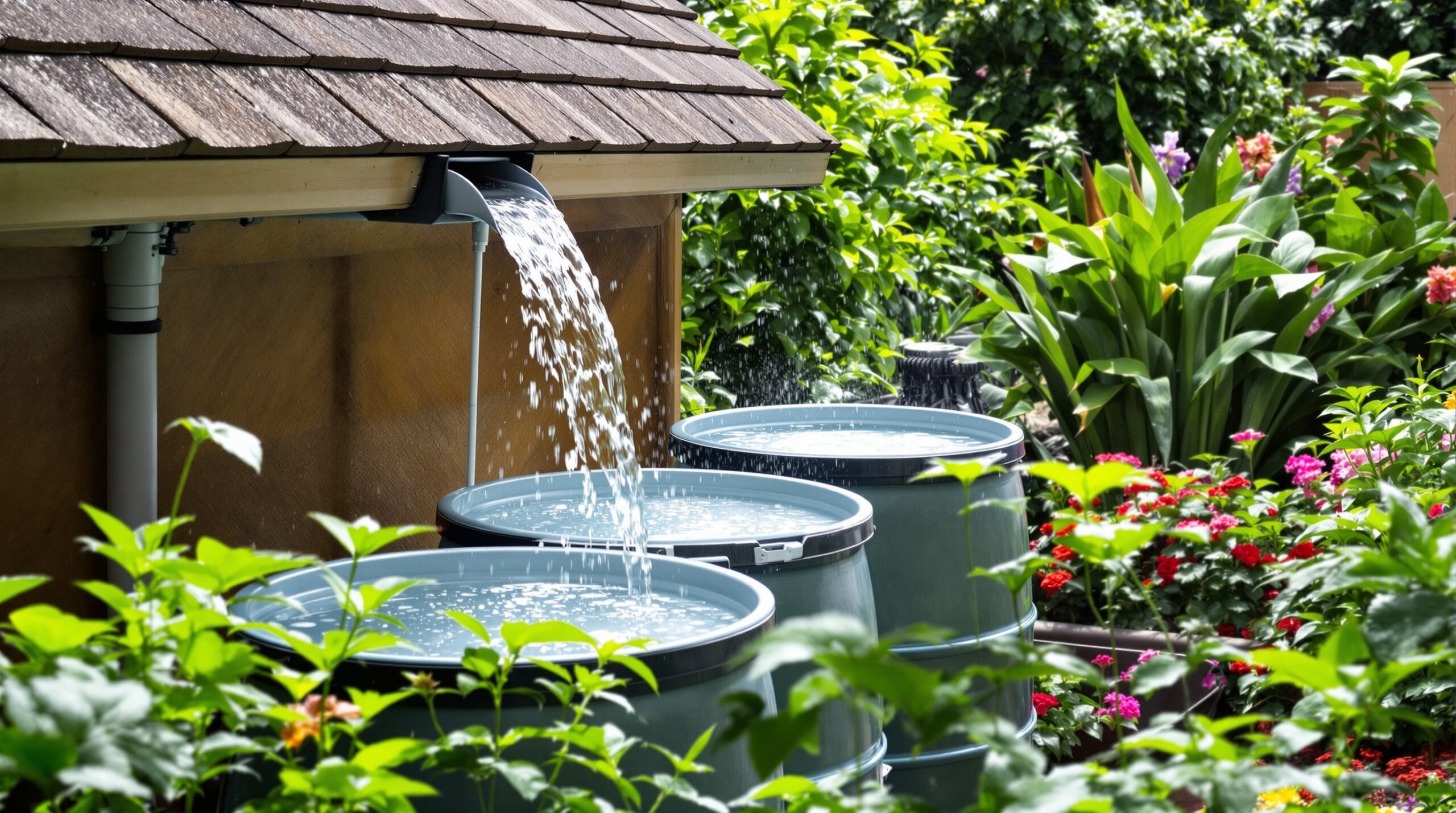
Imagine a World Transforming Every Drop of Rain
Imagine a world where every drop of rain transforms into a valuable resource. It’s not just a dream; it can be a reality right here in Delaware! As the clouds gather, instead of letting rainwater disappear into the drains, homeowners have the chance to capture it, saving it for later use. Isn’t that exciting?
Why Rainwater Harvesting Matters
For many Delaware homeowners, rainwater harvesting is more than just a smart idea—it’s a chance to make a difference. By collecting rainwater, you’re not only helping the environment but also taking a step toward a more sustainable and responsible way of living. Plus, there’s something truly magical about the thought that the very water falling from the sky can be turned into a resource for your home.
Unlocking Nature’s Potential
Think about it: every rainfall is an opportunity. Whether it’s watering your garden, washing your car, or even flushing your toilet, rainwater can be a solution to our everyday needs. As you think about your home, picture how transforming your rainwater into a usable resource can lead to fresher gardens, cleaner cars, and a lessened impact on our precious water supply.
So, let’s dive into the world of rainwater harvesting and discover how Delaware homeowners are stepping into a transformative journey that blends sustainability with ingenuity!
Understanding the Basics of Rainwater Harvesting
What if we told you that every rainstorm brings with it an opportunity to revolutionize how we use water? Rainwater harvesting systems provide an elegant solution to harnessing that opportunity, turning the unpredictable nature of rainfall into a consistent resource. But how exactly do these systems work? Let’s break it down into manageable components that highlight their efficiency and functionality.
How Rainwater Harvesting Systems Work
At the core of any rainwater harvesting system lies a simple process: collection, filtration, and storage. Understanding these three stages can empower homeowners to take full advantage of this sustainable practice.
1. Collection
The journey begins on the roof, where rainwater pours off surfaces and into designated collection points. Gutters and downspouts play critical roles here, efficiently guiding the flow of rainwater into the system. Depending on your setup, you can collect water from various areas of your home, including roofs, patios, and even paved surfaces.
2. Filtration
Not all collected rainwater is suitable for immediate use; hence, filtration is a crucial step in the process. As rainwater travels along gutters and downspouts, it may pick up leaves, dirt, and other debris. A well-designed filtration system prevents contaminants from entering your storage, ensuring the water you collect is clean. First flush diverters, mesh screens, and sediment filters work in tandem to enhance water quality, making it safe for non-potable uses like irrigation and plumbing.
3. Storage
Once filtered, the next step is storage. A storage tank, often located above or below ground, serves as the reservoir for your harvested rainwater. These tanks are specially designed to keep the water protected from pollutants and microbes while maintaining quality. Many homeowners in Delaware opt for tanks that are appropriately sized for their household needs, ensuring a reliable supply of water whenever required.
Key Components for an Efficient Setup
No matter the size or complexity of your rainwater harvesting system, certain components are essential for ensuring efficiency:
| Component | Purpose |
|---|---|
| Gutters and Downspouts | Channel rainwater from the roof to collection points. |
| First Flush Diverter | Diverts the initial dirty runoff from the roof to ensure cleaner water enters the storage tank. |
| Pre-filtration System | Removes larger debris and contaminants before water enters the storage tank. |
| Storage Tank | Holds harvested rainwater for later use from various sources. |
| Post-filtration System | Further cleans the water before it’s used for non-potable applications. |
With these basic components in place, homeowners can confidently manage their rainwater harvesting systems. Why not join the ranks of those who are not just dreaming of a sustainable future, but actively creating it? By embracing the simple yet effective methods of rainwater harvesting, Delaware residents can support eco-friendly practices while turning nature’s bounty into a valuable home resource. As we carry on, we will explore the advantages of embracing this revolutionary system and how it contributes to a sustainable water future!
The Advantages of Embracing Rainwater Harvesting
As climate change elevates the urgency of reducing our ecological footprint, the **advantages of rainwater harvesting** unfold like a refreshing downpour on parched earth. For eco-conscious homeowners in Delaware, tapping into the power of nature not only contributes to personal sustainability but also fosters broader water conservation efforts within the community. By embracing rainwater harvesting, residents can significantly lessen their reliance on municipal water supplies and mitigate the impact of stormwater runoff—two interconnected challenges that affect our environment.
1. Reducing Dependence on Municipal Water Supplies
With Delaware’s population continuing to grow, the demand on existing water infrastructure is at an all-time high. By implementing rainwater harvesting systems, homeowners can reduce their dependency on city water, freeing up vital resources for others in the community. Imagine the transformative effect of thousands of households collecting and using rainwater for non-potable applications like irrigation or washing cars! Not only does this shift ease pressure on municipal supplies, but it also encourages a more self-sufficient approach to water usage that can lead to enhanced resilience against potential water shortages.
2. Mitigating Stormwater Runoff
Stormwater runoff is one of the lesser-discussed environmental issues, yet it poses significant risks to local ecosystems. When rainwater is directed into storm drains instead of being harvested, it can carry pollutants, sediments, and debris into waterways, resulting in water quality degradation and habitat destruction. Rainwater harvesting provides a proactive solution: by collecting and storing rainwater, homeowners can lessen the volume of runoff and protect local water bodies. In doing so, they contribute to a healthier Delaware ecosystem while maintaining the natural cycle of water replenishment.
3. Supporting Water Conservation Initiatives
Every drop counts—especially in an era where climate variability raises questions about water availability. By embracing rainwater harvesting, Delaware homeowners actively participate in state-wide water conservation initiatives. Each system installed contributes to a collective effort that aims to preserve valuable natural resources for future generations. This initiative not only showcases community responsibility but also exemplifies how small-scale efforts can ripple outward to drive impactful change at a regional level.
4. Fostering Environmental Awareness
Rainwater harvesting also serves as an educational tool. As homeowners adopt these systems, they become ambassadors for sustainable practices, igniting conversations and inspiring neighbors to evaluate their own water usage. This grassroots movement cultivates a culture of environmental awareness, leading to greater community involvement in local sustainability efforts. The ripple effect from individuals taking responsible steps can translate into more substantial societal changes, creating a more eco-conscious populace ready to tackle pressing environmental challenges.
5. Enhancing Outdoor Spaces
Homeowners often dream of vibrant gardens and lush landscapes, yet achieving that reality can require significant amounts of water. Harvested rainwater provides an excellent resource for irrigation, allowing Delaware residents to maintain beautiful outdoor spaces without tapping into precious municipal supplies. Utilizing rainwater for landscape hydration not only keeps gardens flourishing but also promotes biodiversity and can transform yards into natural havens—a win-win for homeowners and local wildlife alike.
As we transition into the next section of our journey toward integrating rainwater harvesting into everyday life, it becomes clear that the advantages are plentiful. Embracing this innovative water collection practice is more than a personal investment—it’s a step toward community resilience, environmental protection, and sustainable living in the heart of Delaware. Together, let’s explore how to refine our plumbing systems to make the most of harvested rainwater, ensuring we optimize every precious drop!
Integrating Rainwater Harvesting into Your Plumbing System
With the benefits of rainwater harvesting firmly established, the next exciting step is to integrate these systems into existing plumbing setups, transforming our homes into eco-friendly sanctuaries. This integration opens up numerous innovative possibilities for utilizing collected rainwater, particularly for non-potable applications. In Delaware, where water conservation is increasingly vital, homeowners can make a significant impact through smart plumbing modifications.
Seamless Integration into Existing Plumbing
Integrating rainwater harvesting into your plumbing system doesn’t have to be a daunting task. Many homeowners can easily incorporate a rainwater collection system with minimal disruption to their current setup. The key is to design an efficient and user-friendly system that channels harvested water into existing plumbing lines where it can be stored and utilized appropriately.
One of the most effective methods involves installing a dual plumbing system. This system separates potable and non-potable water lines, ensuring that harvested rainwater can be safely used for irrigation, flushing toilets, and washing vehicles without entering into drinking water sources. By diverting rainwater from gutters and storing it in a cistern or rain barrel, homeowners can redirect this resource into the non-potable plumbing line with the assistance of gravity or a small pump. This approach not only embraces eco-friendliness but also keeps the plumbing layout straightforward.
Harvested Rainwater: Practical Uses
Once integrated, the possibilities for harvested rainwater in Delaware households become abundant. Here are some innovative ways to put this resource to good use:
- Irrigation: Perhaps the most common application, collected rainwater can effortlessly support garden and landscape irrigation needs. Homeowners can attach their rainwater system to existing irrigation lines or utilize drip systems that target root zones directly, promoting water efficiency and healthy plant growth.
- Flushing Toilets: By connecting rainwater directly to toilet supply lines, homeowners can substantially reduce their reliance on municipal water. Toilets are one of the largest water consumers in a household, and every flush using harvested rainwater conserves precious drinking water reserves.
- Car Washing: Nothing feels better than a gleaming vehicle. Using harvested rainwater for washing cars not only keeps your vehicle looking brand-new but also avoids contributing to municipal water usage during peak seasons, which can help combat potential shortages.
- Outdoor Cleaning: From patios to decks, harvested rainwater can be used for general outdoor cleaning. A simple setup with a hose attachment can enable homeowners to keep their outdoor spaces tidy without impacting indoor water usage.
Innovative Technology to Enhance Harvesting
To further streamline the integration process, various innovative technologies have emerged to make rainwater harvesting smarter and more efficient. Advanced filtration systems can be installed to ensure that the collected water remains clean and safe for non-potable uses, while smart sensors can monitor water levels and automatically switch between municipal and harvested sources when needed. Such technologies simplify usage and ensure sustainable water management without sacrificing convenience.
Moreover, leveraging mobile applications and smart home technology can enhance user experience further. Homeowners can access real-time data on their rainwater systems, empowering them to make informed decisions about when to use harvested water, depending on their needs and environmental conditions.
Embracing these innovative systems not only fosters a sustainable mindset but also transforms your home into an environmental fortress—one that champions conservation and harnesses the natural gifts bestowed by Delaware’s climate. By integrating rainwater harvesting into residential plumbing, homeowners embark on a path that champions ecological responsibility while enjoying the tangible benefits of self-sufficiency.
As we transition to discussing safety and maintenance best practices, it’s essential to understand how to ensure that these systems function optimally and safely. In doing so, we will explore crucial steps to maintain your rainwater harvesting system effectively and safeguard its integrity for years to come.
Safety and Maintenance Best Practices
As you embark on the journey of incorporating a rainwater harvesting system, understanding the importance of safety and maintenance is paramount. Like any plumbing system, your rainwater system requires routine check-ups and careful attention to ensure clean, safe water and longevity. By implementing dedicated maintenance practices, homeowners can significantly reduce risks of contamination and enhance the system’s reliability. Below, we outline essential steps for maintaining your rainwater harvesting system.
Regular System Checks
Performing regular inspections is crucial to maintaining the integrity and effectiveness of your rainwater harvesting system. Schedule a comprehensive check at least twice a year, ideally in the spring and fall. Here are some key aspects to include:
- Inspect Gutters and Downspouts: Ensure that gutters are free from debris such as leaves and twigs. Clogged gutters prevent proper water flow, which can lead to overflow and contamination.
- Check Storage Tanks: Assess the exterior and interior of your storage tanks or cisterns. Look for signs of rust, leaks, or structural damage, which may compromise the quality of the collected rainwater.
- Evaluate Filtration Components: Regularly inspect and clean your filters to avoid blockages that can prevent effective water collection. Filters should be washed according to the manufacturer’s recommendations.
Proper Filtration Techniques
Filtration is one of the most critical components of your rainwater harvesting system. It ensures that the collected water remains uncontaminated and safe for its intended uses. Here are a few filtration techniques to consider:
- First Flush Diverters: A first flush diverter captures the initial flow of rainwater, which may contain contaminants like dust and bird droppings. This mechanism helps to ensure that only cleaner water enters your storage system.
- Screen Filters: Install screen filters at the entry points to your storage tanks to catch larger debris, while finer filters can be used within the tank before water is pumped to usage lines.
- Activated Carbon Filters: For applications requiring higher water quality, such as irrigation for edible plants, consider activated carbon filters that can remove finer particulates and impurities.
Inspect and Maintain Pump Systems
If your rainwater harvesting setup includes a pumping system, regular checks are essential to ensure efficiency:
- Monitor Performance: Perform routine checks on your pump system to prevent malfunctions. Listen for unusual noises, which may indicate wear and tear.
- Clean Pump Components: Minimize sediment buildup by cleaning impellers and other internal components regularly as per the manufacturer’s guidelines.
Monitoring Water Quality
Ensuring water quality is critical for safe usage. Homeowners should take proactive measures to monitor contaminants:
- Water Testing: Conduct water quality tests at least annually to check for harmful bacteria, impurities, and pH levels. Water testing kits are readily available, and many local health departments offer laboratory testing services.
- Visual Inspections: Regularly check stored rainwater for any discoloration or unusual odors, which could indicate contamination. If concerns arise, refrain from using the water until it has been tested and deemed safe.
Table: Recommended Maintenance Schedule
| Maintenance Task | Frequency |
|---|---|
| Inspect gutters and downspouts | Twice a year (Spring and Fall) |
| Clean first flush diverters | As needed (usually after heavy rainfall) |
| Check/filter storage tanks | Every six months |
| Test water quality | Annually |
| Inspect pump systems | Quarterly |
By establishing a thorough maintenance routine, Delaware homeowners can ensure that their rainwater harvesting systems operate efficiently, safely, and sustainably. The effort put into maintenance not only safeguards the ecosystem but also ensures that the harvested water can be used confidently for non-potable applications.
With these best practices in mind, you’re ready to plunge into the inspiring stories of Delaware homeowners who have successfully adopted rainwater harvesting—a journey that showcases the potential for substantial environmental impact and community engagement through sustainable plumbing practices.
Rainwater Harvesting Success Stories in Delaware
Delaware is home to a vibrant community of eco-conscious homeowners committed to making sustainable choices. Among these trailblazers are individuals and families who have adopted rainwater harvesting systems, transforming not only their own lives but also inspiring their neighborhoods to embrace eco-friendly practices. Let’s delve into a few remarkable success stories that highlight the impact of rainwater harvesting in the First State.
The Anderson Family: A Holistic Approach to Sustainability
The Andersons, a family residing in Wilmington, turned their backyard into a green oasis by integrating a rainwater harvesting system. Initially motivated by a passion for sustainability, they installed a 1,000-gallon storage tank connected to their gutter system. Through continuous education and community involvement, they discovered that their harvested rainwater could effectively sustain their vegetable garden, reducing reliance on municipal water.
The Andersons not only enjoy fresh, organic produce but also engage with their neighbors by hosting seasonal workshops on water conservation and sustainable gardening, creating a ripple effect in their community.
The Martinez Household: Championing Local Initiatives
The Martinez family in Dover decided to take action against rising water consumption. They invested in a rainwater collection system capable of capturing stormwater runoff from their rooftop. With the installation of filtration components, they now use the harvested rainwater for both irrigation and non-potable household activities.
Their commitment has inspired local schools to initiate similar projects, fostering a sense of community collaboration that goes beyond mere water conservation, turning sustainability into a collective effort.
Lisa Chen: A Solo Pioneer
As a single homeowner in Rehoboth Beach, Lisa Chen embodies the determination of individuals committed to greener living. Targeting her extensive flower gardens, she created a smaller, yet efficient, rainwater harvesting system utilizing a series of barrels strategically placed around her house. Through meticulous filtration practices, Lisa uses the harvested rainwater to nourish her beloved garden, showcasing an array of vibrant blooms that attract pollinators.
Her efforts didn’t go unnoticed; numerous neighbors have stopped by to learn about her system, and Lisa now hosts regular garden tours, encouraging others to adopt similar sustainable methods in their own yards.
The Duprees: Family Farms and Future Generations
In rural Delaware, the Dupree family operates a small-scale farm and decided to incorporate rainwater harvesting as part of their sustainability mission. By implementing a large storage system that collects rain from their barn and house, they maximize water for irrigation while minimizing reliance on traditional sources.
The positive environmental impact has been twofold; not only do they sustain their crops, but they also model eco-responsibility for their children, teaching them the value of conservation early on. Their farming success has sparked an initiative among local farmers, encouraging a collective approach to sustainability that benefits the entire agricultural community.
These inspiring examples demonstrate the immense potential of rainwater harvesting in Delaware. By adopting these systems, homeowners and families have not only addressed personal needs but also prompted community engagement, proving that even small-scale efforts can lead to significant environmental change. If you aspire to make a difference, consider joining this growing movement toward sustainability. Each raindrop you catch can be a step toward safeguarding our environment for future generations.
Whether you’re driven by a passion for sustainability or simply wish to make a positive difference in your community, rainwater harvesting provides an innovative pathway toward greener living. By harvesting, storing, and utilizing rainwater, Delaware homeowners can join a growing movement that promises remarkable environmental benefits. Begin your sustainable plumbing journey today and watch as each raindrop becomes a step towards securing a more sustainable future for generations to come.
As the urgency of climate change continues to mount, more and more homeowners in Delaware and across the nation are seeking effective solutions that address not only personal water needs but also broader environmental challenges. Rainwater harvesting stands out as an innovative and practical approach to sustainable living, offering individuals a chance to take an active role in the preservation of our precious natural resources. Whether appealing to your values of environmental stewardship or a desire to contribute to a sustainable community, getting involved in rainwater harvesting can be a transformative journey.
For those just beginning to explore this innovative practice, the initial steps toward harvesting rainwater can be thrilling and gratifying. Imagine standing in your yard, watching the rain fill your collection barrels, knowing that each drop is being repurposed for your garden or household needs. Enthusiastic DIYers can engage with local resources and workshops to learn more about effective harvesting techniques, ensuring they set up a system that works harmoniously with their environment. With the right guidance, you’ll quickly gain confidence as you transition from passive observer of rain to an active steward of the water cycle.
Moreover, participating in rainwater harvesting is not only beneficial for the environment but is also an incredible way to foster community connections. Many Delaware residents who engage in this practice find themselves joining local groups and initiatives aimed at promoting sustainability. This collaborative spirit enables participants to share successful strategies, troubleshoot issues together, and collectively advocate for wider adoption of eco-friendly practices. The connections you forge through shared commitments to sustainability can lead to meaningful friendships and partnerships, enriching your experience as you embark on this eco-friendly journey.
As rainwater harvesting becomes more prevalent in Delaware, it also carries the potential to inspire future generations. By implementing such practices at home, you set an example for your children and neighbors, instilling the values of conservation, resource management, and environmental responsibility. Imagine teaching your children how to care for the planet while engaging in hands-on activities like gardening with harvested rainwater. This proactive approach ensures that the next generation will inherit not only a more sustainable world but also a profound sense of responsibility for its care.
In addition to personal and community benefits, rainwater harvesting plays a crucial role in mitigating local environmental challenges. With increased urbanization and frequent heavy rainfall, rainwater harvesting systems can significantly reduce stormwater runoff, alleviating pressure on drainage systems and local waterways. By capturing this precious resource, homeowners are not merely addressing their immediate needs but actively contributing to the resilience of their local ecosystems. As you participate in this movement, you’re helping create a healthier habitat for local wildlife, protecting water quality, and combating the effects of climate change.
The call for sustainability is louder than ever, and embracing rainwater harvesting gives you the chance to answer that call enthusiastically. Whether you’re motivated by a small garden project or a major initiative, every effort counts in the pursuit of a greener future. As you begin your journey, remember that you’re joining a passionate community of like-minded individuals, all working together toward similar goals. With each rainstorm, you’ll witness not just water falling from the sky but an abundance of opportunity—a chance to create, nurture, and positively impact your environment and the world around you.
Creating a Greener Tomorrow, One Drop at a Time
As homeowners across Delaware champion the cause of sustainability, the ripple effects of their rainwater harvesting endeavors reveal an exhilarating potential that extends beyond the confines of their backyards. This innovative practice is not merely about funneling rain into barrels; it is a vibrant engagement with nature, a commitment to environmental stewardship, and a pledge to foster a legacy of awareness for generations to come. Rainwater harvesting serves as a catalyst for cultural shifts within communities that amplify the importance of responsible natural resource management.
While the stories of the Andersons, Martinezes, Chens, and Duprees illustrate the practical benefits of rainwater systems, they also underscore a pivotal truth: sustainability is a collective journey. Each home that adopts this practice becomes a beacon of inspiration, igniting curiosity in those who may have previously overlooked the possibility of such eco-friendly initiatives. By sharing their stories and demonstrating the transformative power of rainwater, these committed individuals are not simply changing their landscapes—they are reimaging community dynamics and the environmental dialogue in Delaware.
Empowering Neighbors through Education
Education is a powerful tool in the movement towards sustainability. Homeowners who embark on their rainwater harvesting journeys often find themselves becoming ambassadors of change, showcasing their systems during community events or workshops. Sharing knowledge about the benefits of rainwater utilization, the environmental impact of water conservation, and practical tips for implementation encourages others to explore similar paths. As families and friends come together around this mission, the importance of nurturing the environment becomes a shared responsibility—a shared joy—embodying a sustainable lifestyle that all can be proud of.
Building Connections Beyond the Garden
The profound impact of engaging in rainwater harvesting spills into realms beyond individual gardens. As neighborhoods band together to support these practices, collaboration flourishes. Community gardening initiatives, local farmer’s markets featuring sustainably grown produce, and educational programs in schools serve as platforms for discussion and action. This interconnected web of support not only elevates the quality of life for residents but binds them through a common goal: nurturing a healthier planet. Each workshop, community meeting, or informal gathering further promotes a sense of camaraderie, paving the way for deeper connections forged on the foundation of shared ideals.
Tomorrow’s Legacy Starts Today
Considering the urgency of our environmental challenges, the time for action is now. Rainwater harvesting presents a palpable way to contribute to a greener future. As Delaware’s climate continues to evolve, measures like these empower residents to take control of their water usage and enhance resilience against potential water shortages. The multifaceted benefits—reduced stormwater runoff, increased groundwater recharge, and improved landscape health—serve as compelling reasons for anyone to get involved.
So let us be inspired by the stories of those who have taken the plunge into sustainability. Whether it’s by planting seeds in their gardens or cultivating a deeper awareness within their communities, every act of commitment to rainwater harvesting inspires others to join the movement. Together, we can amplify our efforts and collectively shape a thriving, eco-conscious future for Delaware. With each raindrop collected, we are not just making environmental strides; we are weaving a narrative of stewardship, responsibility, and hope for all who call this beautiful state home.
Join the ranks of the eco-conscious; begin your sustainable plumbing journey today, and watch as each drop you catch translates into a larger impact for our environment. In doing so, you’ll not only water your garden but nourish your community and secure a sustainable tomorrow for the generations that follow.