
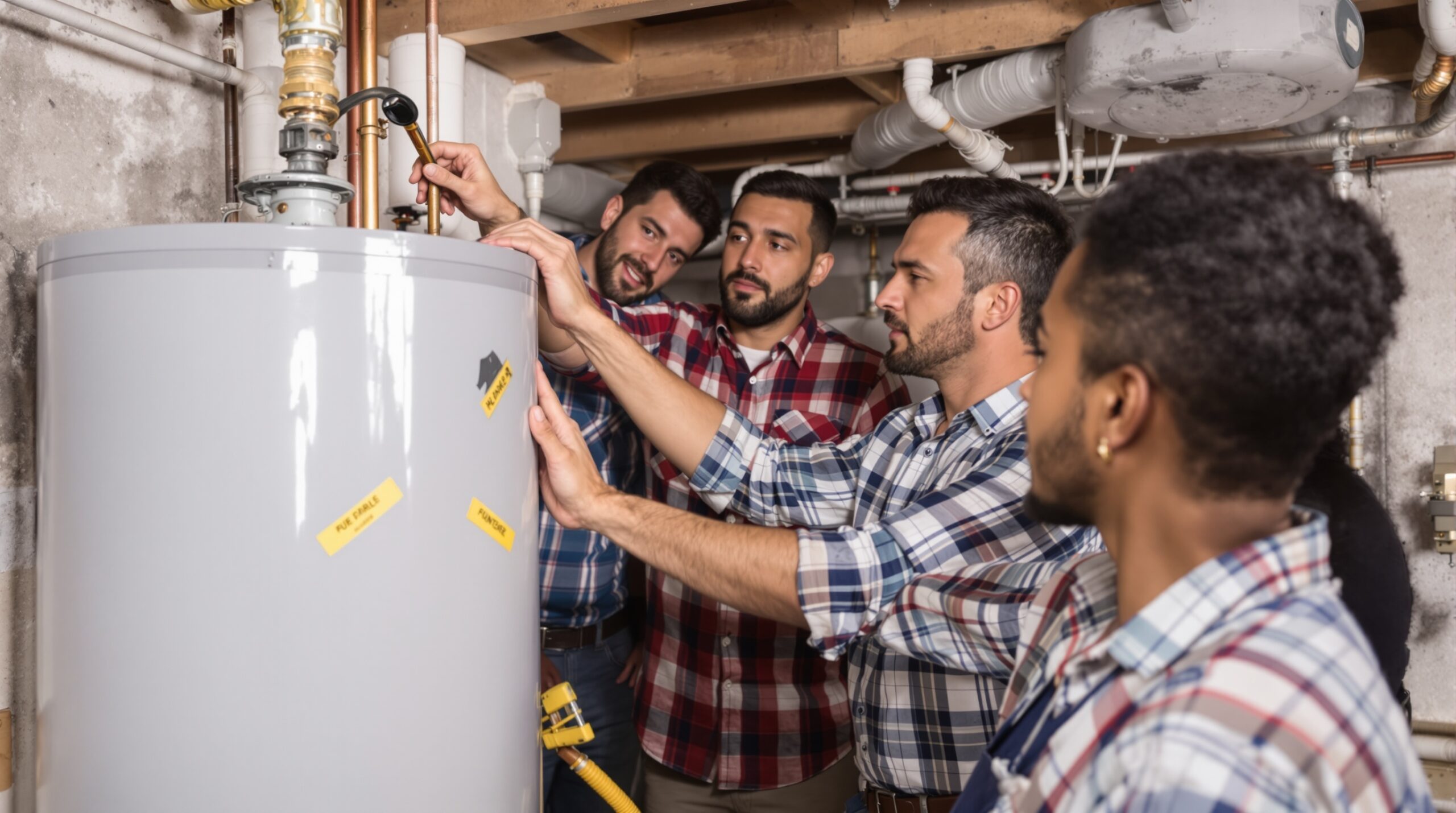
Is Your Water Heater Ready for an Upgrade?
In Warwick, DE, we all want to live in homes and run businesses that are energy-efficient and eco-friendly. But did you know that one of the biggest energy hogs in your home could be hiding right in your utility room? That’s right! Your trusty water heater might be working harder than it should, and it could be time to consider an upgrade.
Why Energy Efficiency Matters
With the growing urgency to reduce energy consumption and protect our beautiful environment, focusing on energy-efficient systems is crucial. Every little change adds up, and the water heater is an often-overlooked hero—or villain—when it comes to energy use. If you’ve noticed some strange signs or behaviors from your water heater lately, it might be time to take action.
Are You Seeing the Signs?
Feeling unsure about whether it’s time to replace your water heater? Don’t worry! Our guide will help you identify key indicators that your water heater might be on its last legs. Plus, we’ll share some handy solutions that can boost your home’s energy conservation and keep your showers hot without draining your resources.
So, let’s dive in and explore how to make your home not only more comfortable but also more energy-efficient!
Recognizing the Red Flags: Signs Your Water Heater Needs Replacement
We often take our water heaters for granted, assuming they will faithfully deliver hot water when we need it the most. However, these unsung heroes of our households display telltale signs that indicate they may be nearing the end of their lifespan. Being aware of these red flags can save you from unexpected cold showers and costly repairs—allowing you to transition seamlessly into a more energy-efficient solution.
| Red Flag | Description | Next Steps |
|---|---|---|
| Age | If your water heater is over 10-15 years old, it is likely that you’ll need to consider a replacement soon. | Schedule a professional inspection to evaluate its current condition. |
| Weird Noises | Does your water heater groan, pop, or make banging sounds? These noises often indicate sediment build-up or internal issues. | Flush the tank or consult a technician for possible repairs or replacement. |
| Inconsistent Water Temperature | A lack of hot water during showers or fluctuating temperatures signals an ineffective heating element. | Check the thermostat settings or reach out for a thorough diagnosis. |
| Water Discoloration | If your hot water appears rusty or smells unusual, it’s a sign of corrosion inside the tank. | Consider replacement as the interior may have deteriorated beyond repair. |
| Leaks or Moisture Accumulation | Puddles or leaks around the base could indicate that your tank is failing, risking further water damage. | Act quickly to evaluate if a replacement is necessary. |
By keeping an eye out for these signs, you can proactively address any issues before they escalate. Ignoring these red flags can lead to inconvenient situations, and it’s vital to act before a minor problem turns into a major catastrophe. Remember, taking action early means you’ll have the chance to choose an energy-efficient option that aligns with your values and contributes to a healthier environment.
So, if you’ve been noticing any of these signs, don’t put off the inevitable! Embrace this opportunity to not only upgrade your water heater but also reduce your energy consumption, enhance your home’s efficiency, and ultimately enjoy a more comfortable living space.
Benefits of Energy-Efficient Water Heaters in Warwick, DE
As you contemplate the importance of upgrading your water heater, one of the most compelling arguments in favor of making the switch revolves around energy efficiency. In a world increasingly focused on sustainability, energy-efficient water heaters stand out not just for their technological advancements, but for the myriad of benefits they offer to homeowners in Warwick, DE. These appliances are designed to utilize less energy while still providing the same reliable hot water supply that you depend on.
First and foremost, energy-efficient water heaters are environmentally friendly. By consuming less energy, they contribute to a reduction in greenhouse gas emissions, allowing you to play an active role in combating climate change. This doesn’t just help the planet; it also promotes better air quality in your home and community. Taking advantage of energy-efficient technology means you’re aligning your lifestyle with the global shift towards sustainability, which is increasingly crucial for future generations.
Additionally, energy-efficient water heaters can enhance the comfort of your home. Modern units employ advanced heating technologies that ensure a more consistent water temperature, eliminating those frustrating moments when the water suddenly turns lukewarm mid-shower. In places like Warwick where winter temperatures can drop significantly, having a reliable and efficient heating system becomes not just a luxury, but a necessity.
Moreover, energy-efficient systems boast improved functionality—many come with user-friendly smart technology that allows you to monitor and control your water heater from anywhere. This level of convenience means you can customize settings to match your daily routine, ensuring that your home’s hot water needs are met with minimal energy expenditure.
In addition to the immediate benefits, energy-efficient water heaters often feature superior build quality and longer life spans compared to traditional models. With the right care, these appliances can last longer, reducing the frequency of replacements and ensuring that you have reliable hot water for years to come. Investing in an energy-efficient water heater is not just an upgrade; it’s a strategic choice in building a more resilient home.
Finally, transitioning to an energy-efficient water heater can positively influence your sense of community. Supporting and spreading awareness of sustainable practices can inspire others in Warwick to follow suit—creating a ripple effect that strengthens local environmental initiatives. As you invest in an energy-efficient solution, you contribute to a collective effort aimed at making Warwick a greener place to live.
Embrace the shift towards energy efficiency in your home. Not only will you benefit from an enhanced sense of comfort and convenience, but you’ll also be making a choice that aligns with a sustainable future—one hot shower at a time.
Best Practices for Maintaining Your Water Heater for Prolonged Efficiency
Now that you’ve explored the many benefits of energy-efficient water heaters, it’s essential to understand that even the best systems require regular maintenance to maximize their lifespan and efficiency. Proper care not only enhances performance but also prevents unexpected breakdowns, ensuring that you’re never caught without hot water when you need it most. Here are some best practices for maintaining your water heater effectively.
1. Regular Inspections: Schedule routine inspections with a licensed technician to assess your water heater’s condition. These inspections can identify potential issues early on, allowing for timely repairs before they escalate into significant problems. During these inspections, ensure that the heating elements, thermostat, and other components are functioning properly.
2. Flush the Tank: Sediment buildup can significantly hinder your water heater’s performance. Flushing the tank at least once a year removes minerals and debris that accumulate over time, ensuring optimal heating efficiency. This simple task not only enhances performance but also extends the life of your water heater. If you’re unsure of how to do this safely and effectively, consult your manufacturer’s guidelines or call a professional.
3. Check the Anode Rod: The anode rod is a critical component that helps prevent rust and corrosion from developing inside the tank. Inspect it every couple of years and replace it if it has deteriorated significantly. A well-maintained anode rod can significantly extend the lifespan of your water heater and improve overall efficiency.
4. Insulate the Heater and Pipes: In colder climates like Warwick, insulating your water heater and the first few feet of its pipes can minimize heat loss. This insulation helps maintain the water temperature, allowing your heater to work less while delivering the same efficient hot water output. This simple upgrade can lead to impressive energy savings.
5. Monitor the Pressure Relief Valve: The pressure relief valve helps to release pressure buildup inside the tank. Test this valve periodically to ensure it is functioning correctly. Simply lift the lever on the valve to allow a short burst of water to escape—this action should demonstrate that it’s working properly. If it fails, replacing it promptly is crucial to prevent dangerous pressure levels from accumulating.
6. Adjust the Temperature Setting: Set your water heater’s thermostat to a comfortable yet energy-efficient temperature, typically around 120°F (49°C). This setting is sufficient for most household needs while also minimizing energy use and the risk of scalding. Regularly check your thermostat’s accuracy as well to ensure that it reflects the temperature accurately.
7. Be Mindful of Usage: Finally, mindful usage of hot water significantly impacts your heater’s efficiency. Consider staggering hot water use during peak periods or when the demand is lower to lessen the load on your system. Engage your family in energy-saving habits, such as taking shorter showers or using cold water for laundry when appropriate. Collaboration fosters a community spirit and benefits everyone involved.
By adopting these maintenance best practices, you’ll optimize the performance of your water heater, prolong its lifespan, and continue to enjoy the myriad benefits of energy efficiency. Remember, a little care goes a long way—ensuring that your system provides you with comfort, reliability, and environmental sustainability for years to come.
Innovative Technologies and Solutions for Water Heater Energy Efficiency
As we transition towards a more energy-conscious society, innovative technologies are paving the way for water heaters that are not only more efficient but also smarter. The incorporation of advanced systems allows homeowners to harness energy like never before. Here, we delve into the leading innovative solutions that enhance water heater energy efficiency, making it easier than ever to enjoy hot water sustainably.
1. Smart Thermostats: Modern water heaters are now equipped with smart thermostats that allow for precise temperature control and monitoring. These devices can adjust the temperature based on your usage patterns, ensuring hot water is available when you need it without wasting energy. Some models even allow homeowners to adjust settings remotely through smartphone apps, giving you greater control over your energy consumption.
2. Heat Pump Water Heaters: Utilizing the principle of heat transfer rather than traditional electric resistance, heat pump water heaters are designed to absorb heat from the surrounding air and use it to heat water. This dramatically reduces energy consumption compared to conventional electric heaters. Furthermore, heat pumps can provide efficient cooling during hot days by transferring warmth outside, maximizing their year-round utility.
3. Solar Water Heating Systems: Harnessing the sun’s energy is a sustainable approach that has gained traction in recent years. Solar water heating systems utilize solar panels to collect energy, which is then transferred to a water storage tank. Enhanced solar technology, including thermally efficient panels, makes this solution not only eco-friendly but also increasingly viable for daily use.
4. Condensing Water Heaters: For gas water heaters, condensing models come equipped with a system that expels gas condensation, maximizing energy output while minimizing waste. These advanced units reclaim some of the heat that would traditionally be lost in the exhaust process, boosting overall efficiency significantly.
5. Recirculation Systems: These systems reduce wait times for hot water by circulating it through your home’s plumbing, ensuring hot water is readily available at the tap. Advanced recirculation systems come with smart controls that can detect when hot water is actually needed, thereby minimizing energy consumption while still providing convenience.
6. On-Demand Water Heaters: Also known as tankless water heaters, these systems heat water directly as it flows through the unit, eliminating the need for a storage tank. With advancements in technology, today’s on-demand heaters can provide consistent hot water supply while using far less energy than traditional storage-based systems.
| Technology | Efficiency Aspect | Additional Benefits |
|---|---|---|
| Smart Thermostats | Precise temperature control | Remote management via smartphones |
| Heat Pump Water Heaters | Reduces energy consumption | Dual use for heating and cooling |
| Solar Water Heating | Utilizes renewable energy | Lower carbon footprint |
| Condensing Water Heaters | Maximizes heat recovery | Reduced exhaust losses |
| Recirculation Systems | Minimizes wait time for hot water | Convenient and energy efficient |
| On-Demand Water Heaters | Heats water as needed | Space saving and highly efficient |
These innovative technologies provide reliable solutions for improving water heater energy efficiency. By integrating these systems into your home, you not only benefit from enhanced comfort and convenience but also take significant strides toward a more sustainable and eco-friendly lifestyle. As we shift to a greener future, being informed about these cutting-edge options will empower you to make choices that align with your values and energy goals. In the following section, we will focus on how to choose the right energy-efficient water heater tailored to your specific needs.
How to Choose the Right Energy-Efficient Water Heater for Your Needs
As homeowners become increasingly aware of their energy consumption and environmental footprint, selecting the right energy-efficient water heater is essential for fostering a sustainable lifestyle. With advancements in technology and a variety of options available, making an informed decision can feel overwhelming. However, by understanding your specific needs and the features that matter most, you can confidently choose a water heater that strikes the right balance between performance, efficiency, and convenience.
1. Assess Your Hot Water Usage: The first step in choosing the right water heater is to evaluate your hot water consumption patterns. Consider the number of people in your household, daily activities, and peak usage times. For smaller households, tankless water heaters or on-demand models may offer adequate hot water without the need for a bulky storage tank. Conversely, larger families might prefer traditional tank heaters or high-capacity heat pump options to ensure they never run out of hot water during high-demand periods.
2. Determine Fuel Source: Energy-efficient water heaters come in various types, powered by electricity, natural gas, propane, or even solar energy. Your location, availability of fuel sources, and personal preferences should guide your decision. If you have access to renewable energy options like solar panels, a solar water heating system could be a perfect sustainable choice. Alternatively, consider heat pump or condensing models if natural gas is readily available, as these can offer significant efficiency gains.
3. Focus on Efficiency Ratings: When evaluating different models, pay close attention to their efficiency ratings. Water heaters are often rated using the Energy Factor (EF) or the Uniform Energy Factor (UEF), both of which indicate how much hot water the unit can produce per unit of energy consumed. Higher ratings signify greater efficiency, leading to overall energy savings. In general, look for models that exceed the minimum energy standards set by local regulations, as they often provide better performance and longer service life.
4. Explore Advanced Features: With technological advancements, many new water heaters come with advanced features that can simplify operation and enhance efficiency. Smart thermostats and Wi-Fi connectivity allow homeowners to manage their hot water needs remotely, enabling more efficient energy usage. Look for models that offer customizable settings based on your routine, which ensures that energy is consumed only when needed, without sacrificing comfort.
5. Evaluate Installation and Space Considerations: The physical space you have available is a crucial factor in your selection process. Ensure the chosen model fits within your existing infrastructure and that there’s adequate room for installation and maintenance. Additionally, consider any local codes or requirements that might impact your installation choices. Opting for a compact on-demand model could be advantageous if space is limited, whereas larger tank systems generally require more room but can store greater quantities of hot water.
6. Seek Professional Advice: Consult with energy efficiency experts or certified plumbers to gain insights into the best options tailored to your specific needs and home layout. Their expertise can help narrow down the selections and potentially identify models that consumers may not be familiar with. Beyond avoiding costly mistakes, local professionals are often well-versed in the latest technologies and can even guide you on available incentives or rebates for energy-efficient upgrades.
By thoughtfully assessing your requirements and understanding the capabilities of modern water heater technologies, you will be well-equipped to make a choice that not only meets your needs but also aligns with your commitment to energy-efficiency. As we continue to adjust our lifestyles for sustainability, selecting the right water heater sets a pivotal precedent for greener living.
How Often Should Water Heaters Be Inspected?
To maintain your water heater in optimal condition and ensure energy efficiency, it is vital to schedule regular inspections. Industry experts generally recommend having your water heater inspected at least once a year. This annual check-up allows qualified technicians to assess the operational efficiency, check for leaks, and identify any potential issues before they escalate into more significant problems. During these inspections, technicians can also flush the tank to remove sediment buildup, which can hinder performance and efficiency.
Neglecting regular inspections can lead to unexpected breakdowns and increased energy consumption. Signs that your water heater may require immediate attention include inconsistent water temperature, strange noises, or unusual rust or discoloration around the tank. Being proactive about inspections will not only extend the lifespan of your heater but also help keep energy bills in check by ensuring that your unit runs as efficiently as possible.
What Can Cause a Sudden Increase in My Water Heating Energy Bill?
A sudden spike in your water heating energy bill can be concerning and perplexing. Several factors might contribute to this unexpected rise. First, a malfunctioning thermostat can cause your heater to work overtime, leading to higher energy usage. If the thermostat is set too high, it forces the heater to consume more energy than necessary to maintain the desired water temperature.
Another common culprit is sediment buildup within the tank. Over time, minerals from hard water can settle at the bottom, insulating the water from the heating elements. This causes the heater to operate longer to achieve the same temperature, ultimately increasing energy costs. Additionally, aging water heaters may lose efficiency as their components wear out; unresolved leaks or faulty insulation can also cause your water heating system to work harder than it should.
Finally, changes in usage patterns can impact energy bills. Larger families, extra hot water use for guests, or increased laundry loads can also cause a noticeable increase. Analyzing your water consumption habits alongside your unit’s performance will help pinpoint the cause of any abrupt bill changes.
Local Resources or Incentives in Warwick, DE for Upgrading to Energy-Efficient Water Heaters
Homeowners in Warwick, DE, can access a wealth of local resources and incentives to upgrade to energy-efficient water heaters. The state of Delaware, along with various utility companies, often offers rebates and programs designed to encourage energy efficiency. By researching these local initiatives, you can find opportunities to offset costs associated with purchasing and installing energy-efficient models.
The Delaware Division of Energy & Climate often provides guidance and support for residents looking to improve their homes’ energy performance. They may also conduct workshops or informational sessions to educate homeowners on the benefits of energy-efficient technologies, such as heat pump water heaters or solar systems. Furthermore, local energy providers sometimes run their rebate programs for customers who switch to energy-efficient appliances, so it’s advisable to check with companies like Delmarva Power for applicable incentives tied to your purchase.
Additionally, many certified contractors in the Warwick area are knowledgeable about available rebates and can assist homeowners in selecting suitable models that align with these programs. Engaging with these local resources can make your journey toward energy efficiency much more rewarding, both environmentally and in terms of the potential benefits associated with upgrading your water heating system.
Staying Proactive: The Key to Energy Efficiency in Your Water Heater
In conclusion, staying proactive about your water heater’s condition can significantly impact energy efficiency in your Warwick, DE residence or business. By recognizing the signs, leveraging modern technologies, and following maintenance best practices, you can ensure a sustainable and comfortable environment. It’s not merely about choosing the right model; it’s about nurturing that choice through diligent oversight and informed decision-making.
First and foremost, becoming acquainted with the tell-tale signs of water heater issues is essential. Are you experiencing fluctuating water temperatures, unusual noises, or leaks? These symptoms are not just minor inconveniences; they are your water heater’s way of communicating that it needs attention. Addressing these issues promptly can enhance your system’s efficiency while reducing water waste. Just as your car requires regular check-ups to maintain optimal performance, so too does your water heater benefit from periodic inspections.
In today’s digital world, taking advantage of modern technologies can be a game changer. Smart water heaters equipped with sensors and Wi-Fi connectivity empower homeowners to monitor and manage their energy consumption like never before. These innovative solutions not only make it easy to adjust settings remotely but can also provide real-time data alerts about any malfunctions or inefficiencies, allowing for timely interventions.
Moreover, establishing a routine of scheduled maintenance is a cornerstone of energy efficiency. Just as you would routinely change the batteries in your smoke detectors, your water heater deserves similar attention. Regularly flushing the tank to eliminate sediment buildup, checking the pressure relief valve, and updating anodes are all simple yet effective maintenance tasks that can extend the life of your water heater and keep it running smoothly. Scheduling professional check-ups can also uncover potential improvements and keep your system optimized.
Beyond individual upkeep, engaging with local plumbing and energy efficiency experts can unlock a treasure trove of opportunities for sustainable upgrades. These specialists can provide tailored recommendations and insights on technologies or practices specifically suited to Warwick’s climate and regulations. Finally, as sustainability becomes a community goal, you might discover local programs or initiatives designed to facilitate energy-efficient upgrades, thus enhancing both your home and community’s overall efficiency.
The journey toward a sustainably operated home begins with your water heater. By being proactive and informed, you can ensure that your system not only meets your daily needs but also contributes to a more energy-efficient future. Explore the innovative solutions available and partner with local experts to build a comfortable, eco-friendly living space today—and reap the benefits for years to come. In this way, you are not just an occupant but an active steward of your environment.