
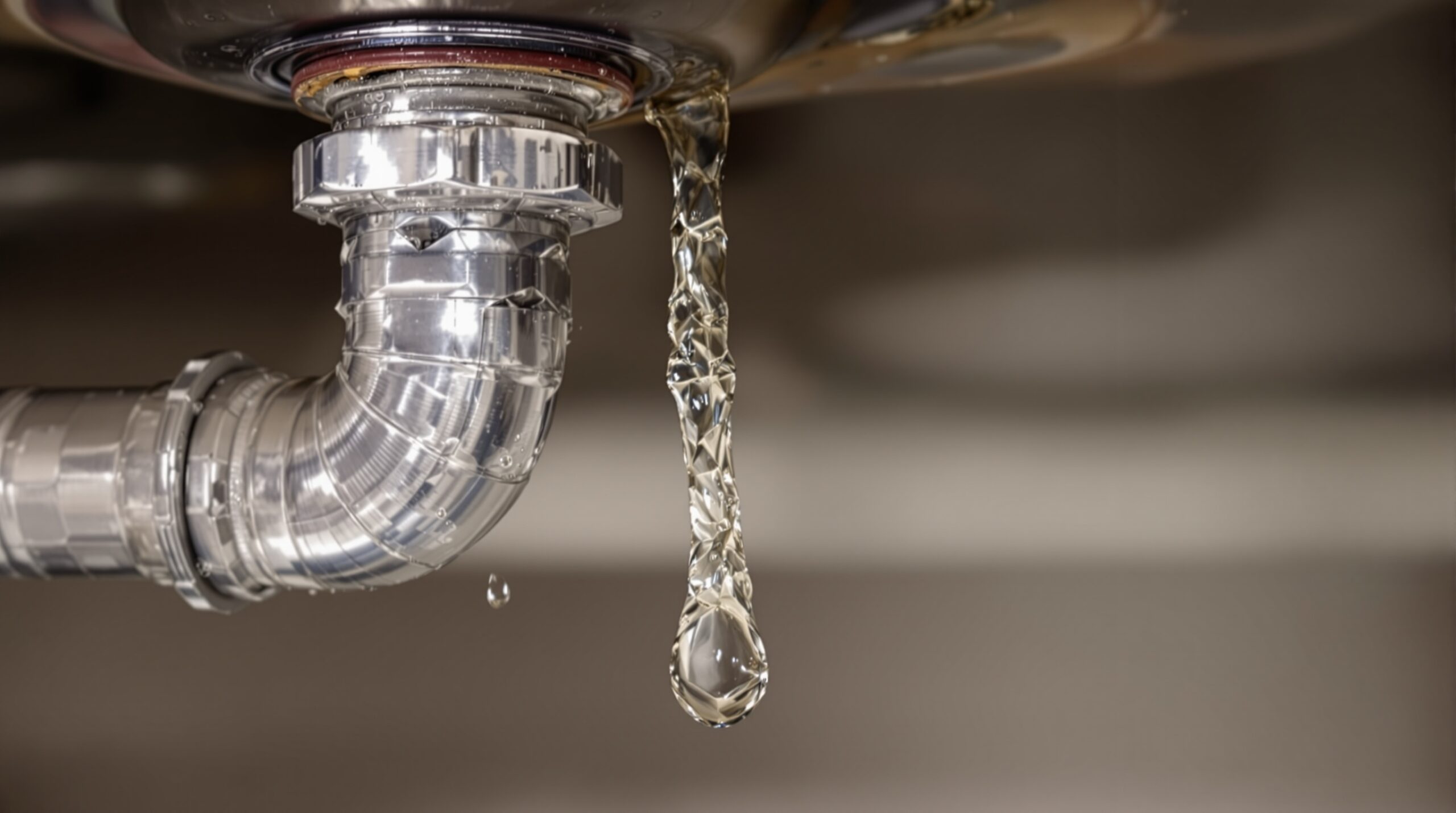
Understanding the Importance of Plumbing in Your Home
Imagine waking up one morning, ready to start your day, only to find that your shower is spewing water everywhere or that your kitchen sink is a mini swimming pool. It’s enough to make even the calmest person feel like they’re about to lose it! Plumbing systems are the unsung heroes of our homes. They keep the water flowing for everything from washing our hands to enjoying a warm bath after a long day. But what happens when these vital systems start to fail?
The Heart of Home Comfort
Plumbing isn’t just about pipes and drains; it’s about comfort and convenience. A well-functioning plumbing system ensures you have access to clean water when you need it, and it safely removes waste, keeping your home fresh and inviting. But, just like a car, if the plumbing system isn’t running smoothly, it can lead to big headaches.
When plumbing emergencies strike, they can escalate quickly, turning minor inconveniences into major disasters if not handled right away. That’s why recognizing the signs that you need an emergency plumber is crucial. Ignoring these warning signs might mean dealing with flooded floors, unpleasant odors, or even water damage that can affect your entire home. Stay tuned as we explore the red flags that signal it’s time to call in the experts and restore the comfort you deserve.
Common Warning Signs of Plumbing Emergencies
When it comes to plumbing, being proactive can save you from some unpleasant surprises down the road. Recognizing the early warning signs of a plumbing emergency is essential for maintaining a healthy and functional home. Let’s dive into some of the most common red flags that signal it’s time to pick up the phone and call a professional before a small issue turns into a plumbing nightmare.
| Warning Sign | Description | Potential Consequences |
|---|---|---|
| Persistent Leaks | Water pooling under sinks, dripping from faucets, or wet spots on walls. | Water damage, mold growth, and increased utility bills. |
| Foul Odors | Unpleasant smells coming from drains or around appliances. | Standing water, clogged drains, and potential sewage problems. |
| Water Discoloration | Brown, yellow, or cloudy water emerging from taps. | Potential contaminants in the water supply and health risks. |
| Unusual Noises | Banging, gurgling, or hissing sounds from pipes. | Air pockets, line clogs, or water hammer issues. |
| Slow Drains | Water taking longer than usual to drain after use. | Clogs forming in pipes that may lead to backups. |
Each of these signs is the plumbing equivalent of a smoke alarm going off; they indicate that something isn’t right and requires your immediate attention. For instance, persistent leaks may seem harmless at first, but over time, they can lead to significant water damage, fostering the growth of mold that can compromise your home’s structure and air quality. Similarly, foul odors can point to serious issues with your drains or even sewage systems needing urgent repair.
Then there’s water discoloration, which is not only visually unsettling but could indicate that something is wrong with your water supply. Whether it’s rust from aging pipes or sediment buildup, the implications can be alarming, and ensuring clean, safe water should always be your priority.
Moreover, unusual noises and slow drains shouldn’t be dismissed; they often signify underlying problems that could but might not surface until they become highly problematic. The key takeaway here is that addressing these warning signs promptly could save you from catastrophic plumbing failures, ensuring that your home remains a sanctuary of comfort and safety.
The Crucial Role of Timely Intervention
When it comes to plumbing, understanding the significance of timely intervention is paramount in averting minor inconveniences from spiraling into major crises. Just as a small flame can be snuffed out with a splash of water, addressing plumbing issues at the onset can prevent catastrophic failures that can wreak havoc on your home. Ignoring the subtle cues of distress your plumbing may exhibit not only poses a threat to your residence but also to your peace of mind.
Consider the seemingly innocuous drip from a faucet. While it may seem minor, that persistent trickle can lead to a multitude of complications over time—ranging from extensive water damage that goes unnoticed until it’s too late, to the proliferation of mold, which can affect your family’s health. By taking immediate action, you not only mitigate the risks of considerable damage but also reinforce the integrity of your home’s infrastructure.
The essence of timely intervention lies in the principle of prevention. Small stepping stones—like recognizing a dripping pipe—can lead to major milestones in home maintenance. A proactive approach ensures that potential issues are caught and addressed before they evolve into plumbing disasters. With the unpredictability of such issues, understanding that early action can save significant time, effort, and stress is crucial. A swift response not only safeguards your property but also protects your emotional well-being by reducing the chaos that an unexpected plumbing emergency can bring.
Moreover, the world of plumbing is often intertwined with other systems in your home—such as electrical and structural components. A minor leak can escalate quickly, causing not just physical damage but also affecting the safety of your home’s electrical systems, especially if the water seeps into wiring or outlets. In these situations, it’s not just your plumbing’s functionality at stake; it’s the overall safety of your household. A timely resolution can help prevent a tragic turn of events, further emphasizing the gravity of prompt action.
This is why recognizing the signs and responding without delay can be likened to the practice of regular health check-ups. Just like an annual doctor’s visit can preclude future health issues, paying attention to your plumbing can keep your home in optimal condition. As such, the mantra here is clear: it’s far better to be safe than sorry. Whether it’s reaching for the phone to call a professional or taking the necessary steps to shut off your water supply, every moment counts. By prioritizing intervention, you’re ensuring your home remains a sanctuary, free from the shadow of catastrophic plumbing failures.
Practical Steps to Take During a Plumbing Emergency
When faced with a plumbing emergency, every second counts. Knowing what to do can not only save your home from extensive damage but also significantly reduce your stress during a potentially chaotic situation. Here are some practical steps to follow when you find yourself in the midst of a plumbing crisis:
1. Shut Off the Water Supply
The first and foremost action to take in any plumbing emergency is to shut off the water supply. Locate your home’s main water shut-off valve—usually found near your water meter or in the basement—and turn it off. For specific fixtures, such as toilets or sinks, individual shut-off valves may be present. This immediate action prevents water from flowing and minimizes the potential damage to your home from floods or leaks.
2. Clear the Area
Once the water is turned off, quickly assess the surroundings. Move any furniture, electronics, or personal items away from the affected area to mitigate potential water damage. Clearing the area not only safeguards your belongings but also provides you with space to work and access plumbing fixtures more easily.
3. Drain the Faucets and Fixtures
After shutting off the water supply, turn on the faucets in your home to drain any remaining water from the pipes. This step helps relieve pressure and prevents further leaking or flooding. Don’t forget to flush toilets and ensure that any residual water is expelled, particularly if a leak was detected in the bathroom.
4. Assess the Situation
Take a moment to evaluate the source of the plumbing emergency. Is it a burst pipe? A clogged drain? A malfunctioning toilet? Understanding the nature of the problem can guide your next moves. Look for visible signs of damage, leaks, or clogs and take note of their location. If you’re dealing with dark water or sewage, it’s crucial to avoid contact and address the situation with care.
5. Use Temporary Repairs
If you feel comfortable doing so and have the necessary tools on hand, you can attempt temporary fixes to mitigate the issue. For instance, a leaky pipe may be temporarily sealed with waterproof tape or a clamp until professional help arrives. Remember, these are stop-gap measures meant to reduce damage rather than long-term solutions.
6. Call a Professional Plumbing Service
Once you’ve managed the immediate chaos, it’s time to call in the experts. A professional plumbing service can assess the situation comprehensively, providing a more permanent solution to the problems at hand. Make sure to choose a reputable service that comes highly recommended, as they can provide not only repairs but also guidance on preventing future emergencies.
7. Document the Damage
Before any repairs begin, take comprehensive photographs of the damage for your records and, if applicable, for your insurance claim. This documentation serves as evidence of the incident and can help expedite any claims you may need to file.
8. Prevent Future Issues
Finally, once the immediate crisis is resolved, reflect on the circumstances that led to the emergency. Create a plan to perform regular maintenance checks on your plumbing system. From inspecting pipes and faucets to addressing any signs of wear, being proactive can save you from facing similar situations down the line. Always have the contact information of a trustworthy plumbing service on hand, so you can act quickly when a problem arises in the future.
These systematic steps not only empower you to take control during a plumbing emergency but also reinforce the importance of prevention through regular maintenance. Keep these strategies in mind to ensure your home remains a safe haven, free from the disruptions that plumbing emergencies can bring.
Emergency Plumbing Solutions in Warwick, DE
As homeowners in Warwick, DE, know all too well, plumbing emergencies can arise when least expected. Understanding common emergency plumbing solutions can equip you to handle situations more effectively, whether through quick repairs or proactive prevention strategies. Let’s explore the various options available to you, focusing on effective repair techniques and strategies to prevent future issues.
Common Emergency Repair Techniques
Emergency plumbing repairs typically involve a few key techniques that can mitigate damage quickly. Here are some of the most common solutions:
| Repair Technique | Description |
|---|---|
| Pipe Sealing | Applying pipe sealing tape or putty to leaks can provide an immediate, though temporary, fix to stop water flow until professional services are available. |
| Clog Removal | Utilizing a plunger or a drain snake can dislodge clogs in sinks, tubs, or toilets, restoring normal function swiftly. |
| Fixture Replacement | In cases of severe damage, replacing a faulty fixture like a faucet or toilet may be necessary to prevent further leaks. |
| Pipe Patching | In the case of punctured or cracked pipes, applying a pipe patch can hold the damage at bay while you await a more permanent repair. |
Effective Prevention Strategies
Prevention is the first line of defense against plumbing emergencies. Implementing a regular maintenance schedule and being proactive about underlying issues can save you time, stress, and the potential for significant damage down the line. Consider the following strategies:
- Regular Inspections: Schedule routine inspections of your plumbing system. Qualified professionals can catch minor issues before they escalate into emergencies.
- Water Quality Checks: Testing your water quality can help identify potential problems that may affect your pipes or fixtures.
- Winterization: Prepare your plumbing for colder months by insulating pipes and ensuring that outdoor faucets are turned off and drained to prevent freezing and bursting.
- Maintain Drainage: Regularly clean your drains to prevent buildup and clogs. Avoid flushing foreign objects down the toilet, and use drain covers to capture hair and debris.
- Install Water Leak Detectors: These devices can alert you to leaks before they cause significant water damage, allowing for timely intervention.
Engaging in regular maintenance not only reduces the likelihood of a plumbing emergency but also extends the lifespan of your plumbing fixtures and systems. It’s about being proactive rather than reactive.
By familiarizing yourself with these emergency plumbing solutions and preventative strategies, you’ll be well-prepared to handle any situation that arises. In the next section, we will delve into how engaging trained and certified professionals guarantees effective and safe problem resolution, further ensuring the resilience of your plumbing system.
Engaging Trained and Certified Professionals for Effective Problem Resolution
When faced with a plumbing emergency, the instinct to DIY may be strong. However, the reality is that plumbing systems are complex and often require the expertise of trained professionals to resolve issues thoroughly and safely. Here’s why engaging certified professionals ensures effective problem resolution and peace of mind for homeowners.
Expertise and Training
Licensed plumbers have undergone rigorous training and certification processes, equipping them with the knowledge necessary to tackle a wide range of plumbing issues. This expertise allows them to quickly diagnose the problem and implement the most effective solution. Unlike a temporary fix that might ultimately exacerbate the issue, professionals assess the root cause of plumbing problems and offer comprehensive repairs that restore the system to optimal operating condition.
Safety First
Plumbing systems often involve water supply and drainage, which can pose safety risks if not handled correctly. Attempting repairs without proper guidance can lead to further complications, including flooding, water contamination, or even structural damage. Certified plumbers are trained to handle hazardous situations safely, ensuring that repairs are executed with precision and care. By hiring professionals, homeowners minimize risks not just to their property but also to their own safety and that of their loved ones.
Compliance and Best Practices
Plumbing repairs and installations must adhere to local building codes and regulations to ensure they meet safety standards. Certified professionals are familiar with these regulations and best practices, placing an emphasis on compliance with safety measures. This means that, in addition to restoring functionality to your plumbing system, the work performed is constructed with legal standards in mind, safeguarding you from potential liabilities down the road.
Long-Term Solutions
One of the primary benefits of hiring trained professionals is their capability to offer long-term solutions. They are trained to identify not just current issues but also potential future problems that may arise. This foresight allows them to recommend preventative measures and comprehensive repairs that extend the life of your plumbing systems. Through detailed consultations, expert plumbers can provide insights on maintaining your plumbing health, helping to avoid further emergencies.
Utilizing the Right Tools
Professional plumbers have access to specialized tools and technology that enable them to perform repairs efficiently and effectively. From high-precision leak detection tools to advanced camera inspection systems, these resources allow for thorough assessments of plumbing systems that would be difficult for the average homeowner to achieve. By employing the right tools, professionals can resolve issues faster and with greater accuracy, saving time and preventing future headaches.
In conclusion, while the idea of managing plumbing issues independently might seem appealing, the advantages of engaging trained and certified professionals cannot be overstated. Their expertise, commitment to safety, adherence to codes, and ability to deliver long-term solutions make them invaluable allies in maintaining a healthy plumbing system in your home. As we move forward, recognizing the signs of plumbing emergencies is essential, but understanding the importance of expert assistance will ensure that those emergencies are addressed effectively and efficiently.
Frequently Asked Questions: Navigating Plumbing Emergencies with Confidence
Understanding your plumbing system can greatly enhance your ability to respond to emergencies effectively. Here’s a handy FAQ list that addresses common concerns homeowners have, which ensures you’re well-prepared for any situation.
How do I locate the main water shut-off valve?
Finding your main water shut-off valve is crucial for preventing extensive damage during a plumbing disaster. Typically, this valve is located near where the water line enters your home, often in the basement, crawl space, or near the water heater. In homes without basements, this valve may be found in a utility area, often close to the foundation wall. Make sure you familiarize yourself with its location and test it periodically to ensure it functions properly, as this knowledge can save you considerable hassle in an emergency.
What are the implications of ignoring a minor leak?
At first glance, a small leak may seem innocuous, but ignoring it can lead to serious consequences. Over time, even slight leaks can result in significant water damage, mold growth, and increased water bills. Structural integrity might also be compromised, leading to costly repairs down the line. Addressing minor leaks swiftly is not only about maintaining comfort but also about protecting your investment in your home.
How do I choose the right emergency plumber?
Selecting the right emergency plumber involves more than just a quick internet search. Start by asking for referrals from friends and family or checking online reviews for reliability and quality of work. Make sure to verify that the plumber is licensed and insured, which protects you from liability during the job. It can also be beneficial to compare response times and service availability, particularly if you face urgent plumbing issues. A reputable emergency plumber should communicate clearly, provide a transparent process for service, and be willing to answer any questions to help ease your concerns.
By knowing where to find your water shut-off valve, recognizing the risks of ignoring leaks, and choosing qualified professionals, you can better safeguard your home from plumbing emergencies. Stay vigilant, and don’t hesitate to seek expert assistance when needed.
Recognizing and Acting on Plumbing Emergencies: Key Takeaways
As homeowners, the maintenance of a safe and functional living environment rests heavily on our ability to recognize and act swiftly on plumbing emergencies. Whether it’s a sudden leak, a backed-up drain, or fluctuating water pressure, becoming adept at identifying these issues is an essential part of responsible homeownership. Here’s a recap of the crucial takeaways about plumbing emergencies and the importance of expert intervention.
Stay Vigilant: Early Detection is Key
The first line of defense against plumbing disasters is vigilance. Regular monitoring of your plumbing system can help you identify potential issues before they escalate into full-blown emergencies. Keep an eye out for telltale signs such as unexplained water stains, unusual noises from pipes, or slow-draining fixtures. Being proactive in recognizing these signals can save you time, stress, and extensive damage to your home.
Know When to Act
In the realm of plumbing, timing matters. Once you detect an issue, it’s crucial to assess its severity and determine the appropriate course of action. Minor leaks might allow for a temporary fix, but persistent water flow or major blockages should prompt an immediate call to a professional. Understanding the different levels of plumbing emergencies provides a framework for action, enabling you to respond effectively.
Embrace Professional Help
Once you’ve identified a plumbing emergency, the wisest course of action is to contact a trained professional without hesitation. Relying on their expertise not only ensures that the problem is effectively addressed but also alleviates the stress that accompanies DIY repairs. Certified plumbers bring a wealth of knowledge and practical experience, which means they can navigate any issue efficiently and comprehensively. As discussed earlier, their understanding of plumbing intricacies means they’re equipped to prevent future emergencies, making their role essential in the home maintenance equation.
Prioritize Safety for Your Home and Family
Remember that safety should always be a priority when dealing with plumbing issues. While it can be tempting to attempt quick fixes, doing so may inadvertently lead to hazardous situations, including water damage or electrical hazards. By keeping your home and loved ones safe, reaching out for professional assistance when emergencies arise is not just wise—it’s imperative. Trained plumbers approach these scenarios with a safety-first mindset, ensuring every job is done right and with care.
Implement Preventative Strategies
After navigating through a plumbing emergency, it’s wise to implement preventative strategies that can help reduce the risk of future occurrences. This can include regular maintenance checks by professionals, keeping an eye on key plumbing components, and being aware of seasonal changes that may affect your system. Additionally, open communication with your plumbing expert about your home’s unique needs can foster a preventative approach that keeps your plumbing in peak condition.
In summary, recognizing and acting on plumbing emergencies is an ongoing responsibility that requires vigilance and a willingness to seek expert help when necessary. By being proactive, prioritizing safety, and embracing the expertise of certified professionals, homeowners can ensure that their plumbing systems remain both functional and reliable. Remember, knowledge and readiness are your best tools in navigating the sometimes turbulent waters of home plumbing emergencies.