
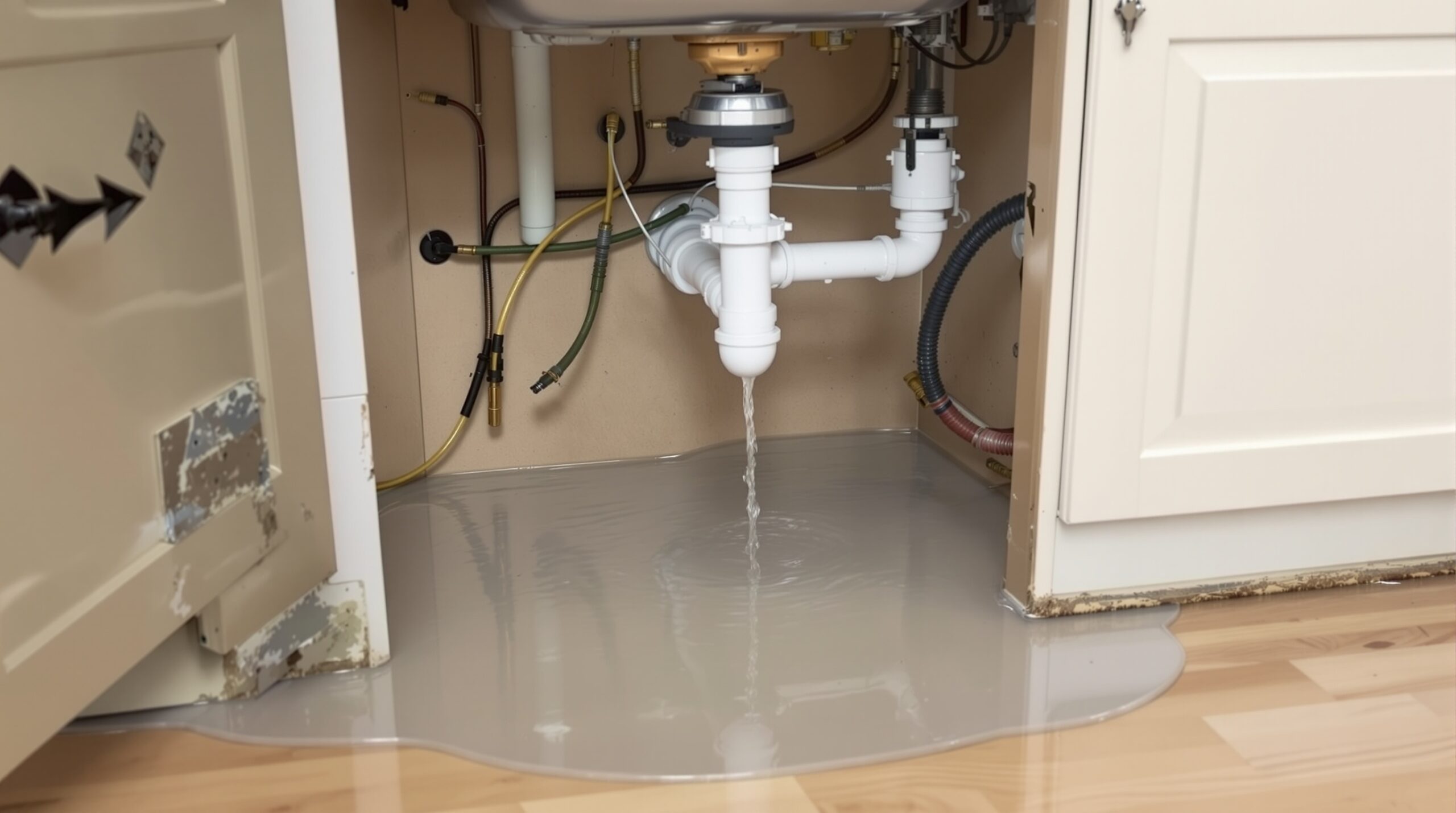
Water Woes in Warwick Need Immediate Attention
Picture this: you’re enjoying a quiet Saturday afternoon at home, maybe curled up with a good book or watching your favorite show. Suddenly, you hear a strange gurgling noise coming from the kitchen. You stroll over, only to discover that your sink is overflowing like a miniature Niagara Falls! What do you do?
Water problems can sneak up on anyone, especially in the charming town of Warwick, Delaware. Whether it’s a leaky faucet dripping in the dead of night or a burst pipe that threatens to turn your living room into a swimming pool, each situation needs quick action. When water woes strike, waiting is not an option.
When to Take Action
So, how do you know when it’s time to grab the phone and call an emergency plumber? It’s not always easy to spot a plumbing problem before it becomes a full-blown disaster. But knowing the warning signs can save you from a whole lot of trouble—and a lot of water damage!
In this article, we’ll explore the signs that signal it’s time to call in the pros. From small annoyances that can escalate into serious issues to downright emergencies that demand immediate assistance, we’ve got you covered. Let’s dive into the world of plumbing emergencies and keep your home safe!
Common Signs of Plumbing Emergencies
Understanding the common signs of plumbing emergencies is crucial for any homeowner in Warwick. Ignoring even the smallest signs can lead to significant damage, costly repairs, or even health risks. Here’s a rundown of the telltale indicators that should prompt you to grab your phone and call for immediate plumbing assistance:
| Warning Sign | Description | Action Needed |
|---|---|---|
| Unusually High Water Bill | A sudden spike in your water bill without any changes in usage may indicate a hidden leak. | Investigate for leaks; call a plumber if necessary. |
| Water Stains | Brown or yellow stains on walls or ceilings often signal slow leaks that can weaken your structure. | Identify the source of the leak; professional repair recommended. |
| Slow Drains | If multiple drains are slow at once, it could indicate a blockage in your main sewer line. | Contact a plumber for potential snaking or cleaning of the line. |
| Strange Noises | Gurgling, bubbling, or banging sounds from pipes can indicate trapped air, clogs, or pressure issues. | Consult a plumbing expert to investigate further. |
| Foul Odors | Unpleasant smells coming from drains or stagnant water may mean sewer issues or decaying organic matter. | Schedule plumbing inspections right away. |
| Low Water Pressure | Significantly reduced water pressure can signify a leak, blockage, or other plumbing issues. | Check with a plumber to assess the problem. |
| Visible Rust or Corrosion | Rusty pipes or fixtures could lead to leaks or water quality issues. | Consider pipe replacement with a licensed plumber. |
Recognizing these common signs can make all the difference between a manageable repair and a significant disaster. Don’t let a small drip turn into a deluge! Keeping an eye on your plumbing’s condition can allow you to act swiftly when trouble arises, ensuring that you maintain the comfort of your home without unnecessary stress.
Stay tuned as we discuss how you can troubleshoot minor plumbing issues before they escalate into emergencies, empowering you to handle the small problems that might try to disrupt your peaceful life in Warwick.
Troubleshooting Minor Plumbing Issues Before They Escalate
When it comes to plumbing, proactive measures can be a homeowner’s best ally. Recognizing minor issues early not only saves you from the potential headache of extensive repairs but also enhances your home’s comfort and functionality. With a few quick fixes and preventive actions, you can keep your plumbing system flowing smoothly and avoid a more serious problem down the line. Here’s how:
1. Don’t Ignore the Drip
If you hear a faucet dripping or a toilet running intermittently, don’t disregard it! These may seem like minor annoyances, but they can often indicate a larger underlying issue. Start by checking the faucet aerator and showerhead for build-up; this can commonly create pressure issues that lead to leaks. For toilets, inspect the flapper valve—replacing it is usually a simple fix that can save water and stop that continuous flush sound. A little attention here can prevent your minor leak from becoming a major flood.
2. Use Regular Drain Maintenance
Slow-draining sinks and clogged tubs are more than just annoyances; they can lead to backlogs if left untreated. Maintain your drains by flushing them weekly with a combination of hot water and vinegar. This routine can help dissolve any build-up and prevent clogs. Additionally, investing in a drain strainer can easily catch hair and debris, keeping your pipes clear and reducing the risk of blockages.
3. Check Your Water Pressure
If you notice a sudden change in water pressure, it’s often an early warning sign that something isn’t right. You can buy an inexpensive water pressure gauge to monitor your system. If readings are too high or too low, quick adjustments—like checking your pressure relief valve—could stabilize your supply. This small measure can thwart the risk of pipe bursts or disconnections.
4. Inspect Exposed Pipes
Keep an eye on any exposed pipes in your home, especially in areas susceptible to temperature fluctuations, such as basements or attics. Look for signs of corrosion, moisture, or leaking. A quick tightening of loose fittings can often rectify minor leaks. Insulating pipes can protect them from freezing and can also prevent future issues, saving you from extensive repairs once colder weather rolls in.
5. Know When to Use a Plumber’s Helper
Should you face a stubborn clog, a plunger can work wonders if used correctly. Make sure to create a tight seal before plunging vigorously. However, for those situations that resist the plunger’s suction, using a plumbing snake is a terrific option. It allows you to reach deeper clogs without resorting to chemical cleaners that might damage your pipes.
6. Regular Check-ups
Seasonal plumbing inspections can go a long way in identifying minor problems before they spiral into significant issues. During these check-ups, be sure to examine connections under sinks, inspect for leaks, and test major appliances like dishwashers and washing machines. Scheduling a routine inspection will help you stay ahead of potential issues while maintaining peace of mind.
By being vigilant and proactive regarding your plumbing, you’re not only enhancing the lifespan of your system but also ensuring a secure and harmonious home environment. Remember, these small actions can yield big differences, preventing a minor plumbing issue from escalating into a disruptive upheaval.
As we move forward, it’s essential to understand why fast action matters when dealing with plumbing problems. Delaying repairs can lead to greater risks, which we’ll uncover in the next section.
Why Fast Action Matters: Understanding the Risks of Delaying Emergency Plumbing Repairs and Their Potential Impacts
When it comes to plumbing emergencies, time is of the essence. The adage “a stitch in time saves nine” holds particularly true in the world of plumbing; a seemingly minor leak, if left unattended, can escalate into a full-blown crisis. Homeowners often underestimate the importance of swift action, but understanding the potential ramifications of delays can foster a more proactive approach to plumbing maintenance.
Escalating Damage
One of the most immediate and pressing risks of postponing plumbing repairs is the potential for escalating damage. A small leak might initially appear harmless, but over time, it can lead to serious structural issues, mold growth, and water damage. Basements can flood, ceilings may sag, and walls can warp, leading to costly repairs that far exceed the expense of a simple fix. Furthermore, the presence of excess moisture creates an inviting environment for mold and mildew, which can not only compromise the structural integrity of your home but also pose health risks to your family.
Increased Repair Complexity
Delaying repairs often results in more complex and invasive repairs down the line. A dripping faucet might only require a simple washer replacement, but ignore it long enough, and you could find yourself facing a complete rewiring of your plumbing system. The need for extended repairs can also displace your family, disrupting your daily routines and causing significant inconveniences. Quick action allows for prompt, straightforward solutions rather than tackling a larger, more complicated issue later.
Health Hazards
Water damage and leaks create ideal conditions for harmful mold and mildew growth, which can affect indoor air quality. This isn’t just a concern for aesthetics; long-term exposure to mold can lead to respiratory issues, allergies, and other health problems for you and your loved ones. By addressing plumbing issues promptly, you can safeguard your family’s health and keep your home a safe haven.
Impact on Property Value
Your home is likely one of your most significant investments, and allowing plumbing issues to fester can diminish its value. Potential buyers are increasingly vigilant about the state of a home’s plumbing. A history of unresolved plumbing problems can deter buyers and lower offers, which sometimes leads you to invest even more into tackling these issues before a sale. A home that shows signs of well-maintained plumbing not only boosts curb appeal but also reinforces an image of care and responsibility, making it a more attractive purchase.
Stress and Frustration
The mental weight of unresolved plumbing problems can lead to unnecessary stress and frustration. Knowing there’s an issue that requires attention can be a constant source of discomfort, especially when it affects daily activities like bathing, cooking, or water usage. Fast action not only provides peace of mind but also restores harmony in your home, allowing you to focus on the more enjoyable aspects of life rather than being bogged down by recurring plumbing emergencies.
Swift and decisive action when it comes to plumbing repairs is not merely prudent; it’s essential. Understanding the risks associated with delayed repairs equips homeowners to take proactive measures and respond promptly to issues as they arise. By keeping a keen awareness of the signs that point to trouble ahead, you can maintain your home’s value, protect your family’s health, and preserve your peace of mind. As we delve deeper, let’s explore how to navigate the often daunting task of selecting the right emergency plumbing service, ensuring you have the right support when you need it most.
Selecting the Right Emergency Plumbing Service: Key Attributes to Look for in a Reliable Plumber in Warwick, DE
When faced with plumbing emergencies, the strain can be overwhelming. The simple truth is that finding the right plumbing service when a crisis hits can mean the difference between a minor inconvenience and a major disaster. However, not all plumbers are created equal, and knowing what to look for when selecting the right emergency plumbing service is essential to ensuring both your peace of mind and the integrity of your home.
Essential Attributes of a Reliable Emergency Plumber
| Attribute | Importance |
|---|---|
| 24/7 Availability | Emergencies don’t adhere to a schedule. A reliable plumbing service should be available around the clock to assist at any time. |
| Licensed and Insured | A licensed plumber demonstrates a commitment to professionalism and adherence to state regulations. Insurance protects you from liability in case of accidents during repairs. |
| Experience and Expertise | Look for stability and reliability—plumbers with a solid track record are often better equipped to handle emergencies effectively. |
| Positive Customer Reviews | Feedback from previous customers can provide insight into the reliability and quality of service, helping you make an informed decision. |
| Clear Communication | A trustworthy plumber should communicate clearly regarding their services, expected timelines, and what the repairs will entail. |
| Flexible Payment Options | While we’re not delving into costs, it’s worth noting that options for payment can ease the burden during emergencies. |
How to Find the Right Plumber in Warwick, DE
With these attributes in mind, how do you go about finding the best emergency plumbing service in your locality? Start by asking friends and family for recommendations—personal experience often gives the best insight. Utilize online resources and platforms that aggregate customer reviews to identify reputable plumbing services in Warwick.
Moreover, don’t hesitate to pick up the phone before a crisis occurs. Engaging with a potential plumber ahead of time can provide clarity on their customer service, response time, and expertise. Ask about how they handle emergencies, the materials they prefer to use, and even get a feel for their approach to preventive maintenance—because ideally, you want to prevent emergencies from happening in the first place.
Lastly, trust your instincts. The relationship you establish with your plumber should comfort you—they’ll be responsible for protecting your home from potential disasters. Selecting a reliable and trustworthy emergency plumbing service ensures that when the inevitable plumbing hiccup arises, you’re not scrambling to make decisions under pressure, but rather relying on a team that prioritizes your home’s health as much as you do.
Now that you understand how to choose the right emergency plumbing service, let’s turn our attention to preventive measures. A solid maintenance routine is your best defense against plumbing disasters, and together, we can explore the tips and strategies you can implement to keep your home’s plumbing system flowing smoothly.
Preventive Measures for Avoiding Plumbing Disasters: Tips on Maintenance Routines to Prevent Emergency Situations
Every homeowner can agree that the integrity of their plumbing system is vital for a harmonious living environment. Just as a car requires regular check-ups to run smoothly, your plumbing also needs a routine maintenance schedule to avoid unexpected disruptions. By embracing a proactive approach to plumbing, you can save yourself from the stress and hassle of emergency situations. Here are some essential maintenance tips designed to help you stay ahead of potential plumbing disasters.
Routine Inspections
An ounce of prevention is worth a pound of cure. Regularly inspect all visible plumbing components, such as pipes, fixtures, and faucets, for signs of wear and tear. Look for leaks, corrosion, and water stains that could indicate underlying issues. Establish a bi-annual inspection schedule to ensure your plumbing is in top shape, catching problems before they escalate.
Drain Maintenance
Water Heater Care
Your water heater is a vital component of your plumbing system that deserves special attention. Conduct checks for sediment buildup and inspect the pressure relief valve to ensure it’s functioning properly. Flushing your water heater annually can help prolong its life and improve efficiency. Keeping this appliance in check is crucial as a malfunction can lead to leaking or even catastrophic failure.
Monitor Your Water Pressure
Abnormally high water pressure can greatly stress your plumbing system, leading to leaks and unexpected bursts. Consider investing in a water pressure gauge to monitor levels; ideal water pressure should be between 40 to 60 psi. If you find that your pressure is consistently high, consult with a plumbing professional to discuss solutions, possibly involving a pressure-reducing valve.
Check for Hidden Leaks
Many leaks can occur unbeknownst to homeowners. To check for hidden leaks, monitor your water bill for unexpected increases. You can also perform a simple check by turning off all water-using appliances in your home and noting the water meter reading. If the dial moves, you likely have a leak somewhere in the system. Early detection of leaks can save not only water but also prevent future damage to your property.
Know Your Main Water Shut-Off Valve
In the event of a plumbing emergency, knowing where your main water shut-off valve is located can make all the difference. Regularly test this valve to ensure it functions correctly and that you can easily access it. In a crisis, quick access to this valve can help minimize water damage and give you peace of mind.
By implementing these preventive measures into your routine, you dramatically decrease the likelihood of plumbing disasters in your home. The key to successful home maintenance is vigilance—a commitment to inspecting, monitoring, and caring for your plumbing system before problems arise. As a reminder for residents in Warwick, DE, always keep the contact information of your trusted emergency plumber handy. In times of immediate need, having a reliable resource can turn what could be a catastrophe into a manageable hiccup. With proactive care and strategic planning, you can safeguard your home against the uncertainties that plumbing systems can present.
While diligent maintenance and preventive strategies are essential, no homeowner is immune to the possibility of a major leak occurring. When faced with the unfortunate reality of a significant leak, knowing how to act swiftly and effectively can mitigate damage and minimize chaos. Here’s what to do if you discover a major leak and how to temporarily stop it until professional help arrives.
Step 1: Identify the Source
First and foremost, stay calm. Assess the situation critically to identify the source of the leak. Check nearby fixtures, appliances, and visible pipes for signs of water escaping. If the leak is coming from a fixture, such as a sink or toilet, shut off the water supply to that specific area if possible. This immediate response can significantly reduce the spread of water and potential damage.
Step 2: Shut Off the Main Water Supply
If the leak is substantial and you cannot pinpoint or isolate it easily, your best course of action is to shut off your home’s main water supply. This valve is usually located near your water meter. By cutting off the water flow, you can prevent any further flooding and allow time for emergency professionals to assess and address the situation.
Step 3: Contain the Leak
Use buckets or containers to catch dripping water and prevent it from spreading across floors or walls. For leaks coming from piping, a temporary fix could involve wrapping the area with duct tape or using plumber’s putty to create a seal until help arrives. If space allows, you might also place towels or rags underneath to absorb as much water as possible. Sound troublesome? It is, but these quick actions can save surfaces and prevent the need for more extensive repairs later on.
Step 4: Clear the Area
Once you’ve managed the leak as best as you can, ensure that the surrounding area is clear for technicians when they arrive. This means moving any furniture or valuables that could be susceptible to water damage. Not only does this protect your property, but it also allows the plumber to focus on the issue without distraction.
Emergency vs. Regular Plumbing Services
When navigating plumbing crises, it’s important to understand the distinction between regular plumbing and emergency plumbing services. Regular plumbing services are typically scheduled for non-urgent issues—think routine maintenance, minor repairs, or installations. In contrast, emergency plumbing services are designed for immediate response to urgent problems like major leaks or sewage backups. Most emergency plumbers are available 24/7 and can provide the swift assistance you need during an unexpected crisis. Always keep contact information for a trusted emergency plumber at the ready, as availability in emergencies can significantly impact how well you manage the situation.
In conclusion, discovering a severe leak can be overwhelming, but knowing the right steps to take can help you regain control. Identifying the source, shutting off the water supply, containing the leak, and clearing the area are crucial immediate responses that can reduce damage and stress. In addition, familiarize yourself with the differences between regular and emergency plumbing services to ensure you have the right help at hand when you need it most. So, stay vigilant, maintain your plumbing system actively, and always keep a reliable emergency plumber’s contact accessible—peace of mind is just a phone call away! Remember, the goal is to prevent a minor issue from turning into a major disaster, and being proactive is your best defense.
Staying Proactive: The Cornerstone of Plumbing Resilience
In the realm of homeownership, it’s essential to acknowledge that plumbing systems, while often taken for granted, play a pivotal role in daily life. The importance of staying vigilant cannot be overstated; a simple act of attention today can protect your home from chaos tomorrow. Water is a powerful force, and when plumbing issues arise—be it a minor leak or a significant burst—the repercussions can be substantial. This is why cultivating a proactive mindset toward plumbing maintenance is not just wise, but integral to preserving your home’s safety and comfort.
Understanding the telltale signs of plumbing issues is half the battle. It’s crucial to foster an environment of awareness, where subtle nuances of your plumbing system do not go unnoticed. A small leak might seem trivial now, but it has the potential to mushroom into a major problem if ignored. Just like you would monitor the health of your vehicle or follow up on your yearly medical check-up, your plumbing system deserves the same level of attention and care. Performing routine inspections, maintaining drains, and keeping an eye on water pressure are not merely suggestions; they are essential practices that contribute hugely to home stability.
Moreover, even with diligent maintenance, surprises can still occur. Here is where immediate access to emergency plumbing contacts becomes invaluable. For residents of Warwick, DE, having the phone number of a trusted emergency plumber on-hand can spell the difference between a mere nuisance and a significant emergency. Consider the time saved and the stress alleviated when you can quickly contact a professional to resolve a burst pipe or a plumbing fixture malfunction instead of fumbling for solutions in a panic.
This is a crucial reminder: plumbing emergencies often strike without warning. It’s easy to feel confident in your proactive measures until an unforeseen issue arises. That’s why it’s vital to remain prepared, familiarizing yourself with your emergency contacts. Vet your options beforehand, considering plumbers who are local to Warwick and those who have proven track records of reliability and speed. By selecting emergency plumbers during calm times, you can ensure a quick response when urgency arises—maintaining peace of mind through preparation.
As we navigate our daily lives, let’s remember that staying vigilant and proactive about plumbing issues is not just a task—it’s a lifestyle choice that promotes stability in our homes. With a blend of routine checks and quick access to emergency resources, you empower yourself and your home against the unpredictability of plumbing mishaps. So, dear Warwick residents, take a moment to safeguard your home by keeping your emergency plumber contacts handy and commit to regular plumbing maintenance. After all, peace of mind is worth its weight in gold.