
How Do I Know if My Water Heater Needs Repair or Replacement in Townsend, DE and New Castle County?
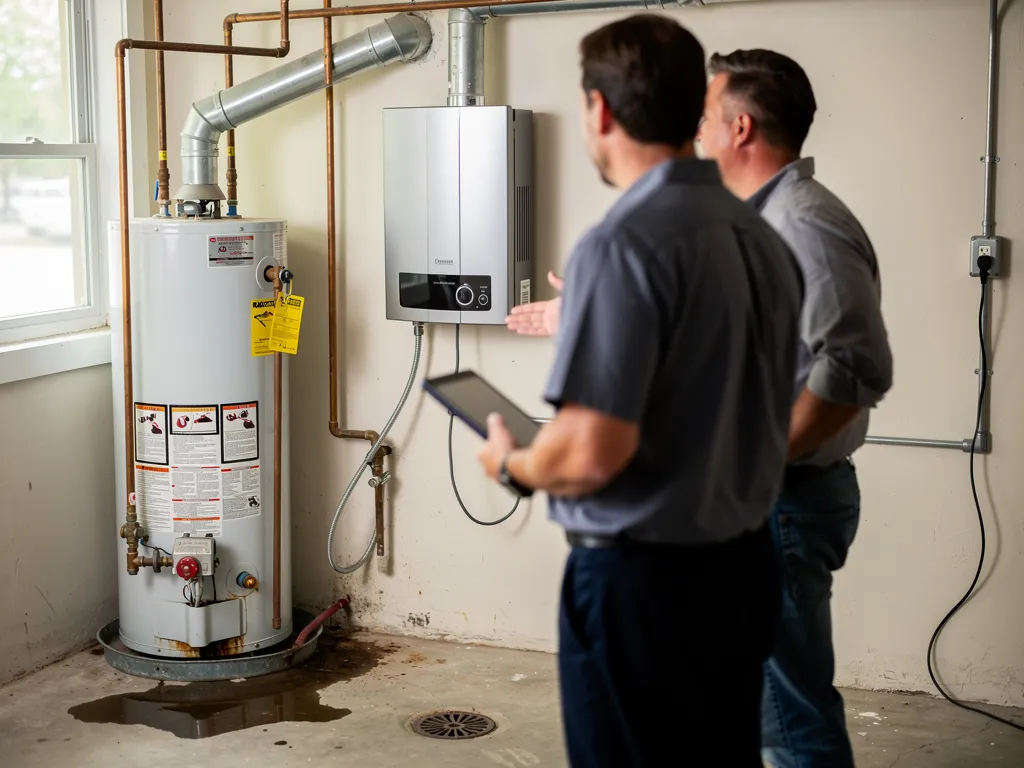
Deciding between repairing and replacing a water heater usually comes down to three things: where the unit falls in its expected water heater lifespan, what’s actually failed, and whether continuing to repair it is still worth the cost. Here’s a decision-focused guide for any New Castle County water heater owner weighing that choice – including when a tankless water heater upgrade is worth considering instead of another repair.
Key Takeaways
Most tank water heaters last 8 to 12 years, while tankless units often last 15 to 20 years or more.
Leaks, strange noises, and inconsistent hot water are the most common signs it’s time to have your water heater inspected.
Repair generally makes sense for isolated component failures on a unit still within its expected lifespan; replacement makes more sense for tank leaks, units past their lifespan, or repair costs approaching half the price of a new unit.
A failing gas water heater carries real safety risks, not just inconvenience – from gas leaks to carbon monoxide concerns.
Regular maintenance, especially annual flushing, is one of the most effective ways to extend a water heater’s life and delay this decision altogether.
Noble Home Services inspects the unit first and walks homeowners through both repair and replacement options honestly.
Most tank water heaters last 8 to 12 years, while tankless units often last 15 to 20 years or more.
Leaks, strange noises, and inconsistent hot water are the most common signs it’s time to have your water heater inspected.
Repair generally makes sense for isolated component failures on a unit still within its expected lifespan; replacement makes more sense for tank leaks, units past their lifespan, or repair costs approaching half the price of a new unit.
A failing gas water heater carries real safety risks, not just inconvenience – from gas leaks to carbon monoxide concerns.
Regular maintenance, especially annual flushing, is one of the most effective ways to extend a water heater’s life and delay this decision altogether.
Noble Home Services inspects the unit first and walks homeowners through both repair and replacement options honestly.
What Is the Typical Lifespan of a Water Heater?
How Long Do Traditional Tank Water Heaters Usually Last?
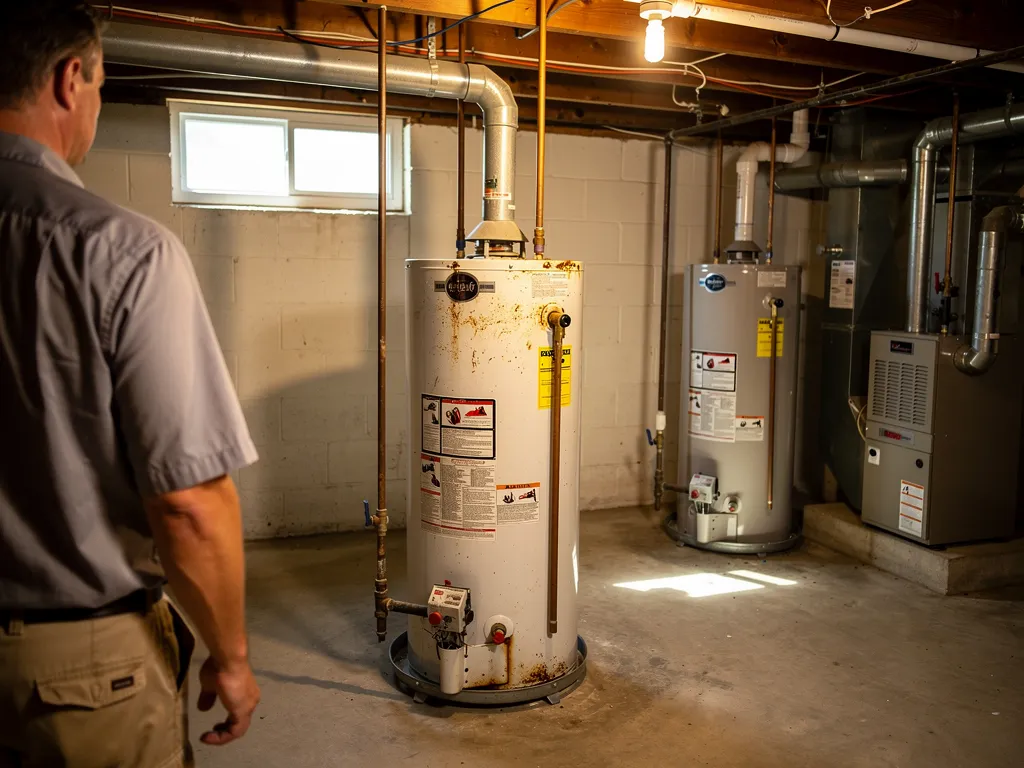
Most tank-style water heaters last about 8 to 12 years with normal use and occasional maintenance. As a unit approaches or passes that range, the likelihood of a bigger failure – rather than a simple fix – increases significantly.
What Is the Lifespan of Tankless Water Heaters Compared to Tank Models?
Tankless water heaters typically last 15 to 20 years or more, considerably longer than a standard tank, which is one reason they can be worth the higher upfront cost over time. We cover the full efficiency comparison between tankless and tank units in our guide on energy-saving water heater repair.
What Are the Common Signs Your Water Heater Needs Repair?
How Can You Identify Water Heater Leaks and Their Severity?
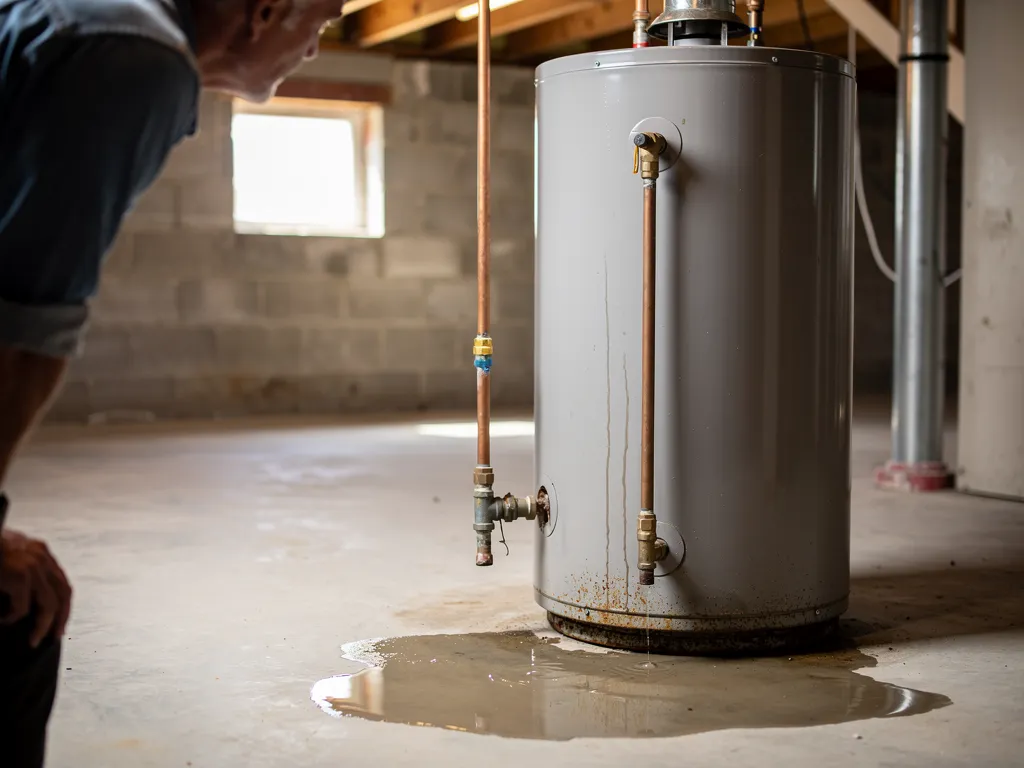
A leak from a fitting or valve is often repairable, while a leak from the tank itself usually means the unit is failing and replacement is the more practical path. We break down the full range of warning signs – discolored water, no hot water, and more – in our dedicated guide on water heater warning signs.
What Do Strange Noises From Your Water Heater Mean?
Popping, rumbling, or banging noises are commonly caused by sediment buildup at the bottom of the tank, which is often addressable with a professional flush rather than a full replacement.
How Do You Decide Between Repairing or Replacing Your Water Heater?
When Is Repair a Cost-Effective Option?
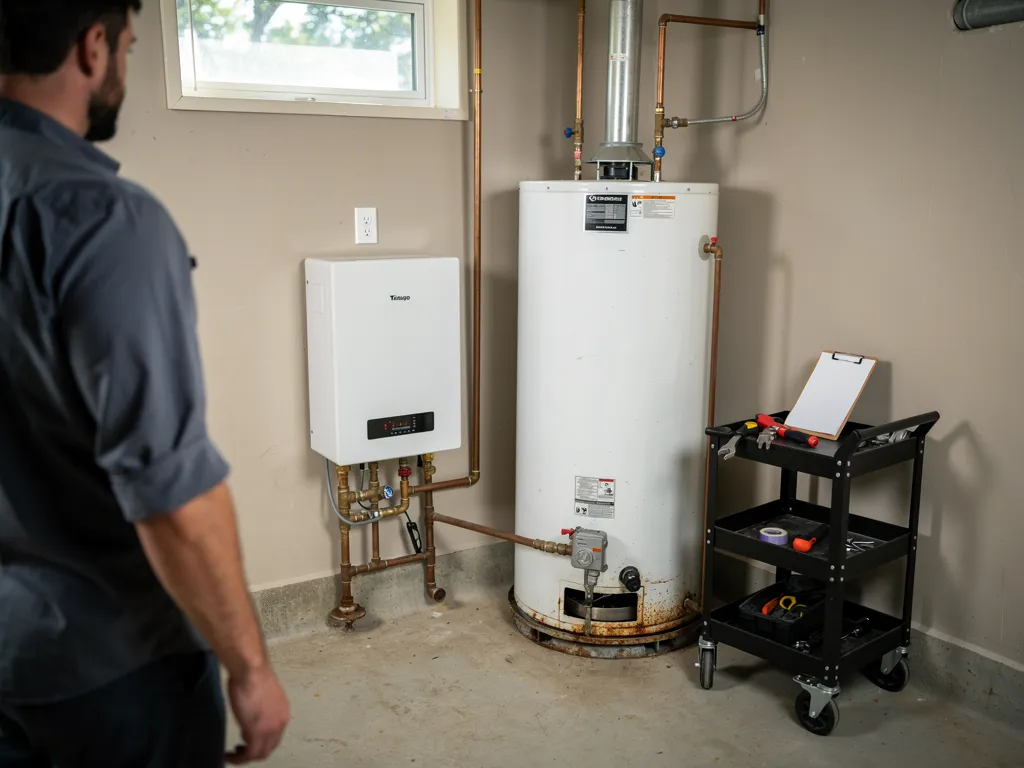
Repair generally makes sense when the unit is still within its typical lifespan and the issue is isolated to a single component – a thermostat, heating element, or valve – rather than the tank itself. Our guide on water heater repair estimates covers general cost ranges for these kinds of repairs.
How Does Replacement Improve Energy Efficiency and Long-Term Savings?
A newer water heater, especially a tankless model, typically operates more efficiently than an aging tank unit, which can meaningfully lower utility bills over time in addition to eliminating the ongoing risk of another repair. When a unit is already near the end of its expected lifespan, that efficiency gain is worth weighing against the cost of one more repair.
What Safety Risks Are Associated With a Failing Water Heater?
What Are the Dangers of Gas Water Heater Failures?
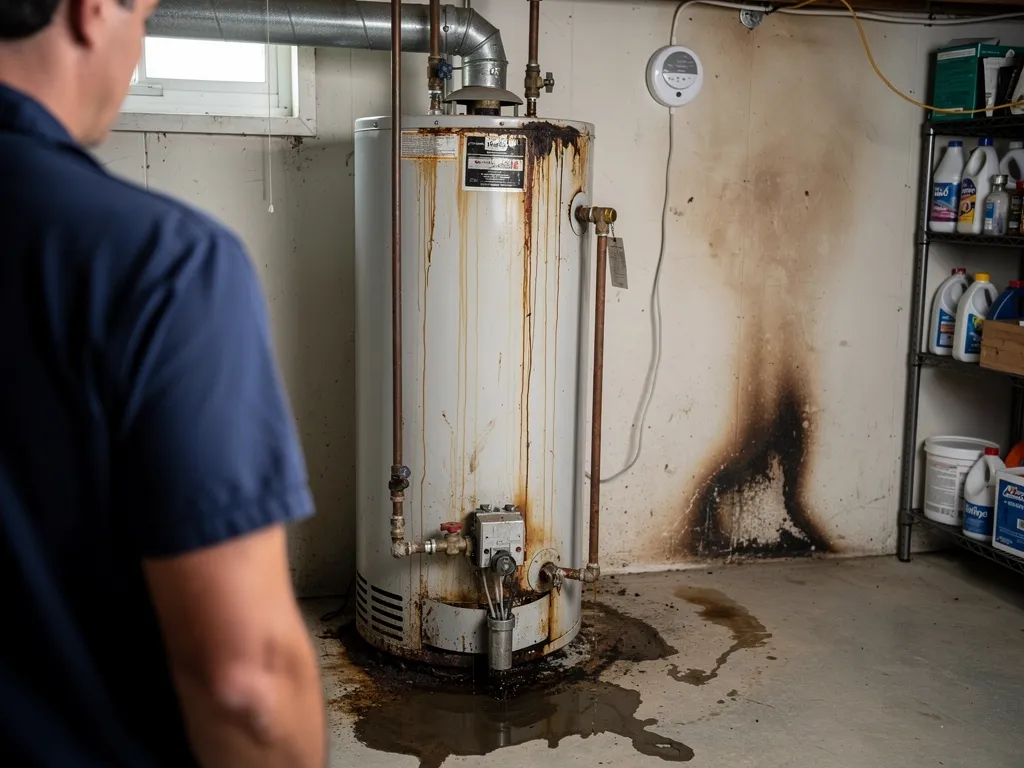
A failing gas water heater can develop gas leaks or venting problems that allow carbon monoxide to build up rather than exhaust properly outside the home – this is a genuine safety concern, not just an inconvenience, and any suspected gas smell or venting issue warrants immediate professional attention rather than a wait-and-see approach. A malfunctioning temperature and pressure relief valve is another safety-related failure point worth taking seriously, since it’s designed to prevent dangerous pressure buildup inside the tank.
How Can Leaks and Corrosion Lead to Home Damage?
Beyond the water heater itself, an undetected leak can cause structural water damage, mold growth, and damage to flooring or nearby belongings the longer it goes unaddressed. Corrosion that’s visible on the outside of a tank is often a sign that similar deterioration is happening internally, which raises the odds of a more serious leak developing soon.
When Is It Time to Upgrade to a Tankless Water Heater?
What Are the Benefits of Tankless Water Heaters Over Traditional Tanks?
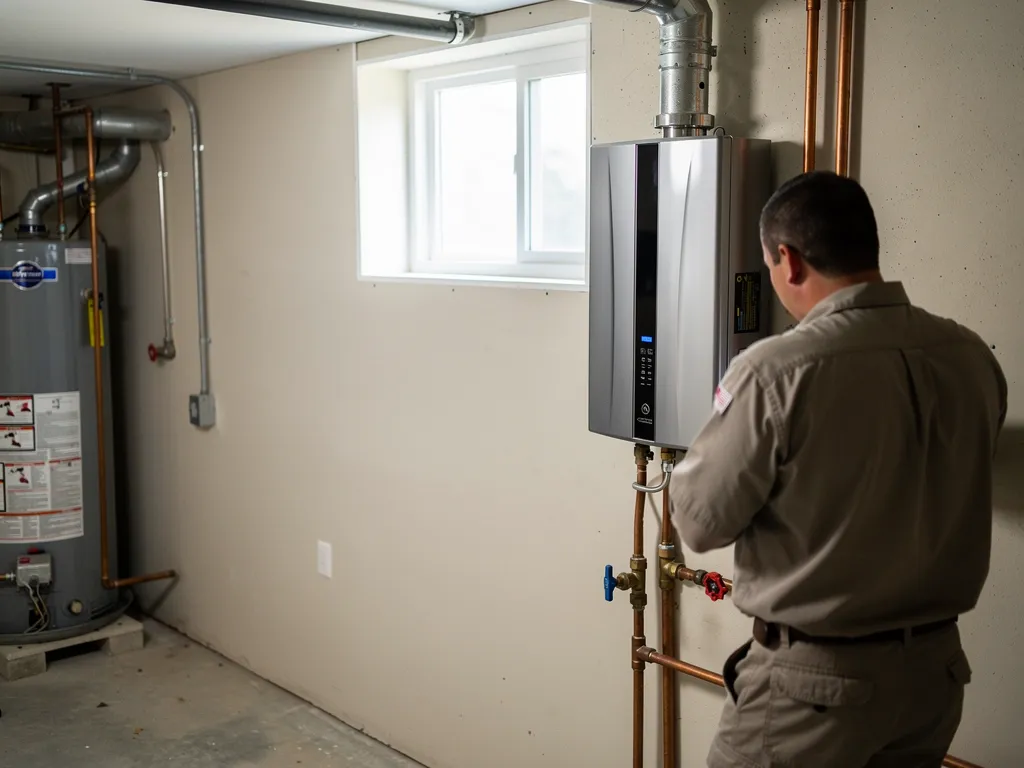
Tankless units heat water on demand rather than continuously, which eliminates standby energy loss and provides a more consistent supply of hot water. If your current tank is failing and near the end of its lifespan anyway, that repair decision is a natural point to consider whether a tankless upgrade makes sense – our energy-saving water heater guide covers this comparison, including available Delaware rebate programs, in more detail.
How Do Common Problems Differ Between Tankless and Tank Water Heaters?
Tank units are more prone to sediment buildup and tank corrosion over time, while tankless units are more likely to develop scale buildup in the heat exchanger or sensor-related issues. Both are manageable with regular maintenance, but the specific failure points – and the parts needed to fix them – differ between the two.
How Can Regular Maintenance Extend the Life of Your Water Heater?
What Are Essential Water Heater Maintenance Tips and Checks?
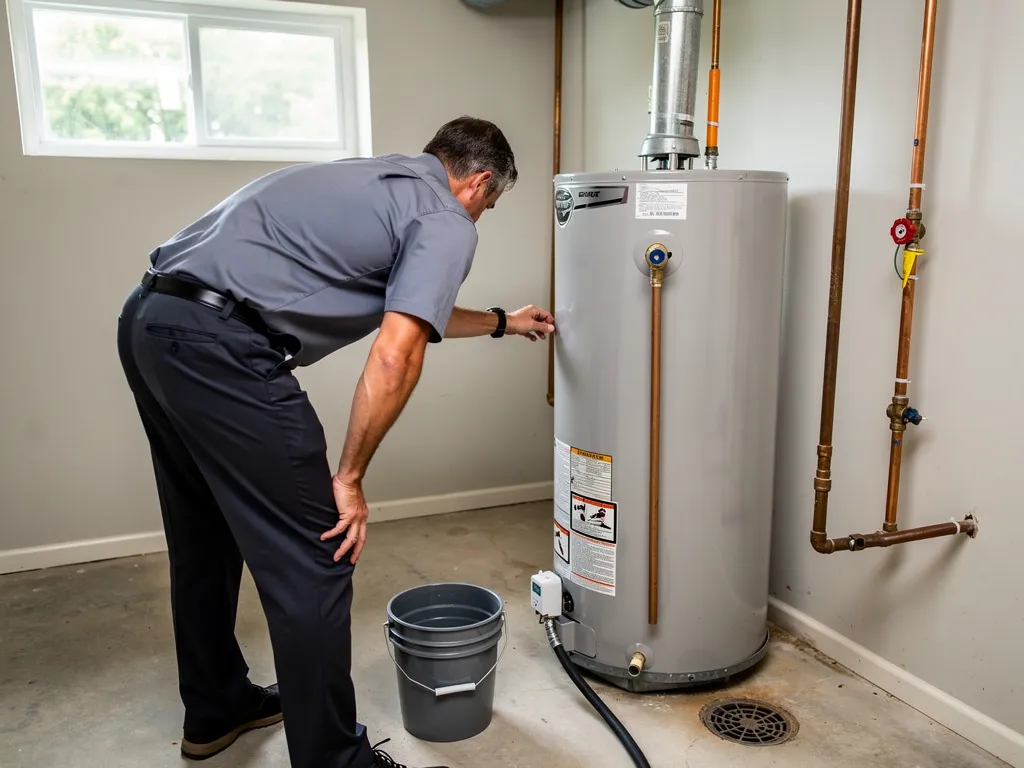
An annual flush, along with periodic checks of the pressure relief valve and anode rod, are the most impactful maintenance steps for a tank water heater. Our general plumbing maintenance guide covers additional preventative habits that apply across a home’s plumbing system, water heater included.
How Does Maintenance Prevent Common Issues Like Sediment Buildup?
Sediment naturally settles at the bottom of a tank over time, and an annual flush clears it out before it reduces efficiency or contributes to the popping and rumbling noises covered earlier in this guide. Consistent maintenance is one of the most effective ways to delay the repair-or-replace decision altogether.
Frequently Asked Questions
Is it dangerous to keep using a water heater that’s past its typical lifespan? It’s not automatically dangerous, but the risk of a sudden leak or failure increases with age, so it’s worth having an aging unit inspected rather than waiting for a problem to appear.
Can a gas water heater leak carbon monoxide? Yes, if venting fails or the unit malfunctions – if you smell gas or suspect a venting issue, treat it as an emergency and contact a professional immediately rather than troubleshooting it yourself.
Does switching to tankless always save money long-term? Generally yes over the unit’s lifespan due to efficiency and longevity, though the higher upfront cost means the payoff depends on how long you plan to stay in the home.
How do I know if sediment buildup is affecting my water heater? Popping or rumbling noises, reduced efficiency, and inconsistent hot water are common signs – a professional flush can typically resolve it if caught before it causes bigger problems.
Does Noble Home Services help decide between repair and replacement? Yes, Noble Home Services inspects the unit first and provides an honest recommendation on whether repair or replacement makes more sense for your specific situation.
Not sure whether your water heater needs a repair or a replacement? Noble Home Services inspects first and gives Townsend and New Castle County homeowners an honest recommendation either way – call (302) 218-2943 to get a clear answer for your home.