
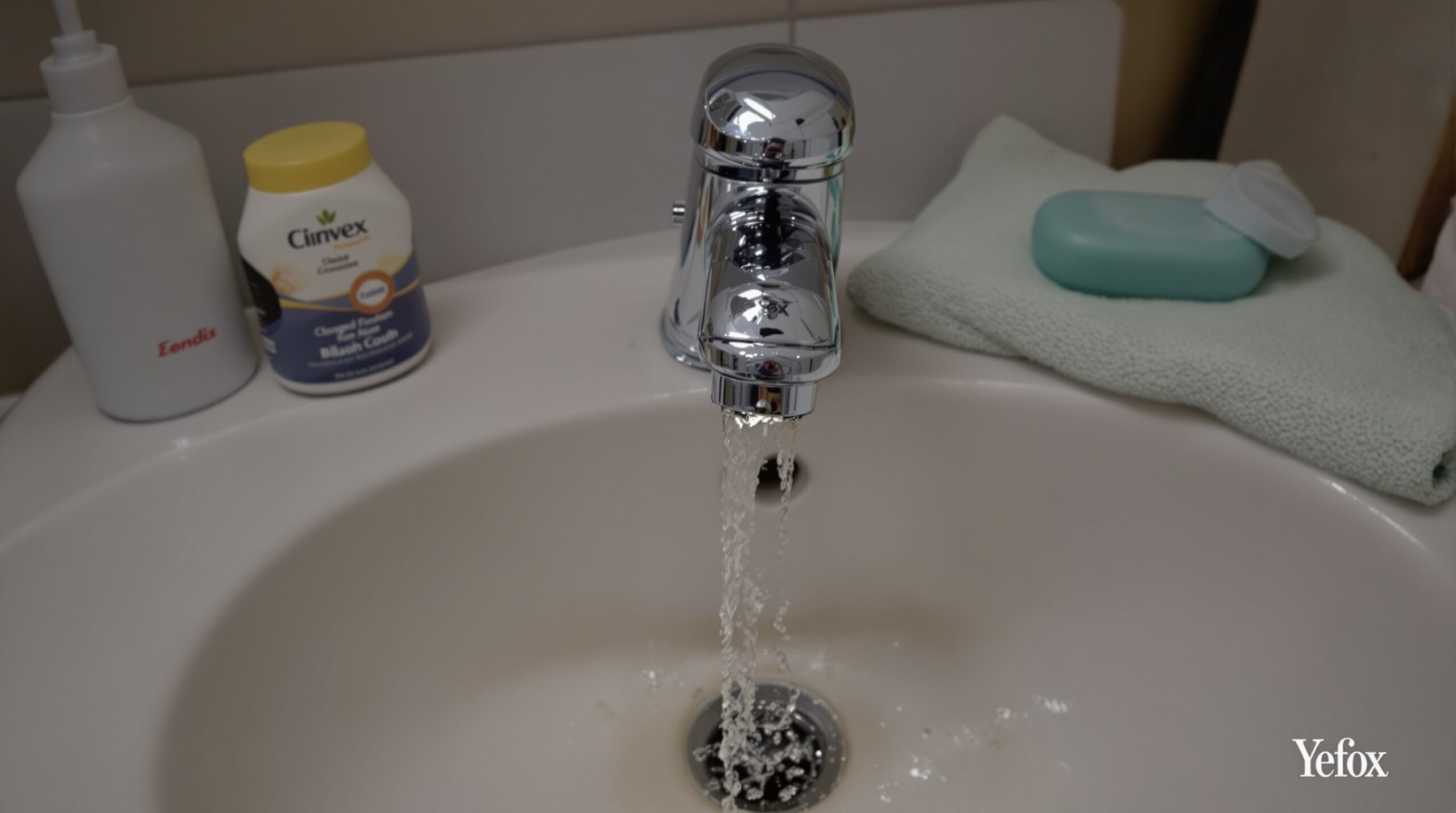
Why Water Pressure Matters for Your Daily Life
Imagine waking up on a chilly morning, ready to jump into a hot shower. You turn on the faucet, but instead of a strong and satisfying rush of warm water, you’re met with a feeble dribble. Frustrating, right? For many homeowners in Delaware, this scenario is all too common. Water pressure can become a serious concern, especially when our daily chores, from washing dishes to enjoying a refreshing shower, depend on a steady flow of water.
The Everyday Impact of Low Water Pressure
Low water pressure can turn simple tasks into quite an ordeal. Picture the struggle of rinsing soap off your plates or waiting what feels like an eternity for your shower to get warm. It’s enough to test anyone’s patience! Understanding why your water pressure is low and knowing what to do about it can make all the difference.
Whether you’re dealing with a pesky drip or a trickle that leaves you feeling less than relaxed, it’s important to get to the bottom of the problem. In this guide, we’ll explore the common causes of low water pressure in Delaware and what steps you can take to solve the issue, ensuring your daily routines run smoothly once more. Let’s dive into the world of water pressure woes!
Keep reading to uncover the secrets to restoring your home’s water pressure!
Common Causes of Low Water Pressure in Delaware Homes
When it comes to low water pressure, understanding the underlying causes is crucial for homeowners in Delaware. Several common culprits can disrupt that steady flow and leave you frustrated. Here’s a closer look at what might be happening behind the scenes:
| Cause | Description |
|---|---|
| Clogged Pipes | Over time, mineral buildup, debris, and even tree roots can obstruct pipes. This obstruction results in reduced water flow and pressure. |
| Faulty Pressure Regulators | These devices control the water pressure entering your home. If they fail, it can result in either too high or too low pressure, causing erratic flow rates. |
| Sediment Build-Up | Sediment can accumulate in your plumbing, particularly in areas with hard water. This can narrow the pipes and lead to decreased water pressure, especially in older homes. |
| Old or Corroded Piping | Homes with aging pipelines may experience corrosion, which narrows the water passage. Rust can also flake off and cause blockages elsewhere in the system. |
| Municipal Water Supply Drops | A sudden drop in pressure from the municipal supply, often due to maintenance or ongoing construction, can directly impact the pressure you experience at home. |
Delaware homeowners often face a combination of these issues, making it essential to pay attention to the signs. Whether it’s experiencing inconsistent pressure when using multiple fixtures or noticing discoloration in your water, these symptoms can indicate larger plumbing challenges that need addressing.
While some of these problems may seem daunting, knowing what to look for can empower you to take the first steps toward a solution. Stay vigilant for changes in your water flow, and be proactive in maintaining your plumbing system—it’s the key to ensuring a steady and enjoyable water supply in your home.
As we transition into the next section, we will guide you through identifying the culprits causing low water pressure, providing tips for inspection and troubleshooting to help restore your home’s water system to its best.”
Identifying the Culprits
To tackle the water pressure problem effectively, a thorough plumbing inspection is essential. Homeowners should begin by investigating the various areas where issues could arise. Start with the most apparent—check for visible leaks. Look under sinks, around toilets, and at points where pipes converge. A pool of water or wet spots can be a telltale sign of a leak, leading to diminished pressure and wasted resources.
The water pressure regulator, a little-known hero working behind the scenes, must also receive attention. This device plays a crucial role in maintaining consistent water pressure throughout the home. If your water pressure seems too low or erratic, it could be malfunctioning. Adjusting or replacing the regulator can often restore balance, making it a key item to examine during your plumbing inspection.
Aside from potential leaks and the regulator, inspecting the home’s piping becomes vital. Aging pipes can host a host of issues, including blockages from sediment and corrosion. An established symptom of these problems could surface in the form of rust-tinted water. If you fill a glass and observe a rusty hue, it may signal corrosion in your pipes, which can drastically boost the urgency of your inspection.
A keen ear can also become a valuable tool in your arsenal. Strange noises from the water pipes—be it rattling, banging, or hissing—may indicate turbulence in the system, potentially due to restricted flow or air trapped in the lines. These sounds carry critical clues that can lead you to deeper plumbing concerns that warrant further investigation.
Homeowners should also be observant of their water flowing pattern. If you notice pressure inconsistencies when multiple fixtures are in use, this can offer insights into plumbing troubles. Are you experiencing low pressure when watering the garden and using the dishwasher simultaneously? This interplay can illuminate whether the issue lies with your plumbing or the municipal water supply itself.
By combining visual inspections, attentive listening, and analyzing water quality, homeowners can unravel the complexities of low water pressure. Understanding these signs will empower you to take actionable steps towards restoring optimal flow in your home—setting the stage for the next critical step: implementing effective DIY solutions tailored to your unique plumbing situation.
DIY Solutions for Homeowners
Armed with a better understanding of your plumbing system, it’s time to roll up your sleeves and explore some approachable DIY solutions. While some plumbing issues are best left to the pros, many homeowners can tackle minor problems effectively, restoring water pressure and ultimately enhancing their home experience.
Start with one of the simplest yet often overlooked fixes: cleaning aerators and showerheads. Over time, mineral deposits and sediment can build up, obstructing water flow and causing that notorious low pressure. To clean these fixtures, simply unscrew the aerator or showerhead and soak it in a solution of equal parts vinegar and water. After a few hours, scrub away any remaining deposits with an old toothbrush, rinse thoroughly, and reattach. You’ll likely notice a remarkable difference in flow immediately!
If your home’s plumbing system exhibits visible leaks, don’t hesitate to explore potential fixes. Check accessible pipes, fittings, and joints for any dampness. A simple tightening of loose connections with a wrench might do the trick. For more persistent drips, using plumbing tape or a suitable sealant can often stop the leak in its tracks. Taking action promptly not only boosts your water pressure but also prevents further damage and costly repairs down the line.
The water pressure regulator deserves attention as well. If adjusting this device seems daunting, take heart. Most models have a simple screw or dial that adjustments can easily be made to. Turn the screw clockwise to increase pressure and counterclockwise to lower it. Once adjusted, turn on a faucet to test the changes. If it’s functioning properly but pressure remains low, it might be time to investigate deeper plumbing issues.
Another handy solution is to flush your water heater. Sediment accumulation at the bottom of the tank can diminish its efficiency and affect water pressure consistency throughout the home. Flushing it annually can help maintain optimal performance. To do this, connect a garden hose to the drain valve, turn off the heater, and let the water flow until it runs clear. Ensure you follow manufacturer guidelines for safety and effectiveness.
Lastly, don’t underestimate the impact of your fixtures. Sometimes, replacing an old showerhead or faucet mount with a modern, water-saving model can not only improve flow but also enhance overall efficiency. Many new fixtures come equipped with aeration technology designed to maximize flow while conserving water, effectively addressing some of those pesky pressure issues.
By taking these proactive DIY measures, homeowners can instill a sense of empowerment in addressing low water pressure challenges. Whether cleaning out aerators, fixing leaks, or flushing the water heater, these practical solutions lay the groundwork for a more efficient plumbing system—making everyday life a little smoother. However, when DIY solutions fall short and plumbing issues persist, it’s crucial to recognize when it’s time to call in the experts for a thorough assessment.
When to Contact a Professional
While the spirit of DIY is commendable, it’s essential to recognize that not every plumbing dilemma is destined for a home remedy. Some problems lurk in the shadows, silently wreaking havoc on your plumbing system, and addressing them early can prevent a major catastrophe down the line. Here’s a handy guide to help you identify when it’s time to pick up the phone and call a qualified plumber:
| Issue | Signs You Need a Professional | Recommended Action |
|---|---|---|
| Significant Leaks | Constant water pooling, extensive damp walls or ceilings | Contact a plumber immediately to locate and repair the source |
| Corroded Pipes | Visible rust, low water pressure, or discoloration in your water | Schedule an inspection; you may need pipe replacement |
| Unresponsive Water Pressure Regulator | A regulator that’s stuck or doesn’t adjust pressure correctly | Enlist a professional to replace or repair the device |
| Recurring Clogs or Backups | Frequent blockages, slow drainage in multiple fixtures | Seek expert assistance to tackle deeper issues in your plumbing |
| Unexplained Increase in Water Bills | Notable rise in water usage with no apparent reason | Have a plumber inspect for hidden leaks |
| Old Plumbing Systems | Outdated pipes or fixtures aged over 30 years | Consult a professional to evaluate replacement options |
When faced with the aforementioned issues, it’s crucial to consider the expertise that a professional plumber brings to your doorstep. Their extensive training enables them to perform thorough plumbing inspections, identifying not just visible concerns but also underlying problems that may escape the untrained eye. They utilize specialized tools and diagnostic equipment to evaluate your entire plumbing system comprehensively, ensuring that each component functions harmoniously together.
Moreover, hiring a professional can save you time and frustration. Imagine spending hours on end attempting to fix a stubborn leak, only to discover that the heart of the issue lies deep within your walls. A qualified plumber can promptly pinpoint complexities that would take a DIY homeowner countless trials to uncover, addressing them efficiently and thoroughly.
Finally, turning to professionals means you gain access to valuable advice tailored to your plumbing and water use needs. They can help you understand your system better, recommend preventative maintenance strategies, and even guide you in selecting fixtures that will maximize efficiency and longevity for your home. Recognizing the balance between your DIY abilities and the necessity of professional help is essential in maintaining a sound plumbing system.
As any seasoned homeowner knows, taking on plumbing issues can be immensely satisfying at the outset. However, understanding when to call in an expert is just as critical in preserving your home’s plumbing health and stability. Once you have a handle on potential issues and know when to seek assistance, you set the stage for a well-maintained system—leading into our next discussion on preventative measures to ensure you enjoy consistent and reliable water pressure.
Preventative measures are the cornerstone of maintaining consistent water pressure in your home. Just as regular check-ups are essential for keeping your car running smoothly, so too are consistent plumbing inspections crucial for the vitality of your water systems. Scheduling these inspections should be part of your routine home maintenance plan. Expert plumbers can identify potential pressure issues before they escalate into bothersome inconveniences, allowing you to address them proactively rather than reactively.
But inspections alone won’t ensure your water pressure remains stable; homeowners should cultivate an awareness of their plumbing systems and routinely check household fixtures for signs of wear and tear. Start small—get into the habit of examining faucets and showerheads for mineral build-up or leaks. If you notice a significant decrease in water flow or experience strange sounds from your pipes, these could be early warning signs of bigger problems. A leaky faucet not only wastes water but might also signal a deeper plumbing issue needing your attention.
Additionally, education plays a pivotal role in preventative care. Arm yourself with knowledge about basic plumbing functions and what typical problems look like. Familiarizing yourself with the major components of your plumbing system—including water pressure regulators, pipes, and shut-off valves—empowers you to act quickly when issues arise. There’s immense value in knowing how to identify a potential problem before it becomes a full-blown crisis.
Simple preventive actions can significantly enhance your home’s plumbing performance. Regularly flushing your water heater can help clear out accumulated sediments that impede efficiency. Checking hoses and connections on appliances like washing machines or dishwashers can prevent leaks that might go unnoticed behind your cabinetry. A little diligence in these areas can save you the headache of tackling major repairs later.
It’s also important to consider external factors that might impact your home’s water pressure. Factors such as excessive water usage during peak hours or issues with your city’s water supply can intermittently affect pressure. Keeping an eye on the community or neighborhood updates can help you understand any possible fluctuations beyond your control, while also helping you tailor your water usage habits for optimal performance.
Ultimately, nurturing your plumbing system through regular maintenance, education, and a proactive approach will lead to lasting reliability. Homeowners who prioritize these measures often discover a newfound sense of empowerment as they take control over their water systems. By fostering a routine of inspections and mindful care, you’ll not only enjoy peace of mind but also the luxury of consistent, high-quality water usage in your home—ensuring that low water pressure does not become an unwelcome visitor in your Delaware residence.
Low water pressure doesn’t have to be a lasting inconvenience in your Delaware home. By understanding the causes and implementing the right solutions, homeowners can restore their water pressure effectively. When you first notice a sudden drop in water pressure, don’t panic; take a methodical approach to troubleshoot the issue. Start by visually inspecting your plumbing for leaks. Look for dampness or wet spots on walls, floors, or ceilings, which could indicate a hidden leak. Next, ensure that your main water supply valve is fully open. It’s a simple check, but sometimes it’s the smallest adjustments that make a significant difference.
If those initial checks don’t solve the issue, it’s wise to consult a professional. An experienced plumber can conduct a thorough examination of your plumbing system, pinpoint any underlying issues that may not be visible to the naked eye, and provide expert guidance on the best course of action.
In preventive health for your plumbing system, flushing your water heater annually is one of the most effective ways to ensure optimal performance. Sediments can accumulate over time, affecting water pressure and efficiency. This straightforward maintenance task not only helps prolong the life of your water heater but also keeps your home’s water pressure at healthy levels.
Concerned about knowing if your water pressure is within a healthy range? Simple tests can be conducted right at home. For instance, a water pressure gauge can be attached to an outdoor spigot to deliver an accurate reading of your water pressure levels. This DIY test empowers you to be proactive—ensuring your water pressure stays within the recommended range and alerting you to potential problems before they escalate.
By keeping an eye on the mechanical and operational health of your plumbing, and remaining attentive to daily water usage patterns, you’re setting a solid foundation for preventing low water pressure from becoming a recurring hassle. It’s not just about fixing problems when they arise; it’s about creating a climate for consistent water flow in your home, so you can enjoy high-quality water usage without disruptions. Remember, a little vigilance today can prevent a major plumbing crisis tomorrow, securing a reliable water supply for all your household needs.
Low water pressure doesn’t have to be a lasting inconvenience in your Delaware home. By understanding the causes and implementing the right solutions, homeowners can effectively restore their water pressure and reclaim their water flow. Having a reliable plumbing system is not merely about comfort; it’s also an essential part of maintaining your home’s overall efficiency and livability. Let’s dig deeper into actionable strategies to combat low water pressure effectively.
To begin with, consider the role of water pressure regulators. These small devices are crucial in controlling the pressure of the water entering your home. If you’re experiencing inadequate pressure, the regulator may need adjustments—or in some cases, replacement. Homeowners can check if the regulator is functioning properly; if you find that your pressure readings fluctuate significantly, consulting a professional plumber for an evaluation is advisable. They can ensure that the regulator is set properly, optimizing your water flow and keeping pressure at a desirable level.
Another common culprit behind fluctuating water pressure is mineral build-up in pipes. This often occurs in older homes, where minerals such as calcium and magnesium deposit over time, leading to constricted water flow. Flushing your pipes or using specially designed cleaning solutions can help dissolve these build-ups. Regularly maintaining your home’s plumbing through these cleanses can ensure that your pipes remain clear, ultimately promoting consistent water pressure.
And let’s not overlook the importance of your home’s fixtures. Outdated or faulty faucets and showerheads can contribute to lower water pressure levels. Opting for modern fixtures that are designed to optimize flow can not only enhance your water pressure but can also yield a more enjoyable experience while using water in your household. Look for products with the WaterSense label, which indicates they meet the EPA’s criteria for efficiency without sacrificing performance.
For those experiencing seasonal variations in water pressure, it’s essential to understand the environmental factors at play. During dry seasons or periods of increased water demand in the community, pressure may dip. Being aware of these cycles can help you adjust your water usage patterns accordingly, perhaps even reserving heavier water tasks—like laundry or dishwashing—for off-peak times when pressure tends to stabilize.
Further, nurturing a partnership with a reliable plumbing expert can bring you peace of mind. An experienced professional can conduct routine checks and address issues before they escalate into emergencies. From identifying leaks to suggesting upgrades for better performance, their insights can be invaluable in maintaining a good flow in your plumbing system. Connecting with a trusted plumber can also create a sense of community, where homeowners share best practices and ways to combat the unique challenges posed by Delaware’s climate.
By actively addressing these factors and fostering good plumbing habits, Delaware homeowners can ensure that low water pressure becomes a distant memory rather than a persistent issue. Take charge of your plumbing system today—after all, a steady water flow transforms not just your home but your daily life as well. Remember, with a little diligence and proactive management, you’ll enjoy consistent, high-quality water usage for years to come.