
The Benefits of Routine Sewer Line Inspections: Expert Insights for Homeowners and Cost-Effective Maintenance
By Noble Home Services, Noble Home Services LLC
Routine sewer line inspections are essential to maintain the integrity of residential plumbing systems. They act as preventive measures against serious failures that result from undetected sewer line damage. Homeowners gain clear benefits: sustained plumbing performance, improved household safety, and preserved property value. This article presents the primary benefits of routine inspections, guidance on recommended inspection intervals, and cost-effective maintenance strategies. It also explains how inspections prevent costly repairs, describes the technologies used during assessments, and outlines homeowner practices to extend sewer line service life. For professional assistance with maintaining your home’s plumbing, consider contacting a trusted service.
Key Takeaways
- Routine sewer line inspections enable early detection of plumbing issues, preventing costly repairs and emergencies.
- Regular inspections enhance household safety by identifying leaks, blockages, and potential health hazards.
- Homeowners should schedule sewer line inspections every 1-2 years, with older homes requiring more frequent checks.
- Advanced video camera technology provides precise, real-time diagnostics during sewer line inspections.
- Common sewer line damages include tree root intrusion, pipe misalignment, and aging pipe deterioration.
- Cost-effective maintenance includes routine cleaning, mindful plumbing use, and community involvement in sewer care.
- Signs like slow drains, unusual odors, and backflow indicate immediate need for sewer line inspection.
- Maintaining detailed inspection records helps homeowners track sewer line condition and plan future maintenance.
- Preventative maintenance and regular inspections maximize sewer line longevity and protect property value.
Benefits of Routine Sewer Line Inspections

Routine inspections deliver several principal advantages. They enable early detection of defects so owners can address issues before they require expensive repairs. Inspections also identify hazards such as leaks or blockages that threaten health and safety. Well-maintained sewer systems support property marketability by demonstrating reliable plumbing to prospective buyers.
Expert Insights for Homeowners
Professionals recommend inspection frequency based on home age and site conditions. Older properties and locations with significant vegetation require more frequent assessments due to greater risk of deterioration. Qualified technicians employ specialised equipment to detect problems that are not apparent on visual inspection. Maintaining detailed records of inspections and maintenance supports informed decision making and asset management.
Cost-Effective Maintenance Strategies
Homeowners can adopt several cost-effective measures. Regular cleaning removes buildup before it causes blockages. Responsible use of fixtures—avoiding disposal of non-biodegradable items—reduces the risk of clogs. Participating in community sewer maintenance initiatives helps protect local infrastructure and lowers collective repair costs.
Why Are Routine Sewer Line Inspections Vital for Homeowners?
Routine inspections help prevent expensive repairs and preserve property value. By identifying problems early—such as developing blockages or weakened pipe sections—inspections reduce the risk of emergencies like pipe failure. The resulting extended service life and reduced emergency expenses make scheduled inspections a prudent investment.
How Do Sewer Line Inspections Prevent Costly Repairs?
Inspections permit early detection of issues that lead to major repairs. Technicians can identify tree root penetration that fractures or obstructs pipes, pipe misalignment from soil movement, and corrosion that may progress to leaks. Early identification enables targeted intervention before extensive damage occurs.
What Are the Common Causes of Sewer Line Damage?
Common causes of sewer line damage include tree root intrusion, which can obstruct and rupture pipes; pipe misalignment resulting from shifting soils; and age-related deterioration of pipe materials. Recognising these causes allows homeowners to prioritise preventive measures.
What Technologies Enable Effective Sewer Line Video Inspections?
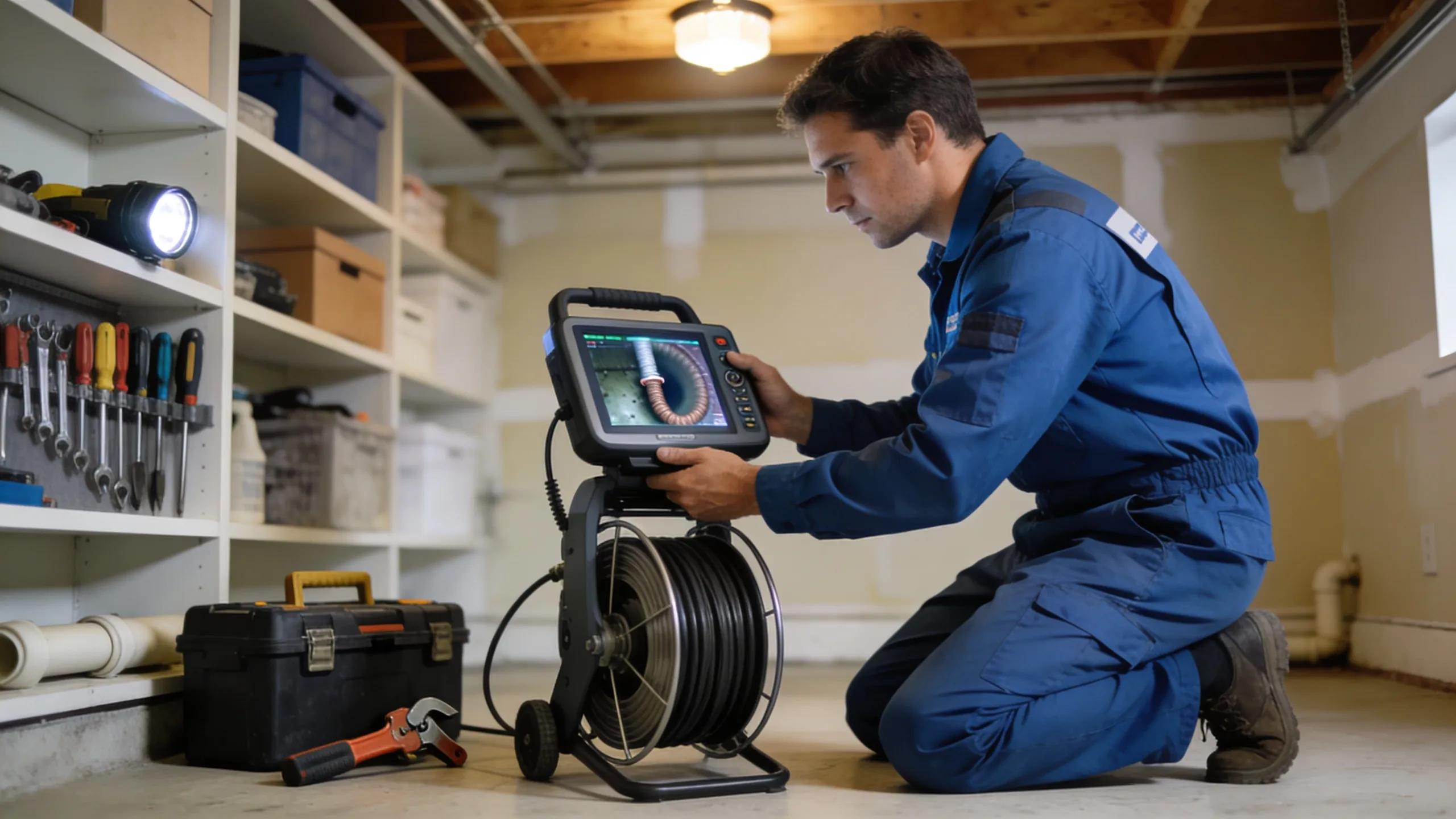
Inspection technology improves diagnostic accuracy. High-definition cameras provide clear interior imagery for detailed evaluation. Real-time video allows immediate analysis and supports faster decision making. Durable inspection equipment is designed to operate reliably in sewer environments while delivering precise data.
How Does Sewer Camera Inspection Identify Blockages and Pipe Damage?
Camera inspections deploy a probe-mounted video system into the sewer line to capture live footage. Inspectors review the video to detect cracks, obstructions, and other defects without excavation. This non-invasive method provides precise condition information that supports timely, appropriate repairs.
What Are the Advantages of Video Sewer Line Inspections Over Traditional Methods?
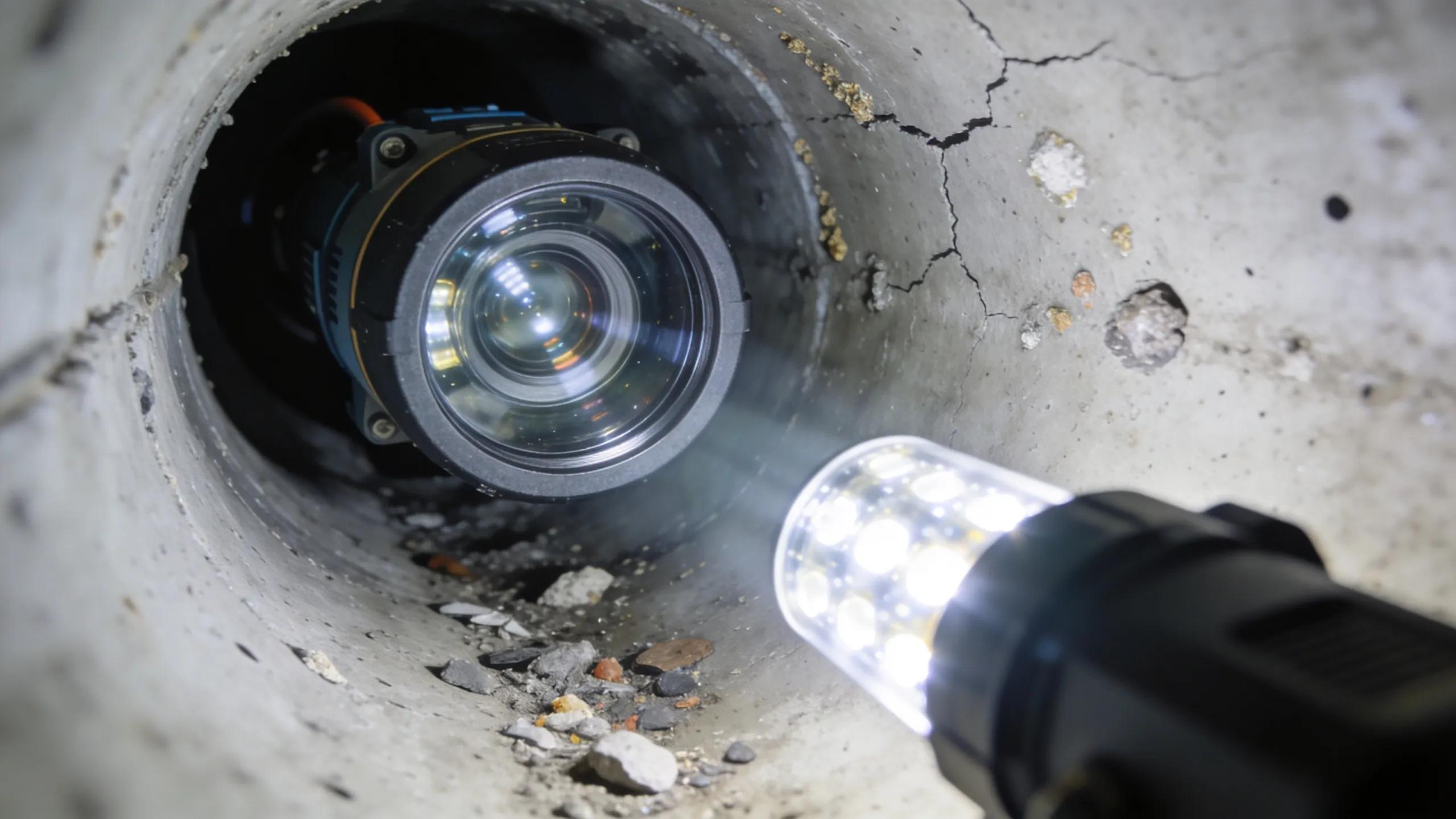
Video inspections offer superior diagnostic precision compared with traditional approaches. They produce real-time visual evidence of pipe condition, shorten inspection time, and reduce the need for exploratory digging. The efficiency of video diagnostics speeds problem resolution and minimises disruption for homeowners.
How Often Should Homeowners Schedule Sewer Line Inspections?
Schedule inspections on a routine basis, particularly for ageing properties or those with nearby trees. A general guideline is every one to two years, adjusted according to property condition and observed warning signs such as slow drains or persistent odours.
What Are Recommended Inspection Intervals for Typical Residences?
For typical residences, inspection frequency depends on factors such as home age and plumbing layout. Newer homes often suffice with inspections every two years, while older homes benefit from annual checks. Recurrent clogs or backflow events warrant more frequent assessments.
What Are the Typical Costs Associated with Routine Sewer Line Maintenance?
Costs vary by region, system complexity, and provider. Inspections commonly range from $100 to $300, with additional services such as cleaning or minor repairs increasing the total. When compared with emergency repair expenses, regular maintenance typically yields long-term savings.
Which Signs Indicate Your Sewer Line Requires Immediate Inspection?
Homeowners should monitor for signs that indicate immediate inspection is required. These include:
- Slow Drains: Water that drains slowly across multiple fixtures may suggest a blockage.
- Unusual Odors: Foul smells indicating sewer gas can be an early warning sign of a problem.
- Backflow Issues: Gurgling sounds or sewer water backing up into sinks or tubs indicate urgent concern that necessitates professional help.
How Can Routine Inspections Mitigate Emergency Plumbing Situations?
Routine inspections reduce the likelihood of emergency plumbing events by identifying urgent issues—such as severe blockages or leaks—early. Inspections also yield preventive maintenance recommendations that help owners address vulnerabilities before they escalate.
How Can Homeowners Optimize Sewer Line Longevity Through Preventative Maintenance?
Homeowners can extend sewer line service life through preventive practices, including:
- Regular Inspections: Schedule inspections at recommended intervals to identify issues promptly.
- Efficient Usage: Educate household members on proper usage of plumbing systems to prevent blockages.
- Community Involvement: Participate in community sewer maintenance initiatives to support broader infrastructure health.
What Are Best Practices for Sewer Line Care Between Inspections?
Maintaining sewer line health requires regular attention. Best practices between inspections include:
- Regular Cleaning: Establish a routine cleaning schedule to remove buildup and debris from pipes.
- Water Pressure Monitoring: Keep an eye on water pressure, as fluctuations may indicate underlying problems.
- Education: Inform household members about what should and shouldn’t be flushed to prevent clogs.
When Should Professional Emergency Plumbing Services Be Contacted?
Homeowners should contact emergency plumbing services when they observe:
- Persistent Backups: Continuous plumbing issues that recur despite efforts to resolve them.
- Severe Odors: Offensive odors that cannot be traced back to kitchen or bathroom fixtures.
- Visible Damage: Any signs of water damage, such as stains on walls or ceilings, that may indicate a plumbing leak.
Maintaining sewer lines is a fundamental responsibility for homeowners. If you experience issues or wish to arrange a preventative inspection, consider reviewing the range of services available to ensure reliable and efficient plumbing performance.
Frequently Asked Questions
What should I expect during a sewer line inspection?
During a sewer line inspection, a technician deploys a high-definition video camera to inspect the interior of the pipes. The technician checks for blockages, cracks, and other defects, documents observed conditions, and provides recommendations for maintenance or repair. The process is typically non-invasive and yields detailed information about system health.
Are there any DIY methods for maintaining sewer lines?
While professional inspections are essential, homeowners can perform limited DIY maintenance. Periodic flushing with hot water can help dissolve light buildup. Enzyme cleaners or a baking soda and vinegar treatment may assist in keeping drains clear. Avoid caustic chemicals, which can damage pipe materials. For substantial concerns, consult a qualified professional.
How do root intrusions affect sewer lines?
Root intrusions occur when tree roots infiltrate sewer lines in search of moisture and nutrients. Roots can cause blockages, cracks, and progressive pipe failure, leading to leaks and backups. Early detection via inspection enables targeted measures such as root removal or trenchless repair to limit further damage.
What are the environmental impacts of ignoring sewer line maintenance?
Neglected sewer lines can create significant environmental hazards. Blockages or leaks may cause sewage to back up into homes or discharge into waterways, creating health risks and ecological contamination. Such pollution harms aquatic life and local ecosystems. Regular maintenance reduces these risks and supports community sanitation.
Is it necessary to schedule inspections if my plumbing system is new?
Even new plumbing systems benefit from scheduled inspections. Many professionals advise an initial inspection after approximately two years to confirm proper operation. Early detection of potential issues preserves system integrity and protects the owner’s investment.
What role does community involvement play in sewer line maintenance?
Community involvement is important for effective sewer system maintenance. Joint initiatives—such as clean-water workshops and local infrastructure projects—raise awareness and encourage responsible practices. Collective efforts reduce blockages and support healthier waterways.
Conclusion
Routine sewer line inspections provide homeowners with reassurance by identifying problems before they require costly repair. Regular inspections improve household safety and help preserve property value for current and future owners. Schedule inspections at the recommended intervals to maintain system performance. Contact our expert team to learn more about our comprehensive plumbing services.