
Understanding the Hidden Dangers in Your Plumbing
If you own a home in beautiful Tidewater, DE, you know how lovely it is to be near the coast. The gentle ocean breeze and the stunning views might steal your heart, but lurking behind those walls is something that can take a toll on your home: leaks. You might think, “It’s just a tiny drip; it can wait!” But hold on! That small leak could be the beginning of a much bigger problem.
The Silent Threat
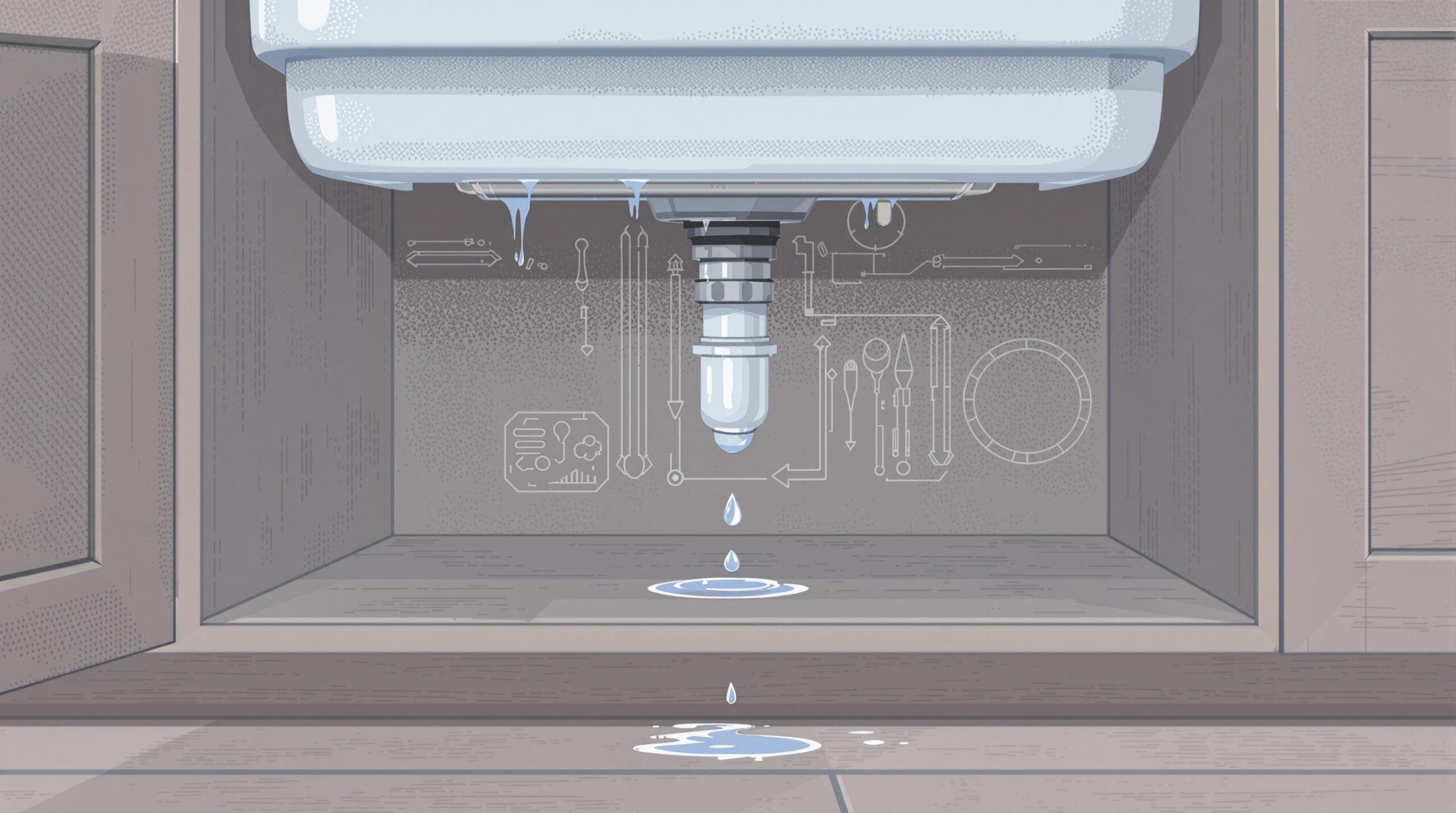
Imagine this: you discover a small puddle under your sink, or you hear an odd drip, drip, drip sound late at night. At first, it seems harmless, almost like a minor inconvenience. But here’s the catch! Over time, that tiny leak can become a major headache. It can hide behind walls, where you can’t see it, and cause mold, wood rot, and even structural damage. Just like a small crack in the dam can lead to a flood, a little leak can create chaos in your home.
In coastal areas like Tidewater, where humidity rules and storms come crashing in, the risk is even greater. The salty air can wear down your plumbing, making it more vulnerable. That’s why it’s vital to stay alert and keep an eye (and ear) out for any signs that something isn’t right. Ignoring those early signs can turn a minor maintenance issue into a disaster.
Stay Ahead of the Game
So, what can you do to protect your home? It’s not just about fixing what’s broken—it’s about being proactive. Regular plumbing checks, educating yourself about potential problems, and swift action at the first sign of trouble can save you a ton of trouble down the road. Being a homeowner means being vigilant, especially when it comes to leaks that can quietly seep into your life, causing chaos and stress.
Stick around as we dig deeper into the world of home plumbing and learn how to keep your Tidewater home safe from those sneaky leaks that seem small at first but can have huge consequences!
The Importance of Leak Detection
When it comes to maintaining the integrity of your beloved home in Tidewater, early leak detection is akin to preventive medicine—it’s essential. Many homeowners underestimate the potential repercussions that even the most minuscule leak can have on their property. Ignoring this hidden threat could lead to catastrophic damage; after all, in a world where water is essential to life, it can just as easily become an orchestrator of destruction when left unchecked.
Why Early Detection Matters
Picture your home as a fortified castle, designed to withstand the elements and the test of time. Now, imagine a tiny crack in its defenses, a leak that starts off innocuous but soon morphs into a gaping hole compromising the very foundation that keeps your sanctuary standing. Early detection plays a pivotal role in preserving your home’s structural integrity. Here’s how:
| Potential Damage from Undetected Leaks | Consequences |
|---|---|
| Mold Growth | Can lead to health issues and expensive remediation. |
| Wood Rot | Weakens the structure, requiring costly replacement and repairs. |
| Increased Water Bills | Indicates water waste; financial burdens add up over time. |
| Foundation Damage | Affects the stability of your home, potentially needing extensive and invasive repairs. |
| Termite Infestations | Moist environments attract pests that thrive in decaying wood. |
Each of these potential damages spirals out of control when leaks go unnoticed. A small leak can lead to hundreds or even thousands of dollars in repairs, not to mention disruption to your life as you cope with the fallout. And while the visible effects may be troubling, the hidden consequences— mold taking root behind walls, rot festering under floors—are even more insidious.
Protecting Your Home and Family
Beyond the tangible aspects of home maintenance, early leak detection embodies the principle of proactive safety. Water leaks pose a threat not only to your property but also to your family’s well-being. Mold and dampness can catalyze allergies and respiratory problems, especially in a humid environment like Tidewater. Keeping your home safe is crucial to ensuring that it remains a haven for comfort and health.
Ultimately, the importance of leak detection aligns with preserving your home’s value and safeguarding your peace of mind. Think of it as an investment in future happiness—investing time in regular checks and maintenance now can lead to a worry-free experience for years to come.
With a clearer understanding of why leak detection matters, your next journey will delve into the various methods and technologies that can help you spot leaks before they spiral out of control. Let’s equip you with the knowledge to defend your castle against the silent attacks of water damage!
Methods for Early Leak Detection
Now that we’ve underscored the criticality of early detection, let’s dive into the various methods and technologies available to help you stay one step ahead of potential leaks. These proactive strategies are akin to regular health check-ups—vigilance that can prevent larger issues from cropping up. Here’s a look at the most effective early leak detection methods, ranging from timeless techniques to the latest in smart home technology.
Visual Inspections
One of the simplest yet most effective methods for leak detection is the good old-fashioned visual inspection. Make it a routine to examine your home for any signs of leaks—this could be as straightforward as checking under sinks, around your water heater, or in places where plumbing is visible. Look for water stains, discoloration, or peeling paint, which may indicate water intrusion. Additionally, inspect your exterior for cracks or seepage, especially after heavy rain. Regular visual checks can identify leaks before they escalate, enabling timely interventions.
Water Meters
Employing a water meter is another pragmatic approach to leak detection. By monitoring your water usage, you can quickly identify unusual spikes that could indicate a leak. For best results, take meter readings when water consumption should be low (e.g., in the middle of the night). If you notice that your meter continues to register varying amounts, even when no water is in use, it’s a sign that water may be seeping somewhere within your system.
Smart Home Water Sensors
In an era of advanced technology, smart home water sensors have emerged as a game-changer for leak detection. These innovative devices can be placed throughout your home, particularly near potential trouble areas such as bathrooms, kitchens, water heaters, and basements. Smart sensors detect the presence of water and can immediately send alerts to your smartphone, letting you know if a leak has occurred, even if you’re not at home. Some devices even feature alarms that can notify you to take immediate action.
Moreover, many of these sensors integrate seamlessly with your home’s existing smart ecosystem, allowing for an automated response that can shut off the water supply in case of a detected leak. This level of real-time monitoring offers peace of mind, especially in a fast-paced world where life gets busy, and leaks can easily go unnoticed.
Infrared Thermography
If you’re looking for a high-tech solution, infrared thermography provides an advanced avenue for leak detection. This method involves using thermal cameras to identify temperature variations in walls and ceilings that could indicate moisture intrusion. Cold spots often signify hidden leaks, allowing for targeted inspections without invasive probing. While it may require a professional’s expertise, infrared technology is a powerful tool in the arsenal against water damage.
Professional Leak Detection Services
Finally, enlisting the services of professionals who specialize in leak detection can offer a thorough examination of your home’s plumbing system. Experts often use a combination of methods, including pressure testing and acoustic detection, to pinpoint leaks accurately. While this may be a more comprehensive approach, it provides an invaluable service to ensure your home is not silently succumbing to the detrimental effects of undetected leaks.
Arming yourself with these diverse leak detection methods allows you not just to reactively manage potential problems, but to proactively safeguard your home from water incursions. As you continue to explore strategies for preventing water damage, integrating these techniques and technologies into your maintenance routine will set you on the path to a dry, secure, and protected home.
Preventing Water Damage in Your Home
Recognizing the potential for leaks is only the first step in safeguarding your home against water damage. To build a robust defense, it’s essential to adopt a comprehensive approach to home maintenance that incorporates regular checks and advanced monitoring solutions. An ounce of prevention truly is worth a pound of cure, and a proactive strategy can save you from the headaches and heartaches associated with water-related issues. Let’s explore effective strategies for water damage prevention, emphasizing the importance of diligence and innovation in reducing your risk.
Regular Maintenance Checks
Establishing a routine for home maintenance is your frontline defense against water damage. Schedule periodic checks for your plumbing systems, focusing on both visible and hidden areas. Regularly inspect your roof, gutters, and downspouts for debris that can impede water flow and increase the risk of leaks. Ensuring that your gutters are clear of leaves and dirt can greatly reduce the chances of overflow that leads to foundation issues. Additionally, verify that your downspouts direct water at least six feet away from your foundation, which can help prevent unwanted pooling and seepage.
Further, inspect appliances such as dishwashers, washing machines, and refrigerators for hose wear and leaks. Additionally, it’s wise to check your hot water heater for rust and corrosion or any signs of leakage at the base. By maintaining these systems diligently, you not only extend their longevity but also protect your home as a whole.
Embrace Technology for Continuous Monitoring
Integrating advanced monitoring solutions into your home life can offer an active layer of protection against water damage. Besides smart home water sensors, consider installing whole-house leak detection systems that monitor your plumbing round-the-clock. These systems not only alert you to leaks but often can be programmed to shut off water supply automatically when a leak is detected, preventing extensive damage before it starts.
Moreover, utilizing smart home technology to manage HVAC systems can also play a crucial role in leak prevention. Regular HVAC maintenance can reduce the risk of condensation issues, which can lead to mold and mildew growth if left unaddressed. Automated systems can help regulate humidity levels, thus minimizing the chance of water damage resulting from excess moisture in the air.
Seasonal Readiness
Different weather conditions bring unique risks for water damage. Year-round, it’s vital to remain vigilant, but seasonal checklists can ensure your home is prepared for unpredictable changes. In winter, insulate water pipes to prevent freezing and bursting, while during summer storms, reinforce the integrity of your gutters and roof. Following heavy rains, take a moment to inspect your property for signs of standing water, potentially indicating drainage concerns that could evolve into severe problems.
Additionally, in areas susceptible to flooding, it’s prudent to consider investing in sump pumps or drainage systems to manage excess water. These proactive measures can provide additional peace of mind in the face of Mother Nature’s whims.
Community Engagement and Shared Knowledge
Lastly, fostering a sense of community can bolster collective vigilance against water damage. Local neighborhood groups can share maintenance checklists, successful strategies, or even organize joint property inspections to spot potential hazards. Engaging in community discussions or online forums can unlock a wealth of knowledge, as neighbors share their experiences, encouraging a culture of preventive maintenance that ultimately benefits everyone.
Prioritizing water damage prevention is not merely a personal responsibility; it’s a commitment to protecting your community. By embracing regular home maintenance and the latest technologies, you can create a fortress against leaks that safeguard not just your home but also your peace of mind. Together, let’s take these proactive steps to cultivate resilient living spaces, ensuring that when it comes to water damage, we stay one step ahead.
Community Tips and Best Practices
In Tidewater, DE, creating a resilient approach to water damage prevention is as much about individual actions as it is about collective community efforts. Residents share invaluable tips based on personal experiences that reinforce the notion that safety is a shared responsibility. By standing together, homeowners can contribute to a culture of vigilance and support, effectively protecting their homes and enhancing their neighborhood’s resiliency against water damage. Here are some preferred strategies that community members have shared:
Neighborhood Watch on Water Management
Participating in community watch groups can add an essential layer of vigilance to water damage prevention. Neighbors can collaboratively observe and report issues, such as overflowing gutters or suspicious roof leaks. Community members encourage forming buddy systems, where residents can regularly check each other’s homes for potential vulnerabilities.
Shared Maintenance Resources
Why not pool your resources? Several residents have found success in organizing group maintenance events where homeowners can work together to clean gutters, check on drains, or inspect plumbing systems. This not only fosters a sense of camaraderie but also allows for shared knowledge about best practices in upkeep and repair, ensuring that even the least experienced homeowners have support.
Tips from Your Neighbors: A Quick Reference Guide
A common recommendation is to create a water damage prevention checklist tailored to the local environment. Below is a summary of contributors’ best practices that can easily be implemented across the neighborhood:
| Practice | Description |
|---|---|
| Regular Inspections | Encourage quarterly checks of roofs, gutters, and plumbing systems to identify early signs of wear or leaks. |
| Water Awareness Training | Organize workshops or virtual meetings to educate community members about signs of water damage and solutions. |
| Emergency Response Plan | Develop a neighborhood emergency plan to address water-related incidents, including contact lists for local services. |
| Resource Sharing | Maintain a shared inventory of tools and equipment that can be borrowed for maintenance tasks, ensuring every household has access to the means for upkeep. |
| Install Smart Technology as a Group | Consider bulk buying smart sensors or leak detectors as a community to reduce costs and enhance overall security. |
Fostering Communication for Better Awareness
Communities can create forums, both online and offline, where residents actively discuss concerns, share their experiences, and offer advice on limiting water damage risks. Platforms like neighborhood social media groups or community bulletin boards can serve as vital resources. Regular community newsletters can also highlight success stories or lessons learned from water damage experiences, ensuring that knowledge is circulated widely and efficiently.
Ultimately, when Tidewater residents come together to share tips and experiences, they cultivate a rich pool of communal knowledge that enhances each home’s resilience against water damage. The interconnectedness within the community strengthens individual efforts, establishing a proactive culture of safety that benefits everyone. As we prepare to explore local professional services focusing on leak detection and water damage prevention, remember this invaluable community-driven approach. Together, we can fortify our homes and ensure lasting protection against water-related challenges.
Professional Services to Consider
As important as community vigilance and proactive maintenance practices are, enlisting the expertise of professional services focused on leak detection and water damage prevention can provide crucial support to Tidewater residents. Local specialists are equipped with advanced tools and knowledge to tackle problems that may be hidden from sight, ensuring that your home remains a safe haven. However, not all services are created equal, and understanding what to look for when hiring a professional can make all the difference.
What to Look For When Hiring a Professional
When searching for a leak detection and water damage prevention service, consider the following factors to ensure you’re making an informed choice:
- Experience and Credentials: A reputable service should have a proven track record in the industry. Look for companies that have been operating for several years and carry relevant certifications. Experienced professionals will have encountered a range of issues and know how to effectively address them.
- Technology and Tools: Ask about the technology they use. Modern leak detection often involves non-invasive methods such as infrared cameras and moisture meters. These tools can pinpoint problems without the need for extensive demolition, thus saving you time and hassle.
- Comprehensive Services: Choose a company that offers a broad spectrum of services: from detecting leaks to moisture control and water damage restoration. A multifaceted approach can save you from having to juggle multiple contractors, creating a streamlined process for maintaining your home.
- Customer Reviews and Testimonials: Research customer feedback online to gauge the company’s reputation. Reliable services will often have numerous positive reviews. Don’t hesitate to ask for references from previous clients to gain insights into their experiences.
- Transparent Pricing: While we avoid discussing costs here, it’s essential to ensure that the service provider offers clear pricing structures. A reliable professional should provide detailed estimates before commencing any work and explain any potential additional charges upfront.
- Emergency Services: Water-related issues don’t follow a schedule; they can strike unexpectedly. It’s beneficial to work with professionals who offer emergency services or are available for after-hours calls, ensuring that you have support whenever an urgent situation arises.
- Education and Follow-Up: Look for professionals who not only diagnose and fix problems but also take the time to educate you on prevention and maintenance strategies. A service that provides follow-up support or home assessments can be a valuable partner in ongoing home maintenance.
Local Insights: Leading Leak Detection Services in Tidewater
In Tidewater, residents are fortunate to have access to trusted local services specializing in leak detection and water damage prevention. Some standout professionals offer reliable expertise and innovative solutions tailored to the unique needs of the community:
- Tidewater Leak Detection Experts: Known for their extensive experience and advanced technology, this team has garnered rave reviews for effectively diagnosing issues before they become major problems.
- WaterWise Solutions: Specializing in moisture management and prevention strategies, WaterWise not only fixes leaks but also works with homeowners to develop sustainable practices for stormwater management.
- Tidewater Damage Restoration Services: They focus on both immediate leak response and long-term solutions. Their comprehensive approach ensures that every aspect of water damage is addressed with minimal disruption.
As you seek professionals to safeguard your home from water damage, remember that expertise and a commitment to quality service are paramount. By choosing the right partners in your preventive strategy, you can enhance the effectiveness of your collective community efforts, ensuring that homes in Tidewater remain protected against water-related challenges now and in the future.
Monitoring for Water Leaks: How Often Should You Check?
Regular inspections are the cornerstone of effective leak detection. Ideally, you should check for potential water leaks in your home at least once every six months. This can align with seasonal changes, ensuring that you remain vigilant through periods of heavy rain or snowmelt, which can heighten the risk of leaks. However, don’t underestimate the power of proactive daily checks: a quick glance at your plumbing and fixtures during routine activities, such as washing dishes or doing laundry, can be a simple yet effective way to keep an eye on potential issues.
Spotting the Signs of a Hidden Leak
While visible water leaks are often easy to identify, hidden leaks can lurk behind walls, under floors, or in your home’s foundation. Be on the lookout for the following telltale signs:
- Unexpected Increases in Water Bills: If your water bill spikes without a corresponding increase in usage, it could indicate that water is escaping your system.
- Water Stains and Mold: Discoloration on walls or ceilings and the presence of mold can be red flags that water is infiltrating your home.
- Musty Odor: Unexplained musty smells often indicate moisture problems; if you notice an unusual scent, investigate further.
- Wet Spots or Flooring Damage: Feel around your home—carpets, wood floors, and linoleum can all be hiding signs of dampness or damage from leaks.
- Noise from Water Pipes: Listen for sounds of running water when everything is turned off; it can be a sign of a leak somewhere in your plumbing.
Leveraging Modern Technology for Leak Detection
In today’s digital age, modern technology is revolutionizing the way we handle home maintenance, including leak detection. Smart home devices can now help predict and detect water damage before it escalates. For example:
- Leak Sensors: Placing sensors in high-risk areas (like under sinks and near appliances) provides real-time alerts via your smartphone when leaks occur, allowing for immediate action.
- Smart Water Meters: These devices monitor water usage in real time, providing insights into consumption patterns and alerting homeowners to anomalies that may indicate leaks.
- Infrared Cameras and Moisture Meters: Professionals often use these tools to identify hidden leaks by detecting temperature differences and moisture variability in walls and floors.
Educating Your Family About Leak Detection
Empowering your family with knowledge about leak detection is crucial in cultivating a proactive maintenance culture at home. Start by encouraging open discussion about the signs of leaks and the importance of regular checks. You can even arrange family “leak drills” where everyone patrols different areas of the house looking for potential problems. Additionally, consider investing in hands-on learning by attending local workshops on home maintenance or water safety offered by community organizations or environmental groups.
First Steps to Take Upon Discovering a Leak
Finding a leak, whether it’s minor or significant, can be alarming, but quick and decisive action can prevent further damage. Here are the immediate steps you should take:
- Shut Off the Water Supply: Locate your home’s main water shut-off valve and turn it off to stop the flow immediately.
- Assess the Situation: Investigate the area to determine the source of the leak. If you can safely locate and identify it, take note of the extent of the issue.
- Document the Damage: Take photos and notes of the affected areas for your records. This documentation can be useful when dealing with professional services or your insurance.
- Call a Professional: Contact a leak detection professional if the leak is extensive or you’re unsure of how to address it. The sooner you seek help, the less damage you may face.
By implementing regular checks, recognizing the signs of leaks, harnessing modern technology, and educating your family, you create a fortress against water damage. The ability to act effectively and knowledgeably upon discovering a leak further enhances your home’s resilience—ensuring a safe and secure living environment for years to come.
The Takeaway: Embrace Proactive Leak Detection and Water Damage Prevention
In a region like Tidewater, where the charm of ocean views and coastal breezes meets the vulnerability of severe weather and rising sea levels, homeowners face unique challenges in preserving the integrity of their properties. The reality is clear: being passive about leak detection and water damage prevention can lead to overwhelming long-term consequences, ranging from expensive repairs to severe operational disruptions in daily life. However, by taking a proactive stance and leveraging both modern technology and the wisdom shared within the community, residents can create a robust defensive strategy against water-related mishaps.
First and foremost, it’s imperative to understand that prevention starts in your own backyard. Regular household checks, such as inspecting appliances for leaks, maintaining your gutters, and ensuring drainage systems are functioning properly, can save you the headache of future problems. Incorporating technology designed for early detection—like moisture sensors that alert you to unusual dampness—can foster an environment of vigilance, empowering you to nimbly address issues before they evolve into significant threats.
Your neighborhood offers an invaluable resource as well. Sharing insights and experiences with fellow residents can yield practical tips and advice that could prove beneficial. Perhaps a neighbor discovered an effective method for managing rainwater, or another could recommend a trusted local contractor skilled in plumbing or waterproofing. Tapping into the collective knowledge of the Tidewater community not only enriches your understanding but also strengthens bonds, fostering a network of support among neighbors committed to safeguarding each other’s homes.
Furthermore, it’s essential to seamlessly integrate the expertise of local professionals into your maintenance protocol. As discussed, choosing the right service providers that employ state-of-the-art leak detection technology ensures your home remains safeguarded. Professionals not only bring technical skill, but they also offer crucial educational components that can empower you with knowledge about preventive behaviors and potential risks unique to the Tidewater area.
In conclusion, the responsibility of safeguarding your home from leaks and water damage is not only an individual task but a collective effort that can bolster the integrity of the entire Tidewater community. By proactively investing time and effort today—through modern technological solutions, professional expertise, and community engagement—you’ll not just protect your property but also enhance the resilience of your home and neighborhood against the incessant threat of water-related damage. The time to act is now; embrace these strategies to safeguard your sanctuary and enjoy peace of mind for years to come.