
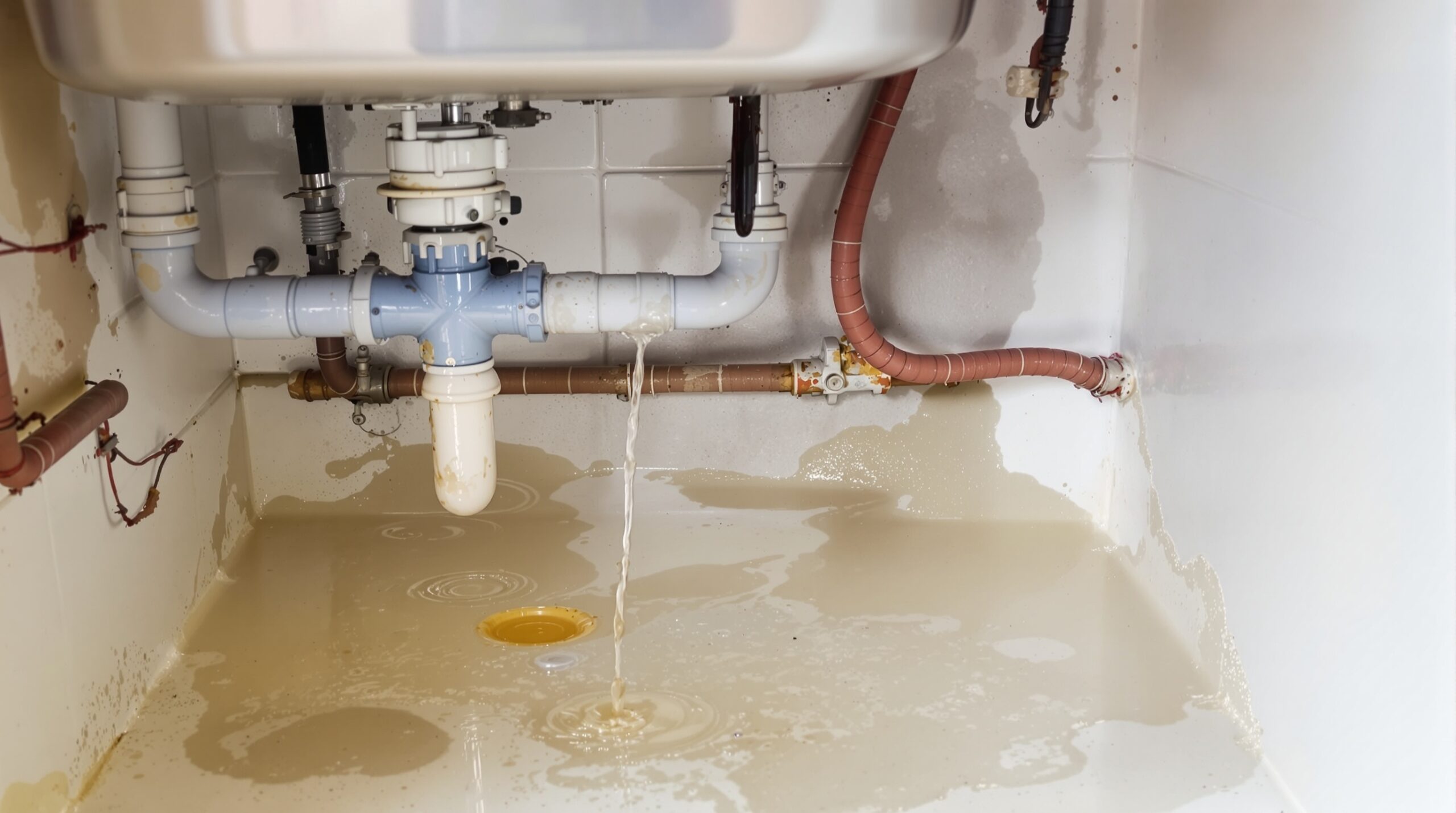
Awakening to a Silent Threat
Imagine waking up to the subtle drip-drip sound of water leaking somewhere in your home. It’s such a quiet noise, almost like the sound of a distant heartbeat, but it carries with it a warning that’s all too easy to ignore.
The Dangers of Dismissal
At first, you might think, “It’s just a little water. I can fix that later.” But what if that small, innocent drip is more than just a minor annoyance? For homeowners in Warwick, DE, the risk of ignoring that tiny leak can snowball into a major incident. What starts as a little water can lead to expensive repairs, mold growth, and unwanted stress as you race to salvage your home.
Why Detection Matters
So, how do you go from that first, early warning sound to actual action? By learning how to detect leaks early, you can save yourself from a world of trouble before it starts. Understanding where leaks typically occur and what signs to look for around your home can make all the difference. Let’s dive into practical tips that will help you become a leak detective and keep your home safe from water damage!
Stay One Step Ahead
Don’t let that drip haunt you as you cozy up at home! With a bit of routine check-ups and some clever prevention strategies, you can ensure those minor inconveniences don’t turn into major headaches. Ready to protect your home?
Understanding the Ramifications of Untreated Leaks
Untreated leaks may seem innocuous, but their ramifications can ripple far beyond simple water wastage. As that persistent drip continues unchecked, it meticulously orchestrates a series of devastating consequences that can jeopardize both your property and your health. While you may initially dismiss a small leak as a minor irritation, the reality is that water infiltrating your home can engage in a methodical assault on the structural integrity of your living space.
A Hidden Enemy
Consider this: water is a formidable force. Over time, even a leak that appears small can lead to shocking levels of moisture accumulation. This saturation can compromise wooden beams and drywall, allowing for internal rot and decay. Your once-sturdy foundation begins to shift ever so slightly, and walls start to bow under the pressure of excess wetness. As the damage escalates, so does the timeframe needed for repairs, turning a few drips into a full-blown emergency.
Mold: The Silent Co-Conspirator
Yet the risks extend beyond structural issues; mold growth often becomes a dangerous byproduct of untreated leaks. Mold thrives in damp environments, often launching its invisible invasion quietly and dramatically affecting your indoor air quality. When mold spores are released into the air, they can lead to a host of health problems, particularly for individuals with allergies or respiratory conditions. Symptoms such as sneezing, coughing, and even serious respiratory complications may lurk around your living room, uninvited and unwelcome.
Identifying the Indicators
Understanding the ramifications of untreated leaks is essential for proactive measures. So how can you identify when your home is showing signs of distress? Below is a quick reference table highlighting key indicators that your property may be experiencing the negative impacts of a leak:
| Indicator | Description |
|---|---|
| Water Stains | Discoloration or dark spots on walls, ceilings, or floors that suggest moisture buildup. |
| Soft or Spongy Walls/Floors | Areas that feel soft or squishy to the touch, indicating potential rot or water damage. |
| Odor | Musty smells often signal mold or mildew growth due to trapped moisture. |
| Pest Infestations | Increased occurrences of pests such as termites or rodents may be linked to excessive moisture levels. |
Recognizing these signs early not only allows you to mitigate potential damage but also empowers you with the knowledge to discuss your situation with professionals effectively. Remember, your health and the integrity of your home are paramount—addressing leaks promptly is a critical step in preserving both.
As we continue, let’s delve deeper into the principal methods of leak detection. From simple DIY checks to professional services, you’ll discover how to spot leaks early, ensuring that your home remains a safe and secure haven.
Principal Methods of Leak Detection
When it comes to safeguarding your home from the damaging effects of leaks, proactive detection is key. Thankfully, a variety of methods exist to help homeowners identify leaks before they escalate into major problems. By understanding these techniques, you can take charge of your property’s health and ensure a secure living environment.
Simple DIY Checks
Starting off easy, a few simple DIY checks can go a long way in catching minor leaks before they spiral out of control. Regularly inspecting areas prone to moisture—such as under sinks, around toilet bases, and near appliances—allows you to spot potential issues early. Keep an eye out for signs like unexpected water pooling, rusting fixtures, or any visible wear on the caulking or seals, all of which can indicate a developing leak.
Pressure Testing
For a more thorough approach, pressure testing your plumbing can be invaluable. This method involves temporarily blocking the water supply and measuring the system’s integrity through pressure gauges. A sudden drop in pressure signals a leak within the plumbing system, allowing for targeted repairs. Ideally conducted by a professional, pressure testing is particularly effective for older homes with aging pipes.
Moisture Meters: The Unsung Heroes
Moisture meters represent a vital tool in the leak detection arsenal. These handheld devices measure moisture levels in walls, floors, and ceilings without invasive drilling. Simple to use, you can quickly scan suspect areas for elevated moisture readings that might otherwise go unnoticed. This high-tech option allows for swift detection of hidden leaks, especially behind walls where water might be pooling.
Infrared Imagery: See Beyond the Surface
Perhaps one of the most advanced methods of leak detection is the use of infrared imagery, which provides a non-invasive look at moisture levels behind surfaces. Infrared cameras detect variations in temperature that indicate water presence, often highlighting problems that are not visible to the naked eye. This method proves particularly advantageous for identifying leaks in hidden areas, such as within walls or under floors, offering a comprehensive view of your home’s moisture landscape.
Professional Leak Detection Services
While DIY methods and handheld devices are helpful, there are instances where professional leak detection services come to the forefront. Skilled technicians utilize a combination of the aforementioned techniques, alongside specialized equipment, to conduct a thorough inspection of your property. Their expertise ensures that even the most elusive leaks are located and addressed swiftly, providing peace of mind for homeowners.
Armed with knowledge of leak detection methods, from simple checks to advanced technology solutions, you can take decisive action in preserving the integrity of your home. Proactively identifying leaks is the first step toward preventing significant issues down the line, ensuring that your sanctuary remains secure and sound.
Next, we will explore implementing water damage prevention strategies, featuring proactive measures homeowners can adopt—including monitoring humidity levels and installing water sensors and alarms—to thwart water damage effectively.
Implementing Water Damage Prevention Strategies
As a homeowner, it’s vital to adopt a proactive stance in safeguarding your property against the perils of water damage. While detecting leaks is essential, equally important is the implementation of preventive measures that can curb water-related issues before they start. By integrating a few strategic practices into your home maintenance routine, you can create a resilient barrier against moisture intrusion and protect your home’s integrity.
Monitoring Humidity Levels
Humidity control is the cornerstone of moisture management within your living spaces. High humidity levels can lead to an array of problems, including mold growth and warped structures. Consider investing in a digital hygrometer—a simple device that measures the humidity in your home. Ideally, keep indoor humidity levels between 30% and 50%. Using dehumidifiers in areas prone to excess moisture, such as basements or laundry rooms, can help maintain these optimal levels and fend off humidity-related issues.
Installing Water Sensors and Alarms
Picture this: a water leak hidden behind your walls, unnoticed until it turns into a costly repair. This scenario can now be avoided with the installation of water sensors and alarms. These innovative devices can be placed in high-risk areas such as under sinks, near water heaters, or around washing machines. They work by detecting the presence of moisture and alerting you immediately through audible alarms or smartphone notifications. With these devices, early detection becomes your ally, allowing for rapid intervention before significant damage occurs.
Utilizing Smart Technology for Automation
Embrace the future of home maintenance with smart home technology designed for water damage prevention. Smart water shut-off systems can automatically detect leaks and turn off your home’s water supply, preventing further damage before you even realize something’s wrong. Coupled with mobile alerts and remote monitoring, these systems offer peace of mind, especially when you’re away from home for extended periods. Pair these smart devices with your water sensors for a comprehensive defense strategy against leaks.
Regular Maintenance Checks
Prevention goes hand-in-hand with regular upkeep. Schedule consistent inspections of critical areas such as pipes, appliances, and fixtures to catch small issues before they escalate. Pay special attention to seals and caulking around bathtubs, showers, and sinks, reapplying as necessary to maintain water-tight barriers. A simple habit of routine check-ins can save you from larger headaches down the line.
Creating a Water Damage Emergency Plan
Despite all preventive measures, the unexpected can still happen. Preparing an emergency plan can empower you to act swiftly in case of water-related incidents. Familiarize yourself with the location of your main water shut-off valve and ensure all family members know how to access it. Additionally, compile contact information for trusted plumbers and restoration services, so you can reach out for help at a moment’s notice. Being prepared can significantly lessen the impact of water damage when it strikes.
Implementing these strategic measures not only fortifies your home against potential threats but also provides the safety and serenity every homeowner desires. With proactive water damage prevention strategies woven into your lifestyle, you’ll be well on your way to safeguarding your investments and ensuring a secure living environment.
Common Weak Spots in Homes
As we continue our journey toward home protection, it’s essential to understand the most vulnerable areas within your property. From basements to roofs, we will delve into the common weak spots that require your attention and routine maintenance.
Common Weak Spots in Homes
As we continue our journey toward home protection, it’s essential to understand the most vulnerable areas within your property. From basements to roofs, we will delve into the common weak spots that require your attention and routine maintenance.
Basements: The Subterranean Vulnerability
Your basement is particularly susceptible to moisture intrusion due to its below-ground positioning. Water can seep in through cracks in foundation walls or floors, or through window wells that aren’t properly drained. Issues can escalate quickly, leading to mold growth and structural damage if left unchecked. Regularly inspect the walls for signs of dampness, and ensure that gutters and downspouts direct water away from the foundation. Sealing cracks with a waterproofing compound can also bolster this barrier.
Bathrooms: The Moisture Magnet
Bathrooms are naturally prone to leaks, given the constant presence of water. Areas around sinks, toilets, and bathtubs are particularly at risk. Regularly check for any signs of water damage, such as discoloration on walls or ceilings, and stay vigilant for leaks from plumbing fixtures. Ensure that caulking is intact and consider routine inspections of the plumbing under sinks and behind the toilet, as undetected leaks here can lead to significant problems.
Roofs: The First Line of Defense
Your roof is your home’s first line of defense against the elements, but it’s also a common point of failure. Missing shingles, clogged gutters, or damaged flashing can lead to leaks that travel down into your home. It’s vital to conduct seasonal roof inspections, looking for signs of wear and tear or damage. Cleaning gutters and ensuring proper water runoff can prevent many roof-related issues before they escalate into serious leaks.
Key Areas to Monitor
Below is a summary table highlighting some common weak spots in homes, along with suggested maintenance routines:
| Area | Vulnerabilities | Routine Maintenance |
|---|---|---|
| Basement | Cracks in foundation, window wells | Inspect walls, seal cracks, clear drainage |
| Bathroom | Fixture leaks, caulking wear | Check fixtures, replace caulking, monitor for moisture |
| Roof | Shingle damage, clogged gutters | Conduct seasonal inspections, clean gutters |
| Kitchen | Appliance leaks, sink drainage | Inspect behind appliances, check seals |
| Exterior | Chimneys, siding gaps | Inspect sealants, check for loose siding |
By routinely inspecting and maintaining these key areas, you can greatly reduce the likelihood of encountering severe water damage in your home. Awareness of these common weak spots allows you to take preemptive action, securing the well-being of your property for years to come. In the following section, we’ll discuss the role of professional leak detection services. While DIY checks go a long way, professional services provide a thorough analysis using advanced technology. Discover how experts can secure your home against potential leaks.
When it comes to safeguarding your home against leaks, DIY efforts offer valuable insights and preventive measures; however, enlisting professional leak detection services truly elevates your home’s defense system. These experts not only complement your routine checks but elevate them through advanced techniques and technology designed to identify leaks that may elude the untrained eye.
Modern leak detection is science-backed and employs state-of-the-art equipment, such as infrared thermography and acoustic listening devices, which can pinpoint leaks without invasive measures. These tools allow technicians to detect subtle changes in temperature or listen for the distinct sounds of water escaping, even when hidden behind walls or beneath floors. Furthermore, professionals leverage moisture meters to quantify dampness levels, ensuring that any detected leak is not only found but thoroughly assessed.
When you invite these specialists into your home, they employ a holistic approach that goes well beyond mere detection. They meticulously analyze the conditions of your property, identifying recurring issues—be it from aging plumbing systems or environmental factors unique to Warwick, DE. Their comprehensive reports often include preventive recommendations that empower homeowners to make informed decisions about maintaining their properties.
Moreover, professional services can implement advanced leak detection solutions like tracer gas detection or dye testing, which are particularly effective in challenging environments. For example, tracer gas detection involves introducing a harmless gas into your plumbing system. Once the gas escapes, professionals can identify precisely where the leak has occurred, making remediation more targeted and less disruptive. This capability is excellent for preventing potential water damage before it escalates into a larger issue.
Another advantage of professional leak detection services is their capacity for disaster mitigation. In the unfortunate event of a major leak, these experts can quickly assess the damage and guide homeowners on the next steps for repairs and restoration. This not only saves time but also minimizes emotional stress, providing peace of mind amidst potentially overwhelming circumstances.
By proactively addressing leaks through professional services, homeowners in Warwick, DE, can effectively shield their properties from the devastation often associated with water-related disasters. Remember, every drop counts: early detection, routine maintenance, and expert evaluations form the trifecta of a solid defense against water damage. Don’t let a minor leak escalate; take action now to protect your home and ensure the comfort and security of your living space for years to come.
But how do you determine if there’s actually a leak in your home? Awareness of your surroundings is the first line of defense. Look for obvious signs: discoloration on your walls, ceilings, or floors can be an immediate indicator of moisture intrusion. Peeling paint or wallpaper may signal hidden water that has compromised the integrity of your surfaces. Pay attention to musty odors, as they can signify mold growth resulting from prolonged dampness. Moreover, keep a close eye on your water bills; sharp, unexplained increases might suggest a leak lurking somewhere in your plumbing system.
Another critical aspect of water damage identification lies in the more subtle indicators that might escape daily notice. For instance, a soft or warped floorboard can hint at a bigger issue, while an unexplained damp spot on a carpet could suggest moisture seeping from below. In bathrooms, check for persistent dampness around sinks, tubs, and toilets, as these areas are particularly prone to leaks. If you notice hearing odd noises such as dripping, running, or hissing sounds behind walls or under the floor, it’s time to investigate further; these acoustic cues are often precursors to more significant issues.
To successfully manage these potential problems, regular inspections are key. It’s generally advisable to engage professional services for a thorough inspection at least once a year, particularly if you live in regions prone to heavy rainfall or fluctuating temperatures. Frequent inspections help detect vulnerabilities and hidden leaks before they have a chance to escalate into major repairs. Think of these assessments as a tune-up for your home—an essential part of your property maintenance routine that can save you from future headaches and costly aftermath.
While homeowners can use some basic tools to examine visible plumbing, professionals employ advanced technologies that are simply not within the average homeowner’s reach. Techniques such as thermal imaging can reveal temperature differences that indicate hidden moisture, while acoustic listening devices allow for the non-invasive detection of leaks even from a distance. Additionally, professionals often use digital moisture meters that provide precise readings of the moisture levels in various materials, allowing them to assess damage comprehensively and accurately.
Incorporating these technologies into your maintenance protocol not only streamlines the discovery process but also equips you with the best data to make informed decisions. The synergy of professional expertise and cutting-edge diagnostics enhances your ability to protect your home from the ravages of water damage, ensuring it remains a haven of comfort and safety. So, keep vigilant and proactive—early detection, routine checks, and professional evaluations are your best allies in maintaining a leak-free home.
As homeowners in Warwick, DE confront the unpredictable nature of the elements, the importance of combatting water-related threats becomes paramount. In this ever-evolving landscape, the mantra should be clear: don’t wait for the storm to hit; be proactive and fortify your defenses against leaks. Understanding the nuances of water damage prevention can significantly alter the trajectory of your home’s resilience.
First and foremost, fostering a culture of early detection is key. Regularly inspecting your plumbing and being aware of any signs that could indicate a leak — such as unusual water stains, damp spots on walls or ceilings, or even a sudden spike in your water bill — equips you with the knowledge needed to act swiftly. By routinely checking areas prone to moisture, like basements, bathrooms, and attics, homeowners can catch issues before they escalate into costly repairs.
However, preventative measures extend beyond simple visual assessments. One of the most effective methods for safeguarding your home is implementing a structured maintenance plan. This should encompass seasonal checks of your irrigation systems, roof inspections, and gutter cleaning to ensure proper water flow. Taking the time to remove debris from gutters and ensuring downspouts direct water away from your home can vastly reduce the chances of water seeping into your foundation.
In addition to routine maintenance, recognizing the value of expert evaluation can save homeowners from future headaches. As mentioned earlier, professional leak detection services employ sophisticated technologies, but their real value lies in their expert analyses. They can spot potential vulnerabilities that homeowners might overlook, equipping you with actionable insights to thwart future water damage. Requesting their expertise during routine home inspections creates a partnership aimed at preserving your property’s integrity.
The significance of timely intervention cannot be overstated. A small leak, if left unchecked, can lead to mold growth, structural damage, and costly repairs. By taking action at the first signs of trouble, you not only protect your investment but also create a safer environment for your family. Whether it’s an occasional check-in with a professional service or investing in preventative measures, each step plays a critical role in your home defense strategy.
Water damage prevention is an ongoing commitment that warrants proactive involvement. Homeowners in Warwick, DE, are encouraged to embrace a comprehensive approach that combines vigilance, routine maintenance, and the insights of professionals. Remember, peace of mind in protecting your property lies not in waiting for the worst-case scenario to unfold, but in taking definitive steps to prevent it from happening in the first place. Secure your home today; your future self will thank you for the foresight.