
Welcome, Delaware Homeowners!
Let’s face it: maintaining a home can sometimes feel like a daunting task. But fear not! Here’s your special guide, crafted just for you, to help simplify and demystify plumbing maintenance in your cozy Delaware abode. By following this annual plumbing checklist, you can ensure that your plumbing system runs smoothly all year long.
Why Plumbing Maintenance Matters
Imagine waking up on a chilly winter morning and turning on the faucet, only to be greeted by a sputtering stream of water or, worse—nothing at all! With our handy checklist, you can avoid those pesky surprises that seem to pop up when you least expect them. Regular maintenance not only keeps your plumbing working properly but also helps you avoid emergencies and gives you peace of mind.
So, grab your toolbelt and join us as we dive into the essential tasks you can handle throughout the year. This checklist isn’t just about fixing leaky faucets; it’s about creating a harmonious relationship with your home’s plumbing system. Let’s get started and keep those pipes happy for many years to come!
Inspect Faucets and Fixtures
As you embark on your annual plumbing maintenance journey, one of the first places to focus your attention is on the faucets and fixtures scattered throughout your home. These commonly used items not only add functionality to your space but can also be a source of frustrating leaks and inefficient water flow if neglected. By taking the time to inspect each faucet and fixture, you can safeguard your home from potential water damage and enhance your overall plumbing experience.
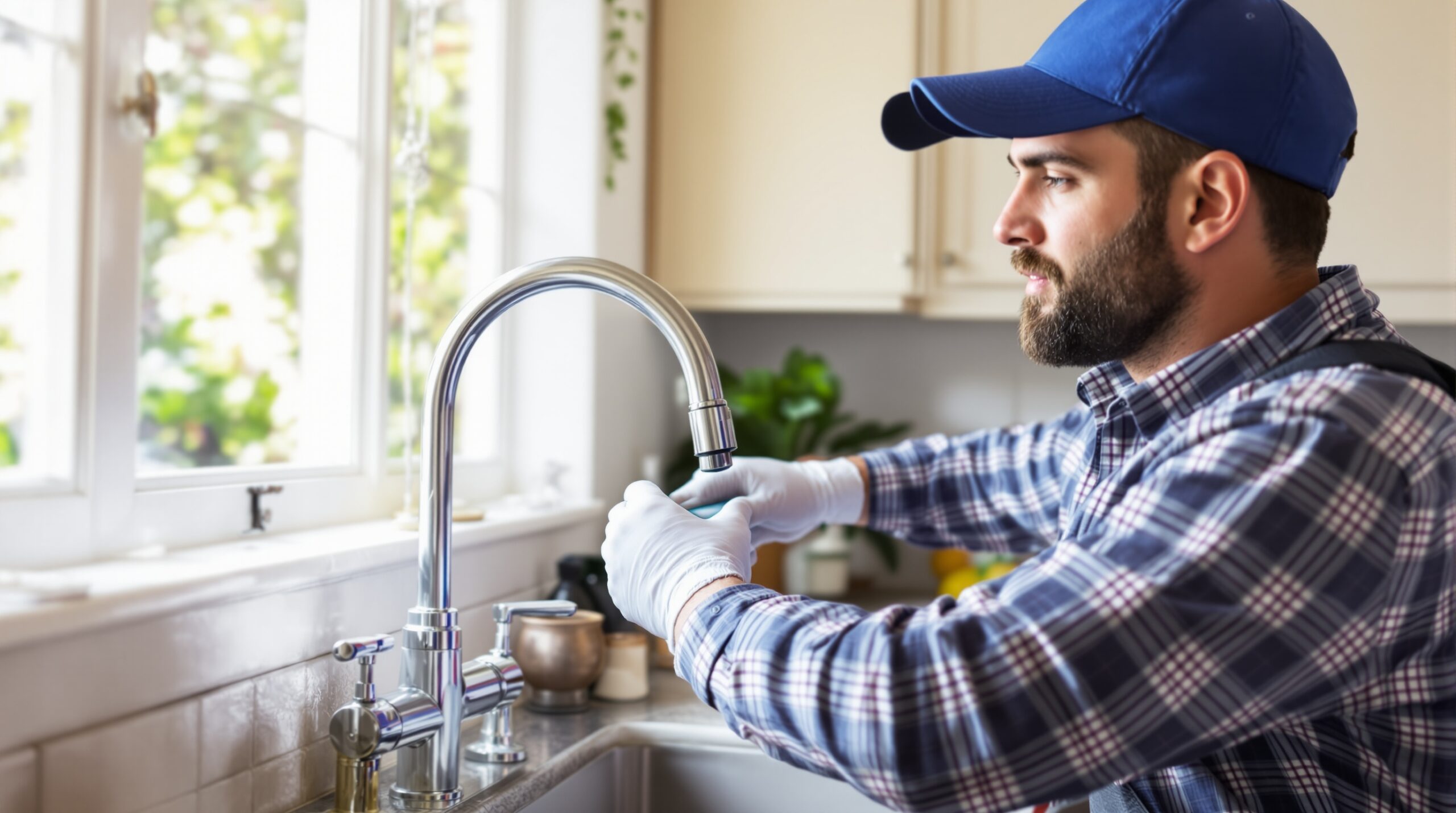
Start in the kitchen, where the sink is often the heart of daily activities—whether washing dishes, preparing meals, or simply filling up a glass of water. Check for drips or puddles around the base of the faucet. Look for signs of water stains on the countertop or underneath where the sink meets the cabinet. These indicators can point to a slow leak that might escalate into a more significant issue if left untreated.
Next, make your way to the bathrooms. Test each sink and tub by turning on the faucets and observing the water flow. Is it steady and strong? Or do you notice an erratic stream, suggesting a buildup of mineral deposits or clogs? If so, a little DIY cleaning with vinegar and a brush can work wonders to clear those issues and restore proper flow.
Don’t forget about your shower! After all, who doesn’t appreciate a refreshing shower to unwind? Check the showerhead for any leaks and ensure it’s not creating a misty spray instead of a focused stream. A quick tightening of connections or replacing old washers can yield impressive results.
To help you organize your inspection, refer to the handy checklist below as a guide for evaluating each faucet and fixture.
| Faucet/Fixture | Inspection Steps | Common Issues |
|---|---|---|
| Kitchen Sink Faucet | Check for drips, test water flow, inspect for stains | Leaky faucet, low water pressure |
| Bathroom Sink | Turn on faucet, look for leaks, assess water speed | Slow flow, inconsistent water pressure |
| Showerhead | Inspect for leaks, check spray pattern, tighten connections | Misty spray, leaks at connection point |
| Tubs and Shower Faucets | Run water, inspect for drips, check faucet handles | Dripping handles, low flow |
| Outdoor Faucets | Turn on, listen for leaks, check faucet’s exterior | Leaks during winter, low flow |
Remember, a little maintenance now goes a long way in extending the life of your faucets and fixtures. By regularly inspecting them, you minimize the risk of significant leaks and ensure that your daily routines aren’t interrupted by unexpected plumbing issues. Now that you’ve taken care of your faucets and fixtures, it’s time to journey below the surface—literally! Next up, we’ll take a closer look at the unsung heroes of plumbing: examining under-sink plumbing.
Examine Under-Sink Plumbing
After carefully scrutinizing your faucets and fixtures, it’s essential to delve beneath the kitchen and bathroom sinks, where an entirely different set of plumbing challenges often lurks. The area beneath your sinks, typically out of sight and out of mind, can harbor issues that—if left unnoticed—may lead to significant headaches down the line. One of the most common culprits? Hidden leaks manifesting as condensation or, worse, mold growth.
To begin your under-sink inspection, grab a flashlight and take a closer look at the plumbing connections and pipes. Use your senses—look, feel, and even smell—as mold can develop in the dampness produced by unnoticed leaks. Pay particular attention to any signs of condensation forming on the pipes, as this signals potential moisture problems. If you find that water is collecting or pooling, it’s imperative to investigate further, as this could indicate a leak that requires immediate attention.
As you examine the pipes, check for any droplet formations or water stains on the wood or plastic beneath the sink. These stains can be an early warning sign that something is amiss in your plumbing system. If you see any mold or mildew starting to form, it’s vital to address both the source of moisture and the mold itself, as these unwanted guests can pose health risks if left untreated.
It’s also wise to scrutinize the sink’s drainage system. Look for any clogs or obstructions that could lead to water backup and, subsequently, leaks. A quick clearance of any debris can help maintain healthy water flow and reduce the risk of future issues. If you discover a pungent or foul odor emanating from the pipes, this could indicate organic matter buildup, which can lead to more severe plumbing complications if not resolved.
When inspecting the plumbing underneath your kitchen sink, remember to check the dishwasher connection, if applicable. Ensure there are no cracks in the hoses or fittings, as these can also lead to unwanted leaks that result in damage and costly repairs. A secure and watertight connection will not only protect your cabinetry but will also prevent any water from pooling at the base of your appliance.
While the bathroom sink presents a similar set of worries, it also introduces additional scrutiny regarding the connection to the toilet and tub drainage systems. In older homes, signs of corrosion or rust on the metal piping can hint at age-related weaknesses that could be on the verge of failure. If you notice any wear, it’s advisable to take preventive action rather than waiting for a significant leak to develop.
To ensure you don’t overlook essential components during your inspection, create a checklist to keep track of what to examine underneath each sink:
| Area | Inspection Steps | Common Issues |
|---|---|---|
| Kitchen Sink | Inspect pipes for condensation, check under the dishwasher connection | Mold, rusty plumbing, leaking seals |
| Bathroom Sink | Look for water stains, inspect connections to other fixtures | Corrosion, rust, potential leaks |
| Tub & Shower | Check for drainage issues, inspect for signs of moisture | Mold growth, clogs, leaks at joints |
| Cabinetry | Examine the wood for water damage, look for odors | Wood rot, mildew, staining |
Maintaining vigilance over your under-sink plumbing is a crucial part of your home’s overall health. By proactively inspecting this often-overlooked area, you can mitigate the risk of serious leaks and protect your home from unwanted water damage. Now that you’ve completed your under-sink inspection, let’s shift our focus to an equally important aspect of plumbing maintenance: ensuring your water heater is in top shape.
Water Heater Inspection
As you move from the intimate confines of under-sink plumbing to your home’s powerhouse—the water heater—it’s time to prioritize this essential appliance that provides comfort and functionality. Just like any other part of your home’s plumbing system, your water heater demands regular inspection and maintenance to operate smoothly and efficiently. This not only extends the lifespan of your unit but also ensures you and your family enjoy a consistent supply of hot water without unwarranted interruptions.
One of the critical aspects of water heater maintenance is checking the temperature settings. The U.S. Department of Energy recommends setting your water heater at 120°F (49°C) for optimal performance. This temperature strikes a balance between energy efficiency and providing enough heat for your daily tasks, such as showering and dishwashing. To check the temperature, carefully adjust the thermostat located on the water heater and use a thermometer to verify it directly from the tap. If you find the water is too hot, this adjustment can help reduce energy consumption and avoid potential scalding hazards, especially for young children and the elderly.
In addition to temperature settings, it’s crucial to ensure that your water heater remains free from sediment build-up. Over time, minerals naturally present in water can settle at the bottom of the tank, leading to potential complications such as reduced efficiency and even damage to the unit. Sediment build-up can vary based on water hardness and will manifest as a thumping or popping sound when the heater operates. To prevent this, it’s advisable to flush the water heater tank at least once a year. This process involves turning off the heater, connecting a garden hose to the drain valve, and allowing the water to flow out while flushing any sediment in the process. Not only does this practice enhance efficiency, but it also helps in maintaining the overall health of your water heater.
Remember to keep an eye out for any leaks around the unit itself. Signs of water accumulation or rust could indicate problematic issues that need to be addressed quickly to avoid more severe complications down the road. If you spot any leaks, it’s vital to identify the source and take appropriate action to rectify the situation.
Moreover, in your inspection routine, don’t overlook the settings of any safety devices associated with the water heater, such as the pressure relief valve. This valve is a vital safety feature that prevents excess pressure from building up inside the tank. To check its functionality, carefully lift the lever on the valve and let a small amount of water out to ensure it’s operational. A malfunctioning valve can lead to dangerous pressure build-up, so keeping it in check is non-negotiable.
By routinely monitoring your water heater’s temperature settings and addressing sediment build-up, you not only ensure a steady supply of hot water but also protect your investment in this vital appliance. A well-maintained water heater can serve you efficiently for many years, bringing convenience and comfort to your home. Now that we’ve tackled the essentials of water heater inspection, it’s time to direct our attention to the next critical area of plumbing upkeep: sewer and drain maintenance.
Sewer and Drain Maintenance
When it comes to effective plumbing maintenance, the importance of sewer and drain care cannot be overstated. While your water heater works tirelessly to keep your showers warm and your dishes clean, neglected sewer lines can lead to significant headaches—it takes just one blocked drain to turn your home into a distressing environment of foul odors and flooding. Therefore, taking preventive measures to keep your sewer and outdoor drains clear is paramount to maintaining a healthy, hassle-free living space.
First and foremost, understanding the basic principles of what causes sewer blockages is crucial. Hair, grease, soap scum, food particles, and leaves are frequent culprits that accumulate over time, causing unwanted clogs. To combat this, a proactive cleaning schedule is your best ally. Regularly inspect outdoor drainage systems, including gutters and downspouts, to ensure they are free from debris. Use a garden hose to flush out leaves and dirt that may block water flow, especially after heavy storms. It’s not just about cleaning; it’s about establishing habits.
To elevate your maintenance routine, consider the following preventive strategies:
| Tip | Description |
|---|---|
| Regular Cleaning | Perform a deep clean of outdoor drains and gutters at least twice a year, ideally in the spring and fall. |
| Install Drain Covers | Use grate or mesh covers on outdoor drains to prevent large debris from entering the system. |
| Use Biodegradable Enzymes | Consider using biodegradable enzymes monthly to promote the breakdown of organic matter in your drains. |
| Avoid Pouring Grease | Dispose of cooking oils and greasy substances in a container rather than pouring them down the drain. |
| Professional Inspections | Semi-annual inspections by a plumbing professional can verify that everything is functioning optimally and proactively catch potential issues. |
Furthermore, be vigilant about what goes down your drains. Don’t treat your toilets or sinks like trash cans—items such as wet wipes, cotton balls, and grease can swiftly lead to blockages. Educate family members about proper disposal methods and set a household standard for waste management.
For those living in areas prone to heavy rain, consider installing a sump pump. This device will help manage excess water that can lead to flooding and potential sewer backups. By maintaining an awareness of how external conditions might affect your home’s plumbing, you can take necessary preventive steps to avoid issues before they arise.
In addition to all these measures, routine inspections of your sewer lines will go a long way in diagnosing potential problems early, thus saving you from more extensive repairs later on. Many plumbers use specialized cameras to identify clogs without invasive procedures, giving you peace of mind that your sewer systems remain trouble-free.
By actively participating in the maintenance of your sewer and drain systems, you ensure not only the proper functioning of these essential services but also avert the stress and chaos that arise from unexpected plumbing emergencies. With sewer and drain maintenance covered, we can now shift our focus to another area of urgent attention in plumbing upkeep: ensuring that your pipes are adequately insulated to handle the varying Delaware temperatures.
As we navigate the unique climate of Delaware, with its fluctuating temperatures ranging from sweltering summer afternoons to biting winter nights, it becomes increasingly vital to ensure your plumbing infrastructure is equipped to handle these shifts. One key element of safeguarding your plumbing system is checking for pipe insulation. Insulating your pipes is not just a seasonal task; it is an ongoing necessity that can lead to significant improvements in energy efficiency and longevity of your plumbing system.
During the colder months, uninsulated pipes are particularly susceptible to freezing, which can lead to cracked and burst pipes—a nightmare scenario for any homeowner. When the temperature dips suddenly, water inside the pipes can expand, and if there’s insufficient insulation, it increases the risk of serious plumbing issues. Winter blasts followed by thawing temperatures can create an erratic freeze-thaw cycle that compounds the risks if you’re not adequately prepared. Therefore, before winter descends, conduct a thorough check of all accessible pipes, including those in basements, crawl spaces, and exterior walls.
To ensure your pipes can resist Delaware’s chilly embrace, consider utilizing foam pipe insulation or wrapping the pipes in insulating sleeves. Additionally, pay special attention to unheated areas of your home—such as attics, garages, and exterior walls—where pipes are likely to be exposed to the cold. The more insulation you provide, the less vulnerable your plumbing system will be to the harsh elements.
Aside from protecting your pipes from freezing, proper insulation also improves energy efficiency. By ensuring hot water pipes are insulated, you can minimize heat loss as the water travels from your heater to your fixtures, resulting in warmer water that reaches your faucets faster. This improvement not only enhances your comfort but also translates to energy savings, enabling you to do your part for the environment while keeping utility bills in check.
Moreover, insulated pipes are less likely to produce condensation, which can lead to mold and mildew growth in your home. Controlling moisture is essential for maintaining indoor air quality, making insulation doubly beneficial. By focusing on these details, you not only protect your plumbing system but also bolster the overall health of your living environment.
Incorporating regular checks into your plumbing maintenance routine is essential. As with sewer and drain upkeep, make it a habit to inspect your pipe insulation at least twice a year, ideally in late fall before winter sets in and again in early spring. This proactive approach will help you avoid costly and disruptive plumbing emergencies down the road.
Year-round maintenance of your pipes, drainage systems, and insulation has far-reaching implications—not just for immediate efficiency but also for long-term peace of mind. By adopting a comprehensive, diligent approach to your home plumbing care, you’ll maximize your system’s effectiveness, minimize unexpected setbacks, and ultimately preserve your property’s value. In the end, taking these steps ensures that your home remains a sanctuary, comfortable and reliable, no matter what Delaware’s weather brings.
While we’ve discussed insulation and its essential role in protecting your plumbing infrastructure during Delaware’s volatile seasons, other maintenance tasks deserve equal attention. A comprehensive approach to plumbing care will insulate you from more than just the cold; it guards against potential plumbing failures that can disrupt your daily life. Let’s delve into some common queries that arise during routine maintenance, focusing on key areas such as basement pipes, heater functionality, and exterior hoses.
First and foremost, how often should you check your basement pipes? Regular inspections are crucial, particularly since basements frequently serve as the lifeline for plumbing systems. Make it a habit to check your basement pipes at least once every six months. This timeframe allows you to spot small leaks, corrosion, or signs of moisture before they escalate into more severe issues. Pay attention to unusual sounds, such as dripping or running water, and check for any visible stains or damp spots that signal possible leaks. Early intervention can subsequently save you a good deal of stress and future headaches.
Next, let’s address the importance of monitoring your heater. A malfunctioning heater can wreak havoc not only on your heating costs but also on your entire home comfort. Familiarize yourself with the warning signs of a faulty heater: inconsistent temperatures, strange noises, or the presence of rust are clear indicators that your heating unit requires immediate attention. Regularly checking your heater, ideally before and during the heating season, includes looking at the thermostat settings, inspecting filters, and cleaning vents to ensure optimal performance. Keeping your heater in top shape not only guarantees consistent warmth but extends the lifespan of your heating system.
Equally significant is the necessity of inspecting exterior hoses. These often-overlooked components are just as vulnerable to the elements, especially during seasonal transitions. As winter approaches, disconnect, drain, and store your hoses to prevent them from freezing and potentially bursting. In warmer months, be vigilant for cracks or leaks in your hoses, as they can lead to water wastage. A simple check each season will ensure they remain functional and effective for gardening and outdoor tasks.
Combining all of these maintenance checks into a routine helps build a solid foundation for a resilient plumbing system. Each aspect, from pipes in the basement to heaters and exterior hoses, plays a role in ensuring your home operates at peak efficiency. By committing to these regular inspections and maintenance tasks, you not only mitigate the risk of unexpected plumbing emergencies but also bolster the overall reliability of your home. Remember, a proactive homeowner is a prepared homeowner, and maintaining your plumbing infrastructure is an ongoing journey towards creating a secure living environment capable of weathering any storm.
As the seasons change and the demands on our homes evolve, the importance of consistent maintenance becomes crystal clear. Plumbing systems, much like fine machinery, require regular attention to operate at peak efficiency. By committing to year-round maintenance, you’re not just ensuring your plumbing runs smoothly; you’re also fostering an environment that safeguards your entire property from unforeseen emergencies.
Think of your plumbing system as the lifeblood flowing through your home. With regular checks, you’re proactively addressing concerns before they escalation into problems. This vigilance can be likened to staying ahead of the curve; while others may wait until disaster strikes to react, you’ll be empowered to prevent issues from arising in the first place. Regular pipe insulation checks and preventative measures create a protective buffer against the unpredictability of the elements, whether it be the summer heat or winter chills.
Moreover, adopting a year-round maintenance approach instills a sense of responsibility and ownership over your home. When you prioritize these tasks, you are not only safeguarding your plumbing but also affirming your commitment to maintaining a comfortable and serene living space. This dedication doesn’t go unnoticed—both in the quality of your immediate environment and in the long-term value of your property. A well-maintained plumbing system can enhance your home’s appeal and keep it in excellent condition, reflecting the care you’ve devoted to it.
It is also worth noting that the benefits of consistent maintenance extend beyond just pipes and insulation. Other critical aspects of your home’s infrastructure require regular attention, such as checking for leaks in your fixtures, maintaining water heaters, and ensuring your drains are flowing freely. Establish a calendar to track these maintenance tasks, aligning them with the changing seasons. This foresight and planning ultimately fortify your home’s defenses against potential plumbing crises.
In addition, consider the ripple effect that well-maintained plumbing can have on your overall well-being. A reliable plumbing system contributes to a stress-free home environment and cultivates a space that is pleasant to inhabit. Whether you are hosting friends and family or simply relaxing in your sanctuary, the comfort that stems from knowing your home is safeguarded cannot be overstated.
This is why making regular maintenance a cornerstone of your home care philosophy is imperative. Embrace the notion that seasonal changes warrant a proactive response, and take the initiative to engage in these checks regularly. From pipe insulation to drainage inspections, every detail matters. By doing so, you’ll ensure that your systems not only function efficiently but also withstand the test of time, preserving both your peace of mind and the enduring value of your home.