
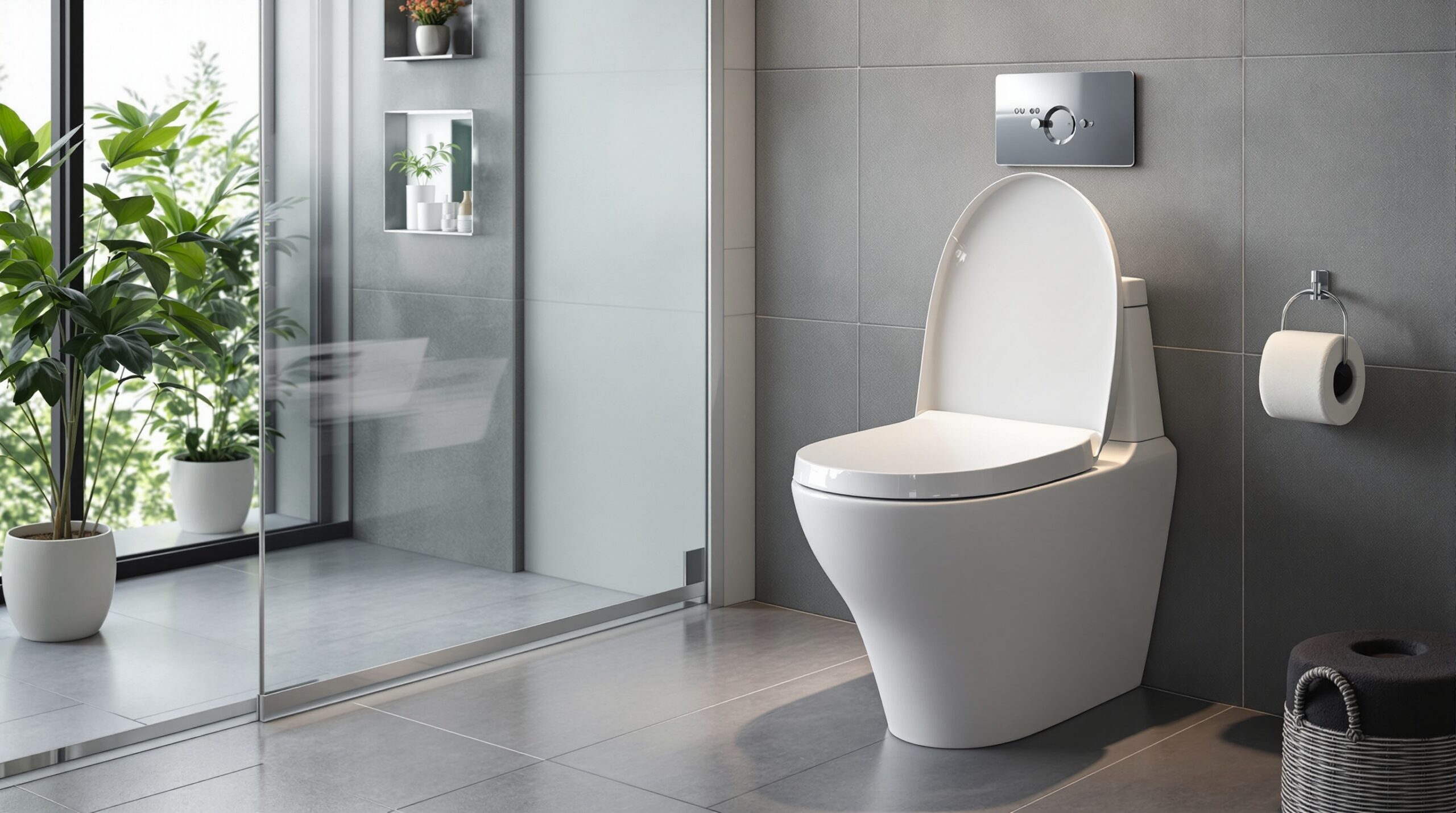
Protecting Our Planet One Drop at a Time
Have you ever thought about how much water we use every day? From the moment we wake up and brush our teeth to the time we wash the dishes after dinner, water plays an important role in our lives. But did you know that even small changes in our homes can make a big difference in conserving this precious resource? At a time when water conservation is more important than ever, Delaware homeowners have a unique opportunity to help protect the planet by making simple, yet effective plumbing upgrades.
Every Drop Counts
Imagine if every homeowner in Delaware decided to make just one water-saving improvement. Together, we could save millions of gallons of water each year! By opting for water-efficient plumbing, you’re not just making your home more eco-friendly; you’re also contributing to a healthier environment for all of us.
In this article, we will explore the top 10 water-saving plumbing upgrades that every Delaware home should consider. These upgrades are easy to implement and will help you be a part of the solution to global water scarcity. Let’s dive in and discover how simple changes can lead to significant savings in water usage, making our beautiful state an even better place to live!
Install Low-Flow Toilets: A Smart Upgrade for Every Home
When it comes to water conservation, toilets are often the unsung heroes—or, rather, the unsuspecting culprits. Traditional toilets can use an astonishing 3.5 to 7 gallons of water per flush, meaning that an average household can waste thousands of gallons of water each year just by flushing the toilet. Now, imagine if even half of those traditional toilets were replaced with low-flow models. Not only would this lead to significant reductions in water use, but it would also help homeowners save energy and reduce their carbon footprint.
Upgrading to low-flow toilets has become a game changer in residential plumbing. These modern fixtures are designed to use a mere 1.28 gallons of water per flush while ensuring that performance remains uncompromised. In fact, many of today’s low-flow models rival the flushing power of their older counterparts, effectively handling waste while promoting water efficiency.
But what exactly are the benefits of installing a low-flow toilet? Let’s take a closer look:
| Benefit | Details |
|---|---|
| Water Conservation | Reduces water consumption by up to 70% per flush compared to traditional toilets. |
| Environmental Impact | Less water usage leads to decreased wastewater generation and lower demand on local water supplies. |
| Performance | Advances in technology ensure low-flow toilets flush effectively, meeting or exceeding standard performance expectations. |
| Long-Term Investment | Installations may lead to reduced water bills over time, contributing to long-term savings for the homeowner. |
Engaging in this simple upgrade has wide-reaching benefits for our planet. By choosing low-flow toilets, homeowners not only contribute to a more sustainable future but also encourage others to follow suit. It’s a powerful statement about our collective responsibility to protect our valuable water resources.
So, the next time you’re considering a home improvement project, think about the impact that installing a low-flow toilet could have, not just for your household, but for the larger community, encouraging a ripple effect of water-saving strategies across Delaware. Together, as we continue to make these smart upgrades, we empower ourselves to be part of the change our environment desperately needs.
Opt for Water-Saving Showerheads: A Refreshing Change for Your Bathroom
Now that you’ve taken a significant step towards water conservation with low-flow toilets, let’s dive deeper into another essential area of your home: the shower. Showers are one of the most common household activities that can either waste or conserve water, depending on the fixtures in place. While many of us relish the invigorating experience of a long, steamy shower, it’s essential to recognize how traditional showerheads can contribute to water waste. In fact, a standard showerhead can use up to 2.5 gallons of water per minute. If you’re thinking about water efficiency, the solution lies in opting for water-saving showerheads.
These innovative fixtures regulate flow while still delivering that refreshing shower experience we all seek. Featuring advanced technology, modern water-saving showerheads can reduce water consumption without compromising pressure, allowing you to bask in a splendid cascade while making a meaningful impact. So, how exactly do water-saving showerheads contribute to both your everyday comfort and broader water conservation goals? Let’s explore their benefits:
| Benefit | Details |
|---|---|
| Water Efficiency | Water-saving showerheads can cut water usage by up to 40% or more, transforming an otherwise water-heavy ritual into an eco-friendlier experience. |
| Maintained Performance | Technological advancements ensure that even with reduced water flow, powerful sprays and optimal shower experiences are preserved. |
| Environmental Benefits | Reduced water use decreases overall wastewater production, helping to ease the burden on local water sources and treatment facilities. |
| Encouraging Mindful Usage | A switch to water-saving technology cultivates environmental consciousness, inspiring household members to be more aware of their water consumption habits. |
Integrating water-saving showerheads into your home isn’t just a stylish bathroom update, but a responsible choice that underscores your commitment to environmental stewardship. With each shower, the positive effects ripple through the community, illustrating how individual actions contribute to a collective push towards sustainability.
As you consider ways to modernize your bathroom while also prioritizing water conservation, think about the significant change that water-saving showerheads can bring. This small yet impactful upgrade serves as a reminder that each drop saved counts. By adopting water-saving fixtures, you lead by example, encouraging those around you to think critically about their own water usage and its broader implications. Together, we can all step towards a future where conservation becomes a part of our daily rituals, ensuring that we protect one of our planet’s most vital resources.
Integrate Dual-Flush Systems: A Dynamic Solution for Water Efficiency
Now that you’ve polished your shower routine with water-saving technology, let’s turn our attention to another pivotal player in the quest for water efficiency: the toilet. It’s a fixture commonly overlooked, yet essential in our daily lives. Traditional toilets can be notorious water guzzlers, using an excessive amount of water with each flush. Enter the dual-flush toilet system—an innovation that offers a remarkable way to cut down on water usage while seamlessly adjusting to your needs.
A dual-flush toilet operates on a simple, yet effective principle. With two flush options—one that uses a reduced volume of water for liquid waste and another that employs a larger volume for solid waste—homeowners can customize their flushes. This thoughtful design empowers users to choose a less wasteful option for when the situation permits. Imagine the shift in mindset: every time you walk into your bathroom, you’re presented with an opportunity to make a conscious decision about your water consumption.
But why stop at just the mechanics? Consider the broader impact of integrating dual-flush systems into your home:
| Impact | Details |
|---|---|
| Significant Water Savings | By allowing for tailored flush volumes, dual-flush toilets can reduce water usage by billions of gallons annually in communities that adopt this system. |
| Environmentally Friendly | This reduction in water consumption means less strain on local water resources, contributing to the preservation of wetlands, lakes, and rivers. |
| Community Awareness | Installing dual-flush toilets contributes to a culture of sustainability, inspiring neighbors and family members to re-evaluate their own water usage practices. |
| Long-Term Benefits | As a durable investment, dual-flush systems often require less frequent maintenance and can decrease overall plumbing issues related to excess water use. |
Incorporating a dual-flush toilet system into your bathroom is not merely an upgrade; it’s a commitment to a more sustainable lifestyle that champions responsible water use. Each press of the lever becomes an intentional act, a direct engagement with the pressing reality of water scarcity faced by many communities worldwide. It’s a reminder that your choices resonate beyond the confines of your home, making waves in the broader tapestry of conservation efforts.
As you embark on your journey to revitalize your bathroom with eco-friendly fixtures, consider the switch to a dual-flush system. It’s an easy yet powerful choice that reflects a proactive stance towards ensuring a more sustainable future. By embracing water-efficient toilets, you are not just enhancing your home; you are becoming a part of a global movement aiming to protect and preserve one of the planet’s most essential resources. Here’s to making every flush count and forging a path towards a greener tomorrow!
Upgrade to Efficient Faucet Aerators: The Unsung Heroes of Water Conservation
As we dive deeper into our mission of water conservation, let’s not overlook another critical component of our daily water usage: the humble faucet. It’s a fixture we often take for granted, yet it can be a significant player in our home’s overall water efficiency. Enter faucet aerators—simple devices that can transform the way we manage water usage in our kitchens and bathrooms.
Faucet aerators work by mixing air with flowing water, which not only conserves water but also maintains optimal water pressure. Swapping out older aerators can yield impressive results, often reducing water flow significantly without sacrificing performance. This means that every time you wash your hands, rinse vegetables, or fill a glass of water, you are doing so with consideration for water conservation.
Let’s explore some of the vital benefits of upgrading to efficient faucet aerators:
| Benefit | Description |
|---|---|
| Enhanced Water Efficiency | Installing low-flow aerators can reduce water usage by up to 50%, making a noticeable dent in annual water consumption. |
| Maintained Pressure | High-quality aerators create a strong, steady stream of water, providing the pressure you need without excess waste, ensuring you don’t compromise on performance. |
| Simple Installation | Upgrading to a new faucet aerator is a straightforward process that requires minimal tools and skills, offering an instant improvement in your water efficiency. |
| Affordability and Longevity | Efficient aerators typically last for years with little maintenance, making them a practical addition to any water-saving strategy. |
Embracing faucet aerators is more than just a matter of practicality; it’s about embracing a mindset geared towards sustainability. Each time you twist that faucet, you are actively participating in a broader movement towards responsible water management. In areas where water scarcity is becoming increasingly prevalent, every drop saved can contribute to balancing local ecosystems and conserving vital water resources.
Moreover, the aesthetic benefits cannot be ignored. By selecting modern, high-efficiency faucet aerators, you can enhance your kitchen or bathroom’s overall look while being kind to the environment. The combination of style and sustainability offers a compelling reason to make the switch, turning a traditional fixture into a modern solution.
Now that you are inspired to make the simple yet impactful change of upgrading your faucet aerators, we can further elevate your home’s water efficiency. Next on our journey through eco-friendly upgrades is embracing tankless water heaters: a smart choice that provides hot water on demand while minimizing waste, allowing you to step into the future of water management with confidence.
Embrace Tankless Water Heaters: A Leap Towards Sustainability
As the world becomes increasingly aware of the importance of sustainability, tankless water heaters have emerged as a beacon of innovation in water management. Unlike traditional systems that store a reserve of hot water, tankless water heaters deliver hot water on demand, ensuring that you only use what you need. This remarkable efficiency not only streamlines your hot water usage but also significantly reduces waste—an essential factor in our quest for a more sustainable lifestyle.
Imagine this: you’re in the middle of a refreshing shower when suddenly, the water turns cold. The culprit? A conventional water heater that has run out of stored hot water. With a tankless system, this scenario becomes a thing of the past. These heaters provide a continuous supply of hot water, meaning whether you’re showering, washing dishes, or doing laundry, you’ll never be left in the chill. This instant heating capability is particularly beneficial for larger families or households with busy schedules where hot water demands fluctuate throughout the day.
But the benefits of tankless water heaters extend beyond simply providing continuous hot water. By eliminating the need for a large tank that requires constant heating, you not only save space but also reduce energy consumption. Traditional water heaters function by heating a large volume of water, which cools over time and requires reheating. Tankless systems heat water only as it flows through the unit, making them far more energy-efficient in the long run. This innovative approach minimizes energy waste, allowing you to maintain a green home without sacrificing comfort.
Let’s break down some standout advantages of making the switch to a tankless water heater:
- On-Demand Hot Water: Enjoy the convenience of hot water whenever you want it, without the worry of running out.
- Space-Saving Design: Their compact size means they can be mounted on walls or tucked into tight spaces, freeing up valuable real estate in your home.
- Longevity: Tankless systems generally have a longer lifespan than traditional water heaters, offering you an efficient option that lasts.
- Eco-Friendly Choice: By reducing energy use and minimizing waste, you’re not just benefiting your home but also contributing to a more sustainable planet.
In today’s world, making environmentally conscious choices is more important than ever. By investing in tankless water heaters, Delaware homeowners can significantly curtail unnecessary water waste while also enjoying the personal rewards of reduced energy usage. This means lower utility bills and potentially increased property value due to modern, efficient systems.
So here’s the call to action: as we all strive to adapt our homes to be more environmentally friendly, embracing tankless water heaters is a wise move towards sustainable living. By considering these strategic plumbing upgrades, you’re not only enhancing your family’s comfort but also helping to foster a more resource-conscious world. With every hot shower and every dish washed, you’re taking definitive steps toward a sustainable future.
As Delaware homeowners embark on their journey towards sustainability with tankless water heaters, it’s crucial to address some frequently asked questions about maintenance, water usage, and brand considerations tailored to the local climate. Understanding these aspects will empower homeowners to maximize the benefits of their new systems and contribute to both personal and environmental goals.
What measures can I take to maintain these fixtures?
Maintaining your tankless water heater is relatively straightforward, but a few proactive steps can ensure optimal performance and longevity. First, it’s important to flush the system regularly—ideally every six months—to remove mineral buildup, particularly in areas with hard water. This process can significantly enhance the heater’s efficiency and lifespan. Additionally, keep the air intake vent free from debris and ensure proper airflow to prevent overheating. Regularly checking the temperature settings is also beneficial; maintaining it around 120°F is generally sufficient for most households, balancing comfort with energy efficiency. Lastly, consider scheduling an annual professional maintenance check to catch any potential issues early on and keep your unit in prime condition.
How do the upgrades impact overall water usage?
Switching to a tankless system can have a profound impact on overall water usage. By providing hot water on demand, these units can help reduce the total volume of water wasted while waiting for it to heat up in traditional units. This means less water going down the drain during those moments of inconvenience and delays. Furthermore, because tankless heaters can support multiple outlets simultaneously, families and individuals are less likely to run into situations where they have to wait for hot water, thus promoting more efficient usage patterns. In practical terms, you might see a noticeable reduction in both your water and energy consumption, translating into a more sustainable lifestyle.
Are there specific brands or types recommended for Delaware’s climate?
When selecting a tankless water heater for Delaware’s climate, several reputable brands stand out due to their performance and reliability. Look for units equipped with good insulation and robust heating elements that can handle varying temperature demands throughout the year. Brands like Rinnai and Takagi are often recommended for their durability and efficiency, ensuring they operate seamlessly even as temperatures fluctuate. Moreover, choosing a model that has been designed for area-specific conditions will further enhance its performance and energy efficiency, making it a valuable addition to your sustainable home. Always consult local experts to find options that best fit your unique household needs and environmental concerns.
By addressing these questions, Delaware homeowners can feel more confident in their investment in tankless water heaters. These fixtures not only provide the convenience and efficiency needed in the modern home but also promote sustainable practices that benefit both an individual’s household and the community at large. The act of embracing these upgrades marks a significant step toward nurturing our planet while enjoying the personal rewards they bring.
“`
Upgrade Your Fixtures: A Small Change with Big Impact
While tankless water heaters set the stage for efficient hot water use, the journey toward a more sustainable home doesn’t stop there. Another realm where Delaware homeowners can make a profound difference is through upgrading plumbing fixtures. The bathroom and kitchen are often the biggest culprits when it comes to water wastage, thanks to outdated faucets, showerheads, and toilets. By swapping out these old fixtures for water-efficient alternatives, you can further curtail your water consumption, paving the way for a greener lifestyle.
Consider the simple yet effective low-flow faucets and showerheads. These powerful upgrades maintain the pressure you love while significantly reducing the volume of water used. Imagine stepping into your shower and enjoying the same refreshing experience—all while using up to 40% less water. Not only does this contribute to a sustainable future, but it also delivers tangible benefits for your household, as you’ll notice the positive impact on your water usage trends.
Toilets are another avenue for enhanced water conservation. The modern low-flow toilet is designed to perform efficiently, using as little as 1.28 gallons per flush, compared to the outdated models that often waste more than double that amount. This means that with each flush, you are making a conscious choice to protect one of our planet’s most precious resources. The transition is seamless, and the long-term benefits are clear: reduced water usage translates into considerable savings on your bills over time.
But these upgrades don’t just save money—they also elevate your home’s value. With an increasing number of buyers seeking properties equipped with modern, environmentally friendly features, investing in water-efficient fixtures can make your home more appealing in the marketplace. In this ever-competitive real estate landscape, these upgrades stand out, not only for their eco-consciousness but for their practical advantages that enhance daily living.
As you consider these upgrades, think about the ripple effect your choices can create. Each drop saved contributes to a larger movement advocating for water conservation and sustainability. By embracing these water-saving measures, you aren’t merely addressing your home’s efficiency; you’re taking part in a collective effort to nurture our environment. Witnessing the positive changes in your household not only brings a sense of fulfillment but encourages neighbors and friends to follow suit.
In summary, by making strategic plumbing upgrades such as tankless water heaters and water-efficient fixtures, Delaware homeowners can become beacons of sustainability. The impact of these choices reverberates far beyond individual homes, encouraging community-wide adoption and a shift toward a more resource-conserving world. Join this movement—every small upgrade is a step toward a brighter, more sustainable future for generations to come.
“`