
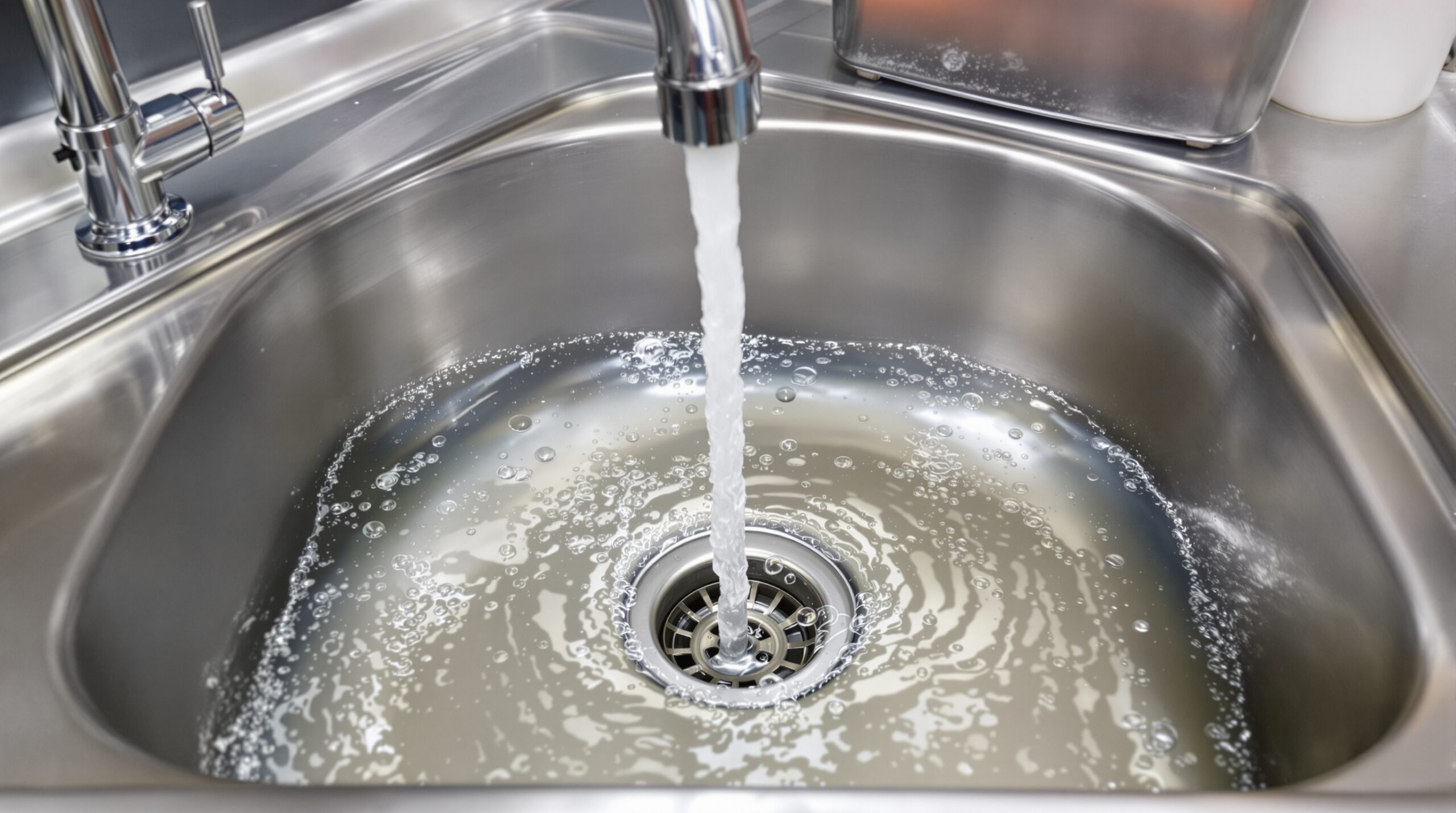
Keep Your Business Flowing Smoothly
In the bustling business landscape of Delaware, reliable plumbing is the unsung hero of daily operations. Imagine walking into your office one morning, coffee in hand, ready to tackle the day ahead. But suddenly, the sound of rushing water breaks your focus—your bathroom is flooding, and chaos ensues!
Why Plumbing Issues Matter
As a business owner, preventing costly disruptions is paramount. A plumbing problem can bring your entire workflow to a screeching halt. Whether it’s a leaky faucet, a stubborn clog, or a malfunctioning toilet, these issues can create a ripple effect that leads to lost productivity and frustrated employees.
But don’t worry! You don’t have to let plumbing problems take you by surprise. By understanding the common plumbing issues that can threaten your business’s efficiency and investing in proactive maintenance, you can keep your operations running smoothly. Here, we delve into the top plumbing headaches every Delaware business owner should know about and how to defend against them!
Clogged Drains – The Slowdown Culprit
In the world of business, every moment counts. Picture this: a busy workday, projects are being pushed forward, and your team is humming along, but suddenly, the sound of gurgling sinks fills the air. A clogged drain has brought productivity to a standstill. Clogged drains can prove to be more than just a minor inconvenience; they can halt entire operations. That’s why understanding the underlying causes of clogs and their impact is essential for every Delaware business owner.
The accumulation of debris, grease, and foreign materials is often to blame for blocked drains. Over time, seemingly harmless substances can build up, narrowing the passageway within pipes and eventually leading to complete obstructions. From food residue in breakroom sinks to hair and soap scum in bathroom drains, everyday activities contribute to this smothering buildup. Without regular maintenance and proper care, minor clogs can escalate into significant plumbing disasters.
Regular drainage inspections and cleanings are integral components of a robust business plumbing maintenance plan. Scheduled evaluations allow professionals to identify potential clogging threats before they become problematic. Here’s a quick overview of why you shouldn’t dismiss clogged drains:
| Impact of Clogged Drains | Consequence |
|---|---|
| Reduced Flow Rates | Water moves slower through the pipes, causing inefficiencies in operations. |
| Unpleasant Odors | Decomposing debris can create foul smells, leading to an uncomfortable work environment. |
| Pest Attraction | Standing water from clogs can attract pests, bringing additional health risks. |
| Emergency Repairs | Neglecting minor clogs may lead to serious plumbing emergencies, requiring immediate intervention. |
So how can you protect your business from the lurking threat of clogs? Start by establishing a maintenance schedule with trusted plumbing professionals who can provide regular inspections and drain cleanings tailored to your needs. Educating your team about proper disposal practices is equally important; when they know what should and shouldn’t go down the drain, the risk of clogs can be significantly reduced.
By staying proactive in addressing potential drainage issues, you can ensure that your business remains dynamic and efficient. Remember, a flowing pipeline is not just about moving water; it’s about maintaining momentum in your operations!
Leaky Faucets and Pipes – Silent Water Wasters
While you might be focused on ensuring seamless operations and maximizing productivity, there’s a hidden enemy lurking in the corners of your facility: leaky faucets and pipes. Often dismissed as minor annoyances, these silent water wasters can have a detrimental impact on your business’s efficiency and resource management. Imagine the potential water loss caused by a single leaky faucet dribbling away precious resources day after day. Over time, these small, seemingly insignificant leaks can accumulate to create a monumental problem.
Just like clogged drains, leaky faucets and pipes are an aspect of plumbing that requires consistent attention. A drop here and a drip there can lead to significant water waste; statistics suggest that a faucet dripping just once every second can waste over 3,000 gallons of water in a year. When it comes to managing a business, that’s not just a statistic—it’s a wakeup call. This water loss is not only environmentally unfriendly, but it can also lead to higher utility bills and potential plumbing problems as moisture infiltrates and damages surrounding structures.
The impact of neglected leaks extends beyond mere waste; it can also affect your work environment. Excess moisture can compromise air quality, create the perfect breeding ground for mold, and lead to unpleasant odors, all of which contribute to a less than ideal workplace atmosphere. In industries that rely heavily on hygiene and cleanliness, like food service or healthcare, the ramifications of leaky plumbing can be particularly alarming.
To combat these silent threats, regular inspections of your plumbing system should be a priority. Trained professionals can identify leaks early on and address them before they escalate into larger issues. Instituting a routine check-up for your faucets and pipes is an efficient strategy that can save both water and hassle. Here’s a brief overview of the potential consequences of ignoring leaks:
| Impact of Leaks | Consequence |
|---|---|
| Inefficient Resource Management | Wasted water resources lead to suboptimal operational efficiency. |
| Increased Maintenance Issues | Leaking pipes can result in structural damage and expensive repairs in the long run. |
| Compromised Hygienic Standards | Moist environments promote harmful bacteria and mold growth, threatening sanitary conditions. |
| Disrupted Workflow | Water damage can lead to interruptions in daily operations, minimizing productivity. |
To ensure the integrity of your plumbing system, it’s crucial to adopt a proactive stance. Schedule regular inspections and educate your team about the importance of reporting even the slightest leaks as soon as they occur. With a commitment to vigilance, your business can prevent the silent waste of water and maintain a functional, efficient workspace. Remember, when it comes to leaky faucets and pipes, it’s not just about water; it’s about safeguarding the foundation of your operations!
Low Water Pressure – The Productivity Plunge
Picture this: the coffee maker in your bustling café, poised and ready to pump out that much-needed caffeine, suddenly sputters to a halt because of low water pressure. Or envision a jam-packed restaurant where waitstaff struggle to rinse off dishes quickly—a cascading effect that slows down service and frustrates customers. In the world of hospitality and food service, low water pressure isn’t just a plumbing issue; it’s a significant threat to productivity and customer satisfaction.
Low water pressure can throw a wrench into the gears of routine operations, especially in industries where cleanliness and efficiency are paramount. Insufficient water flow hampers essential functions like cleaning dishes and sanitizing surfaces, leading to backlogs that can put a dent in service delivery. If pressure drops too low, even the simplest tasks become mountainous hurdles. The constant struggle to manage these obstacles not only affects workflow but can muddy the overall guest experience, resulting in dissatisfied customers and lost repeat business—something no establishment can afford.
Moreover, chronic low water pressure can signal deeper plumbing issues that may go unnoticed until they trigger more extensive problems. It’s a situation that often leads to frustration and, worse, keeps you playing catch-up rather than focusing on what you do best: providing remarkable service. Regular testing of water pressure systems should, therefore, be embedded in your commercial plumbing strategy. Just like maintenance checks on equipment and appliances, a proactive approach to plumbing can nip potential disasters in the bud.
This approach involves implementing a structured routine for checking water pressure across various fixtures—sinks, toilets, dishwashing areas, and more. Ensuring adequate pressure guarantees that cleaning protocols are effective and timely, thus upholding the highest hygiene standards. This becomes even more critical as health regulations continue to tighten across the food and hospitality sectors.
Failing to address low water pressure in a timely manner invites risks that can ripple through your entire operation. Here’s how neglecting this critical issue can affect your business:
| Impact of Low Water Pressure | Consequence |
|---|---|
| Compromised Sanitation Standards | Inadequate cleaning capabilities can lead to unsanitary conditions, posing health risks. |
| Delayed Workflow | Extended cleaning times disrupt service flow, leading to longer wait times for customers. |
| Decreased Customer Satisfaction | Slow service and compromised hygiene can tarnish your reputation and client loyalty. |
| Increased Repair Needs | Underlying plumbing problems can worsen, leading to costly emergency repairs and downtime. |
To bolster the performance of your plumbing system, make proactive plumbing maintenance a priority. Collaborate with professionals who can regularly assess pressures at various points in your system, ensuring optimal operation. Empathize with staff on the importance of alerting management to any signs of low pressure immediately, creating a culture of shared responsibility and awareness. After all, in an environment where the flow of water reflects your commitment to service, nothing less than optimal performance will suffice. Addressing low water pressure is an investment in the very lifeblood of your operations—allowing your business to thrive amid ever-increasing demands.
Sewer System Backups – Health and Safety Red Flags
A sewage backup is not merely an inconvenience; it’s a looming threat that can spell disaster for any business. The repercussions of such an event extend way beyond unpleasant odors wafting through your workspace. Imagine the horror of discovering that the very foundation of your operations—your plumbing—is compromised. A sewer backup not only taints your environment but also poses serious health risks to your employees and patrons alike.
When sewer systems back up, contaminants infiltrate the area, creating fertile ground for bacteria, viruses, and other pathogens that can jeopardize public health. With each passing moment, the ticking clock becomes the epitome of urgency. Standing sewage can breed mold, creating a hazardous atmosphere that, if left unaddressed, may lead to severe respiratory issues, skin irritations, and gastrointestinal problems. The threat doesn’t end there; a reputation marred by sanitation failures can lead to loss of clientele—a fate no savvy business owner can afford.
Moreover, there are legal liabilities to consider. Should an employee or customer fall ill due to a sewage-related incident on your property, the repercussions could damage your brand irreparably and open the door to costly litigation. This risk extends to the environmental impact of raw sewage entering the public domain, resulting in hefty penalties and fines. Thus, a proactive approach to maintaining sewer systems is non-negotiable for long-term stability.
Investing in regular sewer inspections can serve as an essential line of defense against unforeseen backups. Conducting thorough evaluations allows you to identify potential vulnerabilities in your sewer infrastructure before they morph into catastrophic events. By understanding the health and safety risks attached to sewer issues, the importance of routine maintenance becomes all the more evident. Here are some critical considerations for safeguarding your sewer system:
| Health & Safety Risks | Consequences |
|---|---|
| Exposure to Contaminants | Increases the risk of illnesses and leads to potential legal actions. |
| Environmental Contamination | Pollutes local waterways, resulting in fines and damaging reputation. |
| Potential for Property Damage | Can lead to expensive cleanup and restoration efforts. |
| Loss of Customer Trust | Unsanitary conditions are a fast track to losing valuable clientele. |
Emphasizing a culture of prevention, you should prioritize routine sewer checks as part of your overall plumbing maintenance strategy. Engage qualified plumbing professionals who can assess, repair, and maintain your sewer lines, locking in peace of mind. Don’t leave your business vulnerable; ensuring a sanitary and safe environment demonstrates an unwavering commitment to the health and safety of all who enter your establishment. After all, a functional sewer system is not just a utility—it’s a fundamental pillar supporting the integrity and reputation of your business.
Malfunctioning Water Heaters – The Comfort Disrupter
As essential as a solid foundation is to a building, a properly functioning water heater holds the same weight in the realm of commercial operations. A malfunctioning water heater can swiftly turn comfort into chaos. Picture the scene: employees in the healthcare sector unable to wash their hands in properly heated water, or hotel guests enduring cold showers. Such temperature fluctuations not only disrupt daily routines but also jeopardize the hygiene standards that are pivotal to your establishment’s credibility and compliance with regulations.
In commercial settings like hospitals, restaurants, and hotels, hot water is not just a luxury—it’s an absolute necessity. In the healthcare sector, where sterile environments are vital, the lack of reliable hot water can compromise sanitation protocols, placing patient safety at risk. Similarly, in the hospitality industry, the comfort of guests hinges largely on the availability of hot water for showers, laundry, and cleaning services. When guests experience erratic water temperatures, the potential for negative online reviews skyrockets, and your reputation may take a hit that’s hard to recover from.
Routine maintenance of water heaters emerges as a non-negotiable practice that can save your business from significant operational disruptions. Just as one wouldn’t overlook the changing of a furnace filter or the inspection of a roof, monitoring the health of your water heater is of equal importance. Regular inspections can help detect issues such as sediment buildup, corroded components, or leaks before they spiral into complete system failures. Implementing a proactive maintenance schedule facilitates not only optimal performance but also extends the life of the equipment—ensuring that your hot water supply remains consistent and reliable.
A preventative approach encompasses more than just the mechanical aspects. It’s about weaving a culture of vigilance into your operations. Empower staff to recognize early warning signs such as unusual noises, inconsistent heating, or water discoloration. By fostering open communication between your plumbing team and the rest of your staff, you create an environment where concerns can be promptly addressed before they escalate into crises.
The impact of neglecting your water heater can echo through your entire organization. It affects employee morale when they are left to grapple with inadequate facilities, and it portrays a lack of professionalism that can be noticed by clients and attendees. With every uncomfortable experience, the risk of long-term damage to your business’s reputation increases. Therefore, treating the water heater not merely as a utility but as a cornerstone of your operational infrastructure warrants immediate attention.
When engaging with a commercial plumbing partner for maintenance, be sure to prioritize a service that values transparency and detail. Look for a team that goes beyond the basic tune-up, offering thermal inspections and comprehensive system evaluations that ensure your water heating solutions are running at peak efficiency. This professional insight allows for an informed strategy to address potential challenges way before they impact your operations.
As you forge ahead in maintaining robust business operations in Delaware, remember that oversight in plumbing systems like water heaters can be a significant comfort disrupter. By investing time and resources into understanding these critical elements of your infrastructure, you not only safeguard against inefficiencies but also uphold your standards of professionalism and care. Secure the operational integrity of your business by prioritizing the health of your plumbing systems; after all, a comfortably functioning water heater is a fundamental key to seamless operations.
Unveiling the Early Signs of Plumbing Issues
Maintaining robust business operations in Delaware requires not only vigilance but also a proactive approach to every facet of your infrastructure—including your plumbing systems. The importance of recognizing early signs of plumbing problems cannot be overstated, as it can save your business from costly repairs and operational disruptions. Knowing what to look for is key to addressing issues before they escalate into full-blown crises.
One of the first indicators that something is amiss often manifests in slow drainage. If sinks, toilets, or floor drains take significantly longer than usual to empty, this could signal a blockage somewhere in your plumbing system. Think of it as the plumbing equivalent of a headache—an early warning that should prompt further investigation. If neglected, slow drainage can lead to more severe clogs and potential overflow issues, wreaking havoc on your operations.
Another red flag to watch for is the presence of unusual noises. Plumbing systems are designed to work quietly, so if you start to hear gurgling, banging, or hissing sounds, it’s time to listen closely. These noises can indicate air trapped in pipes or even issues with water pressure—both of which can lead to more significant concerns like pipe bursts or leaks. Encouraging staff to report such sounds can create a culture of awareness that proves beneficial in the long run.
Additionally, keep an eye on your water bills. An unexpected surge in your monthly bill can be a telling sign of leaks somewhere in your plumbing system. Sometimes, water is escaping unnoticed behind walls or under floors; other times, it may be a sign of a malfunctioning fixture. Conducting regular reviews of your bills not only helps you monitor usage but can also flag potential issues before they escalate.
Recognizing these early signs is just one piece of the puzzle. Regular plumbing maintenance is equally crucial in ensuring that your operations continue to run smoothly. Ideally, businesses should aim for quarterly inspections, allowing skilled professionals to assess your plumbing systems comprehensively. This proactive approach establishes a firm foundation for addressing potential issues before they disrupt your day-to-day operations.
While some might wonder if they can handle minor plumbing concerns in-house, it’s essential to weigh the consequences. Yes, certain simple issues, such as unclogging a toilet or replacing a faucet washer, can often be tackled with basic tools and a bit of knowledge. However, partnering with professional plumbing services ensures a thoroughness and level of expertise that guarantees efficiency and effectiveness. Professionals are trained to identify underlying issues that an untrained eye may miss, saving you time and potential headaches down the line.
Fostering a proactive mindset regarding plumbing maintenance not only keeps your operations flowing smoothly but also instills a sense of responsibility within your team. By empowering employees to spot early warning signs and prioritize regular inspections, you position your business to address plumbing challenges swiftly and efficiently. Maintain vigilance, communicate with your plumbing team, and ensure that your infrastructure remains resilient against the inevitable wear and tear of commercial use. After all, seamless operations are the lifeblood of your business, and every drop counts.
Pipelines – The Lifelines of Your Business
Within the intricate web of any business infrastructure, pipelines serve as the unsung heroes, tirelessly transporting water from point A to point B. However, unnoticed glitches can disrupt this lifeline, leading to inefficiencies that ripple through your entire operation. Imagine a scenario where murky water seeps through the walls of your commercial space, compromising not just the quality of what you deliver but also the safety of your employees and customers. Understanding the health of your plumbing pipelines is crucial in ensuring your business runs without a hitch.
Regular inspections of your pipelines can uncover a myriad of potential issues, including corrosion, root intrusion, and leaks that may remain hidden until they manifest as more serious problems. Doing so not only acts as a preventive measure but also reflects your commitment to maintaining a quality environment for both employees and clientele. Since every drop counts in any business, taking a proactive stance on your pipeline health is not just wise—it’s essential.
The role of routine maintenance cannot be overstated. Partnering with a commercial plumbing expert allows you to implement a tailored strategy that monitors the integrity of your pipelines. These experts are equipped to use advanced diagnostic tools, enabling them to detect vulnerabilities that may otherwise go unnoticed. Think of this as an insurance policy against unexpected interruptions to your operations; the clearer your lines run, the more smoothly your business performs.
Moreover, fostering a culture of well-informed employees who understand the significance of maintaining pipeline integrity can elevate your operational efficiency. Encourage your team to report unusual signs—such as changes in water pressure or unexplained wet spots. By instilling this vigilance, you’re not only mitigating risks but also empowering your staff to be active participants in ensuring a seamless workflow. A well-informed workforce can contribute to a proactive maintenance culture that values communication and collaboration.
Neglect of pipeline issues can have cascading effects that impact multiple facets of your business. Water damage may lead to expensive repairs in your property, while low water pressure can stunt operations in restaurants, hotels, or manufacturing facilities where water is central to service. Additionally, an underperforming plumbing system can lead to health and safety concerns that affect your standing in the community, making it imperative to prioritize the monitoring of your pipelines.
When selecting a commercial plumbing partner, opt for an expert that emphasizes a holistic approach to pipeline health. They should provide comprehensive assessments that go beyond surface-level inspections, offering insights that can help you better manage your plumbing systems over the long term. This way, you’re not merely reacting to problems; you’re well-equipped to foresee and address them before they escalate into costly and disruptive issues.
As you focus on maintaining robust business operations in Delaware, a vigilant approach to your plumbing systems—including the essential pipelines—cannot be overstated. Their seamless function is integral to ensuring that every facet of your business operates with fluidity and professionalism. By nurturing the health of your infrastructure today, you’re laying the groundwork for a resilient and thriving enterprise tomorrow. The path to sustained operational success starts with recognizing the importance of each segment of your plumbing system. Engage with a trusted commercial plumbing expert to turn vigilance into your business’s greatest asset.