
Essential Plumbing Maintenance Insights for Odessa Homeowners
As a homeowner in Odessa, DE, you know that plumbing problems can strike when you least expect them. From leaky faucets to clogged drains, these issues can disrupt your day and lead to bigger headaches if not handled promptly. Fortunately, the good news is that most plumbing problems can be avoided altogether with some easy and effective maintenance tips!
Why Plumbing Maintenance is Important
Imagine waking up to the sound of running water or discovering a puddle on your kitchen floor. Not only do these situations create chaos, but they can also lead to more significant damage if left unchecked. By staying proactive with your plumbing, you can save yourself from unwanted stress and keep your home running smoothly.
In this article, we’ll cover essential tips and tricks that every Odessa homeowner should know about. With just a little bit of time and effort, you can ensure that your plumbing system remains in top shape. Say goodbye to those emergency calls to the plumber and hello to a worry-free home!
Let’s dive in and explore the smart ways to maintain your plumbing system so you can enjoy your home to the fullest!
Understanding Your Home’s Plumbing System
To maintain your plumbing effectively, understanding the layout and function of your home’s plumbing is crucial. Think of your plumbing system as the lifeblood of your home; it’s responsible for delivering clean water where you need it and removing waste efficiently. By familiarizing yourself with these essential components, you can more readily identify potential issues and prevent minor inconveniences from snowballing into major repairs.
The Basics of Your Plumbing Layout
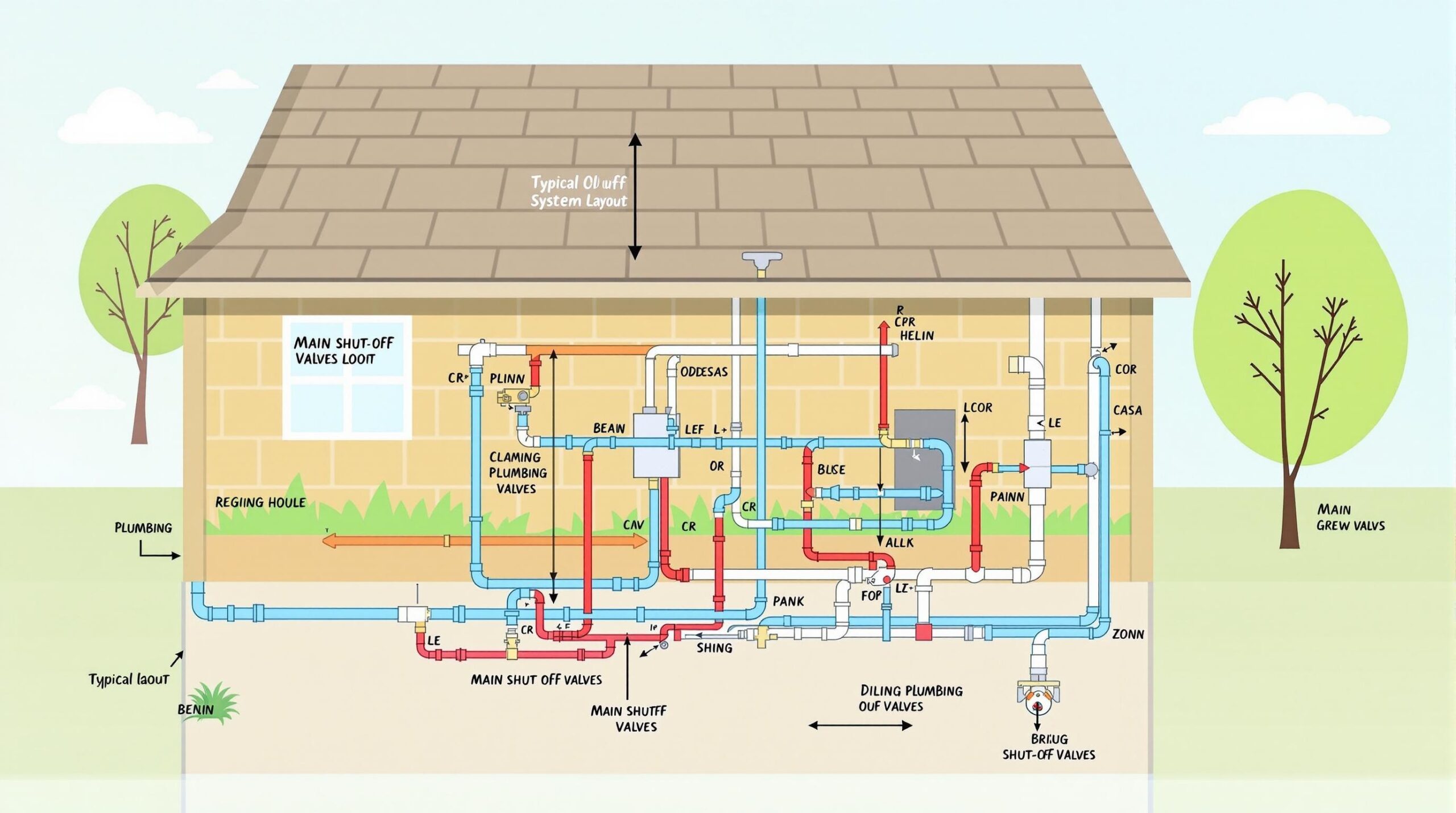
Start by taking a moment to map out your home’s plumbing system. At the heart of this system is the main water supply line, which delivers fresh, pressurized water from the municipal source into your home. From there, this water travels through a network of pipes that branch out to your kitchen, bathrooms, and utility areas. Each of these branches plays a critical role in ensuring that water reaches its destination seamlessly.
An essential first step in understanding your plumbing is locating the main water shut-off valve. This valve is typically found near the perimeter of your home, often in the basement or utility room, and it can be a lifesaver in the event of a plumbing emergency. By knowing how to quickly access and operate this valve, you can stop water flow and minimize damage should a leak or burst occur.
Key Components to Know
Aside from the main water shut-off valve, there are several other components within your plumbing system worth familiarizing yourself with:
| Component | Description |
|---|---|
| Main Water Supply Line | The pipe that brings water into your home from the municipal supply. |
| Fixtures | These include sinks, toilets, showers, and any other water-using installations. |
| Drainage System | The network of pipes that carries waste water away from your home and into the municipal sewage system or a septic tank. |
| Vent Pipes | They help maintain air pressure within the drainage system and allow sewer gases to escape safely. |
| Trap | Plumbing traps, located under sinks or near toilets, prevent sewer gases from entering your home. |
Understanding these components helps you appreciate how interconnected your plumbing system really is. For instance, if you notice a slow drain in your kitchen, it might be a sign that your drainage system is blocked, possibly requiring a closer inspection of the trap or main drainage line.
The Importance of Regular Checks
Like any other system in your home, your plumbing requires periodic checks to ensure everything works as intended. This proactive approach not only extends the life of your plumbing components but also enhances the overall comfort and livability of your home. From tackling minor leaks before they escalate to recognizing when your pipes need a professional cleansing, regular monitoring is key.
In summary, by understanding the inner workings of your home’s plumbing system, you’re empowering yourself as a homeowner. This knowledge not only saves you from surprises but also builds your confidence in handling minor issues as they arise. In the following section, we will delve into routine maintenance tips that will keep your plumbing hassle-free, allowing you to enjoy the peace of mind that comes with a well-functioning system.
Routine Maintenance Tips for a Hassle-Free Plumbing System
To keep your plumbing system running smoothly, incorporating a set of regular maintenance tasks into your routine can go a long way in preventing unwanted hassles. Just as you would perform daily stretches to maintain your physical health, your plumbing system benefits from routine upkeep that ensures optimal function. This section will dive into daily, weekly, and monthly maintenance tasks that can help you enjoy seamless water flow throughout your home.
Daily Maintenance Tasks
Consider dedicating a few minutes each day to check in on your plumbing. These small practices can yield significant long-term benefits:
- Check for leaks: Take a quick look around your sinks, toilets, and exposed pipes to catch any leaks early. Dark spots, puddles, or dampness are telltale signs that something might be amiss.
- Inspect faucet aerators: If you notice a decrease in water flow from your faucets, unscrew the aerator and give it a clean. Mineral deposits can build up over time, affecting performance, especially in areas with hard water.
- Run the garbage disposal: If you have one, give it a quick run to keep it functioning smoothly and free from odors. Follow up with some cold water and a handful of ice cubes to sharpen the blades.
Weekly Maintenance Tasks
Weekly checks allow you to build on those daily routines and keep your plumbing system in check:
- Flush your drains: To maintain clear and flowing drains, pour a mixture of baking soda and vinegar down each drain. Let it bubble for about 30 minutes before flushing with hot water. This remedy helps to break up any grime that may be starting to accumulate.
- Test your toilet: Check for any signs of leaking by placing a few drops of food coloring in the tank. If the color seeps into the bowl without flushing, you likely need to replace the flapper valve.
- Clean faucet fixtures: Use a mixture of equal parts vinegar and water to clean external surfaces. This will help reduce mineral buildup, especially important in areas with hard water.
Monthly Maintenance Tasks
These monthly tasks may require a bit more time and attention but can significantly enhance the longevity of your plumbing:
- Inspect your water heater: Check for any leaks around the heater and ensure the temperature setting is appropriate—120°F is often recommended for optimal safety and efficiency.
- Examine main supply lines: Look for any signs of corrosion, leaks, or damage along these lines. Addressing problems early can prevent larger, more costly issues later on.
- Check outdoor plumbing: If you have outdoor faucets or hoses, ensure they’re properly drained and stored to avoid freeze damage in the colder months.
- Public water quality check: Keep an eye on your local water report. If you notice changes, it might be time to consider installing water filtration systems or softeners to maintain your fixtures’ longevity.
By incorporating these daily, weekly, and monthly tasks into your routine, you not only mitigate the risk of plumbing problems but also extend the life of your plumbing components. Ultimately, a proactive approach will allow you to relish the comfort and convenience that a well-maintained plumbing system provides, leaving you free to focus on the more enjoyable aspects of home ownership.
DIY Tips Specific to Odessa, DE
Living in Odessa, DE, presents its own unique set of challenges, especially when it comes to maintaining the plumbing system. With the local water quality often pushing the limits in terms of hardness, mineral buildup can wreak havoc on your fixtures over time. But don’t worry—armed with some insightful DIY strategies, you can combat these effects effectively, ensuring that your plumbing not only functions optimally but also enjoys a longer lifespan.
Invest in Water Softeners
One of the most impactful steps you can take to enhance your plumbing is investing in a water softener. Odessa’s water tends to be hard, rich in minerals like calcium and magnesium, which can lead to limescale accumulation in your pipes and fixtures. A water softener works to replace these hard minerals with sodium or potassium, significantly reducing the mineral content in your water. Over time, this will help maintain your plumbing fixtures and appliances, protecting them from corrosion and buildup, and ultimately extending their life while enhancing your daily water use experience.
Regularly Flush Your Fixtures
In addition to softer water, regular flushing of your plumbing fixtures can help prevent mineral deposits from forming. Simply running hot water through your faucets for a few minutes can dislodge any minor buildups of limescale. For an even cleaner finish, infuse some vinegar into this routine. Vinegar’s acidic nature is a powerful ally against mineral deposits. Fill a plastic bag with vinegar, attach it to your faucet’s neck, ensuring the spout is submerged. Leave it for a few hours or even overnight; the result will be a far cleaner and more functional faucet. This simple maintenance routine, while particularly beneficial in hard water areas like Odessa, can quickly become a refreshing habit.
Incorporate a Descaling Routine
Every couple of months, it’s a good idea to undertake a descaling routine. You can mix a solution of equal parts vinegar and water and run it through the dishwasher and washing machine—appliances that’re also vulnerable to hard water damage. Furthermore, showerheads can easily become clogged with mineral deposits. Unscrew them and soak in the vinegar solution for a few hours, then scrub with an old toothbrush before rinsing. You’ll not only restore water flow but also enjoy a cleaner and more effective performance from your fixtures.
Stay Informed About Local Water Conditions
Odessa’s water quality can fluctuate due to seasonal changes or municipal updates, so staying informed about your local water quality reports is vital. Frequently checking these resources will help you identify any changes in water hardness or contamination levels. If troubling shifts occur—say a sudden spike in hardness—consider installing a more advanced filtration system. Activate your DIY spirit by researching local filtration options that suit your specific needs; from carbon filters to reverse osmosis systems designed for greater purification, you have multiple avenues to ensure the water you use in your home is clean and healthy.
Be Proactive with Plumbing Supplies
Finally, ensuring that you have an adequate supply of key plumbing maintenance tools can help you address minor issues before they become major problems. Keep a toolbox stocked with essential items like pliers, plumbing tape, a snake, and a quality wrench, and be prepared to tackle slow drains or minor leaks as they occur. Quick fixes often make all the difference, and the ability to act promptly will preserve the integrity of your plumbing system.
By implementing these DIY strategies tailored to the specific water conditions in Odessa, DE, you can fine-tune your plumbing maintenance routine, ensuring longevity and optimal performance of your fixtures. Not only does a proactive approach empower you to handle common challenges effectively, but it also contributes to an overall healthier home environment—allowing you to enjoy the comforts of your residence to the fullest.
Simple Solutions for Common Plumbing Problems
Understanding your home’s plumbing system can empower you to tackle common issues without breaking a sweat. Whether you’re facing a running toilet, struggling with low water pressure, or dealing with a slow-draining sink, effective solutions exist that you can implement yourself. Below, we outline practical fixes to frequently encountered plumbing problems, equipping every homeowner with the knowledge and tools to manage their plumbing effectively.
Running Toilets: The Silent Water Waster
Nothing is as frustrating as the persistent sound of a running toilet, not to mention its potential impact on your water bill. More often than not, the culprit is a faulty flapper valve. To resolve this issue:
- Start by removing the tank lid and checking the flapper for wear and tear.
- If it appears warped or damaged, replace it with a new valve available at your local hardware store.
- Adjust the float arm if necessary to ensure it’s set at the correct height, allowing the toilet to fill properly without overflowing.
Low Water Pressure: Revive Your Faucets
Low water pressure can be a baffling problem that affects your showers and faucets alike. Fortunately, there are a few methods to troubleshoot and restore normal flow:
- First, inspect the aerator screens on your faucets. Mineral buildup can significantly reduce water flow. Simply unscrew the aerator, soak it in vinegar to dissolve deposits, and reassemble.
- If the problem persists, check the pipes for leaks or corrosion, as this can also lead to pressure loss.
- In cases of widespread low pressure, it may be due to your home’s connection to the municipal supply. Consult your utility company for more information.
Slow-Draining Sinks: Clear the Clogs
A slow-draining sink can turn daily tasks into a frustrating endeavor. Follow these steps to address the issue:
- Start with a simple diagnosis: remove the sink stopper and check for hair or debris. Clear away any visible obstructions.
- If that doesn’t resolve the problem, try a mixture of baking soda and vinegar. Pour half a cup of baking soda down the drain, followed by half a cup of vinegar. Let it sit for 30 minutes, then flush with hot water.
- If all else fails, consider using a plumbing snake to reach deeper clogs that may not be accessible to standard home remedies.
Emergency Plumbing Checklist
| Problem | Quick Fix | Tips |
|---|---|---|
| Running Toilet | Inspect and replace the flapper valve | Check for float arm adjustments |
| Low Water Pressure | Clean aerators; check for leaks | Consult municipal supply if widespread |
| Slow-Draining Sinks | Remove stoppage; use baking soda/vinegar | Consider plumbing snake for deeper clogs |
By familiarizing yourself with these DIY solutions for common plumbing issues, you’ll not only save time and energy but also gain confidence in maintaining your home. The next time a plumbing problem arises, remember these simple steps before reaching for the phone. Empowerment through knowledge can lead to a smoother home maintenance experience, keeping your plumbing system running efficiently and effectively.
What to Look For: Signs You Need Professional Help
While many plumbing issues can be conquered with a little hands-on effort, there are certain signs that indicate when a professional should be called in to prevent further complications. Understanding these warning signals is vital to maintaining a healthy plumbing system and protecting your home from potentially serious damage. Below, we highlight some key indicators that shouldn’t be ignored.
Major Leaks: The Hidden Culprit
Water dripping from your pipes might seem like a minor nuisance, but substantial leaks can escalate quickly, leading to structural damage and mold growth. Be vigilant for:
- Water stains on ceilings or walls, which can indicate a leak in the upper levels of your home.
- Pooling water in unexpected areas, which may signal a hidden leak beneath your flooring.
- A sudden increase in your water bill that doesn’t correspond with changes in usage might suggest a leak lurking out of sight.
Pipe Corrosion: Hidden Dangers
Pipe corrosion is a complex issue that may not be immediately visible. Nonetheless, knowing the symptoms can save you from serious headaches later:
- Discolored water, often brownish or rust-colored, is a sign that your pipes might be eroding, potentially releasing contaminants into your water supply.
- Frequent plumbing issues or incessant leaks can indicate that the material of the piping is deteriorating, requiring expert assessment and possibly replacement.
- If you hear unusual noises such as banging or rattling when using your plumbing, it might mean water is not flowing smoothly through corroded pipes, hinting at potential blockages or reduced lifespan.
Sewage Odors: A Red Flag
Unpleasant odors emanating from your drains or plumbing fixtures shouldn’t be ignored. They are often a sign of serious underlying problems:
- Foul smells near your fixtures could mean that wastewater is not draining correctly and is backing up, signaling a need for immediate professional intervention.
- A strong sewage odor in your home might suggest a broken seal in your plumbing, allowing gases to escape and compromise your indoor air quality.
- If you notice unpleasant smells persistently, especially after heavy rains, it may indicate issues with the main sewer line, warranting a thorough inspection.
Visible Mold and Mildew
Finding mold or mildew in your home is always a cause for concern, especially when associated with your plumbing:
- If you observe mold growth around your sinks, shower areas, or under cabinets, it may be symptomatic of hidden leaks that should be promptly investigated by a professional.
- Mold can damage your home’s surfaces and potentially lead to health issues; therefore, addressing plumbing-related moisture is essential.
Sudden Changes in Water Quality
Pay attention to any abrupt shifts in your water quality. Signs that you need to call a professional include:
- Cloudy or foamy water may indicate debris or chemicals leaking into your supply, which are not safe for consumption.
- A strong chlorine smell can suggest an issue with your local water supply but should also be examined to ensure your home’s plumbing isn’t introducing contaminants.
- If the water has an unusual taste or odor, it can also be indicative of a problem that requires immediate attention to protect your health.
Recognizing these crucial signs can save homeowners from larger headaches down the road. While DIY solutions are practical for minor hiccups, certain plumbing issues require the expertise of a professional. Trust your instincts—if something feels off with your plumbing, don’t hesitate to seek help. Keeping your plumbing system in top shape ensures a healthier home and peace of mind.
FAQ Section
As a homeowner, navigating the complexities of plumbing can leave you with countless questions. Understanding when to check for issues, what to use for maintenance, and how to tackle specific challenges can empower you to keep your plumbing in prime condition. Below, we address some frequently asked questions that can guide you in maintaining your plumbing system effectively.
How often should I check for plumbing leaks?
It’s wise to do a thorough inspection at least once every six months. However, frequent checks—especially in high-risk areas like under sinks and around water heaters—can help you catch leaks early. Additionally, keeping an eye on your water bill for any sudden increases can alert you to invisible leaks that require immediate attention.
What are the best tools for plumbing maintenance?
Equipping yourself with the right tools can make plumbing maintenance much easier. Consider having a basic toolkit, which should include:
- A pipe wrench for gripping and turning pipes
- A plunger for clearing clogs
- A basin wrench for hard-to-reach fittings
- A plumber’s snake for tackling deeper clogs
- Pipe tape to help seal threaded connections and prevent leaks
These essentials can empower you to handle many common plumbing issues confidently and efficiently.
How do I deal with hard water in Odessa?
Hard water can lead to mineral buildup in your pipes and fixtures, potentially reducing efficiency and lifespan. To combat this, consider installing a water softening system, which can remove excess minerals and improve water quality. Additionally, regularly descaling your faucets and showerheads can help mitigate the effects of hard water buildup.
When should I replace my water heater?
On average, water heaters last about 8 to 12 years. However, pay attention to signs that indicate it might be time for a replacement:
- Unusual noises coming from the unit could indicate sediment buildup.
- Rusty water or leaks around the heater suggest critical wear and tear.
- Inconsistent water temperature can signal a failing thermostat or heating element.
If you notice any of these symptoms, it may be worth consulting a professional for a thorough assessment.
What are the signs of a clogged pipe?
Clogs can lead to extensive plumbing issues if not addressed promptly. Some signs to watch for include:
- Slow drainage in sinks or tubs can indicate a burgeoning blockage.
- Unpleasant odors emanating from drains often suggest food particles or debris decomposing.
- Frequent backups, particularly in multiple fixtures, can point to more extensive problems in your plumbing system.
Be proactive—knowing these signs can help you tackle clogs before they escalate into more significant issues.
By familiarizing yourself with these frequent plumbing questions and their answers, you’ll be better equipped to maintain your plumbing system, addressing minor issues before they blossom into larger, more daunting problems. Stay informed and proactive, ensuring a seamless plumbing experience in your home.
Conclusion: The Importance of Consistent Maintenance
When it comes to maintaining your plumbing system, the age-old adage rings especially true: “An ounce of prevention is worth a pound of cure.” Regular maintenance and timely intervention are not merely about dodging potential pitfalls; they represent a proactive approach to safeguarding one of your home’s most essential systems. By embracing a consistent plumbing maintenance routine, you not only ensure the efficiency of water usage but also enhance the durability and longevity of your entire plumbing infrastructure.
Imagine waking up to a plumbing emergency—a burst pipe gushing water or a backed-up drain disrupting your day. Such disruptions can lead to chaos and discomfort, not to mention the hassle of finding immediate solutions. However, with a targeted maintenance plan, a majority of these concerns can either be avoided or mitigated significantly. Regular inspections can identify early signs of wear and tear, allowing you to address potential issues before they evolve into significant problems.
Maintenance is about more than just checking for leaks or ensuring pipes are clear. Engaging in routine plumbing care can also lead to educated decisions about your home’s system and its unique needs. This knowledge empowers homeowners to be proactive rather than reactive, keeping their living environment safe and efficient.
Furthermore, maintaining your plumbing can contribute to the overall health of your indoor environment. Good plumbing health leads to better air quality, as a well-functioning system helps prevent mold growth and reduces the risk of allergens associated with damp, unhealthy conditions. You are not just investing in pipes and fixtures; you’re investing in your family’s well-being and comfort.
Our guide offers you the roadmap to this journey of maintenance. From understanding the basic signs of wear and tear to knowing when to contact a professional, you are now equipped with vital information. But the key to success lies in taking action. Start implementing these tips today—check for leaks, flush out your water heater, and keep an eye on your water quality. By being vigilant, you not only extend the life of your plumbing system but also gain priceless peace of mind.
So, take a moment today to prioritize your plumbing maintenance. Engage with your system, familiarize yourself with its needs, and foster a proactive approach that will serve you well in years to come. After all, a well-maintained plumbing system is the invisible backbone of a happy, healthy home.