
Welcome to Your Plumbing Guide!
Hey there, Townsend homeowners! Let’s talk about something that might not be the most exciting topic but is super important—plumbing! Imagine waking up one morning, ready to start your day, only to find that your shower isn’t working, or there’s a leaky faucet driving you nuts. Yikes! Sounds stressful, right? That’s why maintaining your plumbing system is so crucial. It’s not just about fixing pipes; it’s about keeping your home running smoothly and saving yourself from a whole lot of hassle.
Why Plumbing Maintenance Matters
Just like you’d take care of your car with regular oil changes, your plumbing system needs some TLC, too. A little attention now can prevent big issues later, saving you precious time and energy. Imagine never having to deal with unexpected leaks or clogged drains that seem to pop up at the worst moments. With the right maintenance tips, you can take control of your plumbing and steer clear of major headaches!
In this article, we’ll explore some simple yet effective plumbing maintenance tips tailored for homeowners like you in Townsend, DE. These tips will help you keep everything flowing smoothly and give you peace of mind knowing that your home is a happy, well-functioning space. Ready to dive in? Let’s go!
Regular Inspection: How Routine Checks Can Save Your Plumbing
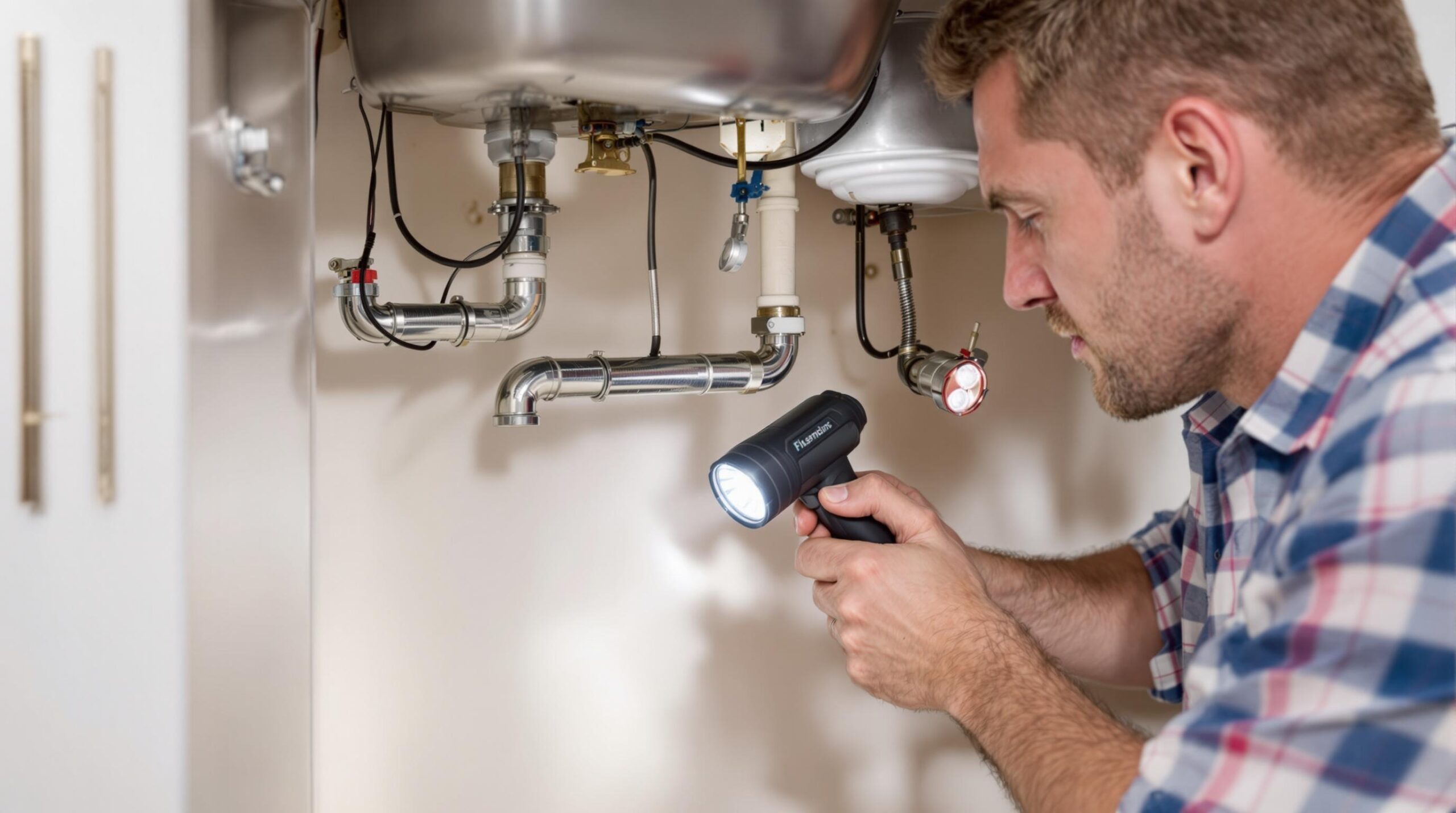
Now that we’ve laid the groundwork for why plumbing maintenance is crucial, let’s get into the heart of it: regular inspections. Think of them as your plumbing system’s yearly health check-up. Just as your doctor examines your well-being to preemptively catch any issues, a thorough inspection of your plumbing can reveal small problems before they escalate into major disasters. But what exactly should you be looking for during these inspections?
Here’s a handy checklist to guide you during your plumbing inspections. Regularly checking these components can save you a world of trouble:
| Inspection Area | What to Look For | Frequency |
|---|---|---|
| Faucets and Showerheads | Look for drips or leaks, which could indicate worn-out washers. | Every 3 months |
| Under Sinks | Check for signs of moisture or water stains, indicating leaks. | Every 6 months |
| Water Heater | Inspect for rust or leaks. Make sure the temperature is set to an efficient level. | Yearly |
| Drainage System | Ensure drains are flowing smoothly and look for any unusual odors. | Every 6 months |
| Visible Pipes | Check for cracks, corrosion, or condensation on pipes. | Every 6 months |
| Toilets | Test flapper valves for leaks and check for any wobbly tanks. | Every 3 months |
During these inspections, don’t hesitate to get a little hands-on. Run your faucets and showerheads for a few minutes, check for hot spots on your pipes, and listen closely—any unusual sounds can be a red flag. Not only will these checks help you identify potential issues early, but they will also give you an opportunity to understand your plumbing system better.
Plus, a satisfied plumbing system doesn’t only protect your home, it enhances your experience within it. Imagine enjoying a long, hot shower without worrying about sudden water stoppages or stepping onto a wet bathroom floor due to a slow leak. Your peace of mind is worth investing a bit of time into routine checks.
As you’re carrying out these inspections, jot down your findings, no matter how minor they seem. By keeping track, you can better anticipate any maintenance needs and help professionals understand the plumbing issues if they arise. Keep in mind that the sooner you tackle a problem, the easier it usually is to fix!
So grab your notepad and start regularly inspecting your plumbing—we promise your future self will thank you for it. Now, let’s move on to our next segment, where we will share some simple techniques to keep your drains free-flowing and problem-free. Stay tuned!
Clear Drains: Simple Techniques to Keep Your Drains Free-Flowing
Now that we have a solid foundation with routine inspections under our belts, let’s shift our focus to an aspect of plumbing that often gets overlooked: your drains. Stubborn clogs and stubborn slow-draining pipes can disrupt the harmony of your household, leading to frustration and potentially damaging water backup. Fortunately, maintaining clear drains doesn’t require a plumbing degree or a high-tech toolkit; a few simple techniques can keep your drains free-flowing and functional.
First and foremost, prevention is your best ally. Here are some practical strategies to ensure your drains remain clear:
- Regular Cleaning: Just as you would sweep your floors, periodically clean your drains to prevent buildup. A simple mixture of baking soda and vinegar can be a game changer. Pour a cup of baking soda down the drain, follow it with a cup of vinegar, and let it fizz for about 30 minutes before rinsing it with hot water. This natural solution breaks down residue and leaves your pipes smelling fresh.
- Install Drain Screens: These little mesh wonders can be your first line of defense against debris. Installing screens or traps over your drains will catch hair, food particles, and other debris before they can accumulate. Make it a habit to clean these screens regularly—think of it like changing the filter in your vacuum cleaner!
- Mind What Goes Down: It’s essential to be mindful about what goes down your drains. For kitchen sinks, avoid disposing of greasy substances or fibrous foods that can clump together and create potential blockages. In bathrooms, avoid letting hair and soap scum build up by using soap bars instead of liquid soap and trimming hair before showering.
- Flush with Hot Water: Once a week, flush your drains with hot water to help dissolve and push along any lingering residues. This simple action can greatly reduce the risk of clogs forming and keeps your drains flowing like new.
Another often-neglected factor is the importance of routine drain maintenance. Setting aside a few minutes each month for a quick drain check-up can effectively stave off potential issues. Here’s a straightforward routine to consider:
- Remove Debris: After running water in your sinks and shower, take a moment to lift out any visible debris from the drain. This initial step halts the buildup of materials that can easily lead to clogs.
- Listen to Your Drains: Pay close attention to any unusual gurgling sounds or slow draining water. These can be signals that something is amiss and that further action may be required.
- Evaluate the Flow: Pour a bowl of water down each drain to assess how quickly it flows away. If you notice any sluggishness, it’s time to take action before a full-blown clog sets in.
Don’t forget to take advantage of natural enzymes. Consider using enzyme-based drain cleaners occasionally; they digest organic waste in your pipes without the harsh chemicals that can damage plumbing over time. These eco-friendly options are effective while being gentle on your plumbing system.
Lastly, remember that maintaining clear drains is not just about solving a potential problem; it’s about creating a pleasant living environment. Having clear, free-flowing drains enhances your daily life, allowing you to enjoy routine activities without interruptions or concerns. Think of the bliss of a worry-free shower or a kitchen sink that drains effortlessly after washing dishes.
By adopting these simple techniques and incorporating them into your routine, you’ll contribute to the longevity and effectiveness of your plumbing system. So roll up your sleeves, embrace preventive measures, and let’s keep those drains flowing smoothly! Next up, we’ll delve into managing water pressure—an essential factor in ensuring your plumbing system performs at its best. Stay tuned!
Managing Water Pressure: The Key to a Long-Lasting Plumbing System
As we’ve explored the importance of maintaining clear drains, let’s turn our attention to another vital component of a healthy plumbing system: water pressure. The pressure of the water flowing through your pipes is a critical factor that can significantly influence the efficiency and longevity of your plumbing. To ensure your plumbing system operates at its best, it’s essential to manage water pressure effectively.
Water pressure is the force that pushes water through your pipes and appliances. While it may seem like an invisible hand at play, it plays a significant role in your daily activities, from showering to washing dishes. However, too much water pressure can lead to numerous problems, such as leaks, pipe bursts, and increased wear and tear on your plumbing fixtures. Conversely, low water pressure can result in frustratingly slow showers and ineffective cleaning. Striking a balance is paramount.
The first step in managing your water pressure is to check it regularly. A simple water pressure gauge can give you accurate readings directly from your outdoor spigot or indoor faucet. Generally, the ideal water pressure range for residential plumbing systems is between 40 to 60 psi (pounds per square inch). Anything exceeding this range can lead to problems down the line. If you notice your pressure is too high, it might be time to consider installing a pressure-reducing valve. This nifty device helps regulate the flow of water into your home, providing a consistent and safe pressure level while protecting your plumbing system from the dangers of high pressure.
Another consideration is your pipes’ health. Over time, mineral buildup from hard water can restrict pipe size and affect pressure. Regularly flushing your system can help mitigate these issues. A beneficial technique is to periodically run hot water mixed with a splash of vinegar through faucets and showerheads to help dissolve mineral deposits. This small act not only keeps your fixtures working efficiently but also ensures water flows smoothly through your pipes.
Don’t forget to evaluate your appliances, too. Older appliances like dishwashers and washing machines can often struggle with modern water pressure, leading to leaks or inefficient functioning. If you’ve recently upgraded your water pressure, it may be time to assess whether your appliances need a refresh to prevent compatibility issues.
Lastly, the layout of your plumbing system can also affect water pressure. If your home has multiple stories, gravity can play a role in how effectively water reaches tap points on upper floors. The installation of booster pumps may be necessary to ensure adequate flow throughout your multi-level home, guaranteeing that everyone enjoys a satisfying shower experience.
Effective water pressure management not only prolongs the life of your plumbing infrastructure but also enhances your everyday convenience. Imagine being able to enjoy a powerful shower without worrying about sudden drops in pressure or the dreaded squeal of a strained pipe. By keeping your water pressure in check, you’re investing in the overall health of your plumbing system.
Now that we’ve tackled the importance of managing water pressure, the next step in our plumbing maintenance series is preparing your pipes for winter. Cold weather can have a significant impact on plumbing, so it’s crucial to take proactive measures to protect your pipes during Delaware’s cold months. Let’s get ready for those chilly days ahead!
Winter Preparation: Protecting Your Pipes During Delaware’s Cold Months
As the crisp air of winter settles over Delaware, the last thing on your mind might be the plumbing lurking behind your walls. However, the cold months can spell disaster for your plumbing system if proper precautions aren’t taken. Frozen pipes can burst, causing extensive damage and costly repairs. So, let’s dive into the essential steps for protecting your plumbing from the chill, ensuring peace of mind during the colder season.
The first line of defense against frozen pipes is insulation. Insulating your water pipes, especially those in unheated areas such as basements, attics, and crawl spaces, can make a significant difference. You can use foam pipe insulation tubing, which is readily available at most home improvement stores. Cut the tubing to size and wrap it around exposed pipes to create a thermal barrier that keeps the warm water flowing.
It’s also essential to keep your home warm during the winter months. Maintaining a consistent indoor temperature helps prevent pipes from freezing. If you plan to leave your home for an extended period, set the thermostat to at least 55°F (13°C) to ensure the environment is conducive to keeping those water lines from freezing.
Another practical step is to let your faucets drip during extreme cold spells. This simple act can alleviate the pressure between the ice blockage and your faucet, reducing the risk of a burst pipe. Here’s a quick table summarizing simple techniques you can use for protecting your pipes:
| Protection Technique | Description |
|---|---|
| Insulation | Wrap exposed pipes with foam insulation to retain heat. |
| Maintain Warm Indoor Temperature | Keep the thermostat at a minimum of 55°F (13°C) when away. |
| Let Faucets Drip | Open taps slightly to allow a slow drip during extreme cold. |
| Seal Cracks & Openings | Use caulk or insulation to seal any drafts around windows, doors, and sill plates. |
| Open Cabinet Doors | Allow warm air to circulate around plumbing in cabinets by leaving doors open. |
Next, don’t forget to inspect your home’s exterior. Remove any hoses connected to outdoor faucets and turn off the corresponding valves inside your home. This helps prevent water from freezing in the hose, which can cause bursts in the faucet or the valve. If you have a swimming pool, ensure that all plumbing connected to the filter is drained, as well.
If you’re confronted with a frigid spell and suspect a pipe may have frozen, turn on the faucet connected to the affected pipe. As you apply heat to the pipe using a hairdryer, heating pad, or warm towels, the flowing water can help break up the ice blockage. Always start at the faucet and work your way back to the freeze point to prevent pressure build-up that could lead to bursting.
By taking these proactive measures to protect your plumbing during Delaware’s winters, you can avoid a host of plumbing catastrophes that can interrupt your daily life. Remember, a little preparation now can save you from a considerable headache later.
With your pipes prepped for the cold, let’s gear up for some DIY fixes in the next segment, addressing common household plumbing issues that every homeowner should be ready to tackle.
DIY Fixes: Quick Solutions for Common Household Plumbing Issues
Now that you’ve fortified your plumbing against the winter chill, it’s time to be prepared for those pesky plumbing annoyances that can pop up at any moment. From minor leaks to stubborn clogs, many household plumbing issues can be quickly addressed with a bit of know-how and a few handy tools. Let’s explore some easy DIY fixes that can save you time and frustration.
First on our list is the classic leaky faucet. This irritating drip not only wastes water but can also disturb your peace. Fortunately, dealing with it is straightforward. Start by turning off the water supply to the faucet and covering the drain to prevent any small parts from slipping down. Most leaks stem from worn washers or O-rings inside the faucet. Disassemble the handle, remove the worn washer, and replace it with a new one, which can often be found near the faucet in any hardware store. Reassemble and turn the water back on—watch as your annoying drip is replaced with silence!
Next, let’s tackle slow-draining sinks, a common problem that can lead to bigger blockages if left unchecked. The first step is to check if there’s any visible debris in the drain. Use a long-handled tool, like a snake or a wire hanger, to pull out hair and other gunk. If the problem persists, pour a mixture of baking soda and vinegar down the drain. This fizzy combination can help break down smaller clogs. Follow it up with boiling water to flush the drain—voilà, a fast and effective drain declogger!
If you run into a running toilet, don’t despair. This condition often stems from a faulty flapper valve that’s preventing water from sealing. Start by removing the toilet tank lid and inspect the flapper; if it looks damaged or warped, it’ll need replacing. Simply disconnect the chain from the flapper, remove the old flapper, and install the new one in its place. Reattach the chain, and with that simple fix, you can restore your toilet to its proper functioning!
Sometimes, another frustrating plumbing issue is the accumulation of mineral deposits in your showerhead, which can hinder water flow. To fix this, fill a plastic bag with white vinegar and secure it around the showerhead using a rubber band. Let it sit for a few hours, allowing the vinegar to break down the deposits. Afterward, simply remove the bag and turn on the shower to rinse it clean—your pressure should be restored, and your water will flow freely!
Lastly, let’s not forget about the vital role of regular maintenance chores that can preemptively address plumbing woes. Periodically check under sinks for signs of leaks, ensure drainage paths are unobstructed, and inspect hoses for wear or damage. Making these routine inspections a part of your home care will help you catch issues before they escalate into emergencies.
By embracing these plumbing maintenance tips, Townsend homeowners can enjoy peace of mind knowing their plumbing system is in optimal condition. Whether you’re addressing a small issue or preparing for potential hazards, these DIY fixes are valuable skills that contribute to your home’s longevity. Remember, a well-tended plumbing system not only keeps your home functioning properly but also enhances your comfort and convenience throughout the seasons.
To ensure you continue to enjoy a well-functioning plumbing system, regular inspections are essential. But how often should you inspect your plumbing? It’s recommended to conduct a thorough plumbing check every six months. During these inspections, be vigilant for any signs of leaks around pipes, faucets, and fixtures, and keep an eye out for damp spots or mold growth, which can indicate hidden issues. Additionally, checking your water heater for any signs of corrosion or sediment buildup can help prolong its lifespan and efficiency.
But when it comes to your drains, it pays to be proactive. So, what are the signs of a clogged drain? Slow drainage is often the first indicator, whether it’s in your kitchen sink, bathroom sink, or tub. You may also notice strange gurgling sounds when water is draining, and unpleasant odors can signal food debris or organic matter caught in the pipes. If you find water pooling in the sink or tub or if multiple drains are backing up simultaneously, it’s a strong indication that you may be facing a serious clog that needs immediate attention.
Maintaining proper water pressure is another key aspect of plumbing health, and adjusting your home’s water pressure can be surprisingly easy. If you find that your faucets produce either too little or too much pressure, check your pressure regulator—usually found near the water meter. This little device allows for adjustments to be made. Installing a pressure gauge can help you determine your system’s current pressure, which should ideally be between 40 to 60 psi. To adjust, turn the screw on the regulator clockwise to increase pressure or counterclockwise to decrease it. Consider this a routine tweak that can enhance your water flow throughout the house!
However, there are times when your DIY skills should be complemented by a professional touch. When should you call a professional plumber? If you encounter recurring plumbing issues despite your best efforts, or if you discover significant leaks or significant water damage, it’s crucial to reach out to an expert. Furthermore, complex problems that involve the main sewer line or require specialized tools and expertise should be left to the pros. Don’t hesitate to seek help when the task exceeds your comfort level or when you feel unequipped to handle a potential dilemma.
Incorporating these precautionary measures into your home maintenance routine will not only safeguard against emergencies but also empower you with knowledge about your plumbing system. Understanding the frequency of inspections, recognizing the signs of clogs, adjusting water pressure, and knowing when to call for support will ensure your plumbing remains in top shape year-round. Your home deserves careful attention, and by taking these steps, you will be making a wise investment in comfort and functionality for years to come.
“`
Maintaining a home is akin to nurturing a living organism; it requires periodic attention, care, and proactive steps to ensure everything runs smoothly. For Townsend homeowners, embracing the aforementioned plumbing maintenance tips is not merely a checklist of tasks—it’s an investment in the very backbone of your household comfort. A well-functioning plumbing system plays a critical role in enhancing your daily life and preventing potential disruptions that could lead to larger issues down the line.
Think of each maintenance task as a nurturing step toward prolonging the lifespan of your plumbing system. By taking the time to inspect and address common problems, you’re effectively implementing a shield against unexpected plumbing surprises. This proactive mindset fosters peace of mind; knowing you’ve identified and remedied minor inconveniences can relieve stress and elevate your home’s livability. The satisfaction derived from a quick, successful fix is unparalleled, acting as a rewarding reminder that you’re capable of tending to your own home.
The thoroughness with which you approach these maintenance tasks serves as an assurance—every small step taken meticulously adds up, creating a robust plumbing network that can withstand the tests of time and seasonal changes. Consider the joy of a morning shower that flows freely, a kitchen sink that drains effortlessly, or a bathroom that remains perpetually pristine. These experiences contribute to a sense of well-being and comfort that turns a house into a home.
Moreover, establishing a routine for plumbing checks doesn’t just protect your home; it also cultivates a sense of responsibility toward your living environment. Integrating these practices into your home maintenance schedule makes it easier to detect early signs of wear and tear. This vigilant approach to plumbing care eliminates future odds of significant repairs or invasions of plumbing problems during inconvenient times.
Furthermore, the ripple effect of these maintenance practices extends beyond immediate advantages; a well-maintained plumbing system can enhance the overall value of your home. Potential buyers often eye the state of plumbing systems closely, making your diligence not only a personal boon but also a strategic advantage should you consider selling your property in the future.
In essence, embracing these plumbing maintenance tips truly embodies a commitment to homeownership that transcends mere obligation. It translates to confidence, comfort, and a proactive approach to maintaining your sanctuary. So, take charge of your plumbing, methodically follow these guidelines, and revel in the knowledge that your home’s integrity is safeguarded, providing you and your family with the tranquility and convenience you deserve.
“`