

Top Signs You Need Pipe Replacement Now: Expert Guidance for Homeowners in New Castle DE
Homeowners must recognise when pipe replacement is required to avoid escalating damage and disproportionate repair costs. This article identifies the primary indicators of pipe corrosion and failure and explains when to engage emergency services, how replacement costs are determined, and which preventive actions extend system longevity. The guidance provided will enable informed, timely decisions to protect property and maintain reliable plumbing performance.
Key Takeaways
- Recognizing pipe corrosion signs can prevent costly repairs and extensive home damage.
- Common corrosion symptoms include discolored water, unusual plumbing noises, and increased water bills.
- Emergency plumbing services are crucial for severe issues like water accumulation and significant pressure drops.
- Pipe replacement costs depend on pipe type, damage severity, and labor expenses.
- Regular inspections and maintenance can prevent premature plumbing pipe failure.
- Annual plumbing inspections help identify issues before they escalate into major problems.
- Deciding between repair and replacement involves leak severity, pipe age, and cost considerations.
- Professional pipe replacement offers long-term benefits like cost savings and improved home efficiency.
How Can You Identify the Most Common Signs of Pipe Corrosion?
Early identification of pipe corrosion preserves water quality and structural integrity. Corroded pipes commonly produce discoloured water, generate unusual noises, and cause unexplained increases in water consumption. Detecting these indicators promptly allows for assessment and corrective action before damage becomes extensive.
Research further emphasises the specific types of corrosion that can affect domestic plumbing systems.
Pitting Corrosion in Home Plumbing Pipes
Water plumbing damage caused by pitting corrosion, a form of corrosion concentrated on a small area of the pipe.
Incidence and costs of home plumbing corrosion, DJ Bosch, 2008
What Are the Visible Symptoms of Corroded Plumbing Pipes?
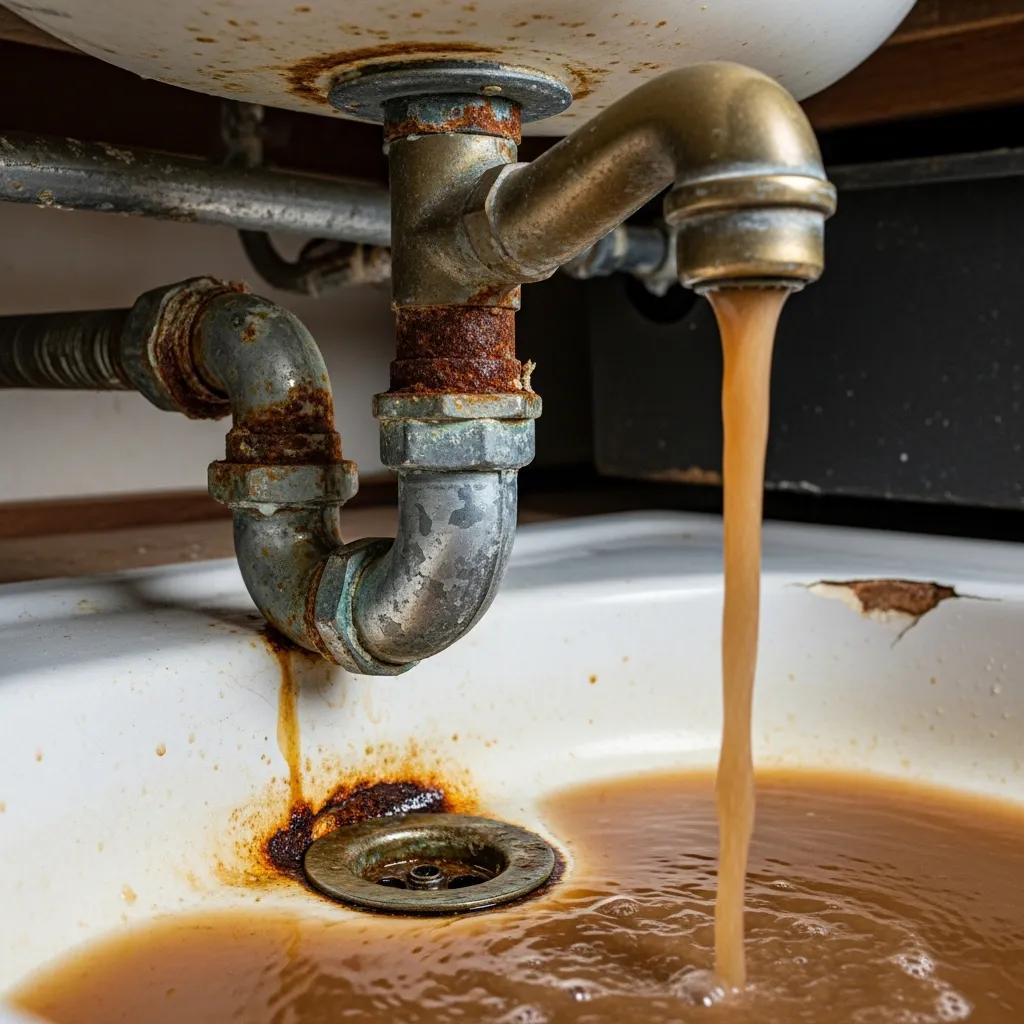
Corroded plumbing pipes often present visible, actionable symptoms:
- Brownish or Rusty Water: Discolouration that indicates rust and internal degradation of metallic pipes.
- Stains on Fixtures: Brown or reddish deposits on sinks and tubs that signal internal corrosion.
- Changes in Water Quality: Metallic taste or noticeable odour that may indicate pipe deterioration and a potential health concern.
Timely recognition of these signs enables professional assessment and intervention, reducing repair scope and cost.
When Should You Consider Emergency Plumbing Services for Pipe Replacement?
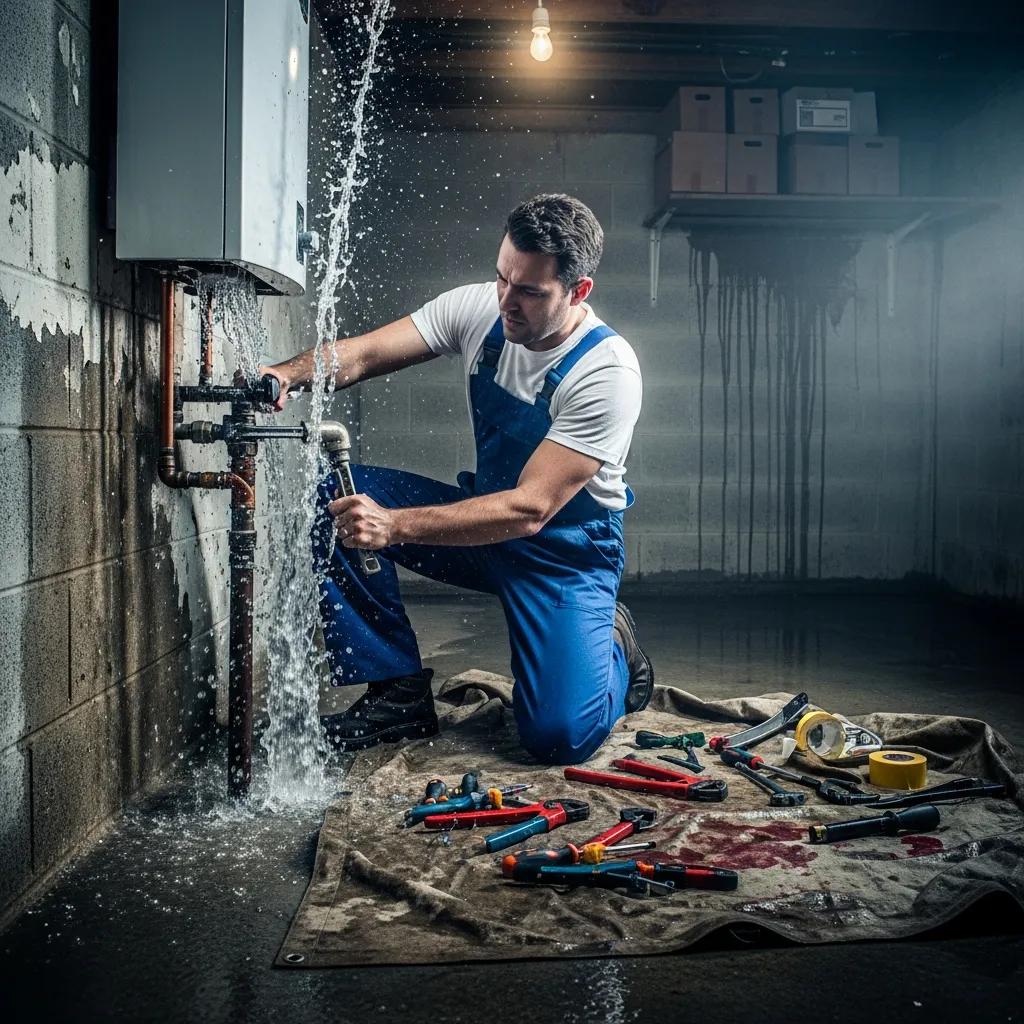
Engage emergency plumbing services when conditions pose immediate risk to property or safety. Examples include unexplained water accumulation, sudden and substantial drops in water pressure, and visible water damage to walls or ceilings. Addressing these issues without delay mitigates structural harm and secondary costs.
For homeowners in New Castle, DE, contact a qualified service provider such as Noble Home Services LLC to obtain prompt support for emergency plumbing pipe replacement. Their proven reliability and service standards provide assurance during urgent events.
What Are the Key Factors Influencing Pipe Replacement Cost in New Castle DE?
Several variables determine pipe replacement cost. The primary factors are the material type of the pipe, the extent and location of damage, and labour and access requirements associated with the replacement process.
The table summarises typical per-foot costs and expected lifespans for common pipe materials to support budgeting and material selection decisions.
How Can You Prevent Premature Plumbing Pipe Failure?
Preventing premature pipe failure requires scheduled maintenance and targeted preventive actions. Implementing routine inspections and operational measures reduces corrosion risk and prolongs system service life.
Understanding the broader context of home plumbing failure, including prevention strategies and associated costs, is essential for effective asset management.
Home Plumbing Failure: Prevention & Cost Factors
Pipe failure–prone areas and preventive actions to guard against corrosion risk and associated costs, and various attributes involved in home plumbing.
Homeowners’ decision‐making in a premise plumbing failure–prone area, J Lee, 2013
- Regular Inspections: Schedule annual plumbing inspections to detect issues early and limit repair scope.
- Temperature Control: Maintain stable indoor temperatures to reduce freeze-related damage and thermal stress on pipes.
- Drain Maintenance: Keep drains clear through routine cleaning to prevent blockages that increase pressure and strain piping.
Adopting these measures reduces the likelihood of failure and extends the effective lifespan of plumbing infrastructure.
When Is It Advisable to Schedule Regular Plumbing Inspections?
Schedule plumbing inspections at minimum once per year to identify wear and emerging faults. Inspections are also warranted when homeowners observe leaks, reduced water pressure, or other unusual system behaviours. Proactive assessment prevents minor issues from developing into major, costly repairs.
How Do You Decide Between Plumbing Pipe Leak Repair and Full Replacement?
The decision to repair or replace depends on leak severity, pipe age, and the overall condition of the plumbing network. Assess the frequency of failures, the extent of deterioration, and projected long‑term costs to determine the most prudent option.
Further studies examine the decision framework homeowners use when choosing repair or replacement, particularly for common issues such as pinhole leaks.
Home Plumbing Leaks: Repair vs. Replacement Decisions
Pinhole leaks in copper plumbing pipes have prompted homeowners to consider repair or replacement and the factors to be evaluated in such decisions.
Case study: preference trade-offs toward home plumbing attributes and materials, J Lee, 2009
- Severity of the Leak: Minor, isolated leaks may be repairable; widespread or recurrent leaks often justify replacement.
- Age of the Pipes: Older systems are more susceptible to failure, making replacement a longer‑term solution.
- Cost Considerations: Compare immediate repair costs with projected future repair expenses to determine economic viability.
Weighing these criteria enables homeowners to select the option that optimises safety, reliability, and cost over time.
What Are the Long-Term Benefits of Professional Pipe Replacement?
Professional pipe replacement delivers measurable long‑term benefits, including lower risk of leaks, improved system efficiency, and enhanced property appeal.
- Cost Savings: New piping reduces the probability of leaks and the associated repair and remediation expenses.
- Improved Efficiency: Modern materials and installation practices enhance flow efficiency and system performance.
- Enhanced Property Value: A replaced plumbing system supports property value by reducing buyer concerns about deferred maintenance.
Awareness of these benefits helps homeowners prioritise timely replacement and maintenance as sound investments in home resilience.
If you are experiencing these issues or wish to ensure your plumbing system performs reliably, please contact us for professional assistance.
Frequently Asked Questions
What are the common causes of pipe corrosion?
Pipe corrosion results from multiple factors: pipe material properties, water chemistry such as acidity and mineral content, and environmental conditions including temperature fluctuations and oxygen exposure. Identifying the contributing factors enables targeted mitigation and prolongs pipe service life.
How can I tell if my pipes need immediate replacement?
Immediate replacement should be considered when you observe frequent leaks, significant water damage, persistent low pressure, or widespread and advanced corrosion. When multiple severe indicators are present, consult a plumbing professional to evaluate whether replacement is the most reliable course of action.
What should I do if I suspect a leak in my plumbing system?
If a leak is suspected, shut off the water supply to limit damage and inspect for visible signs such as damp spots or ceiling stains. Monitor the water meter for unexplained usage increases and contact a qualified plumber promptly to locate and remedy the leak.
Are there any DIY methods for detecting pipe leaks?
There are practical DIY checks: compare the water meter reading before and after a period without water use, inspect for damp areas or mould, and listen for unusual plumbing sounds. These methods can indicate a problem, but professional diagnostics are recommended for precise location and repair.
What are the environmental impacts of old plumbing systems?
Ageing plumbing systems can cause substantial water waste through leaks and may introduce contaminants from corroded materials into the supply. Replacing outdated piping improves water conservation and reduces the risk of contamination, supporting environmental and public health objectives.
How often should I replace my plumbing pipes?
Expected pipe lifespans vary by material: copper commonly exceeds 50 years, while PVC and PEX typically range from 25 to 40 years. Use regular inspections to assess condition and plan replacement when pipes approach end of service life or exhibit significant deterioration.
What are the benefits of upgrading to modern plumbing materials?
Upgrading to materials such as PEX or CPVC improves durability and corrosion resistance and can enhance installation efficiency. Modern systems often deliver better flow characteristics and lower long‑term maintenance costs, contributing to operational reliability and property value.
Conclusion
Recognising the signs of pipe corrosion and understanding replacement triggers reduces the risk of extensive damage and unexpected expense. By monitoring symptoms, budgeting for potential replacement costs, and scheduling regular inspections, homeowners can preserve system efficiency and property value. Arrange professional assessment and maintenance to ensure a dependable plumbing system and protect your investment.