
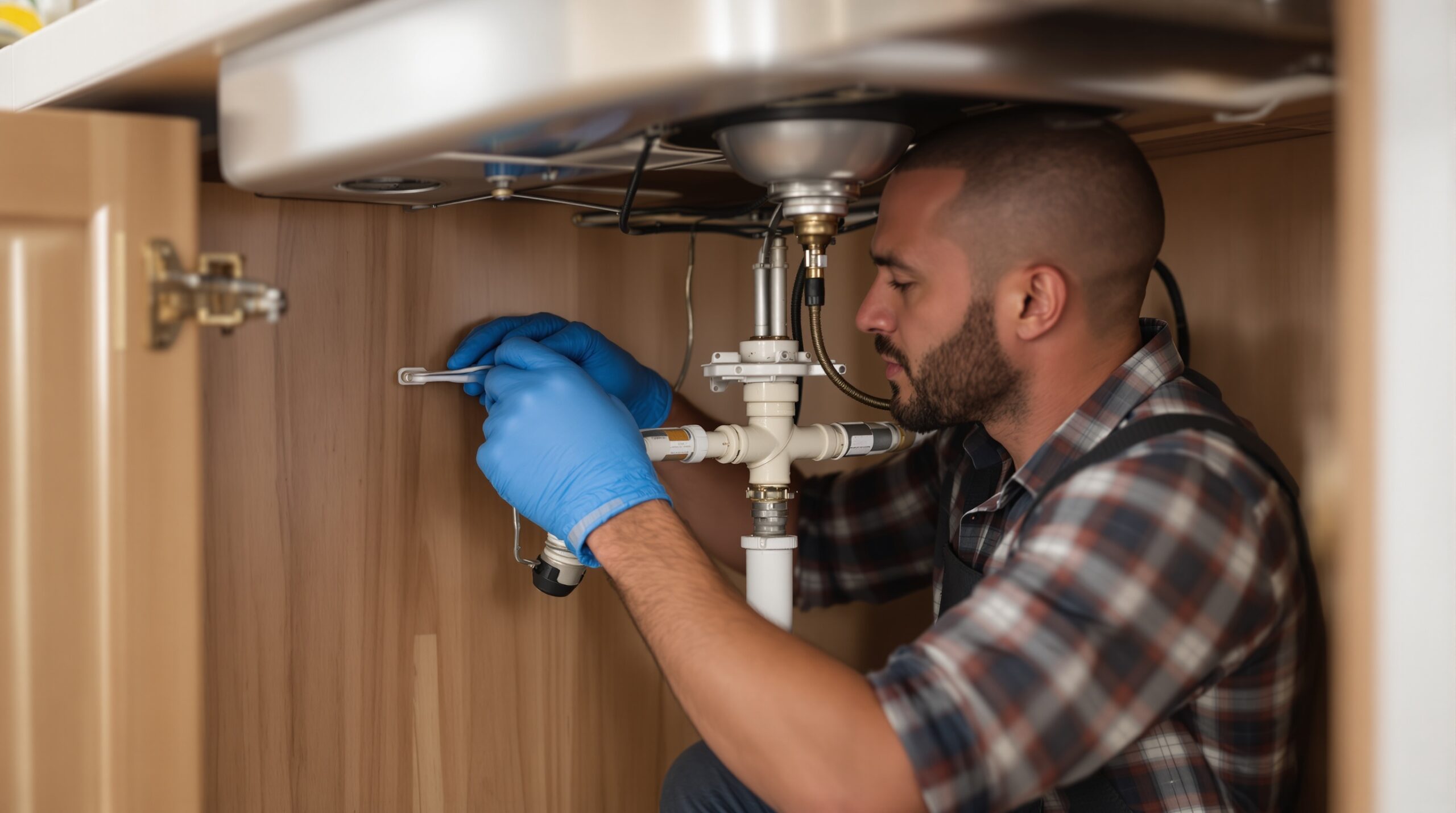
Protect Your Home from Water Woes
Imagine waking up one morning to discover a leak in your kitchen or a damp spot on your living room ceiling. For any homeowner, it can feel like a nightmare! Water damage isn’t just frustrating; it can lead to costly repairs and even mold, which can be a health risk. But here’s the good news: you don’t have to live in fear of leaks and water damage. With the right strategies, homeowners in Warwick, DE can be proactive and safeguard their homes against these unwanted surprises.
In this guide, we’ll share essential tips for leak detection and water damage prevention. You’ll learn simple, effective ways to keep your home safe and sound, so you can focus on what really matters—enjoying your space without worrying about a surprise flood! Let’s dive in and equip you with the knowledge to protect your home from water woes.
Understanding the Importance of Leak Detection
Being proactive about leak detection is not just about avoiding an unwelcome surprise; it’s about safeguarding your sanctuary from the hidden dangers that lurk behind walls and under floors. Water damage can start subtly, and before you know it, your healthy home environment may become a breeding ground for mold and mildew, both of which can pose serious health risks to you and your family. Additionally, leaks can lead to structural degradation over time, threatening the very foundation of your cherished abode. Understanding how to recognize the signs of leaking can save you a great deal of trouble down the line.
So, what makes leak detection so crucial? Let’s unpack this in detail:
| Reason | Impact |
|---|---|
| Early Discovery | Identifying leaks early can prevent extensive damage and high repair costs. |
| Mold Prevention | Removing moisture prevents mold growth, ensuring a healthier living environment. |
| Energy Efficiency | Leaks, especially in pipes, can lead to wasted water and increased usage, impacting monthly bills. |
| Increased Property Value | A well-maintained home that’s leak-free can boost your property’s market appeal. |
It’s also essential to foster a culture of mindfulness in your household. Encourage family members to pay attention to water usage and monitor common areas that may be susceptible to leaks, like bathrooms and basements. Adopting this proactive mindset can not only enhance your home’s longevity but can also create resilience against the unexpected. Awareness is your first line of defense!
In the next section, we will delve into practical tips for indoor leak detection, pinpointing the common areas in your home that need your vigilant attention. From kitchens to basements, discover how to identify potential trouble spots before they turn into costly catastrophes.
Indoor Leak Detection Tips: Common Areas to Monitor
Once you’ve grasped the importance of leak detection, the next step is to become vigilant in your monitoring efforts. Your home is a complex system of pipes and plumbing, and each area serves as a potential site for undetected leaks. To keep your indoor space secure from watery woes, focus your attention on these key areas:
1. Bathrooms: The Most Common Culprits
Your bathroom is often the first place where leaks can occur. Toilets, sinks, and showers are all sources that can become susceptible over time. Start by checking for any visible signs of leakage around the base of the toilet or under the sink. Pay attention to the water meter: if it’s steadily moving while all taps are turned off, you could have a hidden leak. Moreover, inspect the grout and caulking around wet areas, as damaged seals can easily allow water to seep into unwanted spaces, leading to mold growth.
2. Kitchens: Watchful for Water Woes
The kitchen is another tricky area for leaks, especially around dishwashers, sinks, and refrigerator ice makers. Regularly inspect beneath your sink for puddles or moisture—often, leaks here can go unnoticed until they cause significant damage. If your dishwasher is over 10 years old, take extra care in monitoring its hoses and connections. Using a water meter to check for unexpected usage after a cooking session can alert you to potential issues as well.
3. Basements: The Bugbear of Water Intrusions
Basements often bear the brunt of moisture problems, particularly in older homes. Look for signs of dampness on walls and floors, and monitor for musty smells that signal lingering humidity. Leaks can also occur near hot water tanks and pipes. Consider investing in a hygrometer to measure humidity levels—if you notice excessive moisture, it may be time to investigate for leaks or water intrusion.
4. Laundry Rooms: Hidden Hazards
Your laundry room may seem like a low-risk area, but with washing machines, water lines, and dryer vents all requiring attention, it’s a hotspot for moisture mishaps. Regularly check the washer hose for cracks and ensure it’s securely connected. Likewise, be vigilant for condensation buildup around appliances. If you notice puddles after a wash cycle, don’t ignore the signs—acting quickly can prevent further issues.
5. Ceilings and Walls: The Silent Saviors
Sometimes leaks originate from above and manifest as stains on ceilings or walls. Inspect areas directly beneath kitchens and bathrooms, especially on the ceilings of lower floors. Water stains can indicate a leak from pipes embedded in walls or ceilings that requires immediate attention. Keep an eye out for peeling paint or bulging ceilings, as these are telltale signs of underlying water damage.
6. Attics: An Overlooked Area
Don’t forget your attic! This area is often neglected and can hide leaks that may cause extensive damage over time. Inspect for any signs of moisture or water stains on rafters, especially if you notice unexpected water pooling. Pay special attention to spots where pipes or vents penetrate the roof—this is where leaks often appear if seals become compromised.
Vigilance is key when it comes to detecting indoor leaks. Implement a routine check-up system in your home to identify potential problems before they escalate. By monitoring these common areas diligently, you arm yourself with the knowledge to maintain your cozy sanctuary, ensuring it remains a safe haven for you and your loved ones.
Outdoor Leak Prevention: Safeguarding Your Yard and Exterior
Just as your home’s interior requires consistent attention to prevent leaks, so too does your outdoor environment. A well-maintained exterior not only preserves your property’s aesthetic but also protects your landscape and home’s foundation from potential water woes. Outdoor leaks can create unseen issues, leading to soil erosion, foundation instability, and even plant health challenges. Here’s how to safeguard your yard and exterior from leaks:
1. Inspect Irrigation and Sprinkler Systems
As you step outside, take a moment to assess your irrigation systems and sprinkler heads. These essential components can become clogged or cracked over time. Regularly check for signs of pooling water or uneven grass growth, which could indicate leaks. Schedule periodic checks to ensure all lines are intact, and consider investing in smart irrigation systems that can monitor their water usage, alerting you to potential issues before they escalate.
2. Maintain Gutters and Downspouts
Your gutters play an essential role in directing water away from your home’s foundation. Clogs can cause water overflow, leading to leaks along the exterior walls and potential basement issues. Regularly clean your gutters, especially in autumn when leaves fall. Moreover, ensure downspouts direct water several feet away from your foundation to mitigate any pool formation. Installing gutter guards can further help in keeping debris at bay.
3. Check For Pool and Hot Tub Issues
If you have a pool or hot tub, maintaining their water levels is crucial. Frequent water loss can signal a leak that, if left unchecked, might not only disrupt your enjoyment but could lead to significant repair work. Routinely inspect the outer shell for cracks and ensure that all connections are sound. Performing regular maintenance checks on filters and pumps can also help detect early warning signs of leaks.
4. Assess Drainage Systems
Proper drainage is vital for preventing water from pooling in unwanted areas. Assess the slopes in your yard to ensure they direct water away from your home. French drains and drainage ditches can be great assets for managing excess rainwater. Regularly check these areas, eliminating any blockages and ensuring they perform effectively during heavy rainfall.
5. Monitor Foundation and Landscaping
Your home’s foundation is its backbone, and it’s crucial to maintain its integrity. Observe any cracking or settling around the foundation closely. Beyond this, keep an eye on your landscaping; the health of your trees and shrubs can indicate moisture levels in the soil. Overwatering or poor drainage can wreak havoc on your yard and lead to root rot in plants. Adjust your watering schedule accordingly, focusing on maintaining a balance.
6. Regularly Check Outdoor Faucets and Hoses
Outdoor faucets and hoses can often become neglected, yet they are common sources of leaks. Inspect outdoor spigots for signs of drips or leaks. During colder months, ensure you winterize these features to prevent pipe bursting. Also, keep an eye on hoses—cracks or kinks can lead to unexpected issues. When not in use, store hoses properly to extend their longevity.
By actively engaging in outdoor leak prevention, you can maintain both the beauty and the functionality of your exterior spaces. Establishing a routine inspection schedule will empower you to catch potential leaks early, protecting your investment and ensuring your yard remains a vibrant and inviting extension of your home. As you transition from these proactive measures, consider how adopting long-term practices, maintenance strategies, and upgrades can further bolster your defenses against outdoor leaks.
Long-term Measures: Maintenance and Upgrades
Taking steps to prevent leaks in your outdoor environment is commendable, but it’s essential to think long-term about how you can not only maintain your home’s exterior but also upgrade it to further fortify your defenses against water damage. Sustainable practices escalate the effectiveness of your leak prevention strategies, ensuring that your home stands resilient against the ever-changing elements.
1. Upgrade to Smart Irrigation Systems
As technology continues to advance, so too do our options for home maintenance. Smart irrigation systems revolutionize the way we manage our outdoor watering practices. These systems come equipped with sensors that can adjust your watering schedule based on weather conditions, helping eliminate the risk of overwatering and reducing water waste. Implementing a smart system not only protects your yard from potentially damaging leaks but also promotes environmental sustainability.
2. Invest in Quality Gutter Systems
Modern gutter systems can include features designed to enhance their functionality. Opting for seamless gutters minimizes joints and potential leak points, while oversized options can manage heavier rainflows more effectively. Additionally, consider installing rainwater harvesting systems which can collect and store rainwater, allowing for reuse in irrigation and contributing to efficient water management.
3. Landscape with Purpose
Choosing the right plants and landscaping techniques can naturally aid in water management. Native plants, for instance, are adapted to local climates and require less irrigation, promoting a more sustainable garden. Planting trees strategically can also help direct water flow away from your home’s foundation. Additionally, incorporating rain gardens or permeable paving can improve drainage, helping to prevent soil erosion while beautifying your property.
4. Install Professional Drainage Solutions
If you have persistent drainage issues, consider consulting professionals for tailored solutions such as subsurface drainage systems or retaining walls. These specialized installations can manage excess water effectively, preventing leaks from undermining your landscape and home structure. Keeping the soil’s stability is paramount to a healthy yard and a secure foundation.
5. Make Routine Inspections a Habit
While it’s vital to periodically check your systems, integrating maintenance into your seasonal routine can be particularly beneficial. Set seasonal reminders to audit your irrigation, gutters, and drainage systems to ensure they are functioning properly. Take time every spring and fall to conduct thorough inspections; this proactive approach can help catch problems before they escalate into costly repairs.
6. Develop a Leak Response Plan
Having a plan of action can minimize damage if a leak does occur. Identify the main shut-off valves for water lines, and ensure all family members know how to access them. Keeping the contact information for trusted plumbers on hand can expedite response times during emergencies. Developing a map of your outdoor water systems can also aid in quickly pinpointing potential leak sources.
7. Create a Maintenance Calendar
To harness a proactive approach, create a maintenance calendar for all outdoor leak prevention strategies. This calendar should outline when to perform inspections, maintenance cleanings, and any required upgrades. By mapping out these tasks over the course of the year, you’ll not only stay organized but also ensure that nothing falls through the cracks.
| Task | Frequency | Notes |
|---|---|---|
| Inspect irrigation system | Monthly | Check for leaks and clogs |
| Clean gutters | Seasonally (Spring & Fall) | Clear debris and check downspouts |
| Inspect pool & hot tub | Weekly | Check water levels and look for cracks |
| Review landscaping health | Monthly | Monitor trees and shrubs for water issues |
| Check outdoor faucets & hoses | Monthly | Look for drips or cracks |
By integrating these long-term measures into your outdoor leak management strategy, you’ll ensure a flourishing landscape alongside a robust home structure. As you cultivate your commitment to maintenance and proactive upgrades, you’ll set the stage for a seamless transition into emergency preparedness—readying yourself for any leak hiccups that may arise despite your best efforts. In the following section, we’ll delve into the emergency steps to take if you suspect a leak, equipping you with the knowledge to respond swiftly and effectively.
Emergency Steps to Take if You Suspect a Leak
Even with the most meticulous maintenance and preventive measures in place, sometimes leaks can still occur. Recognizing the signs of a leak early and acting promptly is crucial for minimizing damage and ensuring that your home remains safe and secure. Here are the essential steps to take if you suspect a leak:
1. Identify the Source
Start by locating the source of the leak. Look for signs such as water stains on walls or ceilings, damp spots on the floor, or bulging paint and wallpaper. If you have a basement, checking for water pooling or mildew can also provide clues. Don’t overlook the exterior; inspect areas around gutters, downspouts, and landscaping, as these can often be the culprits behind leaks. If the source isn’t immediately apparent, consider using water meters to monitor where consumption spikes unexpectedly.
2. Shut Off the Water Supply
Once you suspect a leak’s source, locate the main water shut-off valve for your home and turn it off immediately. This radical step will prevent further water damage and allow you to assess the situation more calmly. Ensure that all household members know the location of this valve, facilitating a swift response during emergencies.
3. Drain the System
If the leak is significant or pervasive, you may need to drain the system to prevent water from continuing to escape. Turn on all faucets and flush toilets, allowing the remaining water in your pipes to run out. This step helps reduce pressure in the plumbing system and can minimize further leaks, particularly if you plan to contact repair professionals afterwards.
4. Document the Damage
Before the chaos unfolds, take photos of all affected areas. Document the leak signs, including any visible damage to walls, floors, or personal belongings. This visual record can be invaluable for insurance claims and can guide repair technicians in understanding the extent of the damage. Stick to honest and detailed notes on what you find; the clearer the information, the smoother the remediation process will be.
5. Communicate with the Affected Individuals
Notify anyone affected by the leak; this includes family members, roommates, or anyone whose property might be compromised. Open communication will help alleviate concerns and ensure that everyone is on the same page about the situation and next steps. Coordinate safety protocols, especially if the leak poses risks such as mold growth or electrical hazards.
6. Contact a Professional
After managing immediate concerns, it’s time to call a licensed plumber or water damage restoration professional. They possess the expertise and tools necessary to not only fix the leak but also assess the larger impact and potential secondary damage. Communicate clearly what you’ve observed, and share any documentation to help them prepare for their visit.
7. Follow Up on Repairs
Once the leak is addressed, lingering consequences may require attention. Assess areas that sustained damage for signs of mold or structural compromise. If repairs involve significant renovations, seek advice to ensure new installations adhere to best practices, preventing future leaks. Formulating a checklist of follow-up tasks can help keep everything on track.
8. Update Your Emergency Plan
Finally, reassess your home’s emergency plan in light of the incident. Take the opportunity to refine your leak response procedures and ensure everyone understands their roles in an emergency. Conduct practice runs and refresh training to solidify the plan and instill confidence. Investing time in emergency planning can not only reduce panic during actual situations but also enhance the overall resilience of your home.
Being prepared for leak-related emergencies can make all the difference between a minor inconvenience and a major crisis. By implementing these proactive measures, you can safeguard your home from extensive damage and create a more secure, worry-free environment. Equip yourself and your household with these emergency steps today, ensuring peace of mind for whatever challenges lie ahead.
Proactive Leak Detection: Common Signs and Solutions
Taking a proactive approach to leak detection and water damage prevention not only protects your home but also provides peace of mind. Understanding the most common signs of a water leak is the first step towards keeping your living environment safe and secure. Familiarizing yourself with these indicators can help you act quickly, mitigating potential damage and costly repairs.
Common Signs of a Water Leak
Being alert to the subtle signs of a water leak can save you from extensive damage down the line. Some of the most common signs include:
- Unexplained Increases in Water Bills: Notice a spike in your monthly water bill without a corresponding increase in usage? This could indicate a hidden leak somewhere in your plumbing system.
- Damp or Wet Spots: Check for wet spots on floors, walls, or ceilings. These are often early signals that moisture is building up behind the surface, which can lead to mold growth and structural damage if left unchecked.
- Water Stains: Look for brown or yellow spots on walls or ceilings, which may suggest that water is leaking and seeping through materials. If the stains are accompanied by a bulging or peeling paint texture, it’s time to investigate further.
- Mold Growth: The presence of mold or mildew in unexpected places—especially in bathrooms, basements, or around pipe fixtures—often points to a persistent water leak.
- Sound of Running Water: If you hear water running when no faucets are in use, this could be an indication of a leak in your plumbing.
How Often Should I Check for Leaks?
Regular checks for leaks is crucial to maintaining your home. It’s wise to conduct thorough inspections at least twice a year. Pay particular attention to areas prone to leaks, such as under sinks, around toilets, and near appliances like washing machines and dishwashers. Additionally, consider checking your plumbing after heavy rains or if you experience a sudden drop in temperature, which can sometimes lead to frozen pipes bursting. Set a schedule to foster habit; regular maintenance helps catch problems before they escalate.
Can Minor Leaks Lead to Serious Damage?
Absolutely. What may start as a minor drip can quickly escalate into a major issue if left unchecked. Over time, even small leaks can cause significant structural problems, from rotting wood and damp drywall to mold infestations that can compromise your home’s indoor air quality and your health. The cumulative effects of moisture can weaken support structures, requiring major repairs down the road. Therefore, addressing any leak—big or small—should be a top priority for homeowners.
Investing in Technological Solutions for Leak Detection
In our increasingly tech-savvy world, several high-tech solutions are available to help you detect leaks before they become significant problems. Smart water meters can monitor usage patterns in real time, alerting you to discrepancies that may indicate a leak. Moreover, there are smart leak detectors and sensors that can be placed strategically throughout your home, particularly in high-risk areas. These devices notify you via smartphone alerts when water is detected where it shouldn’t be, enabling you to act swiftly. Some systems even offer potential integration with your home’s security framework, providing comprehensive protection against water damage as part of your overall home safety strategy.
By being informed and proactive about leak detection, you can significantly enhance your home’s resilience against water damage. Implement these strategies today for a secure, worry-free living environment that safeguards your peace of mind and the integrity of your home for years to come.
While being reactive to potential leaks is essential, the real key to safeguarding your Warwick, DE home is adopting a proactive approach to leak detection and water damage prevention. By staying ahead of potential issues, you can significantly reduce the risk of leaks and cultivate a living environment that not only protects your property but also provides you with priceless peace of mind.
Establish a Regular Maintenance Routine
One of the most effective strategies for preventing water damage is to establish a routine inspection and maintenance schedule for your home. Take time every season to check plumbing fixtures, appliances, and any areas prone to moisture. This methodical approach can help you spot potential vulnerabilities before they escalate into significant problems. Engage family members in the routine, turning it into a collaborative effort that not only strengthens your home but fosters teamwork and awareness among all residents.
Invest in Leak Detection Technology
Innovative technology can serve as a reliable ally in your quest for leak prevention. Consider installing smart leak detection systems that monitor water usage and alert you to irregularities, often before a substantial leak occurs. This pioneering technology allows for immediate response and creates a safeguard, particularly if you’re away from home. Alongside these devices, moisture sensors can be used in areas like basements, bathrooms, and near appliances, providing another layer of reassurance against unforeseen issues.
Know the Signs
Educate yourself and your family about the subtle signs of leaks. Becoming familiar with changes in water pressure, unusual sounds coming from plumbing, or even a slight increase in your water bill can save you from future strife. Make it a family activity to share observations during routine checks. Filling your household with knowledge means everyone can play a part in leak detection, creating a communal atmosphere of vigilance.
Seal and Insulate
Proper sealing and insulation are crucial in water damage prevention. Inspect your home’s exterior, including windows, doors, and foundations, to ensure they are adequately sealed against moisture intrusion. Additionally, insulating pipes can prevent them from freezing during colder months, which drastically reduces the chance of cracks and leaks. These preventative measures not only maintain the integrity of your home but also contribute to energy efficiency, promoting a healthier living space.
Landscaping for Drainage
Many homeowners overlook the importance of proper landscaping in preventing water damage. Ensure that your landscaping directs water away from your home’s foundation. Incorporate graded slopes and appropriate drainage systems to manage rainfall and runoff effectively. Additionally, regular maintenance of gutters and downspouts will ensure they function correctly, directing water away from your home and mitigating the risk of leaks.
Create a DIY Emergency Kit
Lastly, preparing an emergency kit specific to leak situations can be a game-changer. Equip it with essentials such as buckets, towels, and waterproof tarps, allowing you to respond quickly if a leak does occur. This proactive step not only equips your family with the tools needed to manage potential emergencies but also fosters a sense of preparedness that alleviates anxiety about water damage.
Taking these proactive steps in leak detection and prevention is essential for protecting your Warwick, DE home and fostering a safe, worry-free living environment. Remember, a little vigilance now can yield significant benefits later. By implementing these strategies today, you ensure that your home becomes a fortress against water-related mishaps, allowing you and your loved ones to enjoy peace of mind for years to come.