
Welcome to Townsend, DE!
Hey there, homeowners and business owners! Whether you’ve just moved to our charming town or have been soaking up the Townsend spirit for years, we’re excited to help you tackle one of the most important aspects of maintaining your living or working space: plumbing!
Why Understanding Plumbing Matters
Life in Townsend is filled with beautiful parks, picturesque streets, and friendly faces. But did you know there are a few plumbing quirks unique to our lovely town? Understanding these local plumbing challenges is super important for keeping everything running smoothly. After all, there’s nothing worse than dealing with a plumbing issue that could have been easily prevented!
What to Expect
In this article, we will dive into the top plumbing problems that Townsend residents face. Whether it’s leaky pipes or clogged drains, we’ve got your back! Plus, we’ll offer practical solutions that you can easily apply. So grab a cup of coffee, get comfy, and let’s get ready to tackle those plumbing challenges like a pro!
Silent Leaks: The Invisible Menace
While life in Townsend embraces the charm of serene parks and friendly neighborhoods, there lurks an invisible foe within many homes: silent leaks. These stealthy intruders can waste a significant amount of water over time, not to mention lead to larger plumbing issues if left unchecked. Have you ever marked your calendar for a month and forgotten to check the faucets or toilets? If so, you may just be unwittingly contributing to this hidden menace!
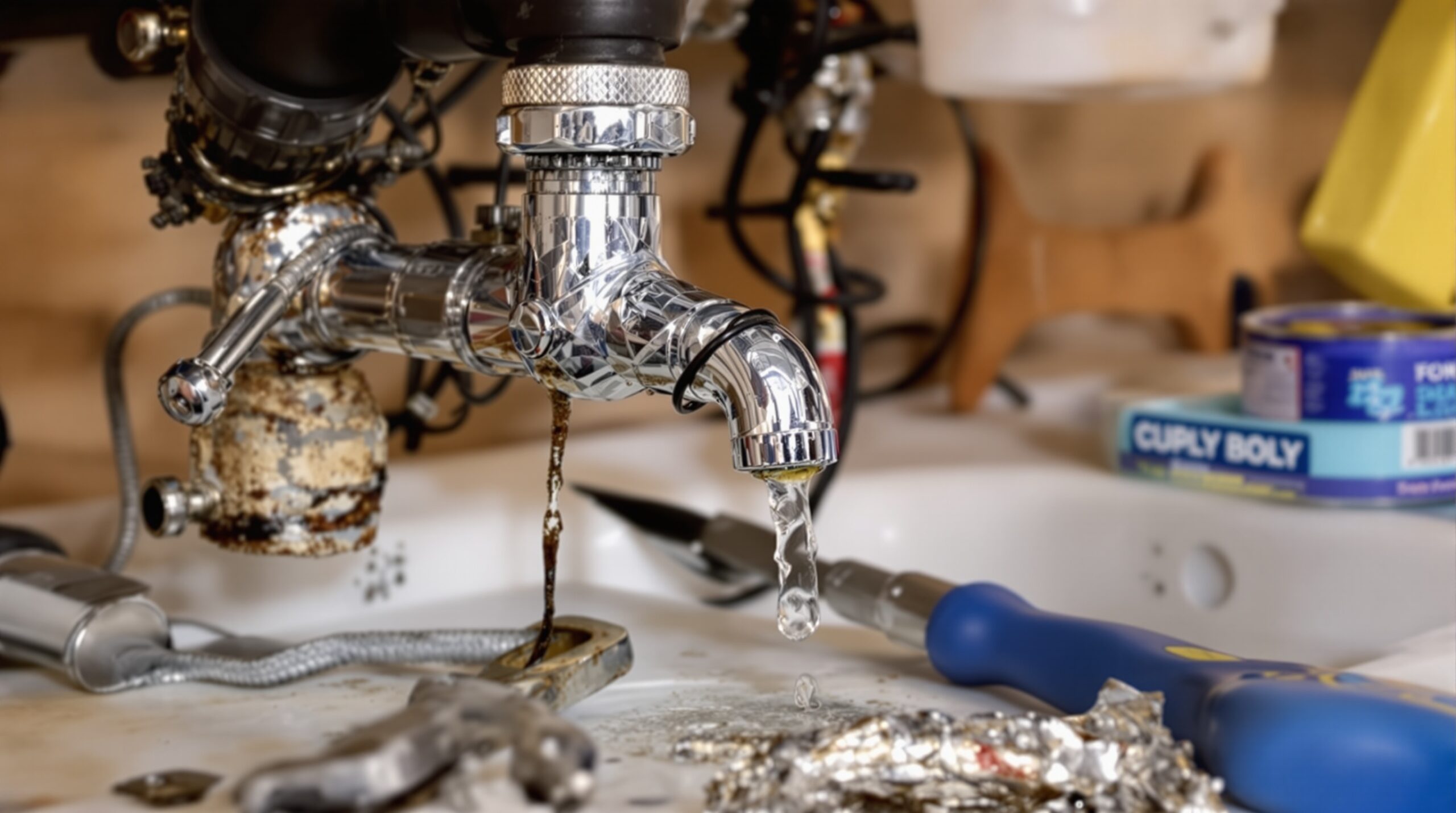
Leaky faucets and toilets often remain unnoticed until they’ve caused enough distress to disrupt your home. A persistent drip from a faucet might seem minor, but it can add up to hundreds of gallons of water wasted each year. Similarly, a toilet leak can squander an astonishing amount of water, causing both environmental concern and unnecessary wear on your plumbing system. So how can you combat these silent leaks effectively?
Simple Steps for Detection
Conducting regular inspections is your first line of defense. Here are some easy methods to identify those tricky leaks:
- Check Your Faucets: Turn off all water sources in your home, then observe your faucets. If you notice a drip, it’s time to take action!
- Inspect Toilets: Conduct a fun little test by adding a few drops of food coloring to the toilet tank. If the color sneaks its way into the bowl without a flush, you have a leak on your hands!
Spotting leaks might be half the battle, but the next task is just as crucial: addressing the issues promptly. By replacing damaged washers or seals in faucets and toilets, you can restore order and prevent future headaches.
Quick Fixes for Common Leaks
| Type of Leak | Common Cause | Quick Fix |
|---|---|---|
| Faucet Drip | Worn-out washer or O-ring | Replace washer or O-ring |
| Toilet Leak | Faulty flapper or fill valve | Replace flapper or adjust fill valve |
| Pipe Leak | Corrosion or joint failure | Use plumber’s tape or sealant on joints |
By staying vigilant and proactive, you can protect your beautiful Townsend home from the detrimental effects of silent leaks. Not only does addressing these issues help you save water, but it also contributes to a healthier plumbing system overall.
Drain Clogs: Keep the Water Flowing
In a community like Townsend, where neighbors gather for weekend barbecues and children play outside until dusk, the last thing anyone wants is a home plagued by slow-draining sinks and shower stalls. Yet, drain clogs are all too common, as daily habits often lead to an accumulation of debris that stubbornly settles in the pipes. Don’t let a slow drain disrupt your ideal suburban lifestyle! Keeping the water flowing freely in your home requires a proactive approach.
One of the simplest and most effective strategies involves giving your drains a regular cleaning ritual. Set aside a few minutes each week to flush your drains with a mixture of hot water, vinegar, and baking soda. Pouring this effervescent combination down your drains not only helps to break down grease and debris but also deodorizes pipes, leaving behind a fresh scent. Simply include this step in your routine, like washing the car or tending to your garden, and it will soon become second nature.
The Preventive Power of Strainers
While the weekly flush is critical, prevention is equally important. By incorporating strainers in your sinks and bathtubs, you can significantly minimize the amount of hair, food particles, and other debris that makes its way down the drain. Strainers act as your first line of defense, catching unwanted materials before they wreak havoc on your plumbing system. Make it a habit to empty the strainers regularly—think of it as tidying up your kitchen counter!
Avoid the Grease Trap
When you’re cooking up a storm in the kitchen, it’s tempting to let leftover oils and fats slide down the sink after a meal. However, it’s essential to resist this urge. Cooking oils can congeal in your pipes, creating thick clogs over time. Instead, consider using a dedicated container for leftover grease, which you can then dispose of safely. This quick shift in practice can make all the difference, allowing you to keep your drains clear and worry-free.
Tackling Existing Clogs
If you find that your drains are already slow despite your best efforts, don’t panic! A gentle reminder: Avoid reaching for chemical drain cleaners, as they can be harsh on your plumbing system. Instead, consider using a plunger to dislodge blockages naturally or utilize a plumbing snake to reach deeper clogs. These tools can often clear away stubborn debris without causing harm.
Incorporating these methods into your home care routine not only keeps your drains in good condition but also promotes a more enjoyable living environment. In a town as picturesque as Townsend, the last thing anyone needs is a plumbing emergency interrupting the peaceful flow of daily life. By being proactive about drain maintenance, you’ll ensure that your household remains a sanctuary where the water flows freely, just like the friendships flourishing in your neighborhood.
Water Pressure Woes: Troubleshooting Pressure Drops
In the heart of Townsend, where welcoming homes are often filled with laughter and the aroma of freshly cooked meals, low water pressure can disrupt the flow of daily life. Picture this: you’re preparing a delicious dinner when suddenly your tap sputters, and the comforting stream of water transforms into a mere trickle. Not only can this lead to frustration, but it can also turn everyday tasks into unexpected challenges. Fortunately, with a bit of detective work and some straightforward solutions, you can tackle those pesky pressure drops head-on!
Inspecting the Culprits: Aerators and Showerheads
One of the first places to investigate when faced with low water pressure is your aerators and showerheads. Over time, mineral buildup and sediment can accumulate, creating unsightly clogs that impede water flow. Regularly removing these components for a thorough cleaning can work wonders. Soak them in a solution of equal parts vinegar and water to dissolve the deposits, then scrub with a soft brush and rinse thoroughly. This simple maintenance can revive your faucets and showerheads, ensuring you enjoy the invigorating surge of water you deserve.
The Main Shutoff Valve: A Vital Checkpoint
If water pressure issues persist despite sprucing up your fixtures, it’s time to turn your attention to the main shutoff valve. Located near your water meter, this valve controls the flow into your home. If it’s not fully open, even the most robust plumbing system can suffer. To check if this is the culprit, give the valve a twist and make sure it’s positioned for maximum flow. A fully open valve can make all the difference, restoring that essential water pressure in no time.
Softening and Filtering: Keep an Eye on Your Systems
The benefits of water softeners and filtration systems are well-known in Townsend, providing families with both clean and pleasant-tasting water. However, these systems can occasionally contribute to pressure drops if they’re not functioning correctly. Regularly inspect your water softener for salt levels and resin performance, and remember to change filters as recommended by the manufacturer. A well-maintained system ensures that your home not only has adequate water pressure but also continues to deliver high-quality water fit for your family’s needs.
Don’t Forget Your Plumbing Pipes
As you troubleshoot low water pressure, consider taking a deeper dive into your home’s plumbing infrastructure. Old or corroded pipes can significantly restrict flow, leading to frustrating pressure issues. If you suspect this may be the case, keep an eye out for signs such as discolored water or persistent leaks. A professional assessment may be warranted to evaluate pipe conditions and ensure that your home’s plumbing is up to par.
In a community where thriving social ties and daily routines are intertwined with comfortable living, addressing water pressure woes should be a priority. By staying proactive in maintaining water fixtures, inspecting your main shutoff valve, and ensuring water softening and filtration systems are well-functioning, you can safeguard your household against the frustrations of low water pressure. Thus, Townsend homes can continue to be sanctuaries of comfort, where every tap delivers the spirited flow that complements moments of togetherness and joyful living.
Sump Pump Failures: Prevent Basement Floods
As the rainy seasons roll through Townsend, they often bring more than just picturesque views of nature’s bounty; they can also spell trouble for homeowners, especially when it comes to basement flooding. A sump pump is your first line of defense, tirelessly working to divert water away from your foundation. However, even the most reliable sump pump can fall victim to failure, leading to costly damage and a moldy mess in your sanctuary. Fortunately, a proactive approach can keep your basement dry and your mind at ease.
Monthly Testing: A Simple Routine
Testing your sump pump monthly is crucial for ensuring its functionality when the skies open up. Here’s a straightforward method: fill the pit with water until the float switch activates the pump. Listen for the reassuring hum as the pump engages, pumping water out of the pit and creating a barrier against potential floods. If the pump fails to activate or appears sluggish, it’s time to troubleshoot or consult a professional. Consistency is key; making this a monthly habit can save you from the stress of unexpected basement flooding down the line.
Keeping Debris at Bay
The area surrounding your sump pump deserves attention too. Over time, debris, leaves, and dirt can accumulate, obstructing the pump’s workings. Regularly inspect the pit for clutter and ensure the discharge line is clear and directed away from your home’s foundation. This simple act of maintenance can significantly prolong your pump’s life and enhance its performance during those torrential rains, ensuring that the water flows away just as it should.
The Power Source: A Reliable Connection
A sump pump relies on electricity to function, and during heavy storms, this can become a concern. Power outages are not uncommon during intense weather, leaving your home susceptible to flooding in the absence of a working pump. For peace of mind, consider installing a backup power source—such as a battery backup system—to guarantee that your pump keeps working even when the lights go out. This redundancy can be a lifesaver in critical situations when you need it most.
Sump Pump Maintenance Checklist
| Task | Frequency |
|---|---|
| Test pump activation | Monthly |
| Clear debris from the sump pit | Every 3 months |
| Inspect and clean the discharge line | Twice a year |
| Check and replace the power source (if necessary) | Annually |
| Professional pump inspection | Every 3-5 years |
In a thriving community like Townsend, basement flooding is not just a nuisance but a significant threat to your home and livelihood. By establishing a routine that includes monthly testing of your sump pump, clearing out debris, and ensuring a reliable power source, you can take control of your home’s protection against nature’s unpredictability. When pouring rain clouds loom overhead, rest easy knowing that your diligent maintenance efforts will keep your basement dry and safeguard your cherished living space.
Frozen Pipes: Protect Your Plumbing in Winter
As the temperatures in Townsend plunge into the icy grip of winter, homeowners must remain vigilant against a lurking menace: frozen pipes. These frigid conditions can wreak havoc on your plumbing system, leading to burst pipes, costly repairs, and significant inconvenience. The good news is that with a bit of foresight and some simple preventive measures, you can safeguard your plumbing and enjoy a snug winter season.
Insulate Exposed Pipes
One of the most effective ways to prevent your pipes from freezing is to insulate any exposed plumbing, especially those located in unheated areas of your home, such as basements, attics, and crawl spaces. Pipe insulation sleeves or wrapping made of foam, fiberglass, or even heat tape can create an effective barrier against the cold. This proactive step will not only help keep your pipes warm but also improve energy efficiency, as insulated pipes retain heat longer. Inspect your plumbing as the temperatures drop, and take the time to insulate those areas that are especially vulnerable to the biting cold.
Let Faucets Drip
If the forecast warns of an extreme freeze, consider leaving your faucets slightly open to drip. This simple technique can relieve pressure in the system and prevent water from freezing in your pipes. When water flows—albeit at a slow rate—it doesn’t have the opportunity to freeze, even when the temperature drops drastically outside. This small, proactive measure can mean the difference between a minor inconvenience and a significant plumbing disaster.
Warm Up Your Cabinets
During frigid nights, ensure that cabinetry under sinks, especially those that house plumbing, is not left untouched. Open cabinet doors to allow warmer air to circulate around the pipes. This small adjustment can be incredibly effective in preventing freezing, especially when the outside temperatures hit their lowest. Additionally, if sections of the home are prone to drafts, placing a space heater in those areas (while adhering to safety precautions) can create a welcoming warmth that protects vital plumbing components.
Monitor Temperatures
Keeping an eye on your home’s temperature can be a critical factor in preventing frozen pipes. If you tend to leave your home vacant for extended periods during winter, invest in a smart thermostat or temperature monitor that can alert you if indoor temperatures dip to an alarming level. By keeping your home at a consistent temperature, you can help maintain a healthy environment for your plumbing—even when you’re away. A few degrees can make all the difference when it comes to stopping those pipes from becoming solid blocks of ice.
Regular Inspections
As winter approaches, it’s wise to schedule a plumbing inspection. A licensed professional can help identify potential weak spots in your plumbing system that may be at risk of freezing. They will also check for any signs of wear and tear or existing leaks that could exacerbate the freezing risk. Having a thorough professional evaluation before the chill of winter takes hold can put your mind at ease and provide you with a heightened level of confidence in your plumbing system.
Winter in Townsend can be enchanting, but it comes hand-in-hand with challenges, particularly regarding your home’s plumbing. By taking preventive measures such as insulating exposed pipes, allowing faucets to drip, and creating warmth in vulnerable areas, you can effectively minimize the risk of frozen pipes. Embrace the beauty of the season with the assurance that your plumbing is protected against winter’s harsh elements. Remember, a little preparation goes a long way to keeping your home safe and functional throughout the winter months!
As you gear up for maintaining your plumbing system through the perilous winter months, it’s also important to be equipped with answers to some frequently asked questions. Staying informed not only empowers you but can often save you from the headaches associated with unforeseen plumbing troubles. Below, we cover some vital FAQs to help you navigate your plumbing needs year-round.
How can I tell if my plumbing needs attention?
The signs of plumbing troubles can sometimes be subtle, but it’s essential to remain observant. Unusual odors wafting from drains could indicate a buildup of stagnant water or a potential blockage. Slow drains are another red flag that something might be amiss, whether it’s hair lodged in the pipes or grease buildup that could be hardening as temperatures drop. Additionally, if you hear sounds of running water when all fixtures are off, it could suggest a leak lurking somewhere in your plumbing system, needing immediate investigation.
What should I do if I notice low water pressure suddenly?
Sudden drops in water pressure can be maddening. Start by checking for visible leaks around taps and pipe fittings; even a small leak can lead to significant pressure drops. Ensure that all your fixtures, both inside and outside your home, are fully open; sometimes a simple adjustment is all that’s needed. Don’t forget to inspect any outdoor taps and hoses too—frozen or damaged hoses can cause internal pressure problems, impacting your home’s overall water flow.
What are common signs of a failing sump pump?
If your home has a sump pump, keeping a close eye on its functionality is vital, especially during rainy seasons or thaw cycles. Odd noises, like strange grinding or rattling sounds, can indicate that the pump’s motor is struggling or that the impeller is blocked. If you notice your sump pump is constantly cycling on and off, it may not be effectively managing water levels. Water remaining in the pump pit after heavy rain or a snowmelt is also a serious sign that your sump pump is failing to do its job, possibly leading to flooding and water damage in your home. Regular checks can safeguard against these issues, ensuring that your pump is ready to tackle excess water whenever needed.
By understanding these common plumbing concerns and how to recognize them, you’ll be better prepared to handle any issues that arise. Remember to prioritize regular inspections and preventive measures to keep your plumbing functioning smoothly throughout the changing seasons. With the right knowledge and a proactive approach, you can maintain a safe and functional home, allowing you to focus on what really matters—enjoying each moment at home. Stay informed, stay engaged, and take command of your plumbing health today!
Clogged Drains: The Silent Trouble Makers
As winter fades, the arrival of spring brings a fresh wave of challenges for homeowners in Townsend, particularly concerning clogged drains. These seemingly minor annoyances can quickly escalate into major headaches when left unaddressed. Identifying the early signs of a draining issue and understanding how to manage them can save you significant time and hassle. Here’s how to tackle this common plumbing problem effectively.
Recognizing the Signs
Awareness is your first line of defense against drain issues. Slow-draining sinks, toilets that frequently back up, and strange gurgling sounds coming from your pipes all signal potential troubles ahead. Regularly monitor your plumbing fixtures for any changes in water flow and address issues as they arise. Don’t underestimate the power of a small problem; promptly responding can prevent a mess that requires a major cleanup.
Preventative Maintenance is Key
One of the best strategies for managing clogged drains is to implement a routine maintenance schedule. A monthly check-up can go a long way in ensuring your plumbing remains in optimal condition. Simple actions like pouring hot water down your drains or using a mixture of baking soda and vinegar can help break down grease and debris. Investing a little time into preventative care can dramatically reduce the likelihood of significant blockages and keep your plumbing flowing smoothly.
Know When to DIY and When to Call the Pros
While some clogs can be easily managed with a plunger or a drainage snake, there are instances where professional intervention is necessary. If you’ve tried the basic solutions and the clog persists, it’s essential to call a licensed plumber. They have the tools and expertise to address more severe blockages, ensuring that your plumbing issues are resolved effectively without causing additional damage.
Routine Drain Cleaning
Consider scheduling routine drain cleaning as a part of your home maintenance regimen. Professional drain cleaning not only removes existing buildup but can also prevent future issues by clearing out debris that isn’t visible to the naked eye. A clean drainage system is less likely to harbor the materials that cause clogs. By proactively scheduling this service, you enhance the longevity of your plumbing and create a more functional environment in your home.
Leaky Faucets: A Sneaky Drain on Resources
Leaky faucets may seem like a minor inconvenience, but over time, these seemingly harmless drips can result in wasted water and increased wear on your plumbing system. Remedying faucets that drip is essential, not just for water conservation but for maintaining the integrity of your plumbing. Identifying the causes and managing them promptly can save you potential headaches further down the road.
Identifying the Source
Understanding what causes your faucet to leak is the first step toward resolution. Flawed washers, mineral buildup, or a malfunctioning cartridge can lead to unwanted drips. Regular inspection of your faucets can help to pinpoint issues before they worsen, ensuring you maintain a functional and efficient home. Acting swiftly when you notice a leak ensures that you can tackle the problem while it’s still manageable.
Simple Repairs at Your Fingertips
Addressing a leaky faucet often requires just a few tools and a bit of know-how. Replacing a washer or cartridge can transform your faucet from a constant drip-drip-drip to a perfectly functioning fixture in no time. Online tutorials and guides can walk you through these straightforward repairs, empowering you to tackle simple plumbing issues independently and confidently.
Call an Expert for Persistent Issues
If your efforts to repair a leaky faucet aren’t successful, don’t hesitate to reach out for professional help. Persistent leaks may indicate deeper issues within your plumbing system that require the expertise of a plumber. An expert can assess and manage complex problems, ensuring your plumbing remains efficient and effective for years to come.
While plumbing issues are common in Townsend, being proactive and informed can transform your approach to home maintenance. Understanding how to identify and manage problems such as frozen pipes, clogged drains, and leaky faucets equips you with the tools needed to maintain a healthy plumbing system. By committing to regular inspections and proactive checks, you can prevent the majority of these issues from arising. Take charge today and ensure a fresh, functional environment for your home or business year-round.