
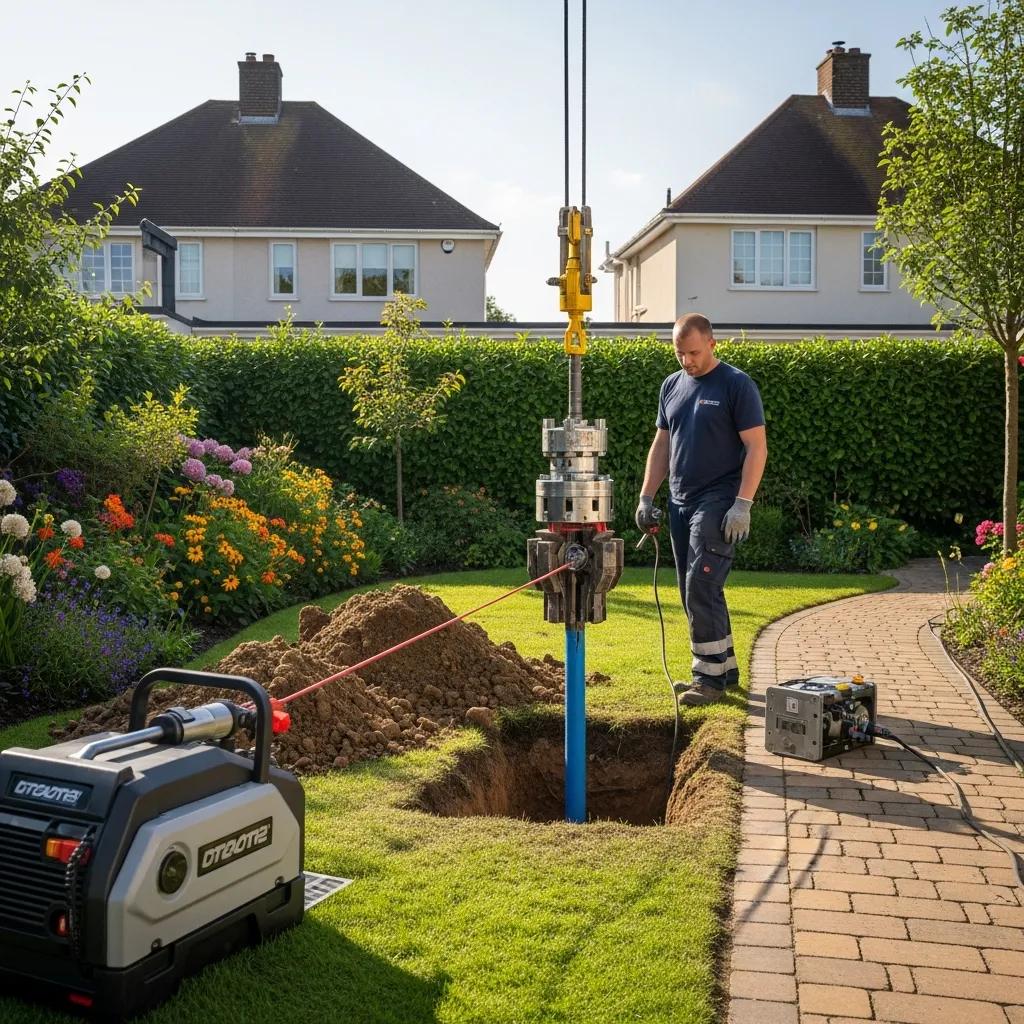
Comprehensive Guide to Trenchless Pipe Replacement Options for Homeowners
Trenchless pipe replacement transforms how homeowners resolve underground plumbing failures by providing a less invasive and more efficient alternative to traditional excavation. This guide examines available trenchless options, their benefits, and potential time and cost savings for homeowners. Damaged or aging pipes often require disruptive excavation; trenchless technology reduces property disturbance while delivering effective repairs. Throughout this article we describe the mechanics of common trenchless methods, including pipe bursting and cured‑in‑place pipe lining, and outline cost considerations and emergency services available through Noble Home Services LLC.
What Is Trenchless Pipe Replacement and How Does It Benefit Homeowners?
Trenchless pipe replacement is a contemporary plumbing approach that repairs or replaces underground pipes through small access points rather than extensive trenches. It employs specialised equipment to install new piping or rehabilitate existing lines with minimal surface impact. Homeowners benefit from reduced property disruption, shorter repair timelines and often lower total project costs compared with open‑cut excavation. This approach preserves landscaping and reduces the need for extensive restoration after repair.
Defining Trenchless Sewer Repair and No Dig Pipe Replacement Methods
Trenchless sewer repair denotes a set of techniques for fixing or replacing sewer lines without widespread excavation. The principal methods are pipe bursting and cured‑in‑place pipe lining; these no‑dig approaches permit repairs with minimal surface disruption. Each technique has specific applications and advantages, so selection should be based on the pipe material, condition and the homeowner’s objectives.
Key Advantages: Minimizing Property Disruption and Repair Time
Trenchless methods provide several clear advantages for homeowners:
- Reduced Disruption: With minimal digging required, homeowners can avoid the extensive disruption that traditional methods often cause.
- Faster Repairs: Trenchless techniques typically result in quicker repair times, allowing homeowners to return to their normal routines sooner.
- Cost-Effectiveness: By reducing the need for extensive excavation, trenchless methods can lead to lower overall repair costs.
Collectively, these benefits make trenchless pipe replacement an attractive option for homeowners facing plumbing issues.
How Does the Pipe Bursting Method Work in Trenchless Plumbing Solutions?
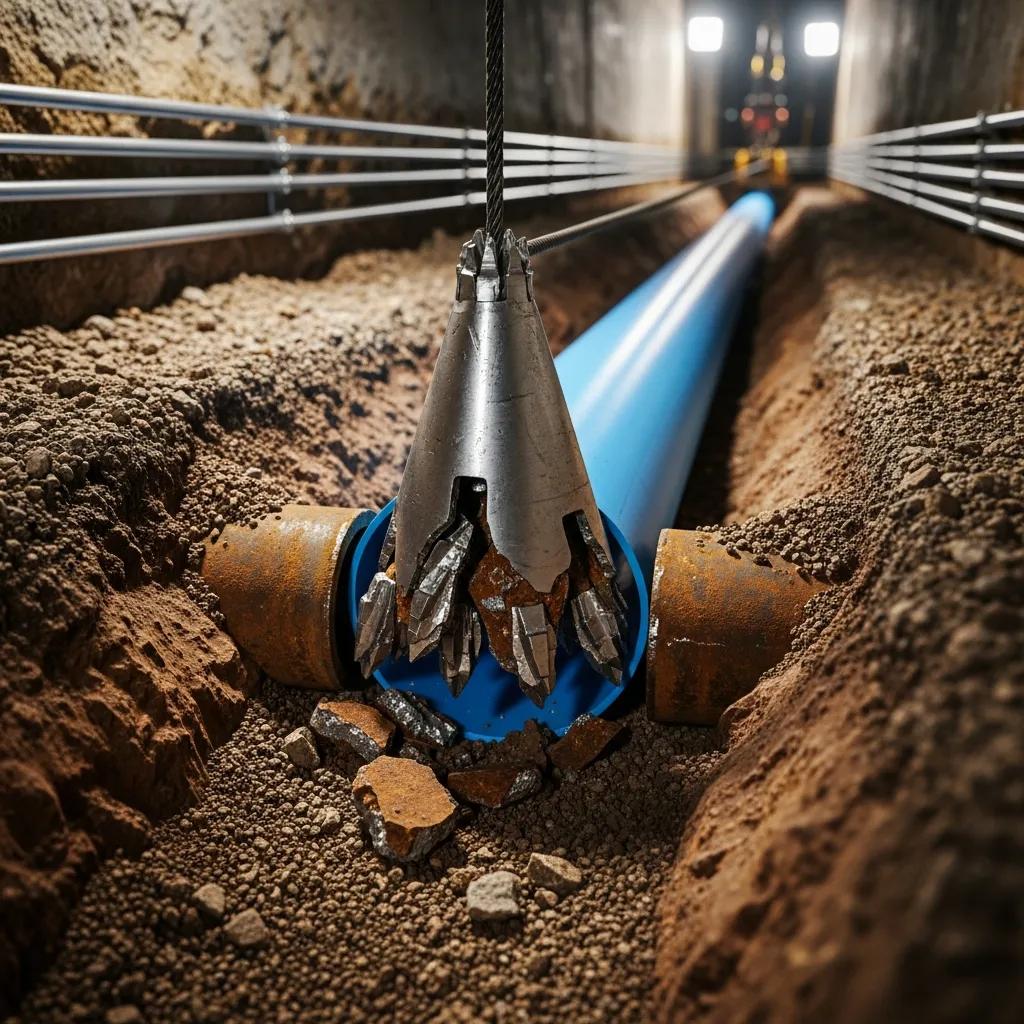
Pipe bursting is a trenchless replacement technique that fractures the existing pipe while simultaneously drawing a new pipe into its place. It is effective for replacing aged or deteriorated lines with durable materials. The procedure begins at a small access pit where a bursting head is introduced. As the head advances, it fragments the old pipe and allows the new pipe to be pulled into position, producing a continuous, efficient replacement.
Step-by-Step Process of Pipe Bursting Technology
The pipe bursting workflow comprises the following stages:
- Assessment: A thorough inspection of the existing pipe is conducted to determine the extent of the damage and the suitability of the pipe bursting method.
- Preparation: Access points are created at both ends of the damaged pipe to facilitate the bursting process.
- Bursting: The bursting head is inserted into the existing pipe, breaking it apart as the new pipe is pulled through.
- Completion: Once the new pipe is in place, the access points are sealed, and the area is restored to its original condition.
This approach is efficient and significantly limits surface disruption.
Suitability and Equipment Used for Pipe Bursting
Pipe bursting is applicable to a range of pipe materials, including clay, cast iron and PVC. The principal equipment includes a bursting head, a pulling rod and the replacement pipe, commonly high‑density polyethylene (HDPE) or another resilient material. Equipment and material selection is determined by project requirements and the condition of the existing pipe. Understanding these factors enables homeowners to make informed repair decisions.
For homeowners evaluating this technique, established guidelines support its safe and effective application across diverse pipeline renewal projects.
Pipe Bursting Guidelines for Trenchless Pipeline Renewal
Guidelines for pipe bursting are essential to ensure effective and safe application of trenchless technology for gas, water and sewer pipeline renewal. The referenced document highlights deficiencies in existing guidance and draws on a comprehensive survey and industry expert input, with attention to various pipe‑bursting systems such as pneumatic and hydraulic expansion.
Guidelines for pipe bursting, RL Sterling, 2001
What Is the Cured In Place Pipe Lining Process and Its Applications?
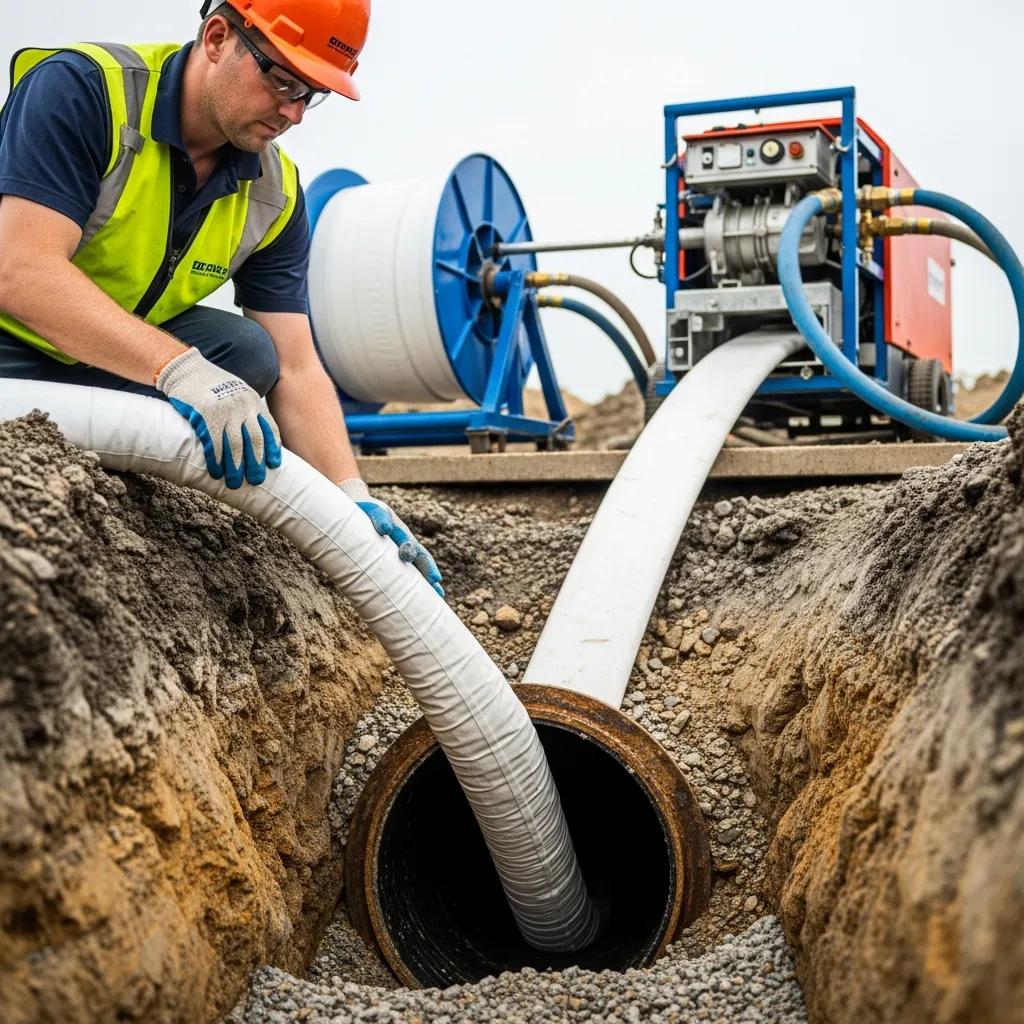
Cured‑in‑place pipe lining (CIPP) is a trenchless rehabilitation method that inserts a flexible, resin‑saturated liner into the existing pipe. The liner is positioned, expanded and cured to create a new pipe within the host pipe. CIPP effectively addresses cracks, leaks and other defects without excavation. It is frequently applied to sewer and water lines and provides a durable, long‑term solution for homeowners.
Indeed, CIPP is widely adopted as a trenchless rehabilitation method that avoids disruptive open‑cut procedures.
CIPP: Common Trenchless Pipe Rehabilitation Without Open Cut
Cured‑in‑place pipe (CIPP) rehabilitation is one of the most commonly used trenchless methods for underground pipes, eliminating the need for open‑cut installation.
Evaluation of cured-in-place pipe lining installations, 2016
Materials and Installation Steps for Cured In Place Pipe Lining
Typical CIPP materials include a felt or fiberglass liner impregnated with a curing resin. The installation sequence generally comprises inspection, cleaning, liner insertion and curing. When executed correctly, these steps produce a new structural pipe formed in situ.
- Inspection: A camera inspection is performed to assess the condition of the existing pipe and identify any issues.
- Cleaning: The pipe is thoroughly cleaned to remove debris and buildup, ensuring proper adhesion of the liner.
- Liner Insertion: The resin-coated liner is inserted into the existing pipe using a specialized machine.
- Curing: The liner is inflated and cured using hot water or steam, hardening the resin and forming a new pipe.
The process is efficient and can often be completed in a single day, minimizing disruption for homeowners.
Lifespan and Effectiveness in Sewer and Water Line Repairs
Trenchless techniques such as pipe bursting and CIPP deliver notable longevity and reliability for sewer and water line repairs. When installed with appropriate materials and under suitable site conditions, repairs may exceed a 50‑year service life. These methods are engineered to withstand subterranean pressures and loads. Regular inspections and preventive maintenance further support long‑term performance.
Long‑term performance of CIPP liners is a central consideration in their design and application for water pipe rehabilitation, reinforcing their practical value.
Long-Term Durability of CIPP Liners for Water Pipe Rehabilitation
Cured‑in‑place pipe (CIPP) liners are a recognised method for pipe rehabilitation; their long‑term material properties are integral to liner design for water pipes.
Long-term properties of cured-in-place pipe liner material, G Fu, 2022
What Are the Cost and Time Considerations for Trenchless Pipe Replacement?
When evaluating trenchless pipe replacement, homeowners should consider both cost and schedule variables. Total project cost depends on the extent of damage, the chosen method and the material specifications. In many cases, trenchless techniques reduce labour and restoration expenses, resulting in lower overall costs compared with traditional excavation.
Factors Influencing Pricing and Duration of Repairs
Several factors can influence the pricing and duration of trenchless pipe replacement, including:
- Extent of Damage: More extensive damage may require additional work and materials, increasing costs.
- Location: The accessibility of the worksite can impact labor costs and timeframes.
- Material Choices: The type of materials selected for the repair can also affect overall costs.
Awareness of these factors enables homeowners to budget more accurately for plumbing repairs.
Comparing Trenchless Methods to Traditional Excavation Costs
When compared with traditional excavation, trenchless methods often yield significant savings. Open‑cut repairs entail extensive digging, higher labour requirements and additional costs to restore landscaping and hardscaping. Trenchless approaches reduce or eliminate much of this restoration work, making them a more economical alternative for many homeowners.
How Can Emergency Trenchless Pipe Repair Services Provide Peace of Mind?
Emergency trenchlessrepair services provide homeowners with rapid, effective responses to urgent plumbing failures. These services address conditions such as severe leaks or pipe bursts while minimizing home disruption. Homeowners can rely on emergency teams to restore system function promptly.
Availability and Responsiveness of Emergency Plumbing Solutions
Emergency plumbing services are available 24/7, ensuring assistance is accessible at any hour. Companies like Noble Home Services LLC maintain readiness to perform urgent trenchless repairs with timely response and professional workmanship. This availability reduces the risk of progressive property damage.
Scheduling and Contacting Noble Home Services LLC for Urgent Repairs
Homeowners may schedule urgent repairs by contacting Noble Home Services LLC at (302) 218-2943. The company is committed to prompt, reliable service and to assisting homeowners during plumbing emergencies. Noble Home Services LLC focuses on customer satisfaction and the delivery of high‑quality trenchless replacement solutions.
Which Areas Are Served for Trenchless Pipe Replacement in Townsend DE and New Castle?
Noble Home Services LLC provides trenchless pipe replacement in Townsend, DE, and the surrounding New Castle area. Local presence enables the company to address regional plumbing conditions with tailored solutions.
Service Coverage and Local Expertise in Townsend and New Castle
The company’s service offering encompasses trenchless pipe replacement, routine maintenance and emergency repairs. With an experienced field team, Noble Home Services LLC is prepared to manage diverse plumbing challenges and to deliver professional results.
Customer Support and Appointment Scheduling Details
Customer support is a priority; a dedicated office team assists homeowners with scheduling and service inquiries. Appointments may be arranged by calling (302) 218-2943, providing straightforward access to required services. The company’s emphasis on clear communication and customer satisfaction supports a reliable service experience.
Frequently Asked Questions
What types of pipes can be replaced using trenchless methods?
Trenchless techniques can replace a range of pipe materials, including clay, cast iron, PVC and certain concrete pipes. The appropriate method—pipe bursting or CIPP—depends on the pipe material and its condition. Homeowners should consult qualified professionals to determine the most suitable approach for their situation.
How long does a trenchless pipe replacement typically take?
The duration of a trenchless pipe replacement varies with the extent of damage, the selected method and site accessibility. Typically, trenchless repairs can be completed within a single day, offering a substantially faster turnaround than traditional excavation, which may require several days or weeks.
Are there any maintenance requirements after trenchless pipe replacement?
Although trenchless repairs are designed for durability, scheduled maintenance remains important. Homeowners should arrange periodic inspections for blockages or leaks. Maintaining proper drainage and avoiding disposal of inappropriate materials into the system will help extend the service life of the repair.
What are the environmental benefits of trenchless pipe replacement?
Trenchless replacement reduces excavation, thereby preserving soil structure and existing landscaping. The reduced use of heavy equipment lowers the project’s carbon footprint versus open‑cut methods. By replacing deteriorated pipes with durable materials, trenchless methods also reduce the risk of leaks and groundwater contamination.
Can trenchless methods be used for both residential and commercial properties?
Yes. Trenchless methods are suitable for both residential and commercial properties. These techniques are adaptable to various system sizes and configurations, delivering effective repairs with minimal disruption and reduced repair times across property types.
What should homeowners look for when choosing a trenchless pipe replacement service?
When selecting a trenchless service, evaluate the contractor’s experience, customer feedback and the breadth of services offered. Confirm licensing and insurance, and inquire about the materials, methods, warranties and maintenance provisions. A reputable provider will offer transparent pricing and clear communication throughout the project.
Conclusion
Trenchless pipe replacement provides homeowners with a modern, lower‑impact solution for underground plumbing issues. Techniques such as pipe bursting and CIPP enable faster repairs and potential cost savings compared with traditional excavation while delivering durable results. For professional guidance and to review available options, contact Noble Home Services LLC.