
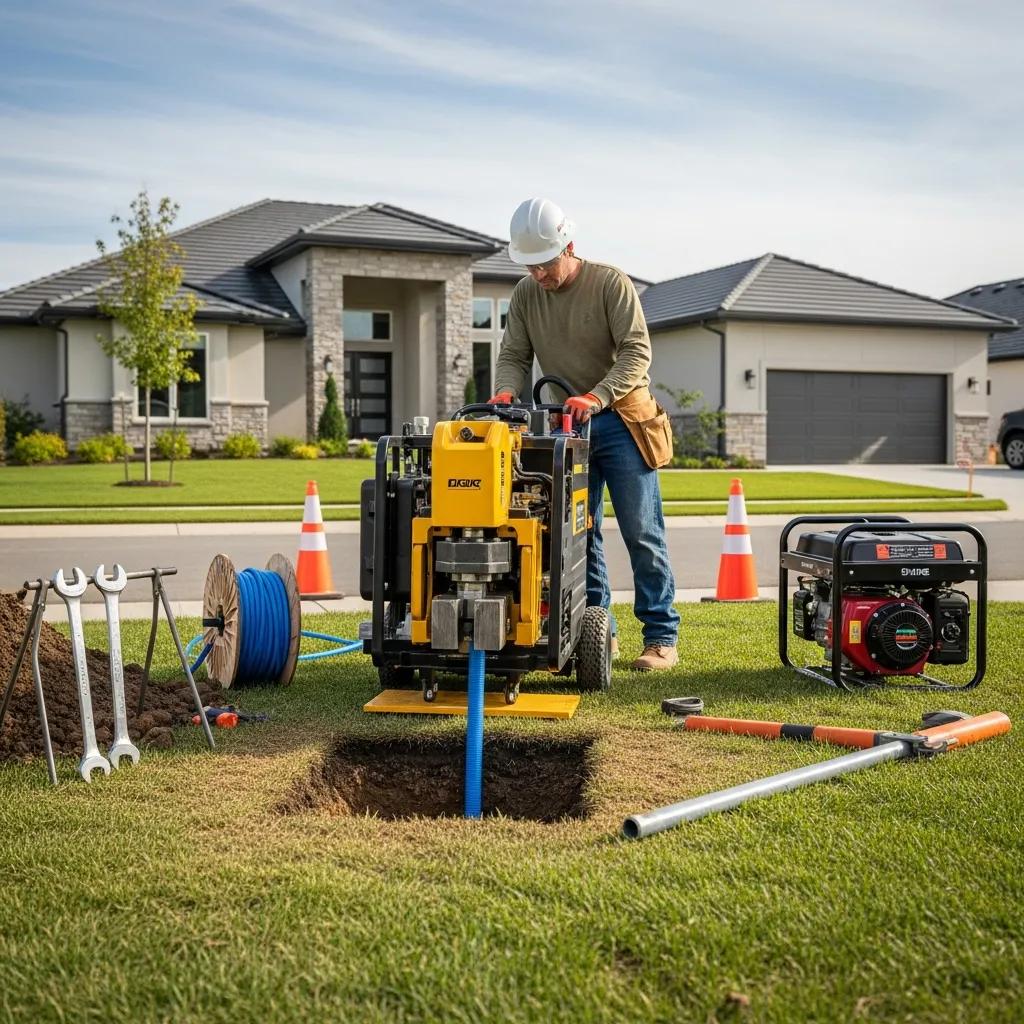
Trenchless Technology for Home Plumbing: What You Need to Know
Trenchless technology has transformed residential plumbing by providing efficient, minimally invasive options for pipe repair and replacement. This article examines the mechanisms, benefits, and principal techniques of trenchless plumbing. Homeowners who face damaged pipes confront costly repairs and significant disruption; trenchless methods reduce excavation, shorten repair timelines, and limit environmental impact. We compare pipe lining and pipe bursting, outline the advantages of no-dig approaches, and describe how Noble Home Services LLC implements these solutions in Townsend, DE.
The adoption of trenchless methods is driven by their capacity to address the principal drawbacks of conventional plumbing repairs.
Trenchless Technology: Minimizing Disruption & Costs
Conventional open-trench methods are costly and cause traffic disruption. Domestic authorities are considering alternative approaches to install and rehabilitate aging underground utilities. The purpose of this study is to investigate the level of awareness and utilization of no-dig (i.e., trenchless technology) methods, the potential of their future growth, and their impact on social costs in a developing country.
Investigating the use of no-dig technologies for underground utilities in developing countries, E Zaneldin, 2020
What Is Trenchless Plumbing Repair and How Does It Work?
Trenchless plumbing repair comprises techniques that enable repair or replacement of underground pipes without extensive excavation. These methods employ technologies such as pipe lining and pipe bursting, allowing technicians to access pipes via small entry points. The primary advantage is a substantial reduction in disturbance to landscaping, driveways, and other surface features. By limiting excavation, homeowners avoid the disruption and restoration costs associated with traditional digging.
How Do Pipe Lining and Pipe Bursting Techniques Differ?
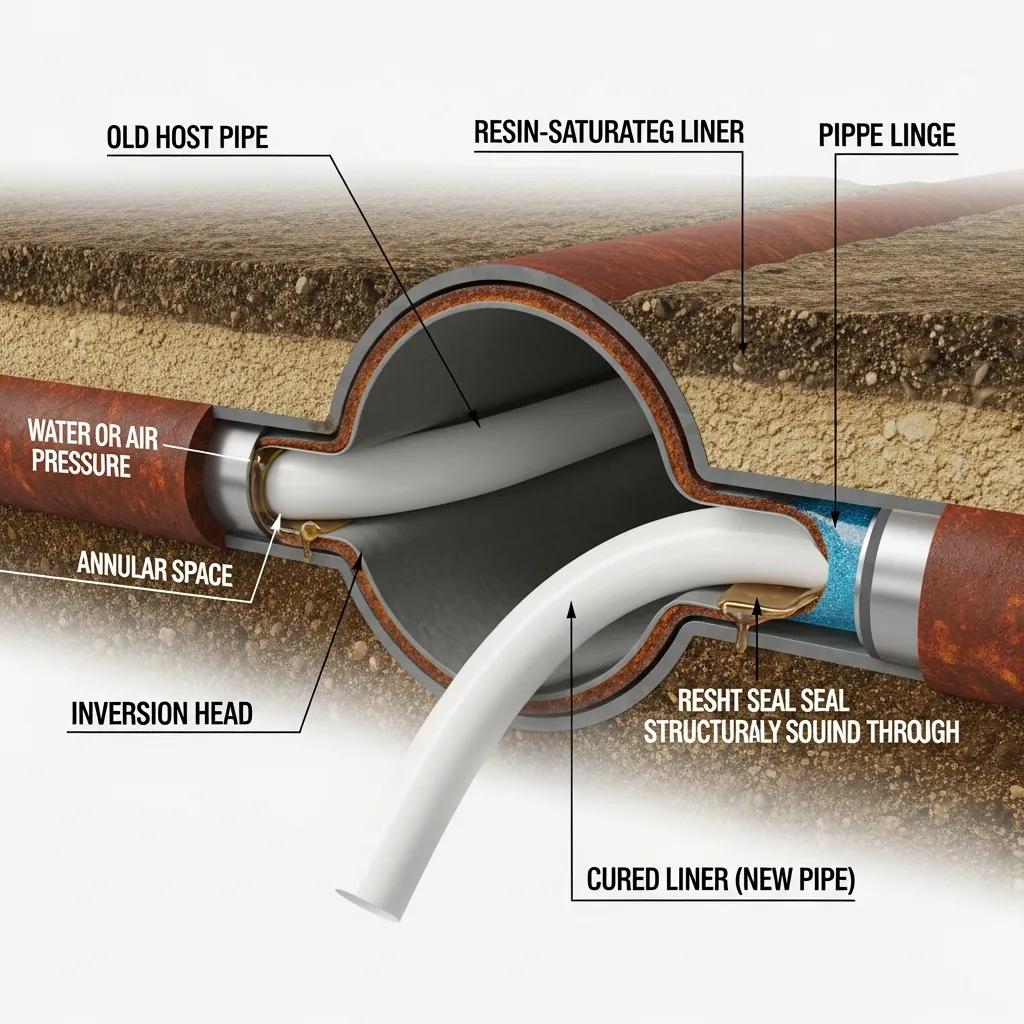
Pipe lining and pipe bursting are the two primary trenchless techniques for repairing damaged pipes.
- Pipe Lining : This method involves inserting a resin-saturated liner into the existing pipe. Once in place, the liner is inflated and cured, forming a new pipe within the old one. This technique is ideal for repairing small cracks and leaks without replacing the entire pipe.
- Pipe Bursting : In contrast, pipe bursting involves breaking apart the old pipe while simultaneously installing a new one. A bursting head is pulled through the existing pipe, which fractures it, allowing the new pipe to take its place. This method is more suitable for severely damaged pipes that require complete replacement.
Understanding these distinctions enables homeowners to select the appropriate solution for their plumbing system’s condition.
What Are the Key Advantages of No Dig Plumbing Repair?
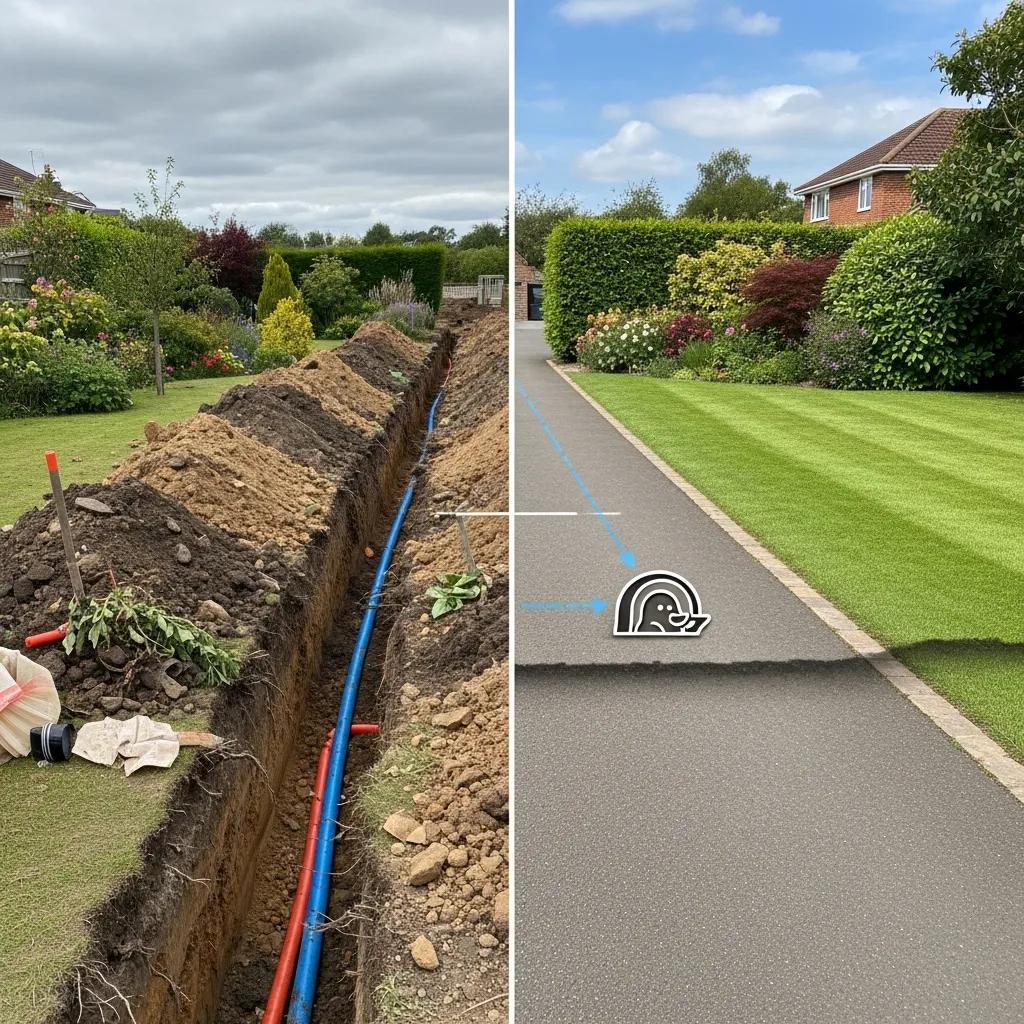
No-dig plumbing repair provides several advantages that make it an attractive option for homeowners:
- Minimized Disruption : Since trenchless methods require minimal excavation, there is less disruption to your property, including landscaping and driveways.
- Cost-Effectiveness : Although the initial costs may be higher, the overall savings from reduced labor and restoration costs can make trenchless repairs more economical in the long run.
- Environmental Benefits : Trenchless technology is more environmentally friendly as it reduces the amount of soil displaced and minimizes the impact on surrounding ecosystems.
These advantages explain why many homeowners choose trenchless solutions over traditional approaches.
What Are the Benefits of Trenchless Technology for Homeowners?
Trenchless technology delivers several benefits specifically tailored to homeowners:
- Long-Term Solutions : The materials used in trenchless repairs, such as cured-in-place pipe (CIPP) liners, are designed to last for decades, providing a durable solution to plumbing issues.
- Efficiency and Speed : Trenchless repairs can often be completed in a fraction of the time compared to traditional methods, allowing homeowners to return to their normal routines quickly.
- Reduced Environmental Impact : By minimizing excavation, trenchless technology helps preserve the environment and reduces the carbon footprint associated with plumbing repairs.
These benefits make trenchless technology a practical and durable option for modern plumbing needs.
How Does Trenchless Repair Minimize Disruption and Environmental Impact?
Trenchless repair methods reduce disruption and environmental impact by eliminating the need for extensive digging. Traditional plumbing repairs often involve large trenches that can damage landscaping, driveways, and other structures. Trenchless approaches use small access points, which preserves surface appearance and reduces the volume of debris and waste generated during repairs. Reduced excavation also lowers the risk of soil erosion and related environmental disturbance.
Why Is Trenchless Technology a Cost-Effective Solution Compared to Traditional Methods?
Trenchless technology can be a cost-effective solution for several reasons:
- Lower Labor Costs : With less excavation required, the labor involved in trenchless repairs is often reduced, leading to lower overall costs.
- Faster Completion Times : Trenchless methods typically take less time to complete, which means homeowners can avoid prolonged disruptions and associated costs.
- Long-Term Savings : The durability of trenchless repairs can lead to fewer future repairs, providing significant savings over time.
Collectively, these factors enhance the cost-effectiveness of trenchless plumbing solutions.
Which Sewer Line Repair Methods Are Available Using Trenchless Technology?
Several sewer-line repair methods are available through trenchless technology, including:
- TrenchlessPipe Lining : This method involves creating a new pipe within the existing damaged pipe, effectively sealing leaks and cracks.
- TrenchlessPipe Bursting : This technique replaces the old pipe by breaking it apart and simultaneously installing a new one.
- Hydro Jetting : This method uses high-pressure water jets to clear blockages and clean pipes, often used in conjunction with other trenchless methods.
These methods provide flexible options for addressing various plumbing issues without the need for extensive excavation.
What Is the Role of Cured In Place Pipe Lining in Sewer Repairs?
Cured-in-place pipe lining (CIPP) plays a central role in sewer repairs by providing a durable and efficient solution for damaged pipes. The process inserts a resin-saturated liner into the existing pipe, which is then inflated and cured to form a new, seamless pipe within the old one. This technique is particularly effective for repairing leaks and cracks because it creates a strong bond with the existing pipe material. CIPP extends the service life of aging sewer systems while minimizing disruption to the surrounding area.
This CIPP method is widely acknowledged as a leading trenchless technique for pipe rehabilitation.
CIPP: Common Trenchless Method for Pipe Rehabilitation
Cured-in-place pipe (CIPP) rehabilitation is one of the most common trenchless methods used for rehabilitating underground pipes without using open cut methods.
Evaluation of cured-in-place pipe lining installations, 2016
How Does Pipe Bursting Facilitate TrenchlessPipe Replacement?
Pipe bursting enables trenchlesspipe replacement by using a specialized bursting head that fractures the old pipe while a new pipe is pulled into place. This method is particularly useful for severely damaged or collapsed pipes that cannot be repaired through lining. The process begins with insertion of the bursting head into the existing pipe; the head fractures the pipe as it advances and the new pipe follows closely behind to ensure a continuous replacement. This technique allows for efficient replacement without extensive excavation.
This innovative technique, commonly called pipe bursting, provides a significant advantage when replacing severely damaged pipes while minimizing environmental and public disturbance.
Pipe Bursting: Trenchless Pipe Replacement for Minimal Disruption
ABSTRACT: Trenchless pipe replacement, or pipe bursting, is a construction method that provides an alternative for rehabilitating underground infrastructure with minimal disruption to the public and environment.
Rehabilitation of underground infrastructure utilizing trenchless pipe replacement, ST Ariaratnam, 2001
How Does Noble Home Services LLC Implement Trenchless Plumbing Solutions in Townsend DE?
Noble Home Services LLC deploys trenchless plumbing solutions using advanced technologies and techniques tailored to the needs of homeowners in Townsend, DE. Their experienced team is trained in both pipe lining and pipe bursting methods, enabling them to address a broad range of plumbing issues effectively. By prioritizing customer satisfaction and employing state-of-the-art equipment, Noble Home Services LLC provides reliable, efficient plumbing solutions that minimize disruption and maximize value for homeowners.
What Emergency Plumbing Services Incorporate Trenchless Technology?
Emergency plumbing services that incorporate trenchless technology include:
- Sewer LineRepairs : Quick response to sewer line issues using trenchless methods to minimize damage and restore service.
- Pipe Leak Repairs : Immediate attention to leaks using pipe lining to prevent further water damage.
- Clog Removal : Utilizing hydro jetting to clear severe blockages in emergency situations.
These services demonstrate the versatility and effectiveness of trenchless technology in urgent plumbing scenarios.
How Does Noble Home Services Ensure Customer Confidence and Satisfaction?
Noble Home Services LLC secures customer confidence and satisfaction through a firm commitment to quality and transparency. Their approach includes:
- Comprehensive Assessments : Providing thorough evaluations of plumbing issues to recommend the best solutions.
- Clear Communication : Keeping customers informed throughout the repair process to build trust and understanding.
- Quality Assurance : Implementing rigorous quality checks to ensure that all repairs meet high standards.
This commitment fosters long-term customer relationships and enhances overall satisfaction.
What Are the Typical Costs and Timeframes for Trenchless Home Plumbing Repairs?
The typical costs and timeframes for trenchless home plumbing repairs vary according to factors such as the extent of damage and the specific method selected. Generally, homeowners can expect:
- Costs : Trenchless repairs may range from $3,000 to $15,000, depending on the complexity of the job.
- Timeframes : Most trenchless repairs can be completed within 1 to 3 days, significantly faster than traditional methods.
These estimates offer a general expectation for homeowners considering trenchless plumbing solutions.
How Do Trenchless Repair Costs Compare to Traditional Excavation Methods?
When comparing trenchless repair costs to traditional excavation methods, several key differences emerge:
This comparison shows that, although trenchless methods may have a higher upfront cost, they frequently produce lower overall expenses and substantially less disruption.
What Is the Expected Longevity of Trenchless Pipe Lining Solutions?
Trenchless pipe lining solutions, particularly cured-in-place pipe (CIPP) liners, are engineered for multi-decade service. Expected longevity typically ranges from 50 to 100 years, depending on material quality and the condition of existing pipes. Regular maintenance and inspections can further extend service life, making these repairs a dependable long-term option for homeowners.
Frequently Asked Questions
What types of materials are used in trenchless plumbing repairs?
Trenchless plumbing repairs commonly employ durable materials such as cured-in-place pipe (CIPP) liners and high-density polyethylene (HDPE) pipe. CIPP liners are resin-saturated materials that form a new pipe within the existing one, while HDPE pipe is flexible and resistant to corrosion. These materials are designed to withstand varied environmental conditions and often provide service lives of 50 to 100 years. The choice of material depends on the specific issue and the condition of the existing pipes.
How can homeowners prepare for a trenchless plumbing repair?
Homeowners should ensure that the work area is accessible by relocating vehicles, outdoor furniture, and other obstructions near access points. It is advisable to inform neighbors about scheduled work if it may cause temporary disruption. Discuss any specific concerns with the plumbing contractor to facilitate a smooth process. Proper preparation helps expedite repairs and reduces complications.
Are there any risks associated with trenchless technology?
While trenchless technology is generally safe and effective, some risks warrant consideration. Potential issues include damage to surrounding structures if existing pipes are severely compromised or if soil conditions are unstable. Improper installation can also produce future problems. To mitigate these risks, hire experienced professionals who employ advanced inspection technologies to assess pipe condition before repairs. Regular maintenance further reduces the likelihood of complications.
What is the environmental impact of trenchless plumbing methods?
Trenchless plumbing methods are designed to minimize environmental impact. By reducing the amount of excavation required, these methods help preserve landscaping, limit soil erosion, and reduce disruption of local ecosystems. Additionally, trenchless technology commonly generates less waste than traditional approaches, since it often repairs existing pipes rather than replacing them entirely. This aligns trenchless methods with sustainable practices.
How does trenchless technology affect property value?
Implementing trenchless technology can positively influence property value by improving the condition of plumbing systems without the extensive disruption associated with traditional methods. Prospective buyers often value reduced maintenance needs and longer-lasting repairs. Properties with updated plumbing systems may attract more interest and command higher prices. Investing in trenchless repairs represents a proactive measure to maintain and enhance property value over time.
What should homeowners expect during the trenchless repair process?
During the trenchless repair process, homeowners should expect a relatively quick and efficient operation. The procedure typically begins with a thorough inspection using specialized cameras to assess pipe condition. After assessment, technicians create small access points to perform the necessary repairs, either through pipe lining or pipe bursting. Homeowners should anticipate minimal disruption, with most repairs completed within 1 to 3 days. Clear communication with the plumbing team supports a smooth experience.
Can Trenchless Technology Fix All Types of Pipe Damage?
Trenchless technology is effective for many types of pipe damage but is not a universal solution. Trenchless methods are best suited to cracks, leaks, and minor blockages. Severely collapsed or extensively damaged pipes may require traditional excavation for complete replacement. A thorough inspection is essential to determine the most appropriate repair method for each situation.
How Is Sewer Inspection Technology Integrated with Trenchless Repairs?
Sewer inspection technology plays a vital role in the trenchless repair process. Utilizing advanced tools such as sewer inspection cameras, plumbers can accurately assess pipe condition before determining the preferred course of action. This technology enables:
- Accurate Diagnosis : Identifying the specific issues affecting the plumbing system.
- Targeted Repairs : Ensuring that only the necessary sections of pipe are addressed, minimizing disruption.
- Preventative Maintenance : Regular inspections can help detect potential problems before they escalate.
Integrating sewer inspection technology with trenchless repairs increases diagnostic accuracy and improves the overall efficiency and effectiveness of plumbing interventions.
Conclusion
Trenchless technology provides homeowners with a modern repair approach that minimizes disruption and environmental impact while delivering durable results. By employing methods such as pipe lining and pipe bursting, homeowners can obtain cost-effective repairs that preserve property aesthetics. Adopting these techniques improves plumbing efficiency and supports sustainable practices. Discover how trenchless solutions can transform your plumbing experience by exploring our services today.