
Trenchless vs Traditional Sewer Repair: Comprehensive Comparison and Cost Analysis for Homeowners
When homeowners encounter sewer problems, they must decide between trenchless and traditional repair approaches. Understanding the distinctions between these methods is essential to make an informed choice that aligns with property requirements and budget constraints. This article examines the methodologies, cost implications, and practical considerations for residents of Townsend and New Castle. After reading, homeowners will have clearer guidance on which method is most appropriate for their situation and when to seek professional assistance.
Traditional Sewer Repair Methods:
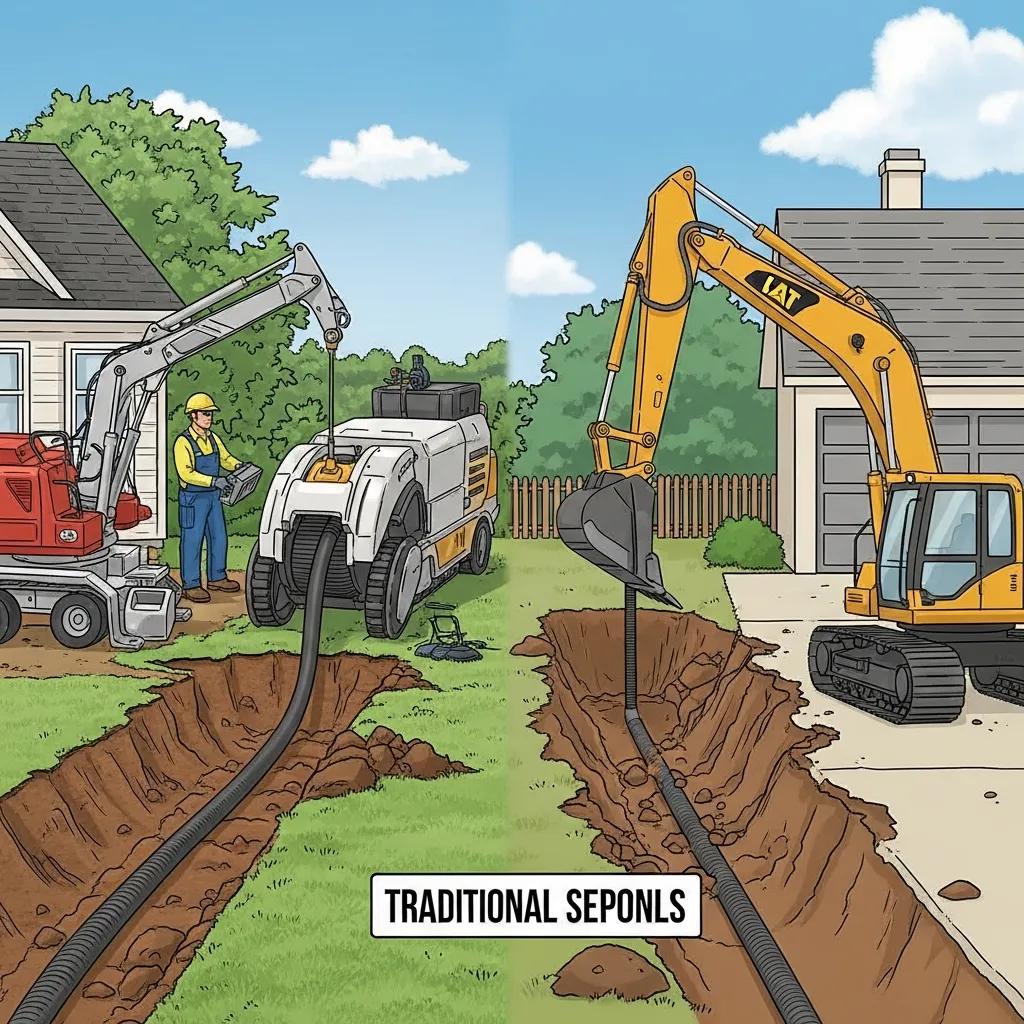
Traditional sewer repair relies on excavation to access and replace damaged pipes. The process typically requires substantial digging that can disrupt landscaping and driveways. Because full sections of pipe are often replaced, this approach restores system functionality comprehensively. However, it can be time-consuming and costly, and it may result in extended disruption for the homeowner.
Overview of Excavation and Pipe Replacement Techniques
Excavation is central to traditional sewer repair. Heavy machinery is used to dig trenches to expose sewer lines, and damaged sections are removed and replaced with new pipe. This technique is effective for severe damage but frequently leads to significant property disruption and additional restoration costs. Homeowners should prepare for impacts to yards and driveways during the process.
Typical Timeline and Impact of Traditional Repairs
Project timelines vary with the extent of damage and repair complexity, commonly ranging from several days to multiple weeks. During this period, property access and normal use may be limited. The restoration of landscaping and hardscaping can further extend the schedule and increase the overall cost of the project.
Trenchless Sewer Repair Methods:
Trenchless repair methods provide a modern alternative that reduces property disturbance. These techniques use specialised equipment and procedures to repair or replace sewer pipes without extensive excavation. Options such as pipe lining and pipe bursting allow work through small access points, thereby minimising impact on surrounding grounds.
Defining Trenchless Sewer Repair Techniques and Technologies
Trenchless repair includes methods such as pipe lining, where a resin-coated liner is inserted into the existing pipe and cured to form a new internal pipe. Pipe bursting replaces the pipe by fracturing the old pipe while simultaneously pulling in a new one. These approaches are less invasive and can often be completed in a fraction of the time required for traditional excavation.
How Trenchless Methods Minimize Property Disruption

One primary advantage of trenchless repair is minimal property disruption. Because only small access points are required, homeowners can avoid the extensive digging associated with traditional methods. This preserves landscaping and typically reduces both the duration and the cost of the repair process, making trenchless techniques an attractive option for many properties.
Cost Analysis:
Cost is a primary factor when evaluating sewer repair options. Both trenchless and traditional approaches have distinct cost structures influenced by the extent of damage, the required repair type, and local labour rates. Understanding these variables supports a more informed decision by the homeowner.
The cost of traditional sewer repair is often higher due to the labour and materials required for excavation and replacement. By contrast, trenchless methods generally provide a more cost-effective solution, particularly for less extensive damage.
How Do Trenchless and Traditional Sewer Repair Costs Compare?
Overall, trenchless repair typically results in lower costs than traditional methods when long-term savings from reduced property damage and restoration are taken into account. Homeowners should compare initial expenditures with potential future expenses when choosing a repair method.
Factors Influencing Trenchless Sewer Repair Cost
Key drivers of trenchless repair cost include the length of pipe requiring attention, the condition of existing infrastructure, and site accessibility. Homeowners should obtain professional estimates specific to their circumstances to achieve accurate cost projections.
Cost Components of Traditional Sewer Repair Methods
Traditional repair costs are commonly itemised into labour, materials, and equipment rental. Excavation frequently represents a significant portion of the expense, so homeowners should assess the full scope of anticipated costs when considering this approach.
What Are the Advantages and Drawbacks of Trenchless Sewer Repair?
Trenchless sewer repair provides notable advantages but also has limitations. A considered evaluation of both benefits and drawbacks will assist homeowners in selecting the most appropriate option.
Benefits Including Reduced Excavation and Faster Completion
- Minimal Disruption: Trenchless methods require less digging, preserving landscaping and hardscaping.
- Faster Repairs: Many trenchless repairs can be completed in a single day, reducing inconvenience.
- Cost-Effective: Lower overall costs due to reduced labor and restoration expenses.
Potential Limitations and Suitability Considerations
- Not Suitable for All Situations: Trenchless methods may not be effective for severely damaged or collapsed pipes.
- Initial Inspection Required: A thorough inspection is necessary to determine if trenchless repair is feasible.
- Technology Limitations: Some older pipe materials may not be compatible with trenchless techniques.
How Do Traditional Sewer Repair Methods Compare in Benefits and Challenges?
Traditional sewer repair methods present distinct advantages and challenges that homeowners should evaluate carefully.
Advantages Such as Comprehensive Pipe Replacement
- Thorough Repairs: Traditional methods allow for complete replacement of damaged sections, ensuring long-term reliability.
- Proven Techniques: Established methods with a long history of success in various conditions.
- Flexibility: Can address a wide range of sewer issues, including severe blockages and collapses.
Drawbacks Including Higher Disruption and Longer Timelines
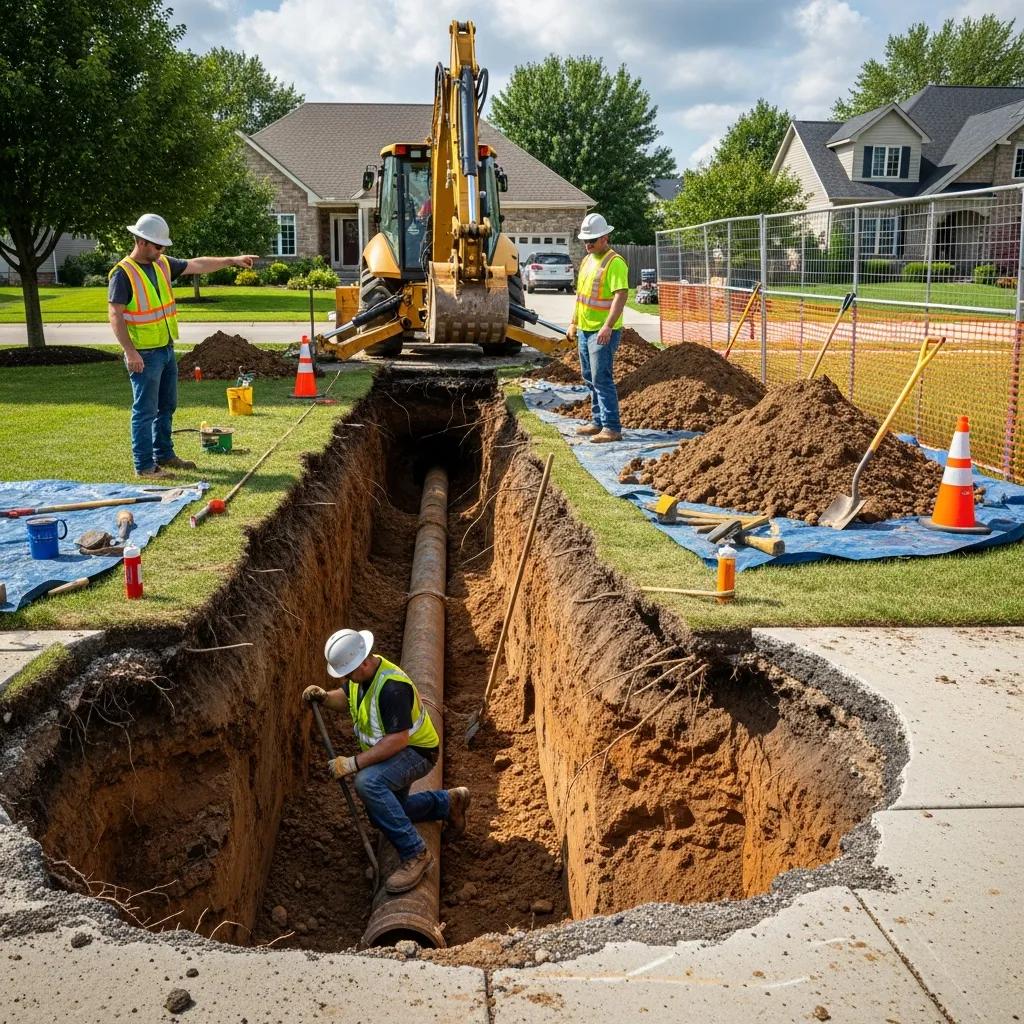
- Significant Disruption: Extensive excavation can lead to major disruptions in landscaping and daily life.
- Longer RepairTimes: Traditional repairs often take longer to complete, leading to increased inconvenience.
- Higher Costs: The overall expense can be significantly higher due to labor and restoration needs.
How to Choose the Right Sewer Repair Method for Your Home in Townsend and New Castle?
Selecting the appropriate sewer repair method requires an assessment of pipe condition, damage extent, and budget. Homeowners should evaluate the factors below to determine the most suitable approach.
Assessing Sewer Pipe Replacement Options Based on Condition and Budget
- Evaluate Pipe Condition: A professional inspection can determine the extent of damage and the best repair method.
- Consider Budget: Weigh the costs of both methods against your financial situation and long-term plans.
- Impact on Property: Consider how each method will affect your property and daily life during the repair process.
When to Contact Noble Home Services LLC for Expert Sewer Repair Guidance
If you observe signs of sewer issues, such as slow drains, foul odors, or sewage backups, contact a qualified professional. Noble Home Services LLC specialises in plumbing and HVAC services and can provide expert guidance on sewer repair options. Their team can assess your situation and recommend the most appropriate course of action for your home.
For immediate assistance, reach out to
Frequently Asked Questions
What are the environmental impacts of trenchless vs traditional sewer repair?
Trenchless methods generally have a lower environmental impact than traditional excavation. Reduced digging limits soil disturbance and helps to preserve existing landscaping and root systems. Traditional repair often requires extensive excavation, which can result in erosion and habitat disruption. Homeowners concerned with environmental outcomes may find trenchless techniques to be the more sustainable option.
How do I know if my sewer line needs repair?
Common indicators that a sewer line requires attention include slow drains, frequent backups, persistent odors, and wet spots in the yard. If any of these signs are present, arrange a professional inspection. A qualified plumber can deploy video camera diagnostics to evaluate pipe condition and determine the extent of damage. Early detection reduces the risk of more extensive and costly repairs.
Are there any warranties or guarantees for sewer repair methods?
Many contractors offer warranties or guarantees for both trenchless and traditional repairs. These warranties commonly cover workmanship and materials. Discuss warranty options with your contractor before work begins. A reputable company will provide clear terms on coverage duration and conditions, ensuring confidence in the repair‘s longevity.
What is the typical lifespan of repaired sewer pipes?
Lifespan varies by repair method and materials. Trenchless repairs such as pipe lining can extend the life of existing pipes by 50 years or more when installed correctly. Traditional replacements can also last several decades depending on the materials selected. Regular maintenance and scheduled inspections will help maximise the longevity of the sewer system.
Can I perform sewer repairs myself, or should I hire a professional?
While homeowners may handle minor plumbing tasks, sewer line repairs are complex and typically require professional expertise. Attempting such work without appropriate knowledge and equipment can cause further damage and incur additional costs. Hiring a licensed plumber ensures work is performed safely, correctly, and in compliance with local codes. It is advisable to consult a professional for sewer-related issues to secure effective, lasting solutions.
What factors should I consider when choosing a sewer repair contractor?
When selecting a contractor, evaluate experience, reputation, and customer feedback. Choose firms that offer both trenchless and traditional services to ensure comprehensive expertise. Verify licensing and insurance to protect against liabilities. Request detailed written estimates and clarify warranty coverage. A reliable contractor will communicate transparently and provide a clear project timeline.
Conclusion
Choosing between trenchless and traditional sewer repair methods can materially affect your property and budget. Trenchless techniques minimise disruption and can be cost-effective for many situations, while traditional methods deliver comprehensive repairs for severe damage. Understanding these options enables homeowners to make decisions aligned with their specific needs. For professional guidance and tailored solutions, contact Noble Home Services LLC today.