
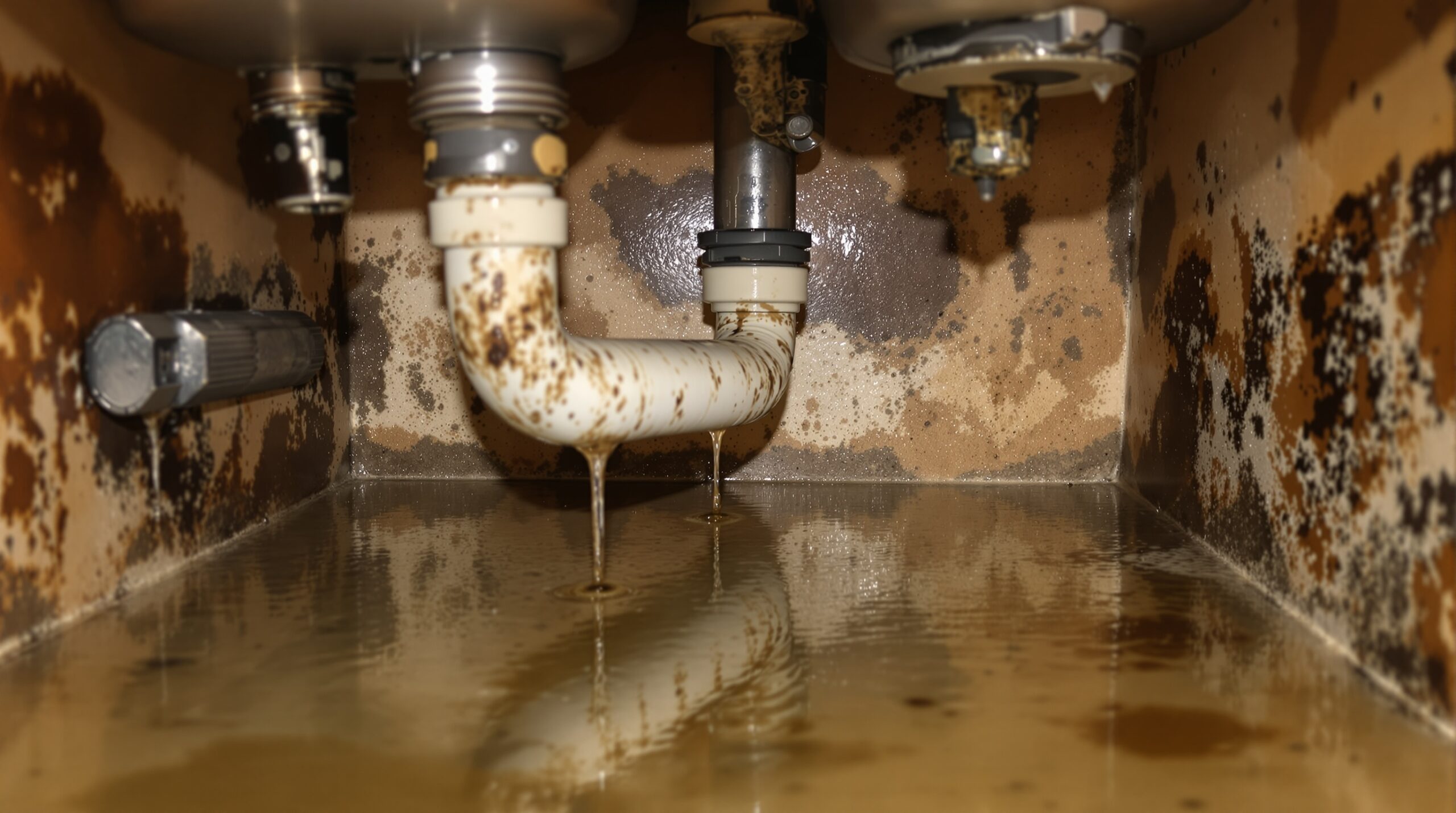
Spot the Signs of Trouble!
Imagine this: You arrive home after a long day to find your basement flooded, your walls peeling, and the smell of mildew creeping in. Yikes! It’s a nightmare that many homeowners in Warwick, DE, hope to avoid. The culprit? A sneaky plumbing leak, hiding silently in your home, waiting to cause chaos. Plumbing leaks are often called a silent threat because they can go unnoticed for so long. But don’t worry! With a little knowledge, you can become a leak-detecting superhero!
Why You Should Care
Plumbing leaks can lead to significant water damage if left unchecked. Even a tiny drip can create big problems over time. From mold growth to structural issues, these leaks can put a real damper on your home life. The good news is that catching these leaks early is easier than you might think. In this guide, we’ll share simple tips to help you spot leaks before they turn your peaceful haven into a watery wasteland. Stay tuned to learn how to keep your home safe and sound!
Identifying the Signs of Hidden Plumbing Leaks in Your Home
Before you can don your cape and swoop in to save the day, it’s crucial to understand the subtle signs of hidden plumbing leaks that can spring up unexpectedly. These indicators might not be as obvious as a steady drip from a faucet, but they can be just as damaging. Here are some of the common red flags that could signal a hidden leak in your abode:
| Sign | Description |
|---|---|
| Water Stains | Look for yellow or brown stains on your ceilings or walls, which indicate moisture buildup. |
| Unexplained Increase in Water Bill | A noticeable spike in your water bill without a corresponding increase in usage could point to a leak. |
| Musty Odors | A persistent musty smell in certain areas of your home can indicate mold growth due to prolonged moisture exposure. |
| Warped Flooring or Walls | Check for areas where floorboards or walls appear warped or have bubbled paint—this could be a sign of hidden moisture. |
| Unexplained Puddles | If you spot unexplained puddles or damp spots in your yard, it’s time to investigate further. |
| Running Water Sounds | Faint sounds of running water when no taps are on can indicate a hidden leak nearby. |
Being vigilant about these signs is the first step in preventing water damage and costly repairs in your home. But remember, even superheroes need a sidekick! If you notice one or several of these signs, it’s best to consult a plumbing professional who can use their superpowers—like advanced leak detection tools and techniques—to identify the source of the problem. Stay alert, and you’ll keep your home safe from the sneaky threat of hidden plumbing leaks!
Effective Leak Detection Tools and Techniques Used by Professionals
When it comes to uncovering hidden plumbing leaks, professionals wield an array of sophisticated tools and techniques that could leave even the most seasoned DIYer green with envy. These devices not only enhance accuracy but also minimize the potential damage that excessive probing can cause to your home. Let’s delve into some of the stalwart leak detection methods used by expert plumbers to detect even the stealthiest of leaks.
- Acuity of Infrared Thermography: This high-tech method involves using infrared cameras to detect temperature variations within walls, ceilings, and floors. Because water leaks often result in cooler surface temperatures, an infrared camera can pinpoint the precise location of a leak without invasive cutting or searching.
- Electronic Leak Detection: Professionals often employ electronic listening devices that can amplify the sound of water escaping from pipes. These supersonic detectors pick up the subtle musical notes of hissing or gurgling that are inaudible to the human ear, allowing plumbers to locate the source of the leak with remarkable precision.
- Moisture Meters: For a more straightforward approach, moisture meters can be used to assess moisture levels within walls or flooring. By taking consistent readings throughout your home, a plumber can identify areas with unusually high moisture levels, signaling the possible presence of a leak.
- Pressure Testing: Plumbers may perform a pressure test on plumbing systems. This involves isolating sections of piping and applying air at a certain pressure level. If there’s a leak, the pressure will drop, indicating where the breach is located.
- Dye Testing: This straightforward yet effective method involves introducing non-toxic dye into the plumbing system. By observing colored water at fixtures or in areas around your home, professionals can quickly trace leaks directly back to their source.
- Video Pipe Inspection: When leaks hide deep within the plumbing system, there’s no better way to investigate than with a video camera attached to a flexible rod. This technology allows plumbers to visually inspect pipes and identify leaks or blockages without needing to perform destructive excavation.
Utilizing these advanced leak detection tools and techniques, professionals can quickly and effectively uncover hidden plumbing issues, allowing them to formulate efficient repair solutions. Understanding these methods can also empower you as a homeowner. By knowing what to expect from a professional service, you can feel more confident when seeking help and ensure your home remains a leak-free haven!
DIY Leak Detection Tips for Warwick, DE Homeowners
While hiring a professional for leak detection can be a smart move, there are many effective measures you can take on your own to identify potential leaks within your home. Armed with a few simple tools and a keen eye, you can empower yourself to tackle leaks before they escalate into a larger problem. Here are some practical DIY leak detection tips that every Warwick homeowner can put to use.
- Conduct the Water Meter Test: One of the simplest ways to check for leaks is to monitor your water meter. Start by recording the meter reading, then turn off all faucets and appliances that use water, including dishwashers and washing machines. Wait a couple of hours without using any water. If the meter changes, you likely have a leak somewhere in your home.
- Inspect Common Leak-Prone Areas: Familiarize yourself with the most common leak locations in your home. Areas such as under sinks, around toilets, and near appliances like dishwashers and washing machines are often hotspots. Look for signs of moisture, discoloration, or mold growth, which may indicate a hidden leak.
- Perform Visual Inspections: Check areas around pipes, water heaters, and the foundation for signs of water pooling or dampness. Pay close attention to ceilings, walls, and floors for any water stains or bulging surfaces that may signal a leak lurking out of view.
- Monitor Water Pressure: A noticeable drop in water pressure can sometimes indicate a leak in the plumbing system. To assess your water pressure, purchase an inexpensive water pressure gauge from a hardware store. If your reading is significantly higher or lower than the normal range (generally between 40-60 psi), consider checking for leaks.
- Check Your Toilets: Toilets can be sneaky culprits when it comes to slow leaks. To test for leaks, add a few drops of food coloring to the toilet tank. Wait for about 30 minutes without flushing, and then check the bowl. If you see colored water in the bowl, you have a leak that needs attention.
- Listen for Drips: Sometimes, the simplest method is just to listen. Turn off all the water sources in your home and listen for faint sounds of dripping or running water. If you hear any suspicious sounds, investigate further, as they could point to a leak.
Implementing these straightforward DIY leak detection methods can empower Warwick homeowners to take proactive steps in safeguarding their homes. By remaining vigilant and attentive to your plumbing system, you can save yourself considerable hassle down the line and protect your home from costly water damage. Whether you’re an experienced DIY enthusiast or a homeowner just looking to learn, these strategies will go a long way in ensuring a leak-free environment.
Local Services in Warwick, DE for Professional Leak Detection
While the DIY approach to leak detection is an excellent starting point for homeowners in Warwick, sometimes the best course of action is to call in the experts. Local professionals not only have the technical know-how but also the right equipment to accurately pinpoint leaks that may be hidden from view. By integrating professional leak detection services into your home maintenance routine, you can address potential issues before they spiral into costly repairs. Below, we explore some of the highly regarded leak detection services available in Warwick, DE, and what they bring to the table.
| Service Provider | Specialization | Contact Information |
|---|---|---|
| Warwick Plumbing Pros | Comprehensive leak detection and plumbing repairs | (302) 555-1234 |
| Delaware Leak Detection | Non-invasive techniques using advanced technology | (302) 555-5678 |
| HomeGuard Services | Water damage assessment and leak detection | (302) 555-8765 |
| Pipe Detective | Thermal imaging and moisture detection | (302) 555-4321 |
When considering a local service, it’s essential to check their reputation and customer reviews. A company’s experience and method of leak detection can greatly influence the outcome of their work. Here are a few key factors to consider when choosing a professional leak detection service in Warwick:
- Technology Used: Look for companies that employ cutting-edge techniques such as acoustic sensors, infrared camera technology, and moisture meters. These tools help locate leaks without invasive digging, saving time and disruption to your property.
- Experience: Opt for providers with a strong track record and extensive experience in the industry. Seasoned professionals are more likely to have encountered a variety of leak scenarios and can rapidly diagnose and rectify issues.
- Customer Testimonials: Before making a selection, review past customer feedback to gain insight into the service quality. Satisfied customers often indicate that a company is reliable, thorough, and effective.
- Response Time: Water leaks can lead to significant damage, so it’s crucial to choose someone who offers quick response times for emergency situations. A prompt arrival can help mitigate potential damage to your home.
By leveraging the expertise of local leak detection specialists, you can complement your DIY efforts and ensure your home’s plumbing system remains in optimal condition. Remember, early detection is key in preventing water damage and preserving the integrity of your home.
Comprehensive Water Damage Prevention Strategies to Protect Your Home
Understanding the importance of early leak detection is one significant step toward safeguarding your home in Warwick, DE. However, preventing water damage goes beyond merely addressing leaks as they arise. A proactive approach involves implementing a comprehensive set of prevention strategies that can significantly reduce the risk and severity of water damage in your home.
One of the most effective prevention strategies is regular maintenance. Schedule periodic inspections of your plumbing system to identify potential issues before they manifest into serious concerns. Regularly check your appliances, such as washing machines and dishwashers, for any signs of wear or leaks. Look for wet spots, rust, or corrosion around these appliances, which could indicate an impending failure. Additionally, ensure that hoses connected to these machines are in good condition and replace them as needed to avoid any unforeseen leaks.
Another crucial aspect of prevention is monitoring the gutters and downspouts of your home. A clogged gutter can direct water towards your home’s foundation, leading to serious structural damage over time. Make it a habit to clean your gutters at least twice a year, and ensure that downspouts are directing water away from your foundation. This simple yet effective maintenance can prevent excess moisture from seeping into your home.
Installing water detection devices in critical areas of your home, such as basements, laundry rooms, and under sinks, can serve as an early warning system. These devices will alert you to moisture levels that exceed normal thresholds, giving you the opportunity to address potential leaks before they cause significant damage. Many modern models are equipped with smartphone alerts and can be integrated into home automation systems, enhancing your overall home security.
In addition to these steps, consider reinforcing waterproofing measures in areas particularly susceptible to water intrusion. Basements and crawl spaces often require specialized attention. The use of sump pumps, waterproof membranes, and proper drainage systems can prevent water from accumulating in these spaces. Professional waterproofing services can provide tailored solutions based on your home’s specific needs and local conditions.
Moreover, it’s essential to educate your family members about water damage prevention. Teach them how to spot the early signs of a leak and encourage them to report any unusual water behavior, such as a sudden increase in water bills or damp spots on walls and ceilings. By involving everyone in your household, you create a vigilant team ready to respond quickly to potential threats of water damage.
Finally, maintaining communication with local services, such as those mentioned earlier in Warwick, DE, plays a vital role in your water damage prevention strategy. Familiarizing yourself with professional services for prompt emergency responses and scheduled inspections can provide an extra layer of protection for your home. Their expertise can help you stay ahead of potential issues, making your home not just a structure of wood and brick, but a sanctuary that remains safe and secure.
In conclusion, protecting your home from water damage involves more than just fixing leaks; it requires a multifaceted approach that includes early detection, maintenance, education, and professional support. By incorporating these comprehensive strategies into your home care routine, you can significantly mitigate the risk of water-related issues and maintain the integrity and longevity of your property.
Signs of Hidden Water Leaks: What to Watch For
When it comes to water leaks, catching them early can save you from the heartache of pervasive damage. But how can you identify these hidden intruders before they wreak havoc? Common signs include unexplained increases in your water bill, damp or discolored patches on walls and ceilings, and a persistent musty smell that lingers throughout your home. Furthermore, if you happen to notice peeling paint or wallpaper, it may indicate moisture buildup beneath the surface. Even the presence of mold or mildew can be a telltale sign that water is lurking where it shouldn’t be. Paying attention to these clues ensures that you can act swiftly and avert serious consequences.
DIY Leak Detection: Methods to Consider
While enlisting professional services can provide a thorough check-up, there are several effective techniques you can employ to detect leaks without external help. Start with a simple visual inspection of your plumbing fixtures and appliances, looking for signs of drips, puddles, or condensation. You can also monitor your water meter: turn off all water sources in your home and observe the meter for movement. If it changes, there’s likely a leak somewhere! Implementing a water leak detection app can also help keep track of water usage patterns, flagging any spikes that may suggest trouble. After all, being proactive is key to maintaining a leak-free environment.
Preventing Water Damage: Smart Measures to Implement
Water damage can be minimized significantly through strategic preventive measures. Ensure that you’re continuously monitoring your plumbing system and investing time in regular maintenance. This can include routinely flushing your water heater to prevent sediment buildup and regularly inspecting the seals around bathtubs, showers, and sinks. Consider investing in adjustable pressure relief valves for your water heater, as they prevent excessive pressure from leading to leaks. Additionally, if you have a yard, ensure proper drainage that directs away from your home, which will also aid in lowering the chances of water pooling around your foundation.
Urgency in Addressing Leaks: When to React
Not all leaks require immediate attention, but understanding which ones do is crucial. If you notice a slow drip but no significant signs of water damage or increases in your bill, it may be manageable with monitoring and timely repairs. However, standing water, significant fluctuations in water pressure, or an unexpected surge in your utility bills demands immediate attention. Ignoring such issues can lead to mold growth, property damage, and higher repair costs in the long run. By learning to distinguish between urgent leaks and minor ones, you can better prioritize your time and resources for effective home maintenance.
Why Vigilance is Key: The Warwick Community’s Role in Water Damage Prevention
In Warwick, DE, civic pride runs deep, and homeownership is often seen as both a personal milestone and a communal responsibility. Understanding the importance of early leak detection and implementing preventative measures is crucial for local residents. Each home not only contributes to the neighborhood’s aesthetic but also its overall stability and value. By staying vigilant and uniting as a community, you can effectively protect your homes from water damage while maintaining the integrity of your treasured sanctuary.
Leak detection is often thought of as a solitary task, one borne solely by the homeowner. However, making this a community affair can amplify effectiveness. Engage with your neighbors in open discussions about water damage awareness. Share tips and experiences, and you might discover hidden leaks or problems in your area. Community workshops or neighborhood gatherings can even focus on best practices for preventative measures. Collaborating with fellow residents creates a support system that enriches everyone involved, fostering a proactive mindset where each household acts as an extra set of eyes for the others.
Furthermore, consider organizing community clean-up days specifically aimed at maintaining common drainage areas and recreational facilities. Whether it’s clearing debris from a nearby storm drain or inspecting community gardens for poor drainage, collective action can dramatically lower the risk of water pooling, which often leads to foundation problems not only for individual homes but for the neighborhood’s infrastructure as a whole.
In Warwick, homeowners can also benefit from local services that specialize in leak detection and water damage prevention. By forming relationships with these providers, you set up a network of safety. Many local professionals offer free consultations or audits that can help identify potential risks, allowing you to tackle issues before they escalate. Not only does this keep your home safe, but it strengthens ties to local businesses that also aim to enrich and secure the community.
Additionally, make use of social media platforms and local community boards to stay informed about upcoming workshops, seminars, or even social media challenges focused on detecting leaks and fostering water conservation awareness. Information spreads faster when shared by neighbors, ensuring that more homes are equipped with the knowledge and tools necessary for leak detection.
To further this communal awareness, share resources about local products that assist in leak prevention. For instance, workshops could include demonstrations on the installation and maintenance of leak detection devices or sump pumps. The goal is to enhance collective knowledge—understanding that protecting your home ultimately serves to protect the entire neighborhood.
Ultimately, water damage prevention is not merely about safeguarding your property; it’s about fortifying your community. By staying vigilant locally and implementing comprehensive prevention measures individually, Warwick residents can form a collective defense against unnecessary water damage. Your commitment to early detection, education, and preventive maintenance paves the way toward a more robust, resilient hometown. This unwavering diligence ensures that homes remain not only standing but continue to thrive, providing peace of mind and stability for generations to come.