
Exploring the Unique Connection Between Well Water Systems and Plumbing in Warwick, DE
Have you ever thought about where the water in your home comes from? For many people in Warwick, Delaware, the answer is “well water.” This special system plays a huge role in how water flows through our homes, making it important for all of us to understand. But why should we care? Well, the relationship between well water systems and plumbing isn’t just about what you drink! It impacts everything from your daily shower to how you wash dishes.
Why Understanding Well Water Matters
In Warwick, where many families rely on wells, knowing how these systems work helps keep our homes running smoothly. Well water is sourced right from the ground beneath us, and just like our bodies, it needs care and attention. By understanding your well water system, you can make sure your plumbing stays healthy, too.
Wondering where to start? In this article, we will guide you through the ins and outs of well water systems, how they connect to your home’s plumbing, and tips to ensure everything runs like a charm. So, grab a glass of water, and let’s dive into the fascinating world of well water in Warwick!
Overview of Well Water Systems in Warwick
Well water systems are not just commonplace in Warwick; they are a fundamental part of many households, providing a natural and reliable source of water. With the unique geological profile of Delaware, homeowners here often choose wells over municipal water sources. In fact, it’s estimated that over 50% of properties in Warwick utilize well water for their daily needs. This deep-rooted tradition brings about its own quirks and benefits, making it crucial for residents to have a firm grasp on how these systems operate.
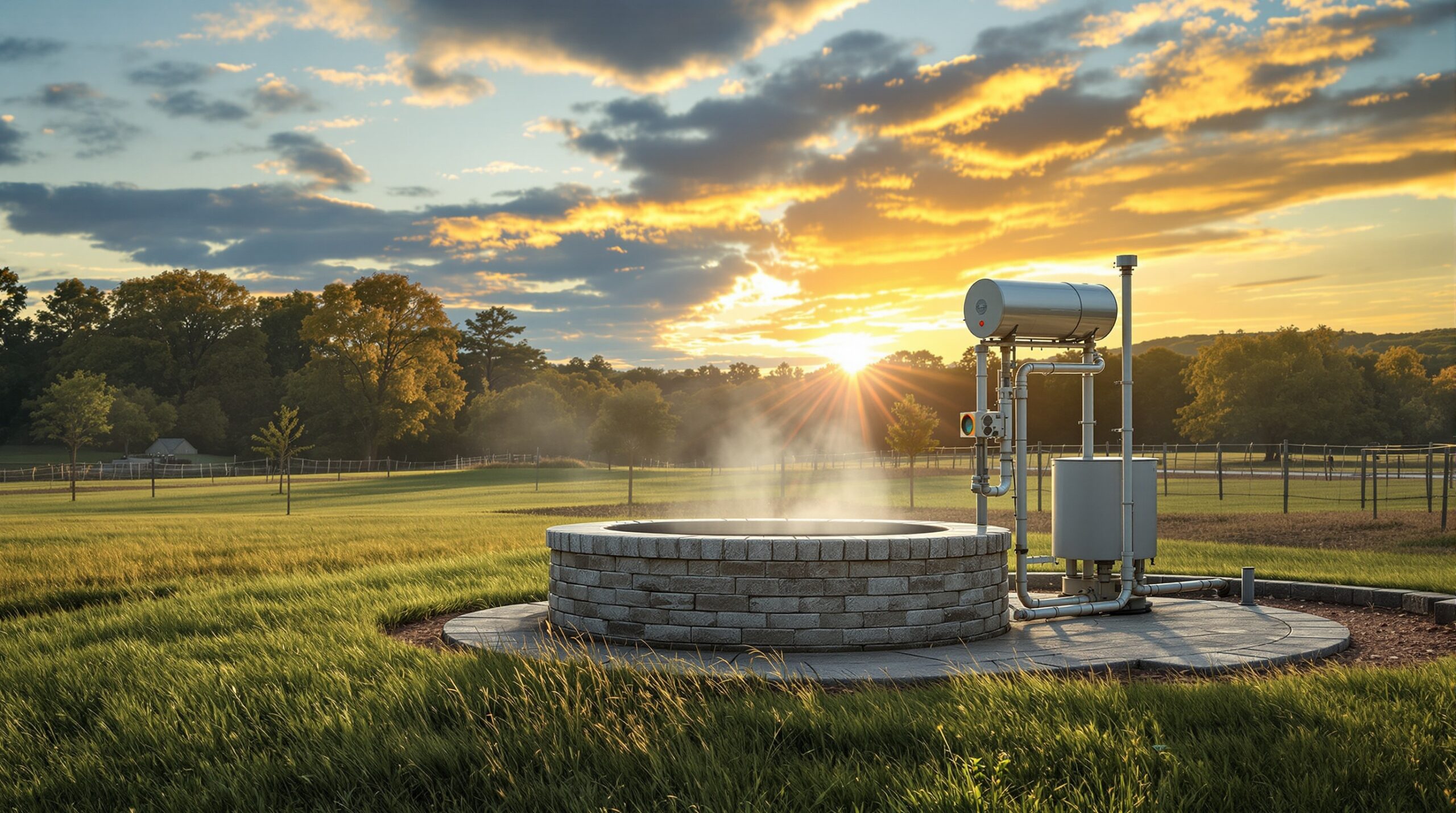
At the heart of a well water system is a submersible pump, typically situated deep within the well itself, which brings water to the surface. From there, the water travels through a series of pipes and into a pressure tank, where it is stored until needed. This pressure tank plays a vital role; it not only regulates water flow throughout the home but also maintains adequate pressure in the plumbing system. Let’s break down the basic components involved:
| Component | Description |
|---|---|
| Well | A drilled hole in the ground that taps into underground water sources. |
| Submersible Pump | Electric pump located at the bottom of the well that pushes water to the surface. |
| Pressure Tank | A tank that stores water and maintains pressure in the plumbing system. |
| Distribution System | Pipes that connect the pressure tank to household fixtures and appliances. |
| Filtration System | Optional system to remove impurities and enhance water quality before it reaches the tap. |
Understanding these components is essential to grasp how well water systems function within residential settings. The water, drawn from depths often exceeding a hundred feet, is generally clean and safe but may contain naturally occurring minerals and particles that can impact its quality and usability. Through continuous circulation and pressure regulation, well water systems provide a consistent supply, playing a critical role in everything from daily hygiene practices to culinary uses.
As water flows through the plumbing, it’s not just the source but the entire system that works together, ensuring that Warwick families have access to fresh, clear water. Whether you’re taking a long shower after a day at work, washing fresh vegetables from your garden, or simply pouring a glass to sip while reading a good book, understanding how these systems operate is vital for effective home maintenance.
In summary, well water systems in Warwick are a blend of nature’s bounty and engineering, presenting unique advantages. As we proceed to the next section, we will explore how the composition of well water can affect plumbing fixtures across these homes, shedding light on essential care strategies to keep everything running smoothly.
Effects of Well Water on Plumbing Fixtures
Well water, while often a pristine source of hydration, carries with it a suite of challenges that can impact the plumbing fixtures in Warwick homes. Before we dive into the specifics, it’s essential to acknowledge that the very minerals that contribute to the water’s unique flavor and health benefits can also lead to wear over time. Common culprits include calcium, magnesium, iron, and various sediments, which may not only affect taste but also the longevity of your plumbing systems.
One of the most noticeable effects of hard well water is the gradual buildup of mineral deposits, commonly referred to as limescale or mineral scaling. This can become particularly evident around faucets and showerheads, where the water evaporates and leaves behind these stubborn residues. Over time, such deposits can impede water flow, resulting in reduced pressure and uneven distribution. Homeowners might notice trickling water instead of a steady stream, especially from frequently-used fixtures like kitchen faucets and bathroom showers.
Another common issue arising from well water is staining, particularly from iron and manganese. Sinks, tubs, and toilets can suffer from unsightly rust-colored or black stains, which can be both frustrating and distracting. These stains not only affect aesthetics but can also indicate more severe damage and corrosion within the plumbing system. If left unaddressed, these mineral deposits can lead to significant wear and even failure of fixtures such as faucets, valves, and toilets, necessitating their premature replacement.
Moreover, Sediments in well water can cause clogs and blockages. Larger particulates can accumulate within pipes, fixtures, and appliances, leading to slow drains or even complete obstruction. This can also place strain on the plumbing system, potentially leading to leaks or burst pipes if not addressed promptly. Signs of sediment issues may include gurgling sounds in drains, water that takes longer to drain from sinks, or decreased heating efficiency in hot water systems.
Maintaining the health of your plumbing fixtures is paramount in combating these well water-related issues. Regular inspections can go a long way; checking aerators and showerheads for mineral buildup can help ensure that water flow remains consistent. For stubborn stains, a gentle cleaning solution specifically designed for mineral removal can work wonders without damaging fixtures. Additionally, homeowners may want to consider installing a whole-house water filtration or softening system. These systems are designed to reduce mineral content and sediment, offering a buffer that can protect your plumbing installations.
Understanding the signs of wear and tear specific to well water usage—such as mineral buildup, staining, and sediment accumulation—can help you respond proactively. By taking these steps to maintain plumbing fixtures, Warwick residents can ensure that their well water systems remain effective, the water stays clean, and the fixtures retain their functionality and appearance.
When it comes to well water, the hidden costs of neglecting plumbing issues can accumulate over time, making proactive maintenance essential for every homeowner in Warwick. By implementing sound practices, the longevity of plumbing systems can be safeguarded while ensuring that the water quality remains uncompromised. Here are some common plumbing issues linked to well water, as well as maintenance strategies to preemptively address them.
One of the most prevalent problems faced by homeowners using well water is the notorious buildup of hard water minerals. This buildup can occur in pipes and fixtures, drastically affecting water flow and pressure. To combat this, it’s advisable to routinely flush your system. Start by running all the faucets in your home for a few minutes, especially those that are rarely used. This simple practice can help dislodge any mineral deposits and keep water flowing smoothly.
Another frequent problem is the presence of iron or sediment, which can lead to pipe clogs and unsightly stains. Regularly inspecting your water filter system—if you have one—should be a key part of your maintenance schedule. Change filters according to the manufacturer’s guidelines to ensure that sediment doesn’t accumulate and make its way into your plumbing. You can also install sediment filters at the entry point of your home’s water supply to catch larger particles before they enter your plumbing system.
For fixtures that endure consistent hard water usage, like showerheads and faucets, consider descaling them every few months. Soaking them in a vinegar solution can break down mineral buildup effectively without damaging the surfaces. Furthermore, inspecting aerators for clogs and cleaning them regularly will help keep your water flow strong throughout your home.
It’s equally crucial to keep an eye on your hot water heater, as well water can lead to internal corrosion if not monitored. Sediment can settle at the bottom of your water heater tank, reducing efficiency and potentially leading to breakdowns. Periodically draining and flushing your water heater will help maintain its performance and extend its life. This process can typically be done once a year, depending on usage and sediment levels.
Lastly, consider scheduling regular professional inspections to catch issues before they escalate. A plumbing professional can assess water quality, check for leaks, and ensure that your filtration systems are functioning correctly. Since well water can vary significantly by location, they can tailor their advice to best suit the water composition in Warwick.
In summary, staying vigilant with routine maintenance tasks not only minimizes the risks associated with well water but also enhances the overall health of your plumbing systems. By taking these preventative measures, Warwick homeowners can seamlessly enjoy the benefits of their well water without the headaches associated with common plumbing issues.
To truly safeguard your plumbing system and ensure optimal performance, regular monitoring and maintenance practices play a crucial role. Here are some practical preventative measures that every homeowner, especially those relying on well water, should consider integrating into their routine household chores.
1. **Conduct Routine Water Quality Tests**: Testing your well water at least once a year is vital to monitor for contaminants and chemical levels. Testing kits are available at local hardware stores, or you can enlist a professional service for more comprehensive analysis. Keep a log of results to track any changes over time.
2. **Check for Leaks and Drips**: Make it a habit to regularly inspect your plumbing fixtures and connections for signs of leaks or water stains. Pay close attention to areas around sinks, toilets, and beneath the basement or crawl space. Even minor leaks can indicate underlying issues that need immediate attention.
3. **Maintain Your Well Pump**: Your well pump is the heart of your well system. Look for any unusual noises or vibrations that could indicate malfunction. Additionally, make sure to inspect the electrical controls and ensure that the pump’s pressure switch is functioning correctly.
4. **Seasonal Maintenance Checks**: With seasonal changes, doing a quick system check can prevent many unforeseen plumbing issues. Before winter sets in, protect your pipes from freezing by insulating them, especially those in unheated areas. Similarly, inspect your well casing for cracks or deterioration that could invite contaminants during spring thaw.
5. **Monitor Water Usage Patterns**: Keeping an eye on your water bill and usage can alert you to potential issues. A sudden increase in water use may suggest leaks or inefficiencies in the plumbing system. Appoint designated times to take readings on your well pump and water usage to notice any irregularities early on.
| Maintenance Task | Frequency | Notes |
|---|---|---|
| Water Quality Testing | Once a Year | Use test kits or professional services to detect contaminants. |
| Inspect Fixtures & Pipes | Monthly | Look for leaks, cracks, or corrosion signs. |
| Flushing System | Every 3 Months | Run all faucets to prevent mineral buildup. |
| Hot Water Heater Maintenance | Once a Year | Drain tank to prevent sediment buildup. |
| Well Pump Inspection | Quarterly | Check for unusual sounds or operational issues. |
By incorporating these preventative measures into your household routine, you can maintain an efficient plumbing system that effectively leverages the benefits of your well water. Proactive care not only enhances performance but also extends the life of your plumbing system, ensuring you can enjoy the full advantages of this natural resource.
In addition to the practical measures outlined, transitioning to a well water system presents significant advantages that go beyond mere functionality, especially within the vibrant community of Warwick. One of the most compelling benefits is the cost-effectiveness of well water systems. Once established, residential well systems often lead to lower monthly water expenses, as homeowners are no longer reliant on municipal water supplies. This financial relief can be especially beneficial in areas where water rates are on the rise. Moreover, since well water is free from many of the surcharges often associated with city water—such as treatment and distribution costs—homeowners can redirect these savings toward other essential household needs or investments.
Beyond the economic aspect, the environmental benefits associated with well water systems cannot be understated. Using well water minimizes the carbon footprint associated with transporting water from treatment facilities to homes. In the broader context of sustainability, local well systems contribute to reduced energy consumption and promote the conservation of pristine water resources. For Warwick residents, harnessing natural groundwater can result in more mindful water usage practices, fostering a community ethos that values resource preservation.
Moreover, when it comes to water quality management, well water systems offer unique advantages. Warwick’s aquifers, like many others, harbor naturally occurring minerals and elements that can lend distinct characteristics to water quality—elements often absent in municipal supplies that undergo extensive treatment processes. With proper oversight, families can enjoy fresher and potentially healthier water straight from their taps. Regular testing, one of the critical maintenance measures highlighted earlier, enables residents to make informed decisions about their water quality, ensuring that any undesired contaminants can be identified and addressed in a timely manner.
By taking a proactive stance on their well water systems, Warwick homeowners have the opportunity to tailor their water quality management to meet their specific household needs. As the demand for clean and sustainable water increases, understanding and embracing the advantages of well water systems is essential for reinforcing local resilience. Residents are encouraged to foster a culture of ownership over their water resources, recognizing that regular inspections and maintenance not only enhance their day’s-to-day plumbing health but also contribute to the long-term environmental stewardship that Warwick seeks to uphold. It is imperative, therefore, for homeowners to seek professional consultation whenever they encounter discrepancies in water quality or system performance. By collaborating with experts in the field, residents can tackle issues promptly and ensure their well water systems operate at peak efficiency.
For Warwick residents, understanding the importance of maintaining a well water system is paramount to ensuring plumbing health and overall household functionality. One of the keys to a successful well water experience is periodic inspections of the system. Ideally, homeowners should check their well system at least once a year. This routine examination allows for early detection of any potential issues—such as pump malfunctions or pressure changes—that could ultimately affect the quality of water and the efficiency of plumbing systems. Additionally, biannual water testing for bacteria, nitrates, and other contaminants is encouraged to assess the safety and quality of the water, providing peace of mind to families who rely on this vital resource.
As vigilant as homeowners may be, how can one detect that their well water is negatively impacting their plumbing? There are several telltale signs to keep an eye on. For instance, if you begin to notice discoloration in your water, such as a yellow or brown tint, it may be indicative of sediment infiltration or other issues within the well system. A sudden increase in scale build-up around faucets, showerheads, or plumbing fixtures can point to hard water problems, which could lead to clogs and reduced water flow. Unpleasant odors or unusual tastes in your water can signal bacterial growth or the presence of metals, necessitating immediate professional evaluation. Moreover, if plumbing fixtures are showing signs of corrosion or rust, this may be linked back to the quality of well water and warrants a prompt assessment.
It’s essential for Warwick homeowners to approach any abnormalities with caution and seek professional consultation as soon as they suspect an issue. Engaging with water quality specialists can provide critical insights and remedial strategies tailored to the specific plumbing challenges faced. These experts not only have the tools and knowledge to diagnose problems effectively but can also assist in making necessary adjustments to protect the health of both the plumbing system and household members. Developing a relationship with a trusted plumbing and water quality professional fosters a proactive approach to system maintenance—ensuring that homes remain safe, functional, and in harmony with Warwick’s commitment to environmental stewardship.
Understanding the dynamics of well water systems goes far beyond simply appreciating its cost and environmental benefits; it starts with recognizing the essence of regular maintenance and vigilance. For the residents of Warwick, ensuring the health of their plumbing begins with a deep dive into their well water systems. Just like any other household system, well water requires consistent attention and inspection to thrive. This proactive approach not only enhances the quality of water but also protects the home’s plumbing infrastructure as a whole.
Regular inspections of well water systems allow homeowners to detect and monitor potential problems before they escalate into costly repairs or health risks. For instance, checking for signs of pump malfunction, leaks, or unusual fluctuations in water pressure can save residents from facing serious water quality issues down the line. Homeowners should also be aware of potential changes in water color or odor, as these can serve as immediate indicators that something isn’t quite right. By committing to a routine examination of their systems, Warwick residents can cultivate peace of mind while actively participating in the preservation of their water supply.
However, self-inspection is just part of the equation. The complexity of well water systems necessitates professional input to ensure everything is functioning smoothly and safely. Experts in the field possess the training and tools essential for thorough assessments—whether it’s through comprehensive water testing, inspecting pumps and tanks, or assessing the overall integrity of the well itself. By establishing a partnership with a professional service, homeowners not only gain valuable insights into the condition of their water system but also receive tailored advice on maintaining optimal performance. This step is crucial, especially when challenging situations arise that go beyond the realm of routine homeowner upkeep.
Moreover, professionals can assist in creating a customized maintenance schedule that aligns with the specific needs of each well water system—a service that can significantly reduce the chances of unexpected breakdowns. By developing a rapport with a knowledgeable technician, residents can develop a thorough understanding of their well water system, fostering a culture of accountability and care within the community. Engaging experts not only ensures proper system functioning but also cultivates a shared responsibility that reinforces Warwick’s overall commitment to sustainable living.
In summary, for anyone residing in the picturesque town of Warwick, the journey toward ensuring the purity and safety of well water is entirely within reach. By integrating regular inspections into their routines and seeking professional guidance whenever issues arise, residents can navigate their well water systems with confidence. This cultural shift toward proactive management heralds a future where cleaner, safer water is not just an aspiration, but a reality for every household. In a world where the health of natural resources correlates directly with community well-being, embracing this knowledge empowers Warwick residents to become custodians of their natural water sources, ensuring longevity and vibrancy for generations to come.