
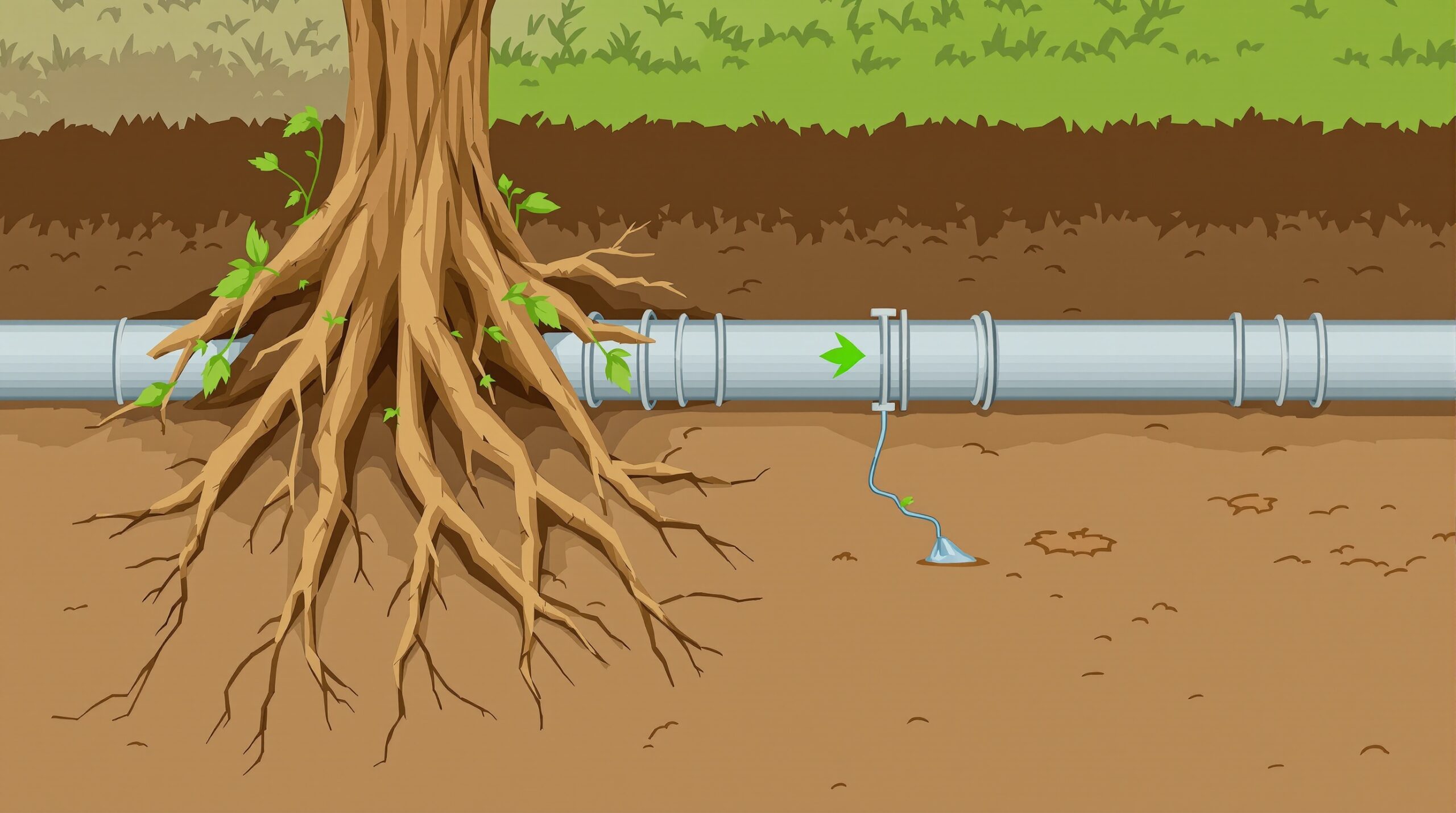
Understanding the Hidden Danger
Picture this: you’re enjoying a sunny Saturday afternoon in Delaware, sipping lemonade on your porch, when suddenly, you smell something foul. You rush inside to discover that a water backup is wreaking havoc in your home. What could have caused such chaos? The answer might lie right outside your window, hidden beneath the ground.
The Unseen Connection
Many homeowners don’t realize that the trees standing proudly in their yards have a secret life below the surface. Tree roots are like little explorers, constantly searching for moisture and nutrients underground. Sometimes, their relentless quest leads them straight to your sewer lines. This intriguing relationship between tree roots and sewer pipes is a common yet often overlooked issue that can lead to significant problems.
Why Should You Care?
For the average Delaware homeowner, understanding this connection is crucial to maintaining a happy and healthy home. Tree roots can sneak into sewer lines and cause blockages, leading to messy, expensive repairs. But fear not! By being aware and taking some simple preventative measures, you can protect your home and ensure that your outdoor oasis remains a peaceful retreat.
Let’s delve deeper into the fascinating world of tree roots and sewer lines, and uncover how you can keep your home safe from this silent culprit!
How Tree Roots Intrude on Sewer Lines
Imagine a delicate balance within the earth, where nature’s thirst for survival can clash with modern infrastructure. The very essence of trees lies in their roots, and these roots have an uncanny ability to detect moisture from underground water sources—like the precious lifeline of your sewer lines. The journey of a tree root toward your sewer system typically unfolds in a series of fascinating yet destructive steps.
When the soil surrounding a tree becomes dry, the roots begin to spread out in search of water. This instinctual search is primarily driven by the need for hydration, but it’s important to note that tree roots can sense even the faintest traces of moisture, including that found in cracked or leaky sewer pipes. As they grow, these roots can infiltrate small fractures or loose joints in the pipes, eager to access the water flowing within.
Initially, the invasion might be subtle. A tiny root will find its way in through a minor crack, and once inside, it begins to thrive. It feeds on the nutrient-rich wastewater while stimulating further growth. Over time, this small intrusion can lead to larger root masses forming inside the pipe, creating blockages that restrict the flow of wastewater and potentially causing significant backups.
The following table provides insights into how tree roots typically interact with sewer lines, detailing the stages of intrusion alongside effects that may occur:
| Stage | Action | Effect on Sewer Line |
|---|---|---|
| 1 | Detection of Moisture | Roots extend towards any water source |
| 2 | Infiltration | Roots penetrate tiny cracks or loose joints |
| 3 | Growth Inside Pipe | Roots begin to obstruct water flow |
| 4 | Blockage Formation | Severe backups and flooding can occur |
What may start as a mere trickle of curiosity can culminate in a full-blown crisis within your plumbing system. Recognizing this natural behavior of tree roots not only empowers you as a homeowner but also equips you to implement strategic measures to safeguard your sewer lines. So, the next time you glance at that majestic oak or playful willow in your yard, remember the hidden ambitions thriving beneath the surface—watchful, relentless, and always on the lookout for their next water source!
Signs of Tree Root Intrusion: Identifying the Early Warning Signs
As beautiful as they might be, the trees in your yard can harbor a hidden menace that threatens one of your home’s essential systems. Tree root intrusion is often a silent issue, and by the time you notice the telltale signs, it may be too late. Unfortunately, the stakes are high—what starts as a minor inconvenience can quickly escalate into a plumbing disaster. Understanding the signs that indicate roots have begun their incursion can be the difference between a simple fix and a major headache.
One of the first signs of tree root intrusion is slow drainage. If you notice that your sinks, tubs, or toilets aren’t emptying as quickly as they used to, it could be your plumbing system’s way of sounding the alarm. As roots restrict the flow of wastewater, you may sense a change in how quickly water moves through your pipes. While it might be tempting to dismiss this symptom as typical wear and tear, it’s crucial to pay attention—especially if multiple fixtures are affected.
Recurring backups are another significant red flag. Have you found yourself plunging your toilet or snaking your drain more often than usual? If backups happen more than once in a short period, the culprit may be lurking beneath the surface. Improved maintenance practices like regular cleanings might offer temporary relief, but if roots are present, these measures will likely become increasingly futile.
Unpleasant odors wafting from drains can also serve as a telltale sign of tree root problems. As sewage flow becomes obstructed by root growth, waste may not travel as intended, leading to stagnant wastewater buildup and foul smells escaping from drains. This sensory cue should never be ignored; it’s both a warning of potential plumbing issues and a health concern for your household.
Physical symptoms of intrusion may present themselves outside your home as well. Take a good look at the area surrounding your sewer line. Have you noticed any unusual soil disturbances, such as sinks or mounds? The ground may appear to heave or become overly moist due to root interference. If you notice any of these irregularities coupled with the signs mentioned above, you may have a case of tree root intrusion on your hands.
Finally, keep an eye out for changes in tree health. A healthy tree typically thrives symmetrically, but if one side appears notably greener or denser than the other, this asymmetry could indicate that nutrients are being diverted from the surrounding soil through the sewer line. A closer inspection might reveal that its roots have spiraled toward potential underground treasure at the expense of your plumbing systems.
Being vigilant about these warning signs can help you act quickly, whether that means consulting a professional or adopting preventative maintenance strategies. Don’t wait until you’re up to your ankles in water to take action—keeping an eye on these early indicators could save you from a significant plumbing debacle in the future.
The Importance of Regular Plumbing Inspections: Using Technology to Stay Ahead of Issues
While being mindful of symptoms may prompt you to take action against tree root intrusion, proactive care through regular plumbing inspections can significantly elevate your home’s defenses against unseen troubles. Especially in today’s age of technological advancements, routine assessments—particularly those employing sophisticated camera technology—offer a modern solution to identifying plumbing issues before they morph into catastrophic problems. These inspections can often provide homeowners with peace of mind, ensuring that your plumbing systems are functioning optimally while also helping to avoid the unexpected chaos of sudden failures.
Camera inspection technology allows professionals to navigate the intricate labyrinth of your plumbing system without invasive procedures. By using high-definition video cameras, plumbers can visualize the interior of pipes, identifying the presence of roots, corrosion, blockages, and other underlying issues that may otherwise remain undetected. This cutting-edge technique ensures that problems are caught early, long before they escalate into costly repairs or substantial water damage.
Routine inspections determine the health of your plumbing system by providing a comprehensive view of its condition. During an inspection, slight anomalies, such as tiny cracks or the initial signs of tree root intrusion, can be detected and addressed efficiently. This proactive approach means that issues can be managed smartly, often with less intrusive solutions, ultimately extending the life of your plumbing infrastructure. Think of it like a regular health check-up; the sooner you know what might be wrong, the easier and less complicated the solution tends to be.
In addition to identifying existing problems, these inspections can help homeowners implement preventative measures tailored to their property. By understanding the dynamics of your plumbing lines, an expert can recommend specific steps to mitigate future issues. Whether it’s advising on the placement of trees away from sewer lines or suggesting the installation of root barriers to protect your pipes, these consultations are invaluable in avoiding headaches down the road.
Furthermore, integrating this technology into your home maintenance routine can build a stronger relationship with your plumbing. Think of your plumbing system as a complex ecosystem; understanding its vulnerabilities not only saves you headaches in case of emergencies but also enhances overall efficiency. With regular inspections, you can minimize the risks associated with tree root intrusion and other plumbing threats, ultimately optimizing the performance of your home’s water systems.
In conclusion, the importance of regular plumbing inspections cannot be overstated, especially when fortified with modern camera technology. By keeping a close watch on your plumbing’s condition and acting before issues spiral out of control, you empower yourself as a homeowner. Embrace this proactive mindset—consider it an investment into the safety, health, and efficiency of your living space. It’s not just about fixing what’s broken; it’s about preventing problems before they initiate their course, ensuring harmony and sustainability within your home.
Preventative Measures Homeowners Can Take
When it comes to safeguarding your plumbing infrastructure against the insidious threat of tree root intrusion, knowledge is power. By taking proactive steps now, you can minimize potential damage and disruptions to your home. Let’s delve into critical preventative measures, covering the selection of tree locations, the ongoing maintenance of existing trees, and the strategic use of root barriers.
Choosing the Right Tree Location
The first step in preventing tree root intrusion starts with planning. Before planting any trees, consider their mature size and root system. A little foresight in selecting the right location can save homeowners from significant future headaches. Trees with aggressive root systems should be kept at a considerate distance from sewer and plumbing lines—generally, at least 10 to 20 feet is recommended. Here’s a table to guide you in selecting suitable trees based on their root growth:
| Tree Type | Mature Height | Root Characteristics | Recommended Distance from Plumbing |
|---|---|---|---|
| Maple | 30-50 ft | Invasive, extensive root system | 20 ft |
| Oak | 50-80 ft | Deep, stable roots | 20 ft |
| Birch | 20-40 ft | Moderate, surface roots | 15 ft |
| Pine | 30-60 ft | Deep taproots | 15 ft |
| Flowering Dogwood | 15-30 ft | Shallow roots | 10 ft |
Maintaining Existing Trees
Once you’ve planted trees with an awareness of their growth patterns, routine maintenance becomes essential. Regular pruning not only promotes healthy growth but can also limit root expansion. Additionally, assessments by skilled arborists can help detect potential issues, such as root diseases or structural weaknesses that could lead to root systems encroaching on your plumbing. Staying vigilant about the health of trees near your home ensures that you can take corrective steps before damage occurs.
Utilizing Root Barriers
For homeowners with existing trees that pose a risk to plumbing, implementing root barriers is a wise choice. These physical barriers, usually made from thick, impermeable materials, can be placed in the ground to redirect a tree’s roots away from sensitive plumbing infrastructure. The installation of root barriers should ideally be conducted by professionals to ensure they are correctly positioned and effective. With the right installation, these barriers can dramatically reduce the likelihood of roots infiltrating sewer lines, leading to smoother, uninterrupted plumbing operations.
As a homeowner, understanding your environment and taking mindful actions towards tree management can substantially enhance your plumbing system’s resilience against tree root intrusion. By combining proper tree placement, maintenance, and protective measures like root barriers, you create a comprehensive defense for your sewer lines. These preventative actions not only keep your plumbing functioning efficiently but also cultivate a harmonious relationship between nature and your home—laying the groundwork for long-term sustainability and comfort.
Collaboration with Professionals: Why Partnering with Professional Plumbers and Arborists Can Help Safeguard Your Sewer Lines
As you continue your journey towards safeguarding your plumbing infrastructure from the silent foe of tree root intrusion, another crucial layer to consider is the value of collaboration. Partnering with professional plumbers and certified arborists not only elevates your preventative strategy but also equips you with specialized knowledge tailored for your unique home environment. Let’s explore how these collaborations can fortify your plumbing defenses.
The Expertise of Professional Plumbers
Professional plumbers bring a wealth of experience and specialized training to your home’s maintenance routine. Their understanding of sewer line systems goes beyond basic knowledge—these professionals are adept at identifying vulnerabilities within your plumbing setup. During their inspections, they can detect pre-existing issues, such as cracks or blockages that might allow tree roots to infiltrate. This early intervention can save you from extensive damage down the line.
Moreover, licensed plumbers are familiar with the latest plumbing technologies and can recommend innovative solutions tailored to your situation. With their expertise, regular assessments become a proactive measure—not just an annual chore—ensuring that your plumbing remains optimized and less susceptible to root-related problems. When plumbing issues occur, having a trusted plumber on speed dial can be invaluable, helping you tackle emergencies swiftly before they escalate.
The Value of Skilled Arborists
On the paralleling front, the role of certified arborists in this battle against tree root intrusion cannot be overstated. These professionals possess a nuanced understanding of tree growth, health, and behavior. Through their assessments, arborists can evaluate the potential risks associated with trees near your property, including the specific types of roots they produce and how invasive those roots can become over time.
Consulting with an arborist when choosing new trees or managing existing ones can provide invaluable insights into suitable species and optimal planting practices. Additionally, they can offer guidance on proper pruning techniques, ensuring that trees remain healthy while also mitigating the risk of root encroachment into sewer lines. Their expertise helps maintain the balance of your landscape and plumbing infrastructure, creating an environment where both can thrive.
A Unified Approach to Prevention
When homeowners enlist the help of both plumbers and arborists, they create a robust protective strategy against the threat of tree root intrusion. Regularly scheduled inspections by these professionals establish a comprehensive maintenance routine; plumbers can interrogate plumbing health while arborists assess tree conditions. Encouraging open communication between these specialists can facilitate a cohesive understanding of your property’s unique characteristics, enabling tailored strategies to address potential risks effectively.
Moreover, this collaboration promotes a culture of proactive care rather than reactive repairs. By routinely engaging with experts in both fields, homeowners can stay ahead of issues, implementing preventative solutions before they escalate into costly repairs. When plumbing systems and landscaping practices work in harmony, the risk of disruptions diminishes significantly, ensuring that homeowners enjoy the comforts of their living environments without the fear of unexpected plumbing crises.
In conclusion, the partnership with professional plumbers and arborists not only safeguards your home’s plumbing but also empowers you as a homeowner. By harnessing their expertise and committing to regular inspections and preventative measures, you create a resilient home infrastructure that can withstand the challenges of nature. It’s not just about maintaining your sewer lines—it’s about cultivating a proactive partnership that protects your home today and into the future.
As we delve deeper into the essential practices that can protect your plumbing systems from the hidden menace of tree roots, it’s vital to remind ourselves of the significant threat these natural intruders pose to sewer lines. Tree roots are relentless seekers of moisture and nutrients, often leading them toward sewer pipes buried underground. Once they penetrate, they can wreak havoc, resulting in recurring backups and disrupted drainage. To illustrate the severity of this issue: a single, small crack in a sewer line can become a gateway for extensive root infiltration, leading to blockages and potential system failures.
Recognizing the telltale signs of tree root intrusion is the first step in taking control of your plumbing health. Look out for recurring backups, particularly in lower-lying fixtures; slow drains that seem to linger long after you’ve run the water; or even gurgling sounds emanating from your pipes—these are signals that tree roots might be compromising your sewer line. Early detection can be your greatest ally, transforming what could be a major inconvenience into something manageable.
If you suspect your sewer system is under siege, the next pivotal step is to reach out to a professional plumber for a thorough inspection. These experts have the training to identify signs of root intrusion and assess the integrity of your entire plumbing system. By catching potential issues early, you empower yourself to implement effective solutions before they escalate into severe complications. A proactive approach, based on expert guidance, allows you to safeguard your sewer line efficiently.
Regular plumbing inspections should not be an afterthought but a fundamental aspect of home maintenance, especially for those living near large trees. An annual inspection can help ensure that your drainage system remains free from obstructions and that any encroaching roots are detected and managed before they can do significant damage. During these inspections, plumbers can also recommend appropriate preventative measures—be it through the use of root barriers or recommending specific maintenance habits to your landscape designed to minimize the risk of root infiltration.
By staying vigilant regarding tree root intrusion and prioritizing regular plumbing assessments, you not only protect your home but also cultivate peace of mind. The threat of tree roots is real and persistent, but with the right knowledge and professional support, you create a defense that promotes the long-term health of your sewer system. Ensure your home remains an oasis of comfort, free from the shadows of plumbing crises, by arming yourself with a solid strategy that anticipates and addresses potential disruptions in advance.
Understanding the Root of the Problem: The Threat Tree Roots Pose to Sewer Lines
While we’ve highlighted the role of professionals in maintaining your home’s plumbing system, it’s vital to turn our attention to the underlying issue that catalyzes these interventions: tree roots. These unassuming invaders can wreak havoc on sewer lines, compromising your entire plumbing infrastructure. It’s imperative for homeowners to recognize the potential threat tree roots pose—not just to keep abreast of plumbing repairs but to take decisive steps in prevention.
The Silent Saboteurs
Tree roots may seem innocuous, gracing your yard with beauty and shade, but beneath the surface, they are on a relentless quest for water and nutrients. This organic craving often leads them directly to sewer lines, where the moisture and organic materials provide an irresistible draw. Cracks or joints in sewer pipes serve as entry points for roots, and once inside, these roots can proliferate, causing blockages, backups, and even complete ruptures. The resultant damage can lead to flooding, unsanitary conditions, and significant disruptions in your daily life.
Proactive Homeowner Engagement
For homeowners, awareness is the first step toward preservation. By understanding the behaviors and growth patterns of nearby trees, you can make informed decisions that mitigate risks. Regularly inspecting your property for signs of root intrusion—noticing new growth patterns, settling soil, or even increased moisture levels in the yard—can alert you to potential problems before they escalate. Beyond mere observation, it’s important to implement preventive measures such as root barriers or adjusting irrigation systems to ensure that your trees are not benefiting from excessive moisture near vulnerable plumbing areas.
The Power of Regular Inspections
In addition to self-initiated vigilance, scheduling regular inspections with both arborists and plumbers is essential. These expert evaluations can pinpoint existing weaknesses in your sewer system that may otherwise go unnoticed. A professional plumber can conduct a thorough examination of your sewer lines, employing cameras and other technology to visualize root obstruction that readjustments in your landscaping might not resolve. Likewise, an arborist can assess your trees’ health and root systems to advise on optimal care practices that minimize the risk of encroachment.
A Culture of Prevention
Establishing a routine of maintenance not only enhances your property’s health but also contributes to a stronger foundation for sustainable living. Engaging professionals and incorporating regular check-ups into your homeownership routine fosters a culture of prevention rather than reaction. By being proactive, you can create a comprehensive action plan that allows trees to flourish without endangering your sewer lines. Your home can thrive in harmony with nature, maximizing the beauty of your landscape while protecting the integrity of your plumbing systems.
Ultimately, recognizing the threat that tree roots pose to sewer lines is the first step in a homeowner’s journey towards sound plumbing health. By marrying preventive practices with collaborative efforts from specialists, you not only safeguard your home but also cultivate an environment that’s resilient to nature’s whims. Stay informed, take action, and protect your living space—a sound plumbing system is as much about foresight as it is about maintenance.