
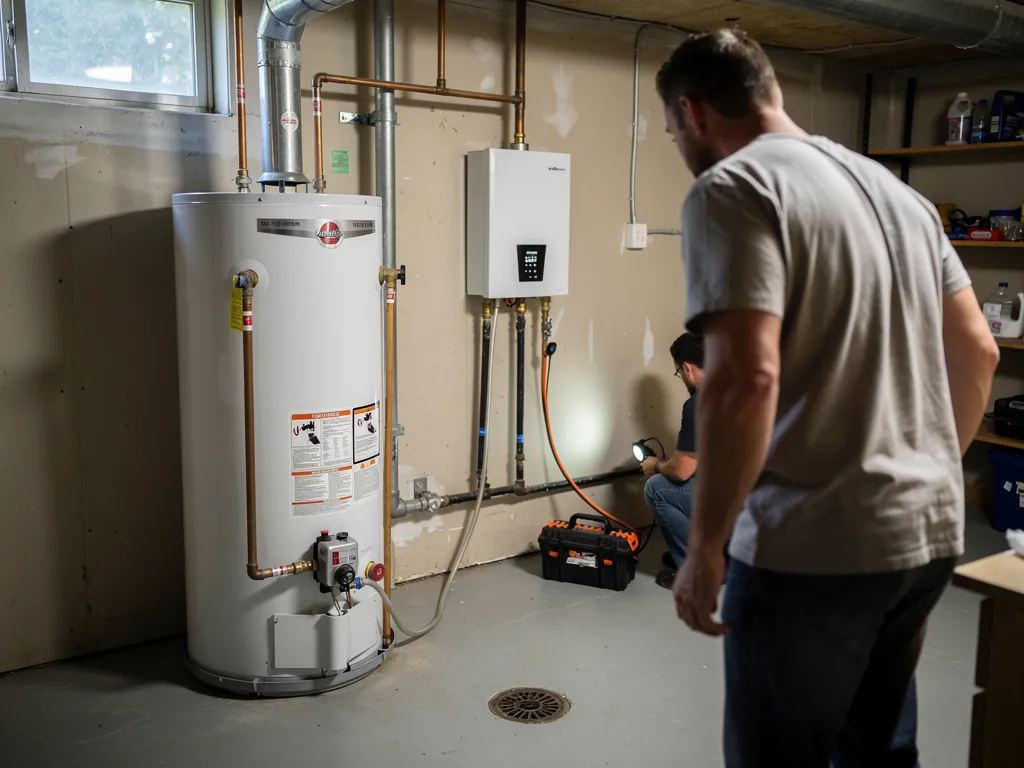
Water Heater Maintenance Checklist for Delaware Homeowners
A water heater that’s properly maintained tends to run more efficiently, last longer, and fail less often than one that’s never been checked between installation and breakdown. Here’s a practical maintenance checklist – broken down by how often each task should happen – for homeowners throughout Townsend and New Castle County.
Key Takeaways
A few simple checks each month – looking for leaks, listening for unusual noises – catch small issues before they become bigger ones.
The pressure relief valve and surrounding clearance deserve a closer look every few months, especially for gas units.
An annual professional flush and inspection is the single most effective thing you can do to extend your water heater’s lifespan.
Tank and tankless water heaters have different maintenance needs – sediment flushing versus descaling – so the checklist isn’t identical for both.
Skipping maintenance can reduce efficiency, shorten lifespan, and in some cases affect manufacturer warranty coverage.
Noble Home Services offers water heater maintenance throughout Townsend and New Castle County.
Why Does Regular Water Heater Maintenance Matter?
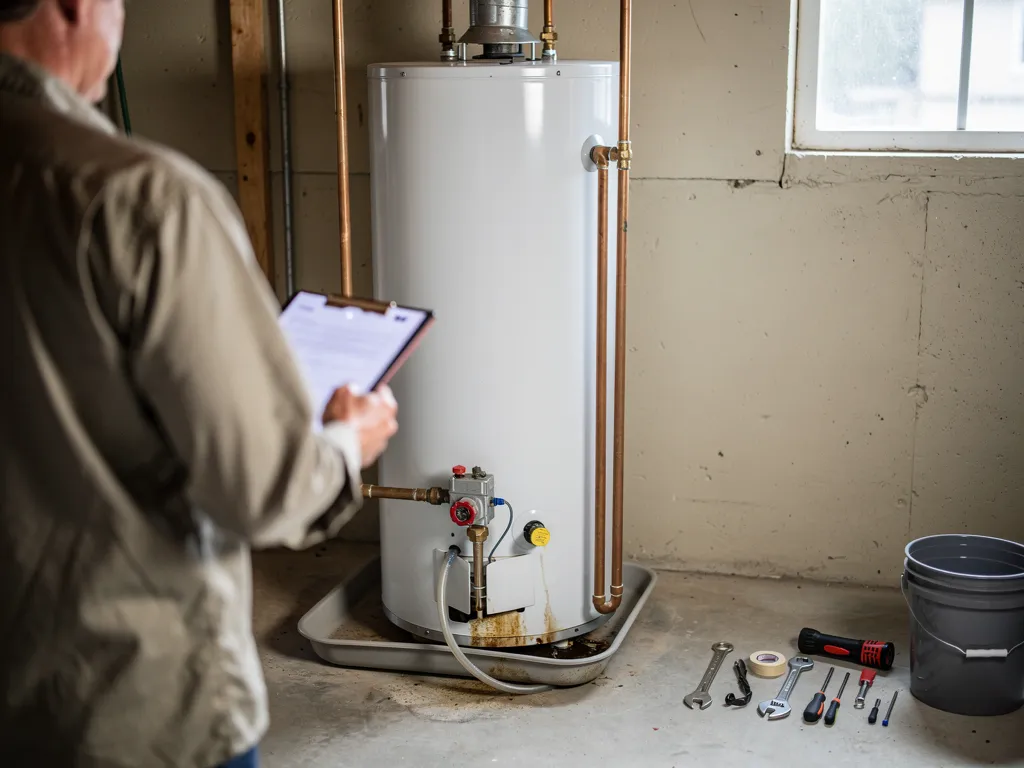
Regular maintenance keeps a water heater running at its intended efficiency, catches small problems – a failing valve, early sediment buildup – before they turn into a bigger repair, and generally extends how long the unit lasts before replacement becomes necessary. Most of it is simple, but the value adds up meaningfully over years of ownership.
What Should You Check Monthly?
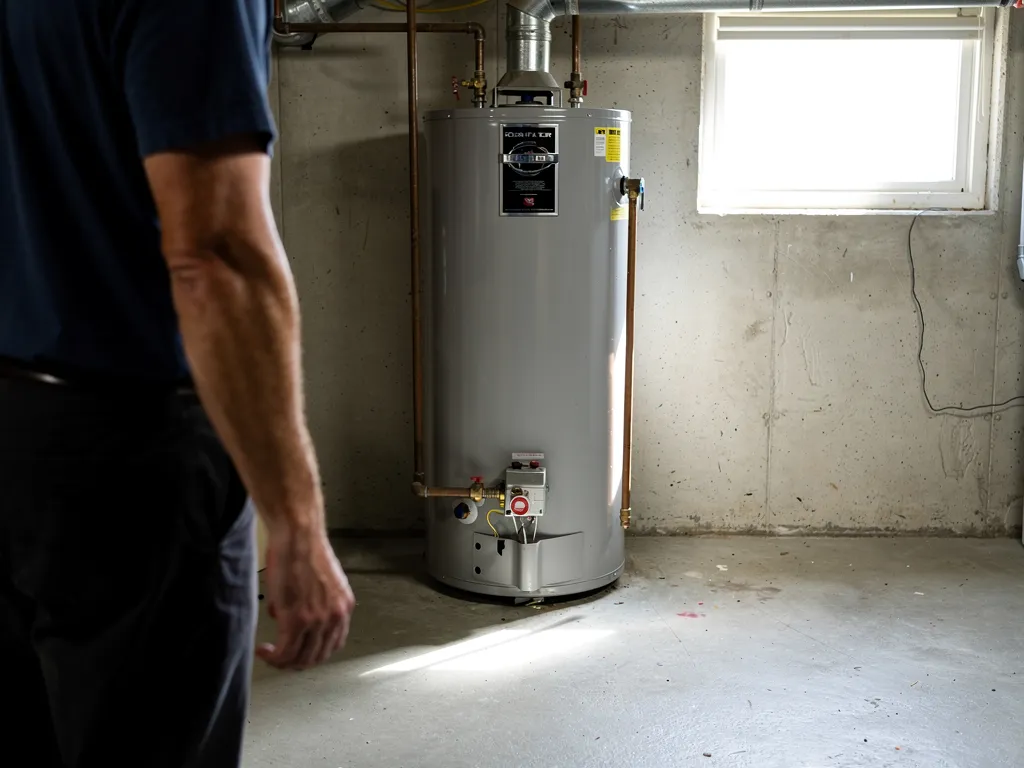
Look around the base of the unit for any signs of moisture or a leak
Confirm the temperature setting is where you expect it – 120°F is a commonly recommended setting that balances scald safety with efficiency
Listen for unusual noises – popping, rumbling, or banging can signal early sediment buildup
Make sure nothing is stored too close to the unit, especially anything flammable near a gas water heater
Look around the base of the unit for any signs of moisture or a leak
Confirm the temperature setting is where you expect it – 120°F is a commonly recommended setting that balances scald safety with efficiency
Listen for unusual noises – popping, rumbling, or banging can signal early sediment buildup
Make sure nothing is stored too close to the unit, especially anything flammable near a gas water heater
What Should You Check Quarterly or Seasonally?
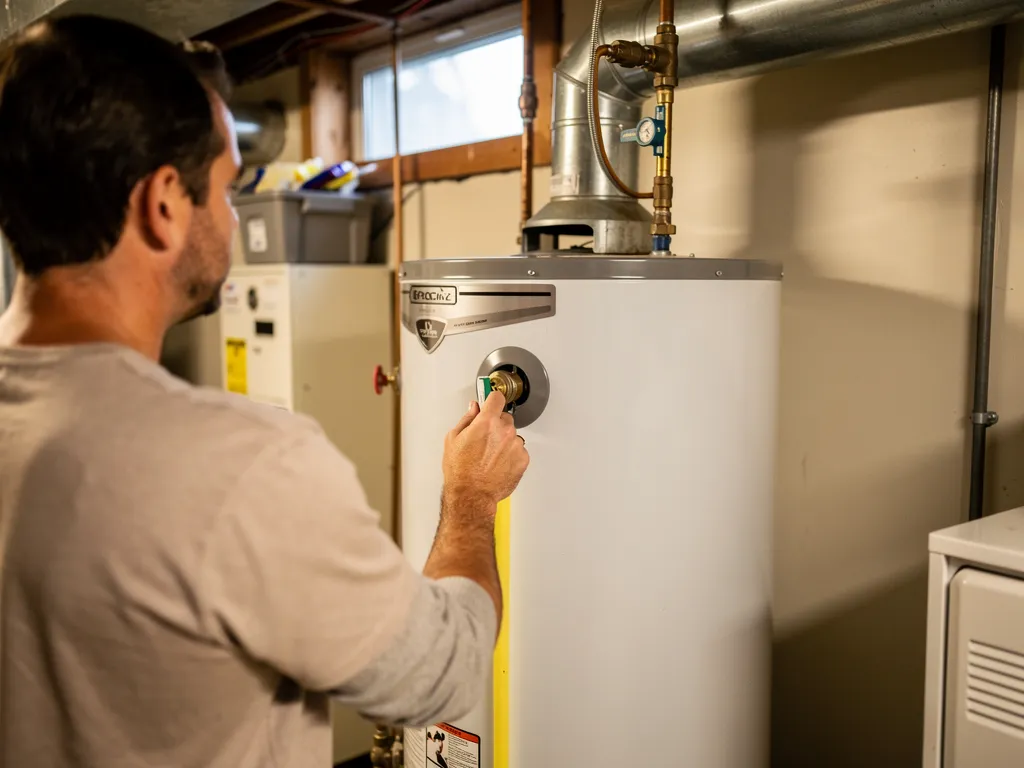
Run a pressure relief valve test by briefly lifting the lever to confirm water discharges and the valve reseats properly – if you’re not comfortable doing this yourself, it’s a reasonable task to leave for your next professional visit, since a valve that doesn’t reseat correctly needs replacement
Check that the area around the unit still has clear ventilation space, particularly important for gas units that need adequate combustion air
Look at visible pipe connections and fittings for any early signs of corrosion or mineral buildup
Run a pressure relief valve test by briefly lifting the lever to confirm water discharges and the valve reseats properly – if you’re not comfortable doing this yourself, it’s a reasonable task to leave for your next professional visit, since a valve that doesn’t reseat correctly needs replacement
Check that the area around the unit still has clear ventilation space, particularly important for gas units that need adequate combustion air
Look at visible pipe connections and fittings for any early signs of corrosion or mineral buildup
What Should Be Done Annually (By a Professional)?

A full tank flush to clear sediment buildup from the bottom of the tank
An anode rod inspection, with water heater anode rod replacement if it’s significantly corroded – anode rods are generally checked every 2 to 3 years and replaced as needed
A check of gas venting and exhaust pathways for gas units, or electrical connections for electric units
A general inspection of the tank, fittings, and pressure relief valve for wear
A full tank flush to clear sediment buildup from the bottom of the tank
An anode rod inspection, with water heater anode rod replacement if it’s significantly corroded – anode rods are generally checked every 2 to 3 years and replaced as needed
A check of gas venting and exhaust pathways for gas units, or electrical connections for electric units
A general inspection of the tank, fittings, and pressure relief valve for wear
How Does Maintenance Differ Between Tank and Tankless Water Heaters?
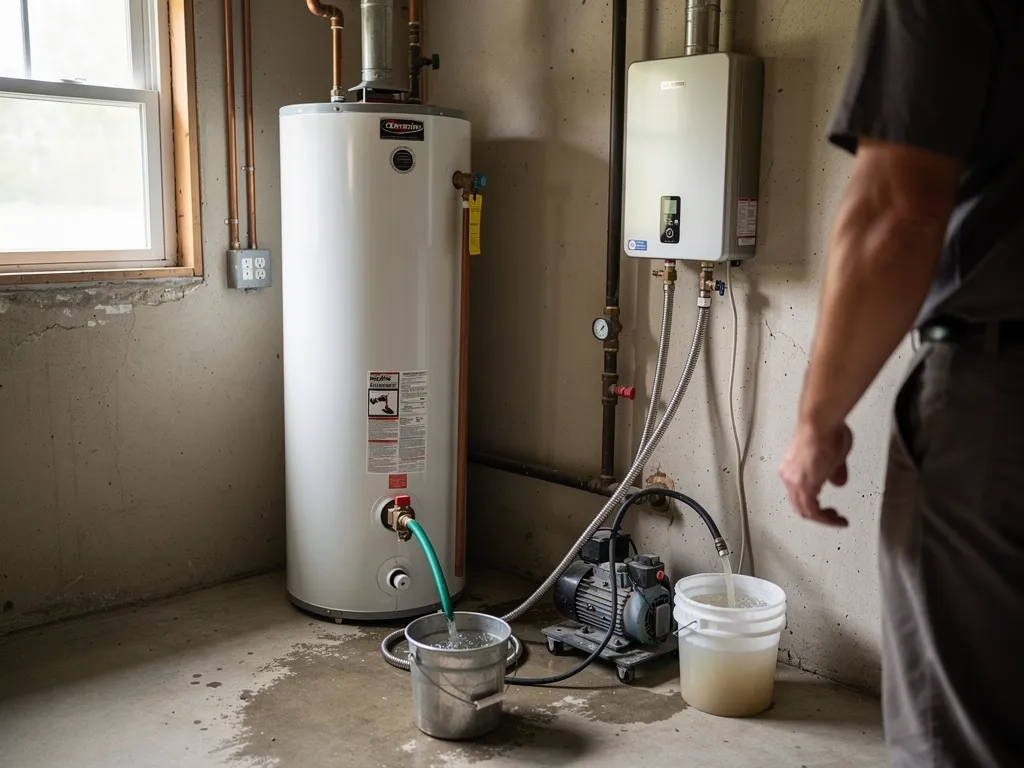
Tank water heaters need periodic sediment flushing to clear buildup from the bottom of the tank, since accumulated sediment reduces efficiency and can cause the noises covered above. Tankless water heaters don’t have a tank to flush, but tankless water heater maintenance benefits from periodic descaling to clear mineral scale from the heat exchanger – generally recommended every 6 to 12 months depending on your water hardness. Both types benefit from an annual professional inspection, even though the specific maintenance tasks differ.
What Happens If You Skip Water Heater Maintenance?
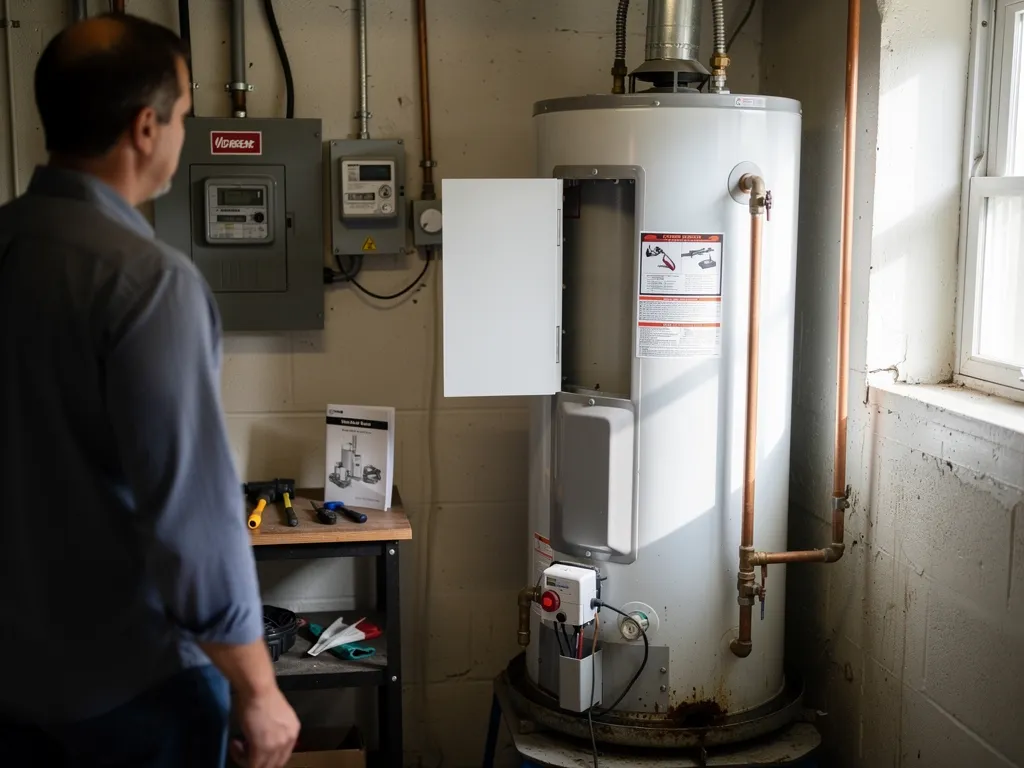
Skipping maintenance generally means reduced efficiency and higher energy bills as sediment or scale buildup makes the unit work harder to heat water. It also increases the risk of a premature failure – a corroded anode rod left unchecked can accelerate tank corrosion, for example – and some manufacturers require documented maintenance to keep a warranty valid, so skipping it can have cost implications beyond the unit itself.
How Can Noble Home Services Help With Water Heater Maintenance in Townsend?
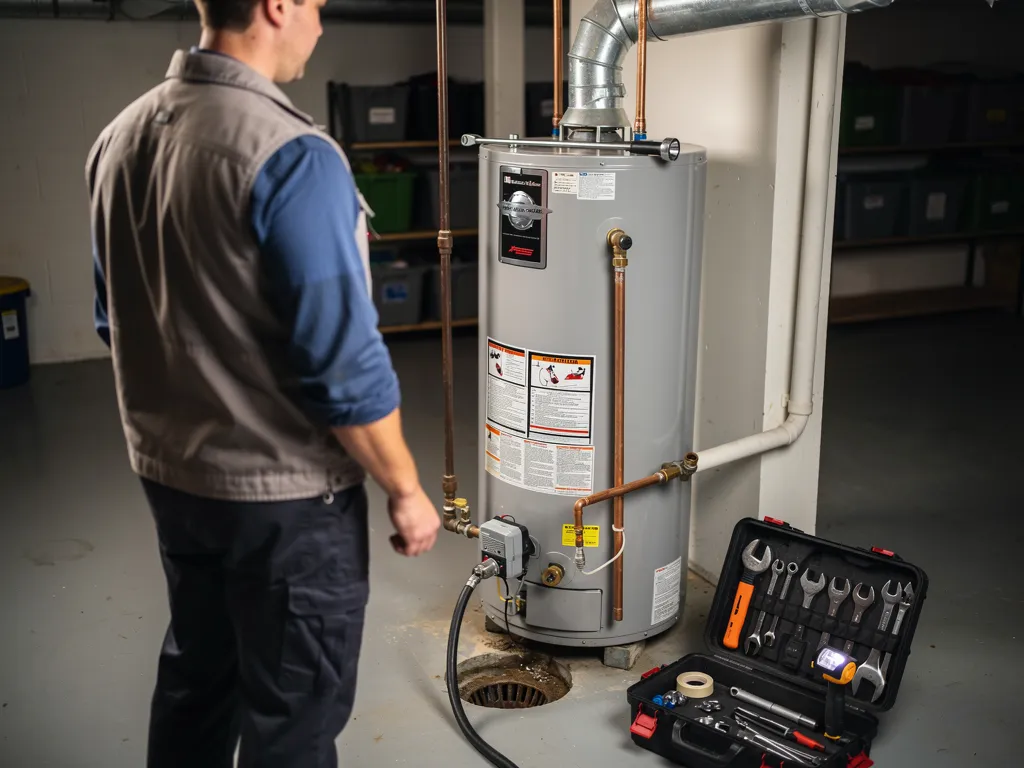
Noble Home Services offers water heater maintenance throughout Townsend and New Castle County, covering the annual tasks – flushing, anode rod inspection, venting and connection checks – that are best handled by a professional. Regular maintenance is also one of the simplest ways to avoid an unexpected repair call down the road.
Frequently Asked Questions
What temperature should my water heater be set to? 120°F is a commonly recommended setting that balances scald safety with reasonable efficiency, though your specific household’s needs may vary slightly.
Can I test my pressure relief valve myself? Yes, briefly lifting the lever to confirm it discharges and reseats is something many homeowners do themselves – if you’re not comfortable with it, it’s a reasonable task to save for your next professional visit.
How often should the anode rod be replaced? It’s generally checked every 2 to 3 years and replaced once it’s significantly corroded, though this can vary depending on your water conditions.
Does skipping maintenance void my water heater’s warranty? It can – some manufacturers require documented maintenance to keep the warranty valid, so it’s worth checking your specific unit’s warranty terms.
Does Noble Home Services offer annual water heater maintenance in Townsend? Yes, Noble Home Services offers water heater maintenance throughout Townsend and New Castle County.
A little maintenance now generally means a longer-lasting water heater and fewer surprise repairs later. Noble Home Services offers water heater maintenance throughout Townsend and New Castle County – when you’re ready to schedule your annual checkup, the team is here to help.