
What Qualifications and Certifications Should a Professional Plumber Have?
A license tells you a plumber is legally allowed to do the work – but qualifications, skills, and certifications are what tell you whether the work will actually be done well. Here’s what to look for beyond a basic license when hiring a licensed plumber Townsend DE homeowners trust, or vetting any New Castle County plumber, before work begins.
Key Takeaways
- A plumbing license confirms baseline legal competency, but skills, experience, and specialized certifications indicate a higher level of quality.
- Journeyman and Master Plumber are the two credentials most relevant to homeowners, with Master Plumber required to run a plumbing business and pull permits.
- Specialized certifications, like backflow prevention, matter for specific jobs even when they aren’t required for general plumbing work.
- Technical skill alone isn’t enough – communication, cleanliness, and professionalism also shape the overall quality of a service call.
- Code compliance and safety standards protect homeowners from failed inspections, future liability, and unsafe gas or water work.
- Noble Home Services brings licensed, experienced professionals to every plumbing job throughout Townsend and New Castle County.
What Qualifications and Certifications Should a Professional Plumber Have?
At minimum, a professional plumber should hold a current state plumbing license appropriate for the work being performed, along with the practical experience and technical skill to diagnose and fix the problem correctly the first time. Certifications and specialized training beyond the base license are a further sign that a plumber – or the company they work for – invests in doing the job right.
What Are the Licensing Requirements for Professional Plumbers?
Which State and Local Plumbing Licenses Are Required?
In Delaware, plumbing licenses generally fall into Apprentice, Journeyman, and Master Plumber tiers, with a Master Plumber Delaware license required to pull permits and legally operate a plumbing business. Homeowners can verify a plumber’s license status for free through Delaware’s Division of Professional Regulation online lookup tool.
What Plumbing Certifications Show a Higher Level of Expertise?
What Are the Differences Between Journeyman and Master Plumber Certifications?
A Journeyman Plumber has completed an apprenticeship and passed a licensing exam but generally works under supervision, while a Master Plumber has additional experience and is qualified to supervise others and run a business independently. For most home repairs, either level can do quality work – but a Master Plumber’s oversight is what should be behind any company pulling permits on your behalf.
Which Specialized Certifications Are Worth Asking About?
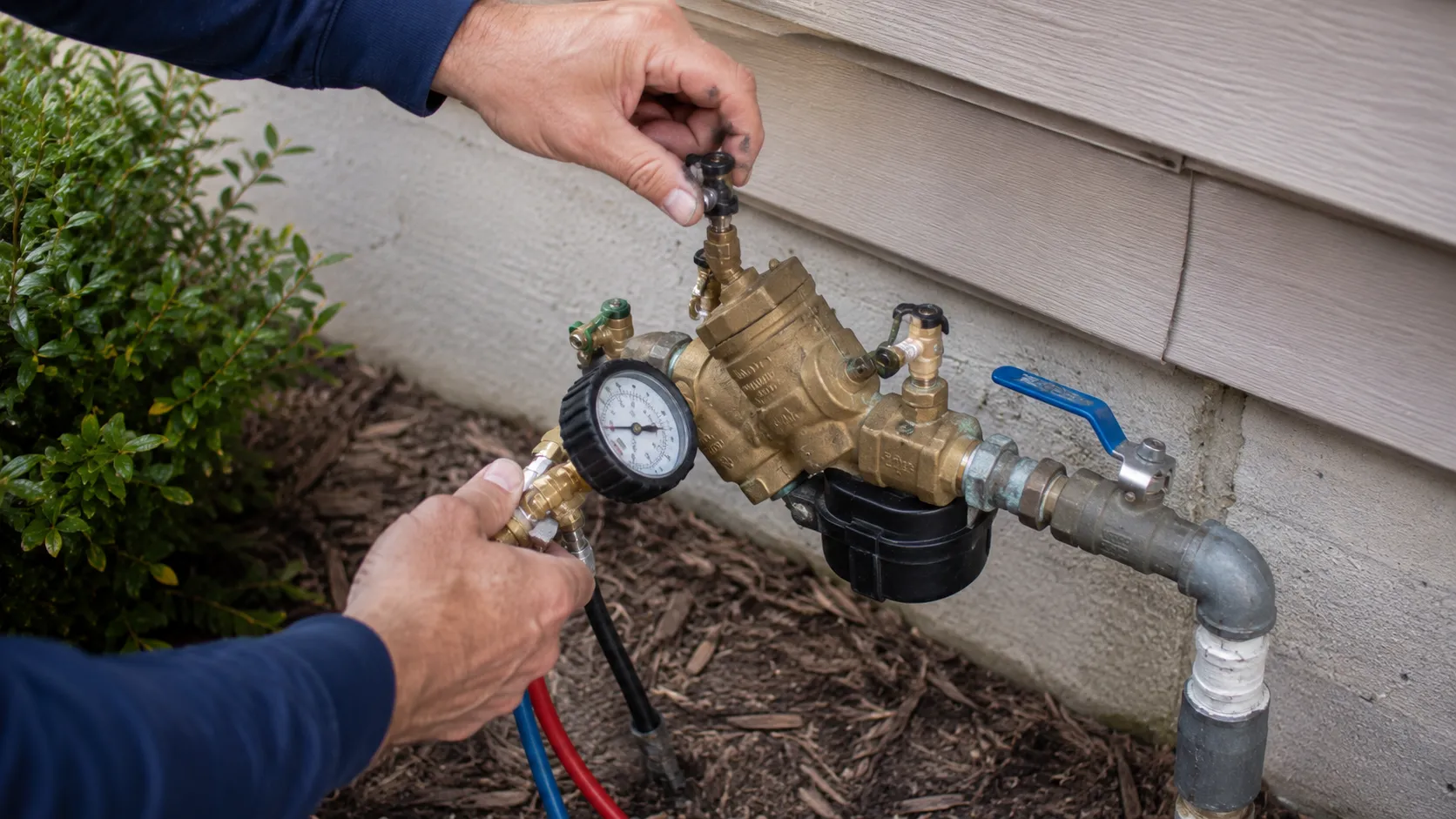
Depending on the job, it’s worth asking whether a technician holds certifications like backflow prevention (required for certain water treatment and irrigation work) or specific manufacturer training for the water heater or fixture being installed. These aren’t always legally required, but they’re a good sign a company invests in ongoing training beyond the minimum.
What Technical and Soft Skills Set Great Plumbers Apart?
Which Technical Skills Matter Most for Quality Plumbing Work?
Accurate diagnosis, knowledge of current plumbing codes, and hands-on experience with modern materials and fixtures are what separate a fast, correct repair from a repeat visit. A skilled plumber should also be comfortable using diagnostic tools like camera inspection equipment when a problem isn’t visibly obvious – it’s a standard part of how Noble Home Services technicians track down issues that aren’t immediately visible.
What Soft Skills Improve the Customer Experience?

Clear communication about the problem and the cost, respect for your home (clean work areas, protective coverings), and straightforward answers to questions all shape how a service call actually feels, separate from the technical work itself. These softer skills are often what homeowners remember most after the repair is done.
Why Do Codes, Safety Standards, and Industry Involvement Matter?
Which Plumbing Codes and Safety Standards Should a Professional Follow?
A qualified plumber works according to the state and local plumbing code that applies to your home, which governs everything from pipe materials to venting and backflow prevention. Code-compliant work is what keeps your home safe and passes inspection if one is ever required.
How Does a Plumber Staying Current With Industry Standards Benefit You?
Plumbing codes and best practices do change over time as materials and technology evolve, so a plumber who stays current is less likely to install something outdated or non-compliant. That ongoing education ultimately protects you from having to redo work that didn’t meet current standards.
Why Should Homeowners Care About a Plumber’s Qualifications and Certifications?
How Do Qualified Plumbers Ensure Safety and Code Compliance?
Where this really pays off is when something goes wrong later: unpermitted or non-compliant work is exactly what tends to surface during a home sale, an insurance claim, or a municipal inspection, and correcting it after the fact almost always costs more than doing it right the first time. A qualified plumber’s familiarity with current requirements also limits your liability if an overlooked issue causes damage down the road, protecting both your family and your investment in the home.
What Are the Cost-Effectiveness and Quality Benefits of Hiring Certified Plumbers?
A properly diagnosed and correctly completed repair the first time is almost always cheaper than paying to redo a botched job from an unqualified provider. Hiring a qualified plumber upfront is less about the certification itself and more about what it generally correlates with: fewer callbacks, safer work, and repairs that actually last.
Frequently Asked Questions
Does a plumber need special certification to work on gas lines? Gas line work typically requires specific training and, in many areas, additional licensing beyond a standard plumbing license – it’s worth confirming directly with any contractor before gas-related work begins.
What’s a backflow prevention certification and why does it matter? It certifies a plumber to test and service backflow prevention devices, which protect your drinking water supply from contamination – relevant if your home has an irrigation system or certain water treatment equipment.
Is a more experienced plumber always better than a newly licensed one? Not necessarily – a newly licensed plumber working under a well-run, experienced company can do excellent work, since training and oversight matter as much as years on the job.
Should I ask to see a plumber’s certifications before they start work? Yes, a legitimate provider should be able to share their license information and relevant certifications without hesitation.
Does Noble Home Services employ licensed plumbing professionals? Yes – every technician holds a current Delaware plumbing license, and jobs requiring permits are overseen by a Master Plumber, so you’re covered whether it’s a simple repair or a larger installation.
Choosing a plumber based on qualifications, not just price, is one of the best ways to avoid a repeat repair down the road. Noble Home Services puts licensed Journeymen and Master Plumbers on every call throughout Townsend and New Castle County, backed by the training, code knowledge, and oversight outlined above – when you’re ready to work with a team that takes credentials seriously, get in touch.