
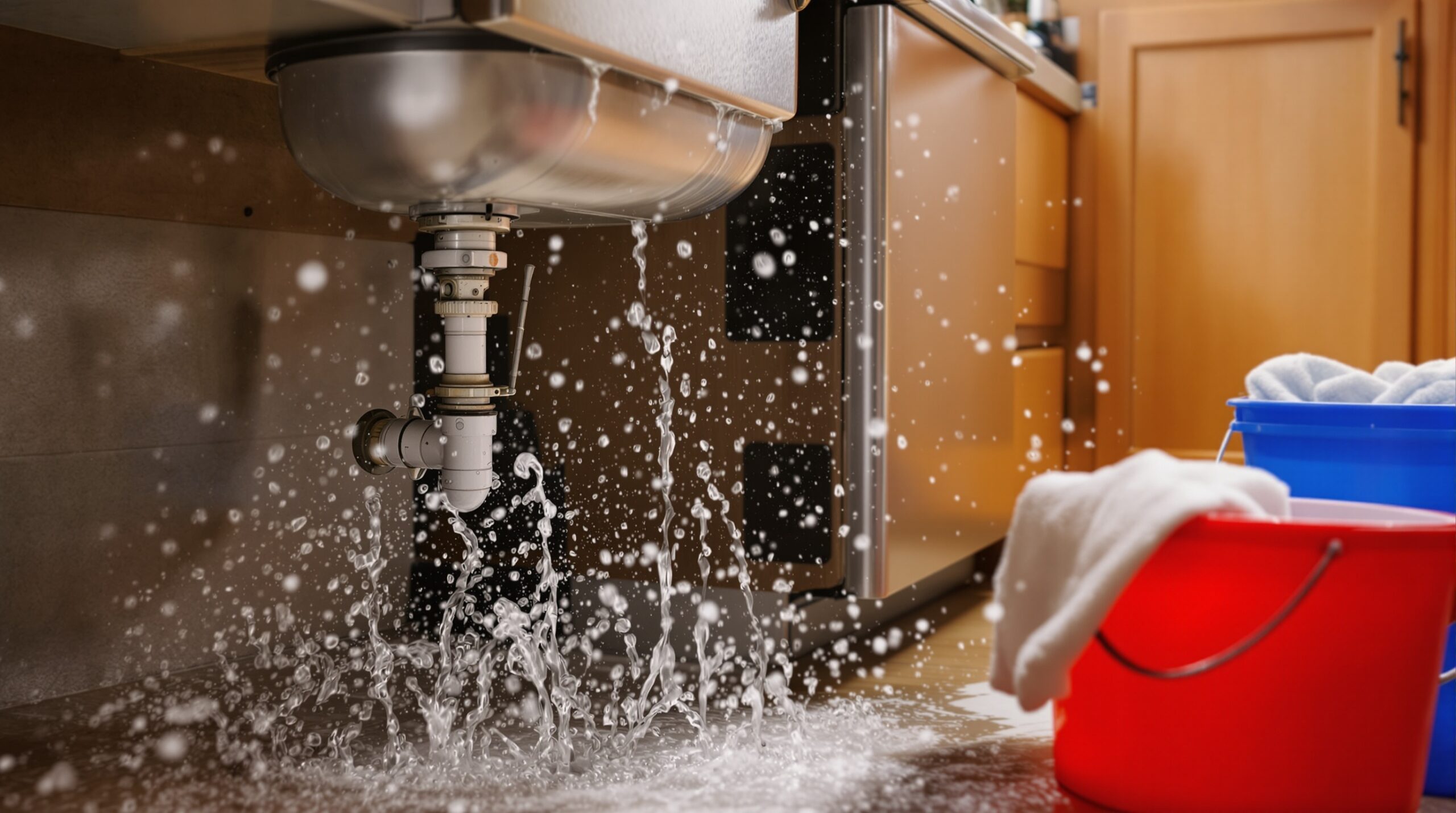
When a Spigot Turns Into a Shower
Imagine this: you’re relaxing at home on a Friday evening when suddenly, you hear a strange gurgling noise coming from the kitchen. Before you can even process what’s happening, water starts pouring out from under the sink! Panic sets in, and you wonder, “Is this a plumbing emergency?”
What is a Plumbing Emergency?
Understanding what actually counts as a plumbing emergency is crucial. It’s not just about a leaky faucet or a running toilet. A plumbing emergency is any situation that poses a risk of severe water damage, health hazards, or complete disruption of your everyday life. Think broken pipes, overflowing toilets, or a sudden lack of hot water in the middle of winter!
Why Swift Action is Key
Why does it matter so much to act quickly? When water goes rogue, it doesn’t wait for anyone! The longer you wait, the more damage it can cause—not just to your home but also to your peace of mind. Each minute counts, and knowing how to respond can turn a potential disaster into a manageable issue.
In this article, we’ll explore immediate steps you can take during plumbing emergencies to reduce worry and minimize damage. Get ready to arm yourself with essential tips! Believe us, knowing what to do in those nail-biting moments can transform a scary situation into a challenge you can tackle with assurance.
Identifying Common Plumbing Emergencies: Burst Pipes and Leaks
In the world of plumbing, understanding the nuances of potential emergencies can be the difference between a minor hiccup and a full-blown disaster. Two of the most pressing issues that homeowners often face are burst pipes and leaks—both of which can wreak havoc on your property if not addressed promptly.
Burst Pipes: The Hidden Threat
Picture this: it’s the middle of winter, and temperatures are plummeting. One moment all seems fine, but as you shuffle into the bathroom, you hear a chilling, ominous sound. Water sprays from behind the wall, covering your tiles in mere seconds. A burst pipe is one of the most urgent plumbing emergencies you may encounter. Caused by freezing temperatures, corrosion, or sudden pressure changes, burst pipes can release an overwhelming volume of water in a matter of moments.
Signs of a Burst Pipe
It’s essential to recognize the warning signs of a potential burst pipe before the issue fully manifests. Here are some telltale indicators:
| Indicator | Description |
|---|---|
| Unexplained Puddles | Small pools of water in areas where they shouldn’t be can indicate a leak or burst pipe. |
| Wall Damage | Bubbling paint or discolored drywall often signals moisture behind the walls. |
| Decreased Water Pressure | If water pressure from your faucets suddenly drops, it may signal a significant issue within your plumbing system. |
| Unusual Sounds | Strange noises such as gurgling or hissing can indicate leaks or bursts in the plumbing. |
Leaks: The Sneaky Saboteurs
While burst pipes are explosive and dramatic, leaks often take a more insidious route. They may start as small drips but can lead to extensive damage over time if left unchecked. Whether they are from aging fixtures, loose connections, or faulty seals, leaks can cause rot, mold growth, and long-term structural problems within your home.
Common Types of Leaks
Familiarizing yourself with the common types of leaks can set you on the right path to prevention and protection:
- Faucet Leaks: Often caused by worn washers or seals, these are easy to fix but can waste a significant amount of water.
- Pipe Leaks: Occurring in hidden spaces like walls or behind cabinets, pipe leaks can lead to swift damage and are often harder to detect.
- Toilet Leaks: Silent but dangerous, toilets can leak from the tank into the bowl, resulting in higher water bills and potential water damage.
- Shower and Bath Leaks: Issues often arise in showerheads, faucets, and bathtubs due to improper installation or wear and tear.
Conclusion: Stay Alert to Protect Your Home
Being aware of common plumbing emergencies like burst pipes and leaks empowers you to take quick action before minor issues spiral out of control. Whether you’re lounging on your couch or enjoying a peaceful day at home, always remain vigilant. Your proactive mindset can save your property from extensive damage and restore harmony to your home when plumbing troubles arise.
Immediate Steps to Minimize Damage: Shutting Off the Water Supply
Once you’ve identified the alarming signs of a burst pipe or a leak, the very first step you should take is to shut off the water supply. This crucial action can be the key to limiting the amount of water damage and safeguarding your home from long-term repercussions. In moments of distress, knowing how to quickly locate and operate the water shut-off valve is paramount.
Locating Your Main Water Shut-Off Valve
For many homeowners, the thought of finding that elusive shut-off valve can be daunting, especially in times of crisis. However, the sooner you can locate it, the quicker you can mitigate the damage. Typically, your main water shut-off valve can be found:
- Near the perimeter of your home, often where the water line enters, commonly in basements or crawl spaces.
- In your garage or utility room, attached to an exterior wall.
- In some instances, outside your home, sometimes in a covered box buried near the sidewalk or driveway.
Make it a priority to know the exact location of the valve before an emergency arises. If you’re unsure, don’t hesitate to consult your plumbing installation plans or seek assistance from a local plumber.
Shutting Off the Valve: Simple Steps
With the water shut-off valve located, the next step is straightforward but essential. Here’s how to proceed:
- Turn the Valve Clockwise: Most shut-off valves are designed to rotate. Turning the valve clockwise (to the right) will typically shut off the water supply. If you’re dealing with a gate valve, make sure to turn it until it stops.
- Test the System: After shutting off the valve, turn on a faucet nearby to ensure that the water flow has stopped. This is a confirmation that your efforts have worked and that the supply has indeed been halted.
Aftershocks: Assessing the Situation
With the water supply successfully turned off, it’s time to assess the damage. This step is vital to understanding the full scope of the problem and determining your next actions:
- Check for visible leaks or puddles and try to determine where the source is coming from. Documenting the condition will help you when discussing repairs.
- If possible, remove valuable or prone-to-damage items from the affected areas to prevent further loss.
- Be aware of any electrical hazards, particularly if water has impacted outlets or electrical equipment. Safety is your priority!
Keeping Calm During a Crisis
It can be challenging to stay composed in the face of a plumbing emergency, but keeping your cool will help immensely as you navigate the situation. Instead of becoming overwhelmed, focus on taking actionable steps to minimize damage. Remember, every minute counts, and your prompt response can drastically alter the outcome of your plumbing crisis.
Conclusion: Your First Line of Defense
Taking immediate action by shutting off the water supply can significantly lessen the total damage caused by burst pipes and leaks. By familiarizing yourself with the location of your main water shut-off valve and understanding the procedure to shut it off, you arm yourself with the power to respond effectively. In the face of plumbing emergencies, consider this your first line of defense, ensuring that you can act swiftly and decisively, protecting your home from further peril.
Implementing Quick Fixes: Temporary Solutions to Contain Leaks and Bursts
Once the immediate threat of ongoing water damage is contained through the shutting off of your main water supply, the next step involves the essential task of managing any existing water accumulation. It’s crucial to act swiftly to prevent further complications, and this is where quick fixes come into play. These temporary solutions can buy you time until professional help arrives and help mitigate the situation, allowing you to maintain a semblance of control in a chaotic moment.
Assessing the Source of the Leak
The first step in implementing a quick fix is identifying the exact source of the leaking or burst pipe. Look for visible gaps, drips, or streams of water emanating from pipes or fittings. If the leak is minor and manageable, you may be able to apply quick fixes that could last until a plumber can address the issue:
- For small leaks: Consider using plumber’s tape or a similar sealing product that you might have on hand. Wrapping the leaking section can help form a tight seal that reduces the water flow significantly.
- For pinhole leaks: A piece of rubber, like an old bike tire, coupled with some hose clamps or duct tape can create an effective temporary patch. Simply place the rubber over the hole and secure it firmly in place.
- For joints or fittings: If the leak is coming from a joint, tightening the fitting may help quell the flow. Use adjustable pliers to carefully apply pressure without over-tightening, which could lead to further damage.
Removing Excess Water: Techniques for Immediate Action
After addressing the leak, quickly focus on any water that may have pooled around the area. Here are some immediate actions to take:
- Use Towels or Rags: Begin by soaking up any visible water with absorbent towels or rags. This initial step helps prevent slips and reduces the potential for further damage to your floors and belongings.
- Employ a Wet/Dry Vacuum: If you have access to a wet/dry vacuum, now is the time to put it to use. These vacuums are effective at extracting water quickly, particularly in larger spills. Follow up with mopping to ensure all moisture is removed.
- Open Windows and Doors: Maximizing airflow is crucial for drying out the affected area. Open any windows and doors to allow fresh air to circulate, reducing humidity levels and discouraging mold growth.
- Utilize Fans and Dehumidifiers: If conditions allow, set up fans to increase airflow and use dehumidifiers to draw moisture out of the air, further aiding in the drying process.
Ensuring Safety in the Midst of a Crisis
As you work vigorously to contain the damage, never lose sight of safety. Ensuring that you, your family, and your property remain protected is paramount. Here are key reminders to keep in mind:
- Be cautious of slipping hazards that can arise from spilled water.
- Watch for electrical hazards, especially if water is near outlets or electronic devices. If possible, turn off electricity to affected areas before proceeding.
- Protect yourself physically by wearing gloves when handling anything wet, and be mindful of sharp edges or other dangerous objects when working in distressed areas.
Keeping a Level Head: The Importance of a Methodical Approach
In the throes of a plumbing emergency, it’s easy to feel overwhelmed. However, taking a methodical approach to implementing quick fixes can transform a chaotic situation into a manageable one. By breaking down tasks into manageable steps and focusing on immediate actions, you not only bolster your peace of mind but also set the stage for a more comprehensive repair process.
Conclusion: Quick Fixes as a Lifeline
While quick fixes cannot replace professional repair work, they serve an essential role in containing leaks and minimizing damage in the critical moments following a plumbing emergency. By understanding the nature of the leak, employing appropriate temporary solutions, and removing excess water, you lay the groundwork for a successful recovery. Every swift action you take can make a significant difference, underscoring the importance of preparedness and proactive response in safeguarding your home from plumbing crises.
Removing Excess Water: Preventing Further Damage and Ensuring Safety
Once you’ve managed to contain the immediate threat of leaks, the next critical step is to remove any excess water from your home. This task is paramount not just for preserving your belongings and structural integrity, but also for ensuring safety. Standing water can lead to extensive damage over time and create a host of health hazards. Here are some effective techniques and considerations to help you efficiently tackle excess water:
Strategies for Immediate Water Removal
- Utilize Conventional Cleaning Tools: As mentioned, towels can be your first line of defense. Use large bath towels or old linens to soak up as much water as possible. A squeegee can assist in directing pooled water toward a central location where it can be vacuumed up.
- Leverage Portable Pumps: If the area is significantly flooded, a portable submersible pump can be invaluable. These devices, available at home improvement stores, can quickly expel large amounts of water, making your cleanup faster and more effective.
- Implement a Water Removal Schedule: To ensure thorough drying, create a schedule for your drying efforts. Check specific areas at regular intervals to guarantee that residual moisture isn’t lingering, contributing to potential mold growth.
Monitoring Humidity Levels
After substantial water removal, monitoring the humidity in your home is crucial. Ideally, indoor humidity levels should be around 30-50% to prevent mold and mildew. Consider placing moisture meters throughout the affected areas to keep a close eye on conditions. If humidity levels are elevated, boost air circulation using fans or dehumidifiers while keeping windows open when weather permits.
Safety Check: A Non-Negotiable Must
As tirelessly as you work to clear excess water, safety must remain a top priority. Here are some critical safety measures to remember during your cleanup:
- Inspect for any sagging ceilings or walls which might indicate water damage. If you notice any, steer clear of the area until a professional can assess it.
- Ensure that you’re wearing protective gear, including rubber boots, to avoid slips and electrical hazards.
- Dispose of any contaminated items immediately, such as carpets or rugs that have absorbed flood water. Always handle these with care and place them in designated hazardous waste bags.
Quick Reference: Essential Water Removal Tools
| Tool | Purpose | Effectiveness |
|---|---|---|
| Towels and Rags | Absorb and soak up water. | High for small areas |
| Wet/Dry Vacuum | Extract water from various surfaces effectively. | High for spills and larger amounts |
| Portable Pump | Remove large volumes of water from flooded areas. | Very High for significant flooding |
| Fans | Increase air circulation to aid in drying. | High for reducing humidity |
| Dehumidifiers | Reduce air moisture and assist in the drying process. | High for preventing mold growth |
Stay Proactive: Prevention is Key
Resolving a plumbing emergency does not end once the water is removed. As you clean, consider how best to safeguard your home against future leaks and floods. Regularly inspect plumbing fixtures and connections for wear and tear, and keep an eye on weather warnings during rainy seasons to prepare for potential flooding. A proactive mindset can save you from further distress down the line.
Through these immediate actions and safety precautions, you not only diminish the initial damage but set the stage for a comprehensive recovery. Each step taken reflects your commitment to caring for your home and family in a moment of crisis.
Communicating with Emergency Services: Calling the Experts in Delaware for Assistance
While you manage the initial chaos of a plumbing disaster, one thing becomes abundantly clear: you shouldn’t bear the burden alone. The expertise of professional emergency plumbing services is invaluable in ensuring that your home returns to its safe, functional state. In Delaware, a host of skilled professionals are just a phone call away, ready to assist you in what can feel like an overwhelming situation.
Recognizing the Signs for Expert Help
In the heat of the moment, it can be tempting to engage in DIY fixes, but knowing when to call in the pros is crucial. Consider reaching out to emergency services if you encounter:
- Persistent Leaks: If you’ve followed all the steps to contain and remove water but notice that leaks persist or worsen, it may indicate a deeper issue that requires expert machines and knowledge.
- Severe Damage: If the water has caused structural damage—such as warped floorboards or damages to walls—immediate professional assessment is essential for your home’s safety.
- Potential Contaminants: Floodwaters can introduce environmental hazards, including bacteria and toxic substances. Professionals are equipped to handle potentially hazardous materials safely.
How to Effectively Communicate Your Situation
- Be Clear and Concise: Describe the problem in straightforward terms. Mention when the issue began and what steps you have already taken.
- Provide Details: Offer specifics about the affected areas of your home, such as which rooms are impacted and any noticeable signs of damage.
- Ask Questions: Engaging with professionals is also an opportunity to learn. Don’t hesitate to ask about the expected arrival time, assessment process, and what additional actions might be necessary.
The Importance of Quick Action
Time is of the essence in emergency situations involving water damage. Promptly communicating with professional emergency plumbers can significantly diminish repair costs and risks associated with prolonged exposure to moisture. With their expertise, they will not only identify existing issues but also implement preventive measures to avoid future calamities. Their swift response can safeguard your family’s health and protect your property from further degradation.
Choosing the Right Emergency Plumbing Service in Delaware
When selecting a plumbing service, look for local providers with solid reputations. Many professional services offer 24/7 responses, ensuring you aren’t left waiting for critical assistance. Check online reviews, ask for referrals from trusted sources, and ensure they have the proper certifications and insurance to protect both you and their workers.
Follow-Up and Maintenance Considerations
After the immediate crisis has been handled and your home is safe, professional plumbers can provide recommendations for keeping your plumbing system in top condition. Scheduling routine maintenance checks and remaining vigilant about any suspicious signs can prevent future emergencies from occurring.
In conclusion, while knowing how to act in a plumbing emergency is crucial, having emergency plumbing services on speed dial is an essential aspect of homeowner preparedness. Effective communication and prompt action can turn a daunting experience into a manageable challenge, allowing you to breathe easier amidst the storm of unexpected events.
Assessing the Severity of Leaks: An Essential Homeowner’s Guide
As a homeowner, every drop of water holds significance. Knowing when a leak escalates into an emergency requires vigilance and understanding. Signs to determine whether a leak is serious enough to warrant immediate attention include:
- Unexplained Water Accumulation: If you discover pooled water in areas where it shouldn’t be—or if an unexpected increase in your water bill suggests a hidden leak—you may indeed face a plumbing emergency.
- Water Pressure Drops: A noticeable decline in water pressure while using taps or appliances can indicate a significant leak, demanding urgent assessment.
- Water Stains and Mold: The presence of discoloration on walls or ceilings, along with the musty smell of mildew, can be indicators of a serious leak that requires prompt attention to prevent further damages.
Prevention is Key: Minimizing Long-Term Damage from Pipe Bursts
When faced with a pipe burst, immediate action can make all the difference in safeguarding your home from lasting damage. Here are steps you should take to mitigate the situation:
- Shut off the Main Water Supply: Quickly locate and turn off your home’s main water valve to halt all water flow and reduce the potential for further flooding.
- Drain Remaining Water: Open faucets throughout your home to drain any residual water from pipes, helping to minimize pressure and limit further leaks.
- Remove Excess Water: Utilize towels, mops, or wet vacuums to soak up any visible water. Addressing the problem swiftly can help prevent mold growth and structural issues.
- Document the Damage: Take photos or videos of the affected areas for your records and to assist with any future insurance claims or assessments.
Equipping Your Home: Essential Tools for Plumbing Emergencies
Being prepared for plumbing crises means having the right tools at your fingertips. Consider keeping the following items in your home toolkit:
- Pipe Wrench: A sturdy pipe wrench can help you securely grip and turn plumbing fixtures, useful in emergencies where you need to tighten or loosen bolts without causing further damage.
- Teflon Tape: This handy tape can be a quick solution for minor leaks, allowing you to seal connections temporarily until professional help arrives.
- Plumber’s Putty: Similar to Teflon tape, plumber’s putty can be applied to areas where leaks occur, providing an immediate, temporary seal.
- Bucket or Container: Always keep a bucket handy to catch any dripping water. This simple tool can help buy you extra time while you work on larger solutions.
- Gloves and a Plumber’s Snake: Protecting your hands while addressing plumbing issues is essential, and a plumber’s snake is invaluable for unclogging drains and toilets.
By staying vigilant for signs of leaks, promptly addressing burst pipes, and equipping your home with essential tools, you can significantly diminish the impact of plumbing emergencies. Remember, while immediate actions are critical, always follow up with professional emergency plumbing services in Delaware to ensure comprehensive repairs. With the right knowledge and preparation, you can navigate the complexities of unexpected plumbing issues with confidence and skill.
Ensuring Comprehensive Repairs: The Critical Role of Professional Emergency Plumbing Services
While your nimble response during a plumbing emergency may seem like the heroic act that saves the day, the reality is that immediate actions are just the beginning. Once the initial chaos subsides, ensuring the integrity of your plumbing system and your home requires the thorough expertise of professional emergency plumbing services in Delaware. It’s easy to overlook the long-term effects of a plumbing crisis, but engaging a seasoned expert is essential to guarantee comprehensive repairs and to forestall future disasters.
The Dangers of Neglecting Professional Help
After a plumbing incident, many homeowners may feel relieved once the situation seems under control, often tempted to breathe a sigh of relief and move on. However, this would be a grave oversight. Neglecting professional help can lead to hidden issues remaining undetected. Mold growth, pipe corrosion, and compromised structural integrity might linger beneath the surface, silently wreaking havoc on your home and health. A licensed emergency plumber will not only repair visible damage but also conduct a thorough inspection to pinpoint underlying problems that could escalate over time.
Thorough Assessment: More Than Just Fixing Leaks
Professional emergency plumbing services offer a level of assessment that is pivotal to your home’s health. Skilled plumbers will employ diagnostic tools to evaluate your entire plumbing system, identifying potential weak points even if they haven’t yet manifested as visible damage. By addressing these vulnerabilities proactively, you’re investing in the durability and longevity of your plumbing. They carry a wealth of knowledge about building codes and standards, ensuring all repairs comply with local regulations, thus providing peace of mind that everything is in order.
Long-Term Maintenance and Safety
Once the repairs are complete, it’s imperative to continue the good work with a maintenance plan. Professional plumbers in Delaware often provide follow-up services to help you navigate through regular inspections and maintenance schedules tailored to your home’s needs. This preventative approach not only mitigates the chances of future emergencies but also fosters an environment of safety and comfort within your living space. Regular check-ups allow you to catch small issues before they escalate, ensuring your plumbing system remains functional and efficient.
Peace of Mind: Knowing When to Trust the Experts
One of the most comforting aspects of involving professional emergency plumbing services is the peace of mind that accompanies their expertise. Homeowners often find themselves inundated with questions and uncertainties following a plumbing emergency. With seasoned plumbers, you have resources at your fingertips—experts who can walk you through each step of the repair process, explaining what happened, what was done, and what to keep an eye on going forward. This engagement doesn’t merely resolve the immediate problem; it builds a relationship that empowers you as a homeowner.
Conclusion: Bridging Immediate Action with Professional Expertise
In the world of plumbing emergencies, immediate action is indeed vital. However, it is equally important to understand that these initial steps serve as a critical bridge to seeking professional assistance. Engaging emergency plumbing services in Delaware guarantees that any repair performed will be comprehensive, addressing not only surface-level symptoms but also potential underlying issues that might compromise your home’s safety. By recognizing the importance of professional help, you can transform an overwhelming situation into a manageable one, ensuring your home remains a sanctuary of comfort and security for years to come.