
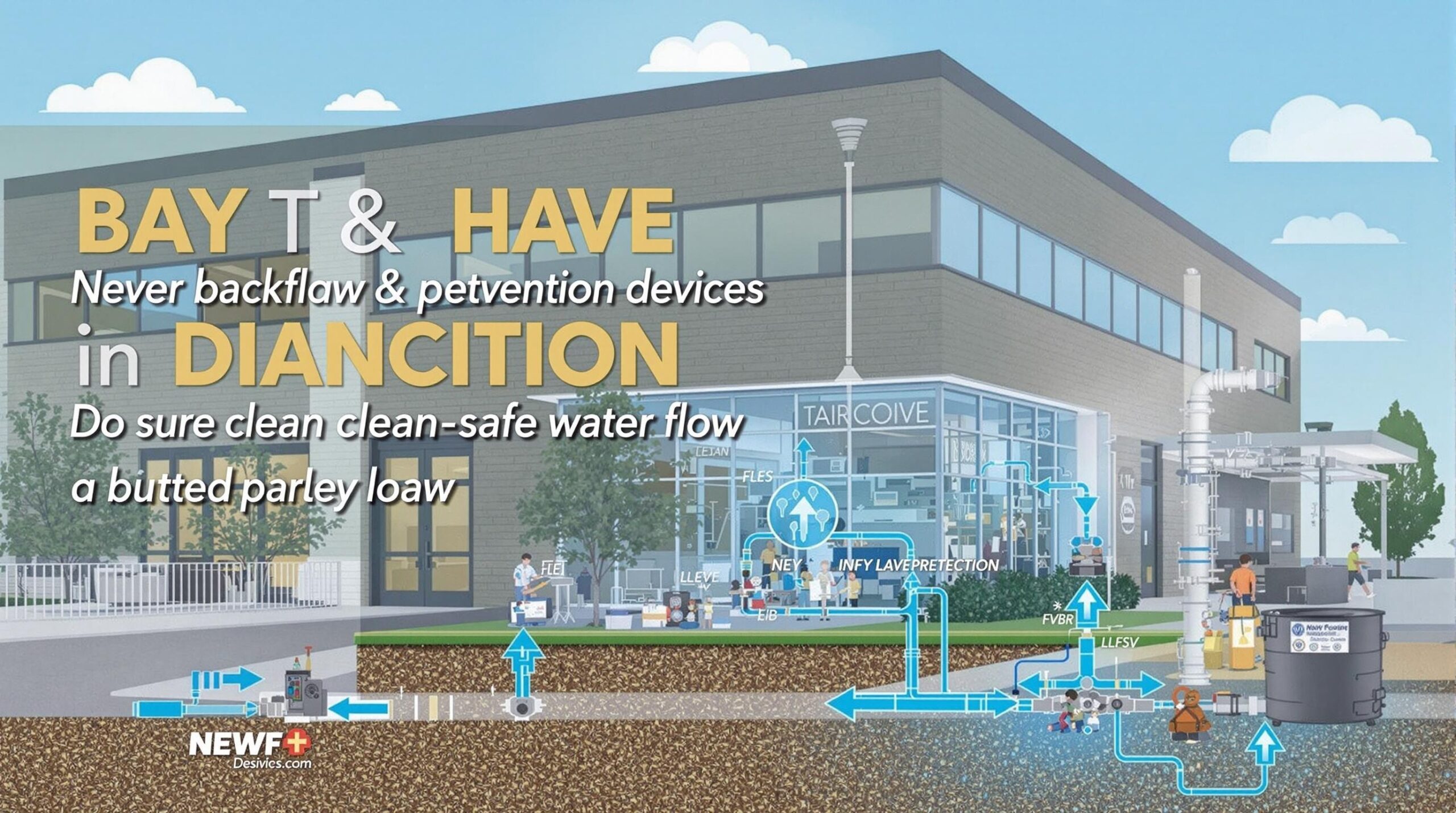
The Growing Importance of Backflow Prevention in Middletown’s Plumbing Landscape
Imagine turning on your faucet and watching clean, clear water flow into your glass. Now imagine that same water suddenly turning brown and murky. Scary thought, right? For Middletown’s commercial establishments, ensuring the safety of their water supply is more important than ever. That’s where backflow prevention comes into play!
Backflow prevention is like a superhero for our water systems, working hard to keep contaminants out of our drinking water. It helps stop dirty water from flowing back into clean water lines, which is crucial in places like restaurants, schools, and shops where many people rely on safe water every day. By prioritizing this vital aspect of plumbing, commercial businesses in Middletown are not only creating a healthier environment but are also ensuring they meet important regulations set by local authorities.
Why Does It Matter?
With an increasing number of regulations and a heightened awareness of health and hygiene, the need for backflow prevention systems in our community has never been more critical. From the bustling energy of Main Street to the quiet corners of residential neighborhoods, every drop of water needs to be protected. When business owners understand the significance of backflow prevention, they set the stage for a cleaner, safer Middletown!
So, what does all of this mean for our beloved town? It means anchoring our water safety with the right plumbing practices. As Middletown continues to grow, backflow prevention isn’t just an add-on; it’s the linchpin that keeps our community thriving.
Understanding Backflow Prevention and Its Role in Public Health
As we dive deeper into the purpose of backflow prevention, it’s essential to grasp the mechanics behind these systems and their significance in maintaining the integrity of Middletown’s public water supply. At its core, backflow prevention is all about ensuring that water flows only in one direction—away from consumers and towards the treatment facilities. This is where devices like backflow preventers go to work, acting as guardians against the inadvertent contamination of our precious water.
Picture a series of interconnected pipes delivering fresh water to your faucet. Now consider a scenario where negative pressure occurs—perhaps a sudden drop in line pressure due to a main break or fire hydrant use. In such cases, without an effective backflow prevention device, contaminated water from nearby sources, like irrigation systems or industrial processes, could siphon back into the clean water supply. The impact? A high-risk health hazard leading to illnesses and even outbreaks of waterborne diseases.
To illustrate how these devices function, let’s break it down into something straightforward. Backflow preventers typically operate using valves that automatically close when they detect a reverse flow. Here’s a quick overview of their mechanisms:
| Mechanism | Description |
|---|---|
| Air Gap | A physical gap between the water outlet and a higher elevation, preventing backflow by creating a barrier. |
| Check Valve | A one-way valve that allows flow in one direction and blocks reverse flow. |
| Reduced Pressure Zone Valve | Works by maintaining a lower pressure within the water supply to avert contamination risks. |
By understanding these operations, Middletown residents and businesses can appreciate the gravity of having functional backflow prevention systems in place. The public health implications are profound. Contaminant influx can cause a myriad of illnesses, ranging from gastrointestinal distress to severe long-term health consequences. It’s not merely a technical detail; it’s a matter of safeguarding community well-being.
Moreover, backflow prevention is increasingly becoming a focal point for the local water authority, which mandates regular inspections and testing of these systems to ensure compliance with public health standards. By adhering to these guidelines, Middletown’s businesses can relieve some of the burdens on our public health systems and enhance the overall quality of life for residents.
In essence, prioritizing backflow prevention is not just about regulatory compliance; it’s about fostering a proactive approach to public health. As each business adopts stringent backflow policies, they collectively form a protective barrier that bolsters the purity of our water supply. So the next time you enjoy a refreshing glass of water, remember the unseen heroes—the backflow prevention devices tirelessly working behind the scenes to ensure that every sip is safe and clean.
Key Benefits of Implementing Backflow Systems in Commercial Properties
As we transition from the broader implications of backflow prevention on public health, it’s crucial to spotlight the tangible benefits that implementing these systems brings to commercial properties across Middletown. Businesses—regardless of their industry—can leverage backflow systems not just for compliance, but also for enhanced operational efficiency, minimized health risks, and improved community trust.
First and foremost, the implementation of backflow prevention systems acts as a robust shield against health risks. In a world where maintaining health standards is paramount, business owners can rest easier knowing that their water supply remains uncontaminated. By actively preventing backflow, commercial establishments protect employees and customers alike from waterborne illnesses, thus safeguarding their reputation and reducing liability. An establishment perceived as a bastion of safety is not only good for public health but also fosters customer loyalty.
Moreover, compliance with local water authority guidelines cannot be overstated. Middletown’s regulations mandate that all commercial properties undergo regular inspections and testing of backflow prevention systems. By prioritizing these systems, businesses not only adhere to legal requirements but also contribute to larger community efforts aimed at preserving public water quality. This alignment with regulations not only fosters goodwill with local authorities but can also lead to smoother operational processes, freeing business owners to focus on their core activities without the looming worry of hefty fines or interruptions.
Enhanced operational efficiency is another compelling advantage. By investing in reliable backflow prevention systems, businesses can streamline their plumbing processes, reducing water waste and preventing emergency plumbing issues that disrupt normal operations. With fewer disruptions, companies can allocate their resources better, improve productivity, and focus on what matters most—serving their customers and growing their bottom line.
Additionally, establishing a commitment to backflow prevention reflects positively on a business’s public image. In today’s environmentally-conscious society, companies that demonstrate responsibility and foresight in their operations attract customers who value sustainable practices. This boosts brand loyalty, attracts new clientele, and positions the business as a leader in maintaining community health standards.
Finally, integrating backflow systems encourages a culture of safety and accountability among staff. Employees become more aware of the importance of clean water and health standards and may adopt more conscientious practices throughout the organization. This culture cultivates an environment where everyone feels responsible for ensuring the safety of the community—a value that resonates not just within the company but extends outwards to customers and partners alike.
In conclusion, implementing backflow prevention systems in Middletown’s commercial properties is not merely a matter of compliance; it’s a strategic move towards reducing health risks, enhancing operational efficiencies, and nurturing a positive brand image. Businesses that recognize these key benefits are not just protecting their operations; they are instilling confidence in their community and contributing to a healthier future for all. As we forge ahead, it will be the businesses that proactively adopt these measures that truly stand out in Middletown’s flourishing commercial landscape.
Navigating Local Regulations in Middletown: A Guide for Business Owners
As business owners in Middletown take proactive steps toward implementing backflow prevention systems, understanding local regulations becomes essential. The unique codes and ordinances set forth by the Middletown Water Authority and similar governing bodies provide a comprehensive framework for ensuring compliance and protecting the health of the community. Familiarizing oneself with these regulations not only safeguards your business from potential legal complications but also builds a foundation for sound operational practices.
To begin with, it is important to recognize that backflow prevention regulations in Middletown are designed with public safety in mind. The primary objective is to prevent contaminants from entering the public water supply, a goal that is taken very seriously. As a business owner, you will be responsible for ensuring that your plumbing installations meet the standards outlined in the Middletown Plumbing Code, which specifies the requirements for the installation, maintenance, and testing of backflow prevention devices. This understanding lays the groundwork for a dependable plumbing system that upholds community health.
One of the first steps in navigating local regulations is to familiarize yourself with the specific types of backflow prevention devices mandated by the local authority. Different commercial applications may require varying levels of protection, such as the use of reduced pressure zone (RPZ) assemblies or double-check valve assemblies. Understanding these distinctions enables business owners to adequately assess their unique plumbing needs and align them with local standards, minimizing the risk of non-compliance.
In addition to adhering to installation guidelines, staying informed about testing requirements is critical. The Middletown regulations typically stipulate that backflow prevention devices undergo routine inspections and testing at prescribed intervals. Business owners are expected to document these tests and maintain records that may be requested by authorities for review. By cultivating awareness of these requirements, you not only comply with the regulations but also foster a culture of accountability within your business processes.
Further enhancing your understanding of local regulations involves cultivating relationships with local regulatory entities. Engaging in open dialogues with officials from the Middletown Water Authority or attending public meetings can provide valuable insights into any upcoming changes in policies or expectations. This proactive engagement can further position your business as a reputable member of the community committed to maintaining high standards of public health and safety.
Finally, it is crucial to consider the consequences of failing to comply with local backflow prevention regulations. Fines, legal repercussions, and loss of licenses are just a few potential outcomes that can arise from neglecting these standards. Comprehending the importance of adherence can cultivate an environment of vigilance and responsibility within your organization, ensuring that everyone understands the critical role they play in maintaining a safe and healthy business environment.
In summary, navigating the local regulations surrounding backflow prevention in Middletown is an integral aspect of being a responsible business owner. By understanding the specific codes, forming relationships with regulatory bodies, and ensuring adherence to testing requirements, businesses can not only protect their interests but also contribute to the well-being of the entire community. As we move forward, being well-informed and compliant will empower businesses to lead with confidence in Middletown’s evolving commercial landscape.
Tips for Selecting the Right Backflow Solutions Provider in Middletown
As you embark on the journey of implementing backflow prevention measures for your business, choosing the right provider is paramount. With an array of commercial plumbing service providers at your disposal, ensuring that you engage a reliable expert can make all the difference in safeguarding your operations and local community.
Here are key factors to consider when evaluating potential backflow solutions providers:
1. Experience and Expertise
When it comes to backflow prevention systems, experience can be a hallmark of a provider’s proficiency. Look for companies that have a solid track record within Middletown, particularly those that have worked with businesses similar to yours. An established provider will be familiar with local codes, regulations, and the specific needs of your industry, allowing them to offer tailored solutions that meet all compliance standards.
2. Certifications and Licensing
It’s essential to confirm that any backflow solutions provider you consider is properly licensed and certified to operate within Middletown. Certifications indicate that the technicians have undergone rigorous training and are knowledgeable about the latest best practices in backflow prevention and plumbing systems. This not only ensures quality work but also places you in a safer position regarding compliance with local regulations.
3. Comprehensive Service Offerings
A robust backflow solutions provider should offer a full suite of services, from installation and testing to ongoing maintenance and emergency repairs. Providers that handle all aspects of backflow prevention are better equipped to manage your needs cohesively, ensuring that your system operates smoothly without gaps. Verify that they also conduct routine inspections in line with local regulations to keep your system compliant and at optimal performance.
4. Reputation and Reviews
In today’s digital landscape, customer feedback is a valuable resource. Look for providers with positive reviews and testimonials from local businesses. Engaging in conversations with fellow business owners about their experiences can also shed light on which providers have built a trustworthy reputation in the Middletown community.
5. Transparent Communication
Effective communication is key when working with any service provider. Ensure that the provider you choose is accessible and responsive to your inquiries. They should be willing to explain technical details in layman’s terms and provide clear information about the processes involved. A provider that prioritizes transparency in communication will foster a more collaborative partnership in managing your backflow prevention systems.
6. Emergency Response Capabilities
Backflow prevention systems can sometimes fail unexpectedly, leading to urgent situations that require immediate attention. Inquire about the provider’s emergency response protocols and availability. A reliable company should be prepared to address critical issues swiftly and minimize disruptions to your business operations.
7. Professional Affiliations
Consider selecting a provider who is affiliated with professional organizations related to plumbing and backflow prevention. Membership in such organizations can be an indicator of a commitment to ongoing education, ethical standards, and an up-to-date understanding of industry advancements.
8. Cost Transparency
While costs are not the primary focus, it’s essential to explore the provider’s pricing structure. Look for a provider that gives you clear expectations about service fees without hidden charges. This level of transparency ensures that you can budget appropriately while receiving dependable services tailored to your needs.
| Criteria | What to Look For |
|---|---|
| Experience | Years in operation and industry-specific knowledge |
| Certifications | Valid licenses and professional certifications |
| Service Range | Installation, maintenance, inspections, and repair services |
| Customer Feedback | Positive reviews and testimonials from businesses |
| Communication | Accessibility and clarity in correspondence |
| Emergency Services | Available response for urgent situations |
| Professional Affiliations | Membership in plumbing and backflow-related organizations |
By taking these criteria into account, business owners in Middletown can confidently select a backflow solutions provider that not only meets their needs but also aligns with their commitment to public health and safety. A dependable partner in backflow prevention is an investment in the reliability of your plumbing systems and a testament to your dedication to maintaining the well-being of the community.
Steps to Regular Maintenance and Monitoring for Backflow Systems
Once you’ve identified a trusted backflow solutions provider, the focus should shift to the ongoing upkeep of your backflow prevention systems. Regular maintenance and monitoring are essential to ensure these systems function effectively, safeguarding your business and the surrounding community. A few proactive steps can significantly enhance the reliability and longevity of your backflow systems.
1. Schedule Routine Inspections
Consistency is key when it comes to inspection. Making routine inspections part of your maintenance schedule helps identify potential issues before they escalate. Aim for annual inspections at a minimum, and consider semi-annual checks for high-traffic commercial spaces. During these inspections, technicians will test the functionality of the system, ensuring that it complies with local regulations and operates without faults.
2. Monitor System Performance
Stay attuned to the performance of your backflow systems. Be proactive in recognizing any unusual changes or irregularities, such as sudden drops in water pressure or unexpected leaks. Anomalies can be early indicators of system failure. Document these findings and communicate them promptly with your maintenance provider to ensure timely interventions.
3. Keep Records of Maintenance Activities
Maintaining comprehensive records of all inspections, repairs, and maintenance activities is crucial. These records not only help in assessing the health of your systems but offer a great defense should any compliance queries arise. Keep thorough documentation of the dates, findings, and any actions taken, creating a clear history that showcases the care and monitoring that has gone into your backflow prevention measures.
4. Educate Your Staff
It’s vital to ensure your team understands the importance of backflow prevention and its operational nuances. Provide training sessions that equip your staff with the knowledge to monitor basic indicators of system health and address any concerns swiftly. A knowledgeable team not only helps in identifying potential issues but also fosters a culture of accountability in maintaining safety standards.
5. Emphasize Timely Repairs
When issues are detected during inspections or identified by staff, addressing them immediately is crucial. Delaying repairs can lead to bigger problems down the line, including regulatory penalties or costly emergencies. Establish a clear protocol with your backflow provider for responding to repairs, ensuring that your team knows whom to contact and what steps to take in case of a system failure.
6. Stay Abreast of Regulatory Changes
Local regulations concerning backflow prevention can evolve. Staying informed about these changes will ensure that your systems are compliant. Collaborate with your backflow solutions provider to receive updates and training regarding compliance requirements, adjustments, and best practices to adhere to the latest standards.
7. Utilize Technology for Monitoring
Incorporating technology can streamline the monitoring process for your backflow systems. Many providers now offer smart monitoring solutions that can alert you to performance irregularities in real-time. These systems provide valuable data that can help you make informed decisions regarding maintenance and repair schedules. Leveraging such advancements can enhance the reliability of your plumbing systems while minimizing the risk of backflow incidents.
8. Foster a Partnership with Your Provider
Building a strong relationship with your backflow solutions provider can create a partnership where both parties are invested in maintaining safety standards. Regular communication enables a seamless exchange of information regarding inspections, system upgrades, and any potential concerns. This collaborative approach can lead to more effective maintenance strategies tailored to your specific systems and operational needs.
By implementing these practical maintenance tips and fostering a proactive culture of monitoring and repairs, business owners in Middletown can ensure that their backflow systems remain compliant and effective. Routine check-ups not only protect the integrity of your plumbing systems but also play a critical role in your commitment to upholding public health standards within the community.
Frequently Asked Questions About Backflow Prevention
1. What is backflow, and how does it occur?
Backflow is the undesirable reversal of flow in a plumbing system that can introduce contaminants into the potable water supply. This phenomenon typically occurs due to changes in water pressure, often resulting from maintenance activities, pipe bursts, or even heavy usage patterns that create a vacuum effect. Essentially, when the pressure in the water supply drops, it may allow water from undesirable sources, such as irrigation systems, plumbing fixtures, or sewer lines, to flow backward into public water systems, posing significant health risks.
2. Is backflow prevention mandatory in Middletown for businesses?
Yes, compliance with local health and plumbing regulations mandates the installation and maintenance of backflow prevention devices in Middletown. These requirements are in place to protect public health and ensure the safety of the water supply. Businesses of all types must be diligent about integrating backflow prevention measures, as neglecting these essential devices can lead to serious health hazards and potential penalties from local authorities. Fostering a culture of compliance not only protects your business but also enhances community safety.
3. How often should backflow systems be tested in commercial establishments?
It is recommended that business owners schedule annual inspections to ensure backflow systems are functioning correctly. Regular testing is crucial, as it helps identify any potential issues before they compromise your plumbing infrastructure or the public water supply. For commercial establishments, particularly those with high water usage, implementing semi-annual tests may be a smart consideration. These proactive measures fortify your commitment to maintaining safe drinking water standards and demonstrate your responsibility to the community.
As you navigate the complexities of backflow prevention, understanding these frequently asked questions can guide your decision-making process, ensuring that your business remains compliant while protecting the health of your patrons and the community at large. With informed diligence and strategic planning, you can effectively safeguard your plumbing system and uphold public health standards.
The Bottom Line: Protecting Your Business and Community
It cannot be overstated how vital backflow prevention is—not just as a regulatory requirement but as a foundational commitment to safeguarding public health and fortifying your business’s reputation. When a backflow incident occurs, it can have far-reaching consequences, from health risks to irreparable damage to your brand’s credibility. For business owners in Middletown, this isn’t merely a compliance checklist—it’s an ethical obligation to their customers and communities.
Implementing a robust backflow prevention strategy is an invaluable investment in both your establishment and the broader community. When customers walk through your doors, they expect a safe environment. Showing that you go the extra mile to protect public health builds trust and goodwill, elements that are increasingly necessary in today’s social climate. By staying committed to regulatory compliance and continually investing in your plumbing systems, you not only uphold community safety but also set yourself apart as a responsible business leader.
The first step in this commitment is ensuring your commercial plumbing system is up-to-date with the latest standards and technologies. Collaborating with expert local plumbing professionals in Middletown ensures you access the most recent innovations in backflow prevention. These experts bring their knowledge of best practices and emerging regulations, allowing you to forge a resilient framework that effectively mitigates backflow risks.
Moreover, take an active role in community engagement about water safety and backflow issues. Hosting informational sessions or workshops can elevate awareness among your customers and staff, positioning your business as a community leader advocating for public health. By taking these initiatives, you cultivate a culture where safety is prioritized, and compliance becomes second nature, reflected in the everyday operations of your business.
Backflow prevention isn’t just about pipes and valves; it symbolizes a broader commitment to public welfare and sustainable practices. As a business owner, your efforts to maintain these vital systems resonate beyond your establishment, contributing to the community’s overall well-being. Therefore, as you focus on your operations, remember: every measure you take toward enhancing your backflow prevention strategy plays a part in shape-shifting the health landscape of Middletown.
In conclusion, the commitment to effective backflow prevention is a multi-faceted endeavor that blends technical compliance with ethical responsibility. Fostering a partnership with qualified plumbing professionals as well as investing in community awareness will bolster both your business resilience and its reputation. Protecting your business also means diligently protecting your community—now, that is a legacy worth building.