
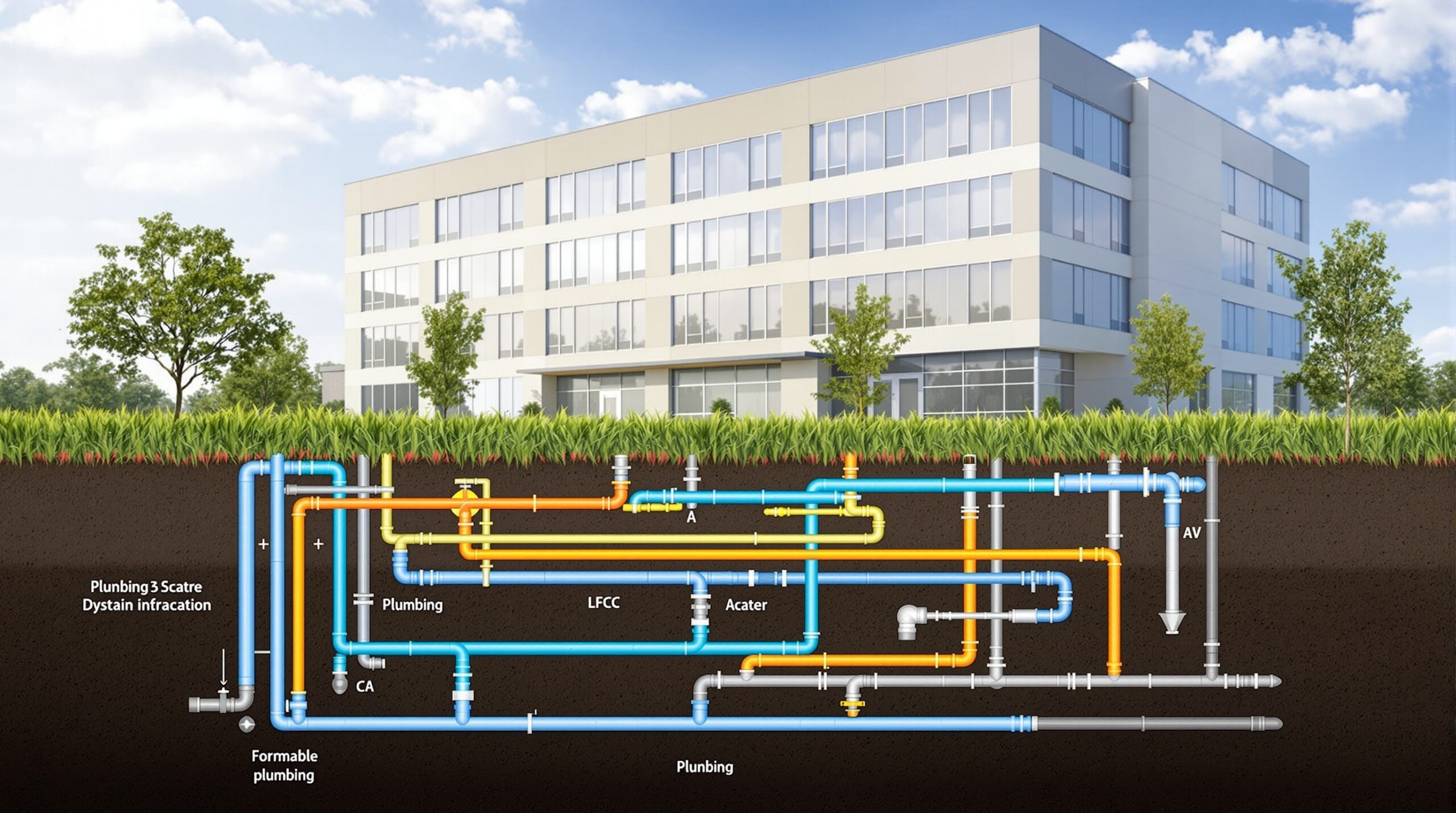
Keeping Middletown Safe: The Importance of Backflow Prevention
As the sun rises over the charming town of Middletown, Delaware, bustling businesses begin to wake up. From cozy cafes to busy retail shops, our community is a hub of activity and growth. But have you ever thought about what keeps all these commercial plumbing systems running smoothly? Enter backflow prevention, a hidden hero in the world of plumbing that works tirelessly behind the scenes.
What is Backflow Prevention?
Imagine you’re at your favorite restaurant, enjoying a delicious meal. Everything feels perfect until, unexpectedly, the water from the sink begins to flow backward! Sounds alarming, right? This is what backflow is all about—it’s when dirty water flows back into clean water pipes. This could pose serious health risks, not just for your meal, but for the entire community. That’s where backflow prevention steps in—it’s the protective barrier that ensures clean water stays clean!
Why It Matters
In Middletown, where our businesses thrive and our community grows, understanding the importance of backflow prevention is essential. It’s not just about having good plumbing; it’s about saving time and resources, and most importantly, protecting public health. By ensuring that our water supply remains uncontaminated, we can keep our community vibrant and healthy. So, as the next local business opens its doors, let’s remember the unsung champion that helps keep things running: backflow prevention!
Understanding Backflow: What It Is and Why It Matters
Now that we’ve established the importance of backflow prevention, let’s dive deeper into understanding backflow itself. At its core, backflow is a plumbing phenomenon that occurs when the normal flow of water is reversed, allowing potentially harmful contaminants from one section of the plumbing system to enter another, especially into the clean water supply. This reversal typically occurs due to two main factors: backpressure and backsiphonage.
| Term | Definition |
|---|---|
| Backpressure | An increase in pressure from downstream that forces contaminated water back into the clean water supply. Common sources include pumps or elevated water storage. |
| Backsiphonage | A drop in pressure in the clean water supply that creates a vacuum, pulling contaminants into the potable water system, often caused by a broken main or excessive water withdrawal. |
So, how does this affect Middletown’s vibrant commercial landscape? Imagine a local café that siphons water from a nearby fountain to boost its ambiance. If the water pressure drops unexpectedly—say, due to a fire hydrant being opened nearby—the resulting backsiphonage could pull dirty water from the fountain into the café’s plumbing. What might seem like a minor inconvenience could instead become a serious public health threat, contaminating not just the café but also any other establishments connected to that water line.
The potential risks of backflow cannot be underestimated. Contaminated water can carry a host of harmful pathogens, chemicals, and pollutants, leading to diseases and health issues that can impact entire neighborhoods. When backflow occurs, the consequences could extend well beyond one business; they may endanger the health of families and children in the area, potentially straining local healthcare resources.
Additionally, the disruption caused by backflow incidents can lead to lengthy investigations, costly cleanups, and legal liabilities for business owners caught unprepared. It becomes clear that the health of the community’s water supply hinges on robust backflow prevention systems in place throughout Middletown.
In an environment where businesses are progressively integrating sustainability practices and prioritizing public safety, understanding and preventing backflow is not only a regulatory obligation but a cornerstone of ethical business operations. By ensuring the integrity of the local water supply, Middletown’s businesses can stand as proud guardians of public health, cultivating a safe environment for customers and residents alike. The stakes are high, but the solution is clear—education, vigilance, and the relentless pursuit of backflow prevention measures will keep our community flourishing.
Local Regulations and Compliance
When it comes to safeguarding the community against backflow hazards, local regulations play a pivotal role. For business owners in Middletown, DE, understanding the specific compliance requirements related to backflow prevention is crucial for ensuring public safety and adhering to legal obligations.
The state of Delaware, along with local municipalities, has established guidelines that dictate how and when backflow prevention devices must be installed and maintained. In Middletown, business owners are required to equip their facilities with certified backflow prevention devices based on the risk level of their water sources. This means that establishments connected to a higher risk of contamination—like restaurants, industrial sites, and car washes—must adhere to stricter regulations compared to those with less risk.
One of the key elements in Middletown’s backflow regulation framework is the mandate for annual testing of backflow prevention devices. This testing is essential, allowing local authorities to verify that these devices are functioning correctly—and effectively thwarting any backflow incidents. Failing to comply with these regulations not only jeopardizes public health but can also result in significant fines and legal repercussions. Business owners must thus prioritize these checks, scheduling them with certified professionals to ensure compliance.
It’s also important to note that Middletown has a proactive inspection program for backflow devices, which involves random assessments and routine audits across various industries. The local government seeks to maintain a high standard of water purity for all residents, which hinges on the collective responsibility of business owners to adhere strictly to safety protocols. This not only involves the installation and maintenance of devices but also includes educating staff about the importance of these systems and ensuring that they recognize potential backflow risks.
Additionally, Middletown encourages businesses to register their backflow prevention assemblies with the local water authority. This registration not only helps local officials track compliance but also enhances the communication network when it comes to upcoming regulations and testing dates. Business owners can stay informed and proactive by being part of this system, reducing the risk of oversight and fostering a culture of accountability within their business establishments.
In summary, navigating the maze of regulations and compliance for backflow prevention in Middletown is not merely about adhering to the law; it is an integral part of a business’s commitment to public health. By understanding their responsibilities and taking proactive measures, business owners not only protect their patrons and the community but also solidify their reputations as conscientious members of Middletown’s thriving commercial ecosystem. In this shared endeavor, the town can collectively champion a safer, healthier environment for everyone.
Importance of Regular Backflow Testing
While compliance with local regulations is vital, it’s equally important to recognize that the heart of effective backflow prevention lies in regular and diligent testing. Routine backflow testing not only safeguards public health; it serves as a cornerstone for maintaining the integrity of your business’s water supply. For business owners, the ramifications of neglecting this critical maintenance can be far-reaching and costly, extending well beyond regulatory fines.
First and foremost, the primary role of backflow testing is to ensure that backflow prevention devices are functioning correctly. These devices play a critical role in keeping contaminants out of the drinking water supply, thus protecting both customers and employees. Routine checks allow businesses to detect any potential malfunctions or failures in these systems before they can lead to serious contamination incidents. In a time where public health and safety should be paramount, a single lapse could have dire consequences for the community and your business’s reputation.
Moreover, regular testing serves as a proactive approach to maintenance. Identifying small issues before they escalate can save businesses from a cascade of larger problems, including costly emergency repairs and extended downtime. Proper maintenance can often extend the lifespan of backflow prevention devices, ensuring they operate efficiently for many years. Business owners who prioritize regular testing not only protect their assets but also demonstrate a commitment to creating a safe environment for their patrons.
Additionally, routine backflow testing creates an opportunity for education and awareness among staff members. By scheduling regular assessments, businesses can train their teams to recognize potential backflow risks and respond quickly should a problem arise. Developing a culture of vigilance and accountability fosters a deeper understanding of the critical role these systems play in everyday operations. Employees who are equipped with knowledge about backflow prevention become invaluable assets to the business, enhancing the overall safety protocol.
Furthermore, regular backflow testing is an essential part of many businesses’ risk management strategies. As water contamination incidents can lead to health crises, legal battles, and substantial losses in customer trust, investing in preventative measures can be an important decision—not just for compliance, but for sustainable operational practices. By staying ahead of potential issues, business owners can cultivate long-term relationships with their clients, based on trust and reliability.
In conclusion, regular backflow testing stands as a distinguishing factor in a business’s commitment to safety and quality. Beyond mere compliance, it is an essential practice that protects your community’s health, reinforces your business’s integrity, and enhances operational efficiency. In Middletown, where community ties are strong and standards are high, embracing these routine checks is a significant step in championing a safer environment not just for yourself, but for every patron that walks through your doors.
Choosing the Right Backflow Prevention Device
As a cornerstone of water safety, selecting the appropriate backflow prevention device is paramount for businesses in various commercial settings. The right device not only fortifies the integrity of your water supply but also aligns with your specific industry requirements and operational needs. With a myriad of options available, understanding how to choose the right backflow prevention device is essential for ensuring both compliance and safety.
Firstly, it is critical to assess the specific needs of your business. Different industries have unique challenges and requirements when it comes to backflow prevention. For instance, restaurants may face potential contamination due to grease and food particles, whereas agricultural enterprises might contend with fertilizers and pesticides. Here are a few essential factors to consider when navigating through the selection process:
| Commercial Scenario | Recommended Device | Key Considerations |
|---|---|---|
| Restaurants | Double Check Valve Assembly | Handles high volumes of water use and potential contaminants from food preparation. |
| Medical Facilities | Reduced Pressure Zone Assembly (RPZ) | Offers superior protection against hazardous materials, essential for maintaining sterile environments. |
| Agricultural Operations | Pressure Vacuum Breaker | Protects against chemical backflow, tailored to irrigation and pesticide application needs. |
| Commercial Buildings | Atmospheric Vacuum Breaker | Ideal for plumbing fixtures, ensuring safety in everyday water use. |
| Industrial Facilities | Double Check Detector Assembly | Suitable for high-risk areas with complex water systems requiring regular monitoring. |
In selecting the appropriate device, you must also consider local regulations and the specific water supply conditions in your area. Each state or municipality may have different codes regarding backflow devices, often influenced by the type of water source—be it well water, municipal systems, or private supplies. Collaborating with local plumbing professionals can help ensure that you meet all necessary requirements while choosing a device tailored to your operational needs.
The size and capacity of the backflow prevention device also play a significant role in your choice. It is vital to evaluate your water usage and pressure requirements to select a device that can handle your unique consumption levels without failing. Underestimating these factors can lead to inadequacies in protection, ultimately compromising water safety.
Furthermore, installation and maintenance requirements should factor into your decision. Some devices are easier to install and require less frequent maintenance than others. Choosing a device that aligns with your operational capacity and staff expertise can streamline processes and ensure consistent performance. A device that is challenging to maintain may result in lapses in testing and could place your customers and business at risk.
Ultimately, selecting the right backflow prevention device is a careful balance of understanding your specific needs, compliance with regulations, and choosing a reliable solution that integrates seamlessly into your operations. Engaging with knowledgeable plumbing professionals can help you navigate these considerations and guide you in making the best choice for your business’s water safety needs.
When it comes to protecting your business from the potential hazards associated with backflow contamination, partnering with professional commercial plumbing services in Middletown, DE, can be a game-changer. The importance of having certified and experienced plumbers cannot be overstated, as they bring invaluable expertise to the table. This ensures that your backflow prevention installations are not only accurately executed but are also regularly maintained to meet both local regulations and your operational needs.
One of the primary benefits of engaging professional plumbing services is their extensive knowledge of local codes and requirements. Commercial plumbing regulations vary greatly by location and can often be complex. Professionals in the Middletown area will have a thorough understanding of the state and local legislation surrounding backflow prevention systems. This ensures compliance from the outset, helping you avoid potentially hefty fines or penalties associated with non-compliance. Moreover, staying informed about changes in regulations means that your systems will always be up-to-date with the latest standards.
Additionally, expert plumbers possess the technical skills needed to assess your specific backflow prevention needs effectively. They can help determine the best type of device for your business’s unique conditions while ensuring optimal installation. Their experience with various commercial scenarios allows them to provide insights that you might not consider otherwise. Whether you require a double check valve assembly for a restaurant or a reduced pressure zone assembly for a medical facility, having professionals on your side means you’ll receive tailored solutions designed for your specific challenges.
Regular maintenance is another crucial aspect where professional plumbing services shine. Backflow prevention devices require routine testing and servicing to ensure they function correctly. Engaging a commercial plumbing service means you can establish a scheduled maintenance plan that prevents unexpected failures and ensures your systems are always operating effectively. Skilled plumbers are adept at spotting early signs of wear or inefficiency, addressing issues before they escalate into major dilemmas. Regular maintenance not only bolsters the safety of your water systems but can also enhance the longevity of your plumbing infrastructure.
Moreover, professional plumbing services often provide warranties or service guarantees on their work, giving you additional peace of mind. This assurance means that if unforeseen issues arise, you have the support of experts who can quickly resolve the problem without inconvenience to your operations. Their commitment to quality service translates into reliable, long-lasting solutions that protect your property and livelihood.
Finally, building a relationship with local plumbing experts fosters a sense of community and support within your industry. As they become familiar with your specific business operations, they can offer ongoing consultations and updates that may affect your plumbing needs. This partnership focuses on proactive rather than reactive solutions, ensuring your business remains compliant and safe from water contamination at all times.
In conclusion, backflow prevention is not merely a regulatory requirement; it is an essential component of safeguarding public health and the efficient operation of your business. By understanding its significance and engaging with skilled commercial plumbing services in Middletown, DE, you can secure the longevity and safety of your property’s plumbing systems. Now is the time to take action—contact local experts today to schedule a comprehensive backflow prevention assessment and ensure your business is thoroughly protected.
Backflow prevention is a critical focus in commercial plumbing, primarily because backflow itself is a serious issue that can pose significant risks to public health. But what exactly is backflow? It refers to the unwanted reversal of the flow of water or mixtures of water and other substances in the potable water distribution system. When backflow occurs, contaminants from different sources—such as irrigation systems, sewer lines, or even swimming pools—can infiltrate clean drinking water supplies. This contamination can lead to serious health hazards, including gastrointestinal diseases, neurological disorders, and various waterborne infections. As a business owner, understanding this phenomenon is essential for safeguarding both your employees and your clients.
Due to the potential dangers associated with backflow, regular testing of backflow prevention systems is crucial. Industry experts recommend that these systems be tested at least once a year to ensure they are functioning correctly. However, specific regulations may dictate more frequent testing for high-risk facilities, such as restaurants, hospitals, or schools. By adhering to these testing schedules, you can significantly mitigate the risks associated with backflow and maintain a safe environment for your customers and staff.
So, how do you recognize a backflow issue in your commercial plumbing? Look out for a few telltale signs: discolored or cloudy water, a sudden drop in water pressure, or a foul odor emanating from your tap water. Other indications can include unexplained changes in your water usage, particularly spikes in consumption that seem out of place or unusual. If you observe any of these symptoms, it’s vital to act swiftly and consult with a commercial plumbing professional to address potential backflow issues before they escalate.
Businesses in Middletown are subject to specific regulations concerning backflow prevention. The Delaware Division of Public Health mandates that all commercial properties must have backflow prevention devices installed and maintained according to state law. Familiarizing yourself with these local regulations is a must; failure to comply can lead to penalties, as well as risking the health and safety of your patrons and employees. Professional plumbing services are invaluable in navigating these laws, ensuring that your business stays compliant while receiving the most effective plumbing solutions tailored to your needs.
Finding a reliable commercial plumbing service in Middletown doesn’t have to be a daunting task. Start by seeking recommendations from local business owners or industry professionals who have been satisfied with their plumbing service. Online reviews and testimonials are excellent resources for assessing potential candidates, helping you to gauge their reliability and quality of work. Ensure that any plumber you consider has experience specifically in addressing backflow prevention systems; their knowledge and expertise can make all the difference in ensuring your business remains compliant and safe.
In summary, understanding backflow and its implications is paramount for any business owner. It’s not just about meeting regulatory obligations; it’s about prioritizing the health of your community and the operational efficiency of your business. Dive deeper into the requirements, stay vigilant for warning signs, and always engage with trusted plumbing professionals to secure your plumbing systems against the threats posed by backflow contamination. Take the necessary steps today to ensure your business’s plumbing is in safe hands.
Investing in backflow prevention is crucial, not just for compliance, but for the assurance it provides in safeguarding your establishment and the community. Think of backflow prevention as the first line of defense against contaminants that could compromise your drinking water supply. Any lapse in this system can lead to severe health risks, ultimately threatening your business’s credibility and success. The implications of neglecting backflow prevention extend far beyond paperwork; they directly impact the everyday lives of your employees and customers.
Understanding the potential consequences of backflow contamination can enrich the conversation around its necessity. Contaminated water can spread diseases, damage property, and lead to costly legal battles. Protecting your business from such hazards isn’t merely about compliance—it’s about fostering a safe environment for everyone who enters your premises. Engaging with reputable local plumbers in Middletown, DE, ensures that your backflow prevention systems are meticulously designed and implemented, creating a safety net that benefits all stakeholders involved.
Why gamble with the safety of your water supply when experts are just a phone call away? Teaming up with licensed commercial plumbing professionals means you’re not only adhering to regulations but actively promoting public health. These experts can customize backflow solutions specifically for your operations, taking into account the unique dynamics and challenges of your industry. They go beyond installation; they act as trusted advisors, helping you understand the ongoing requirements for maintaining optimal performance.
Furthermore, local plumbing professionals offer a critical advantage: proximity. They’re not just on standby for emergency repairs; they’re community members who understand the local water system and the specific environmental factors that may affect it. This relationship translates into faster response times and personalized service, reducing the potential for contamination incidents. You’ll appreciate their insights, tailored to your locality, ensuring your systems aren’t just compliant but genuinely effective.
As you contemplate the integration of backflow prevention systems into your business, consider the benefits of community engagement. Partnering with local professionals cultivates a network of trust and support within the business community of Middletown. These experts are invested in the well-being of the community, fostering a culture of safety that aligns with prudent business practices. Working together, you can create a ripple effect that enhances public health and encourages other businesses to follow suit, promoting the welfare of the entire area.
In summary, safeguarding your business through effective backflow prevention is a proactive measure that serves the dual purpose of regulatory compliance and public health protection. By enlisting the help of skilled commercial plumbing services in Middletown, DE, you secure not only the longevity and safety of your plumbing systems but also the well-being of your clientele and staff. Make the responsible choice today—reach out to your local experts and schedule a thorough backflow prevention assessment, ensuring that your business stays a beacon of safety and reliability for all.