
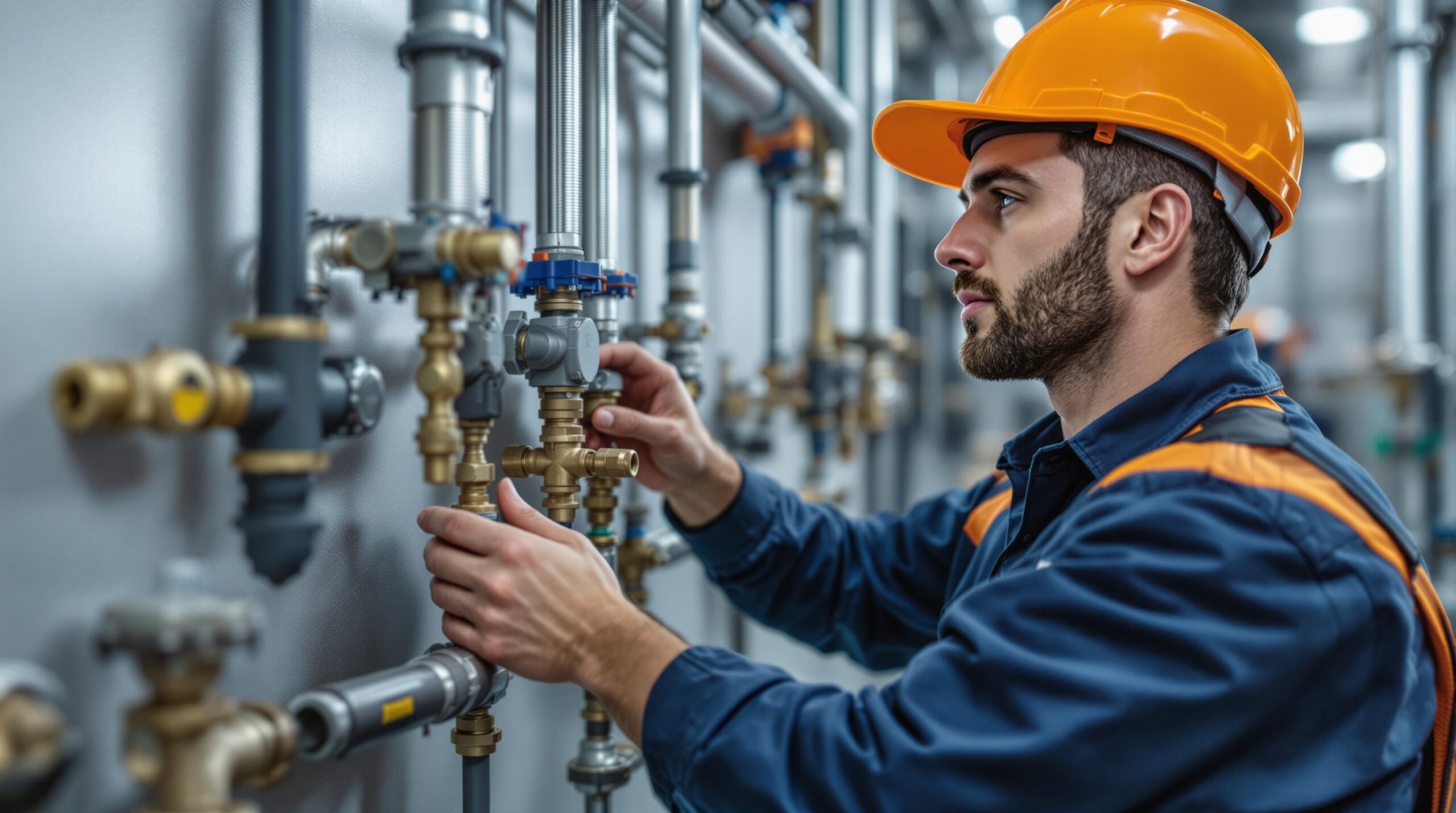
Keeping Townsend Safe: The Role of Plumbing in Our Community
In the charming town of Townsend, DE, we all know that a reliable plumbing system is crucial for every commercial property. It’s not just about having a sink that doesn’t clog or a toilet that flushes properly. It’s about the health and safety of everyone—employees, customers, and even visitors. Plumbers are our unsung heroes in this battle, especially when it comes to backflow prevention.
What is Backflow and Why Should We Care?
Imagine this: You’re at your favorite café, enjoying a hot cup of coffee, when suddenly, you spot something dark and murky swirling up through the tap water. Yikes! That’s backflow, and it’s more than just a scary sight. It can introduce harmful contaminants into our drinking water, posing serious health risks. That’s why preventing backflow is crucial, and that’s where professional plumbers come in.
Plumbers: Guardians of Public Health
In Townsend, the role of these plumbing experts goes beyond fixing leaky pipes. They are the guardians ensuring our water supply stays clean and safe. By installing and maintaining backflow prevention devices, they help keep our water systems working properly, so we can all continue to enjoy clean, fresh water.
This article will dive deeper into why commercial backflow prevention is essential for businesses in Townsend, DE. We’ll also explore the amazing range of plumbing services available to help keep our community safe. After all, a little prevention goes a long way!
Understanding Backflow: What It Is and Why It Matters
Backflow is a term that often raises eyebrows, but understanding its implications is crucial for the welfare of public health. In essence, backflow is the unwanted reversal of the flow of water or mixtures of water and other liquids, gases, or substances into the potable water system. When this happens, it can lead to contamination of our water supply, creating serious health risks.
Picture a garden hose lying in a puddle of muddy water. If the pressure in the municipal water system drops (maybe due to excessive usage or a broken main), that muddy water could be drawn back into the clean water supply. This is not just a theoretical scenario; it can happen right here in Townsend if we don’t stay vigilant. The consequences could be dire, introducing bacteria, pesticides, and even harmful metals into our drinking water, ultimately impacting our health and well-being.
Understanding the importance of backflow prevention goes hand-in-hand with recognizing the pivotal role of plumbing in our communities. Here are notable reasons why backflow matters:
| Impact | Description |
|---|---|
| Health Risks | Backflow can introduce harmful contaminants into our drinking water, leading to serious illness. |
| Regulatory Compliance | Businesses must adhere to local and federal regulations regarding backflow prevention to avoid penalties and legal issues. |
| Community Trust | Effective backflow prevention helps foster trust in our public water systems, encouraging a healthier community. |
| Environmental Protection | Preventing backflow helps maintain the cleanliness of our local ecosystems, safeguarding our libraries of biodiversity. |
In Townsend, businesses and commercial establishments bear the responsibility of ensuring safe water practices. This is where professional plumbers excel, proactively installing backflow prevention devices and conducting regular inspections to ensure systems operate smoothly. These preventative measures not only fulfill legal obligations but also promote overall community wellness.
As we cherish the quality of life in Townsend, let’s remember that a robust plumbing system is our shield against the health risks posed by backflow. Our plumbers are key players, standing guard and ensuring our water supply remains clean, fresh, and safe for all. In the following sections, we will dive into the key components of commercial plumbing services that our dedicated local plumbers provide, as they work tirelessly to keep our town healthy and vibrant.
Key Components of Commercial Plumbing Services in Townsend, DE
As Townsend flourishes with its growing commercial landscape, the demand for comprehensive plumbing services becomes increasingly vital. Businesses depend on functional plumbing systems to ensure smooth operations, and that’s where reliable commercial plumbing services come into play. These essential services encompass various components designed to maintain water quality, enhance operational efficiency, and safeguard the community’s health. Here are the key components that these professional services provide:
- Installation of Backflow Prevention Devices: A cornerstone of commercial plumbing, these devices prevent contaminated water from reversing into potable water lines. Qualified plumbers assess your business needs, recommend appropriate devices, and ensure proper installation to comply with local regulations.
- Regular Inspections and Maintenance: Just as a well-oiled machine requires routine check-ups, plumbing systems necessitate regular inspections. Professional plumbers perform comprehensive evaluations of your plumbing network, identifying potential backflow risks, leaks, or aging components that could jeopardize water safety.
- Emergency Plumbing Services: When a plumbing emergency strikes, swift action is crucial. Local plumbers provide round-the-clock services, addressing urgent issues like pipe bursts or major leaks, thus preventing backflow scenarios and substantial water loss.
- Water Quality Testing: Understanding the quality of water flowing through your building is essential for health and safety. Professional plumbing services offer water testing to detect contaminants or pollutants, ensuring your drinking water meets health standards and instilling confidence among employees and customers.
- Installation of Water Filtration Systems: Advanced filtration systems can be integrated into commercial plumbing networks to further enhance water safety. These systems filter out harmful substances, ensuring that every drop of water consumed or utilized in processes is clean and safe.
- Compliance with Health Regulations: Plumbers in Townsend are well-versed in state and local plumbing codes, including regulations surrounding backflow prevention. They guide businesses to ensure they adhere to these standards, protecting the health of the community and avoiding potential fines.
- Education and Training: An often-overlooked aspect of plumbing services is the emphasis on educating business owners and staff about backflow prevention and maintenance. Plumbers conduct training sessions to inform employees of best practices to mitigate risks and maintain awareness of plumbing systems.
These components work in tandem to not only guard against the immediate risks of backflow but also contribute to a more robust plumbing infrastructure capable of serving the community’s businesses effectively. By understanding and implementing these essential services, Townsend’s commercial sector can flourish while ensuring public health and safety remain uncompromised. As we move to the next section, we will delve deeper into the steps for implementing backflow prevention solutions, crucial for every local establishment.
Steps for Implementing Backflow Prevention Solutions
Backflow prevention is not merely a regulatory requirement; it is a critical measure to ensure the safety of drinking water in your commercial establishment. Understanding how to implement effective backflow prevention solutions can significantly mitigate the risks associated with water contamination. Here’s a structured approach to seamlessly integrate these essential systems into your plumbing framework:
- Conduct a Comprehensive Risk Assessment: The first step in implementing backflow prevention solutions is to perform a thorough risk assessment of your plumbing system. Engage licensed plumbing professionals who can evaluate your property’s specific needs, identify high-risk areas, and determine where backflow incidents are likely to occur. This foundational analysis will guide your subsequent actions.
- Choose the Right Backflow Prevention Device: Based on the risk assessment, select appropriate backflow prevention devices tailored to your business’s unique circumstances. Options may include reduced pressure zone devices, double check valves, or atmospheric vacuum breakers, among others. Working with an experienced plumber ensures that you choose the device that best fits your system while adhering to local regulations.
- Secure Proper Permits: Before installation, it’s essential to secure any necessary permits mandated by local authorities. Compliance with local plumbing codes is not only a legal requirement but also an act of due diligence to safeguard public health. Your plumbing contractor typically guides you through this process, ensuring everything is completed correctly.
- Professional Installation: Once you have acquired the necessary permits and selected your device, have it professionally installed by a licensed plumber. Proper installation is crucial for the efficiency and reliability of the backflow prevention device, directly affecting its ability to operate as intended and prevent contamination.
- Regular Maintenance and Testing: Implementing a routine maintenance schedule is vital for the longevity and effectiveness of your backflow prevention systems. Schedule annual testing of your backflow devices as required by local regulations. Qualified plumbers will conduct these tests and carry out any necessary repairs or replacements to keep your system functioning optimally.
- Educate Your Staff: Ensure that your employees are knowledgeable about the importance of backflow prevention and the role they play in maintaining water safety. Host training sessions to inform staff about identifying potential risks and understanding the operational aspects of existing prevention devices. Empowering your team with this knowledge can foster proactive participation in safety protocols.
- Monitor and Adapt: Keep a close eye on the effectiveness of your backflow prevention measures. Maintain open communication with your plumbing service provider and be receptive to changes in regulations or recommendations for upgrades based on emerging technologies or risks. Continuously monitoring and adapting your strategies ensures that your establishment meets the ongoing challenges of water safety.
By systematically implementing these steps, you not only protect your business from the dangers associated with backflow—potentially harmful contaminants affecting your water supply—but also contribute to the broader mission of safeguarding public health. As Townsend grows, so does the responsibility for each establishment to uphold the standards that keep our community safe. With robust backflow prevention solutions in place, businesses can operate confidently, knowing they are part of a larger commitment to health and well-being in Townsend.
Top Tips for Selecting the Right Commercial Plumbing Service
Choosing a commercial plumbing service is a significant decision, one that can impact your business’s operational efficiency and overall safety. With numerous options available, ensuring you select a qualified and reliable plumbing partner is essential. Here are some top tips to guide you through the selection process:
- Check Credentials and Licensing: Always verify that the plumbing service holds the necessary licenses and certifications as mandated by local and state regulations. A reputable plumber should also carry adequate insurance to protect both themselves and your business from accidents or damages during the job.
- Read Reviews and Testimonials: Look for client reviews and testimonials online to gauge the experiences of other businesses with the plumbing service. Check reputable sites such as Google, Yelp, or local business directories. This feedback provides insight into the quality of work and customer service you can expect.
- Inquire About Experience and Specializations: Not all plumbing services are created equal. Ensure the service you consider has ample experience specifically in commercial plumbing. Different businesses may have varying needs, so a plumber well-versed in commercial systems will be better equipped to handle the challenges unique to your industry.
- Ask for References: Don’t hesitate to ask potential plumbing services for references from previous clients. A reliable plumber should be willing to provide contact information for past customers who can speak to their expertise and level of service.
- Evaluate Response Times and Availability: Plumbing emergencies can happen without warning. Evaluate prospective plumbers based on their response times and availability, especially during evenings or weekends. Opt for companies that offer 24/7 emergency services to ensure you’re covered anytime a plumbing issue arises.
- Discuss Warranty and Service Guarantees: It’s essential to understand the warranty and guarantees offered by the plumbing service for their workmanship and parts. A strong warranty indicates that they stand behind their work and are committed to addressing any issues that may arise after completion.
- Request a Detailed Estimate: Before settling on a plumbing service, request a comprehensive estimate that outlines the scope of work, materials to be used, and timelines. This clarity can help prevent misunderstandings and ensure you can make a well-informed decision.
Comparison Table of Key Factors to Consider
| Factor | What to Look For |
|---|---|
| Credentials | Valid licenses, certifications, and insurance coverage |
| Reviews | Positive feedback from reliable review platforms |
| Experience | Specialized in commercial plumbing with industry knowledge |
| References | Willingness to provide client references for past performance |
| Availability | Emergency services offered around the clock |
| Warranty | Clear service guarantees and warranties on work performed |
| Estimates | Detailed breakdown of services and associated costs |
With these tips in hand, you can approach the selection process with confidence, ensuring that you find a plumbing service that aligns with your business needs while maintaining the highest standards of safety and quality. Proper plumbing management is integral to maintaining a healthy business environment, enabling you to focus on what you do best.
Addressing Common Plumbing Challenges in Business Environments
In the bustling world of business, the last thing you need is a plumbing malfunction disrupting operations. Unfortunately, plumbing challenges can arise unexpectedly, creating frustration and hindering productivity. Understanding these common issues, along with their solutions and preventative measures, can empower business owners to effectively tackle plumbing woes before they escalate. Here are some prevalent plumbing challenges faced by businesses:
- Frequent Blockages: The likelihood of clogs in commercial settings can be heightened due to higher usage rates and improper disposal of waste in toilets and drains. Regular maintenance checks and staff training on what can be flushed or drained can minimize blockage incidents.
- Leaking Pipes: Leaks can lead to water damage, mold growth, and increased water bills. Prompt identification of leaks is crucial. Implementing regular inspections and using smart water monitoring systems can help detect leaks early, allowing swift intervention.
- Low Water Pressure: A dip in water pressure may disrupt daily operational tasks, from basic hygiene practices to cleaning protocols. Causes range from clogged pipes to issues with the municipal supply. Engaging with plumbing professionals to assess and resolve pressure issues is imperative to ensure optimal flow.
- Water Heater Issues: Commercial establishments depend heavily on efficient hot water systems. Problems with water heaters—such as inadequate heating or complete breakdowns—can hinder critical functions. Scheduling regular servicing and opting for maintenance plans can ensure your hot water systems run smoothly.
- Backflow Contamination: Backflow can pose significant health risks, especially in environments where water purity is essential. Regular testing and installation of backflow prevention devices are essential to safeguard against cross-contamination of potable water supplies.
- Drainage Problems: Slow draining sinks or periodically overflowing toilets can indicate larger plumbing concerns, often tied to the building’s drainage system. Conducting routine drainage inspections can help identify blockages and facilitate corrective measures before they result in costly repairs.
Implementing Preventative Strategies: To mitigate these plumbing challenges, businesses should prioritize proactive maintenance strategies. Establishing a routine maintenance schedule with a trusted plumbing service can significantly reduce the occurrence of unexpected plumbing issues. Additionally, training staff on proper usage and reporting protocols, alongside creating a robust emergency plan, can ensure that plumbing pitfalls are handled swiftly and efficiently.
By facing these common plumbing challenges head-on, businesses are better equipped to sustain smooth operations and maintain a safe, productive environment for employees and clients alike. Recognizing the potential pitfalls and preparing accordingly can save headaches and resources in the long run.
When discussing plumbing challenges, one critical issue that can go unnoticed until it’s too late is backflow. This phenomenon occurs when water flows in the opposite direction from its intended pathway, potentially contaminating clean water supplies with polluted water. Understanding the mechanics of backflow is essential not just for compliance, but also for safeguarding your business and employees’ health.
What Causes Backflow? Backflow occurs primarily due to changes in water pressure. For instance, if a plumbing system experiences a sudden drop in pressure—perhaps due to a pipe bursting or a significant water draw—a vacuum can form, causing contaminated water from a lower-pressure area, like a sewer line, to reverse its flow and enter the potable water system. This situation can happen at any commercial facility, especially those with complex plumbing systems or where there are non-potable water sources in close proximity.
Legal Requirements for Backflow Prevention in Townsend Given the potential health risks associated with contaminated water, backflow prevention is not only a best practice but also a legal requirement in many regions, including Townsend, DE. Local codes generally mandate the installation of backflow prevention devices on commercial properties, particularly those involved in certain industries such as food service, healthcare, and manufacturing. Compliance with these regulations is crucial, as failure to implement appropriate backflow prevention measures can result in fines and legal penalties. It’s vital to consult with local authorities or a certified plumbing professional to ensure your business meets all necessary requirements.
Inspection Frequency Regular inspection of backflow prevention systems is essential to maintain compliance and ensure functionality. Many experts recommend annual testing and check-ups—although in some high-risk scenarios, more frequent inspections may be warranted. Keeping a close eye on your systems allows you to catch any signs of dysfunction early, ensuring they remain effective in guarding against backflow contamination.
Signs of Potential Backflow Problems Being proactive means knowing the signs that indicate backflow issues. Unusual changes in water quality, such as cloudiness, unusual tastes, or odors are immediate red flags. Other indicators may include frequent occurrences of contaminated supplies in the building or a sudden drop in water pressure. If you notice any of these symptoms, it’s essential to contact a plumbing professional to conduct a thorough evaluation of your systems.
Choosing the Right Commercial Plumbing Service With the stakes high, selecting the right plumbing service provider is paramount for effective backflow prevention. Look for established companies with extensive experience in commercial plumbing and expertise in backflow prevention. Credentials matter—ensure they are licensed, bonded, and insured, which protects you in case of accidents. Additionally, a reputable service should be familiar with local regulations and offer ongoing maintenance plans that include regular inspections and compliance checks. Ask for references or read online reviews to gauge the reliability and quality of their services.
Taking these steps can help protect your business from the serious implications of backflow. By prioritizing awareness and collaboration with qualified plumbing professionals, you can mitigate risks effectively and ensure a safe, compliant environment for your business.
Ensuring Compliance and Safety through Professional Backflow Prevention
As we navigate the complexities of plumbing in a commercial setting, one critical aspect that demands unwavering attention is backflow prevention. While many businesses understand the concept, the importance of effective backflow management cannot be overstated. Not only does it protect the integrity of your plumbing infrastructure, but it also safeguards the health of your employees, customers, and the surrounding community.
In conclusion, commercial backflow prevention is essential to protect both your business’s infrastructure and health standards. Think of it as a bulwark against potential hazards. Backflow incidents can lead to disastrous consequences, such as contaminated drinking water and significant liability issues, ultimately tarnishing your brand’s reputation. By proactively implementing backflow prevention measures, you are not merely complying with regulations; you are investing in your business’s long-term health and longevity.
The road to compliance and safety begins with collaboration. Engage with skilled plumbing experts in Townsend, DE, who can offer invaluable insights tailored to your specific business needs. These professionals are equipped with the latest knowledge and techniques to install and maintain backflow prevention devices properly, ensuring that your systems operate flawlessly. Their expertise allows you to stay up-to-date with local laws and industry standards, alleviating the burden of compliance from your shoulders.
Moreover, a strategic partnership with plumbing specialists can empower your organization to establish routine checks and testing for backflow prevention devices, providing added assurance that your water supply remains uncontaminated. Regular maintenance not only enhances reliability but also serves as a proactive measure against unexpected repairs that could disrupt your operations.
Investing in expert plumbing services today is a proactive step that will mitigate risks and maintain operational excellence. By prioritizing backflow prevention, you’re fostering a safe environment where employees can thrive and customers can feel secure. It’s more than a recommendation; it’s a commitment to excellence that will resonate throughout your business.
So, take action now. Channel your focus towards ensuring compliance and safety by forging lasting relationships with plumbing professionals. Let them help you navigate the intricacies of backflow prevention, thereby securing not just your business’s infrastructure but also the trust and well-being of everyone who interacts with your establishment. In doing so, you’re not just solving a plumbing issue; you’re building a foundation for lasting operational success.