
Your Go-To Guide for Tackling Plumbing Nightmares in Odessa, DE
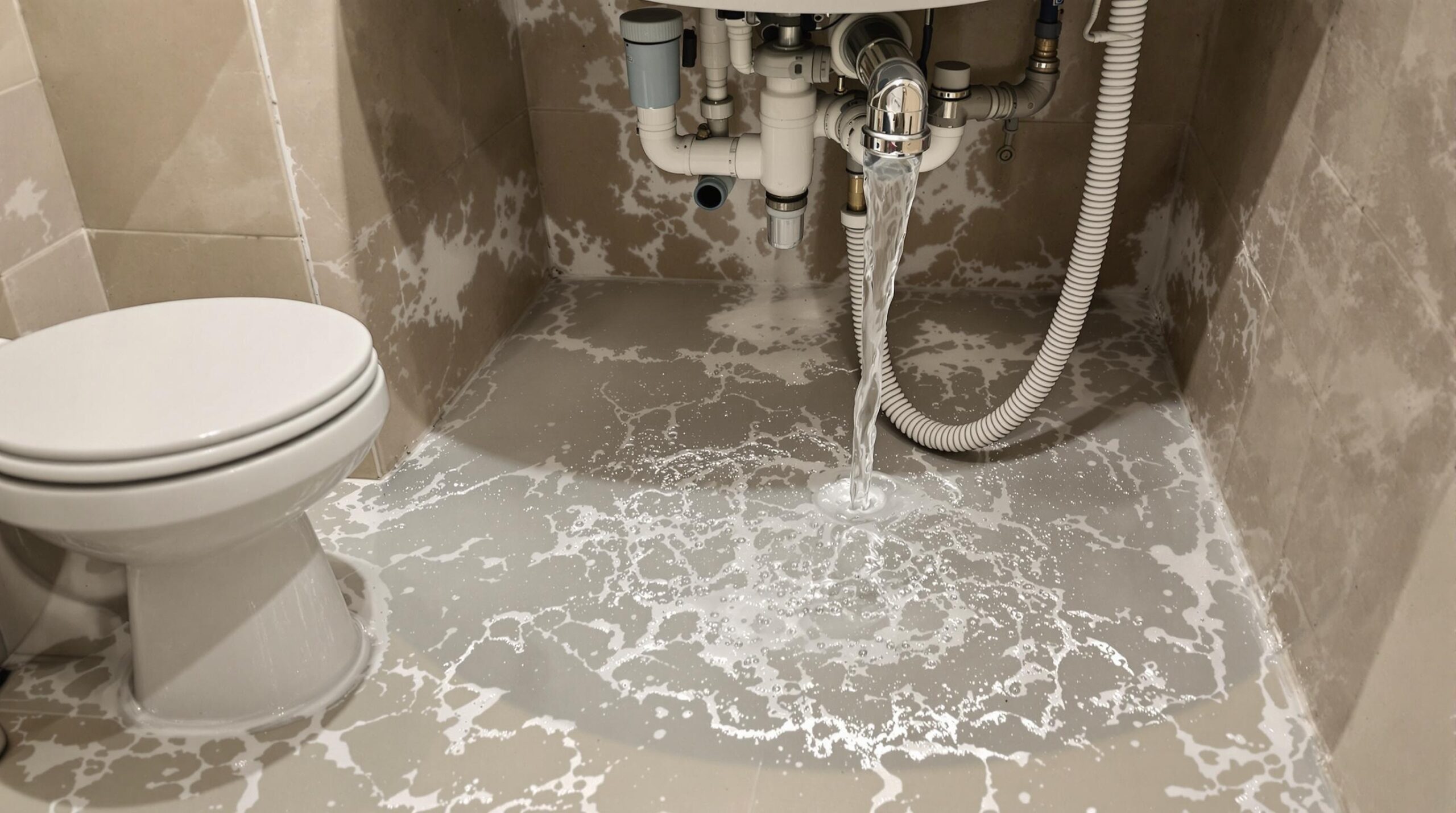
Imagine this: you’re enjoying a quiet Saturday morning in your home in Odessa, DE. The sun is shining through the windows, and you’re sipping your favorite coffee. Suddenly, you hear the alarming sound of water gushing where it shouldn’t be. A plumbing disaster has struck! Whether it’s a leaky sink, a clogged toilet, or a burst pipe, these problems can happen when you least expect them and can leave you feeling overwhelmed and unsure of what to do next.
Why Plumbing Emergencies Happen
Plumbing issues can pop up out of nowhere due to various reasons, from aging pipes to extreme weather changes. For Odessa residents, it’s essential to understand that these emergencies are not just inconvenient; they can lead to further damage if not addressed quickly. That’s why being prepared makes all the difference. Knowing what to look for and how to act can save your home from extensive damage and minimize the hassle you might face.
Staying Calm in the Chaos
When a plumbing nightmare occurs, the most important thing is to stay calm. Panic can lead to hasty decisions, making the situation worse. Take a deep breath and remember that you’re not alone—help and solutions are just a few steps away. This guide is designed to equip you with the knowledge you need to respond effectively to plumbing emergencies, easing your worries and giving you confidence.
In the following sections, we’ll walk you through common plumbing emergencies that might pop up in your home and share practical tips on how to deal with them. By the end of this guide, you’ll have all the tools you need to tackle those plumbing nightmares like a pro! So let’s dive in and ensure your Odessa home stays in tip-top shape.
Most Common Emergency Plumbing Issues to Watch Out For
Every homeowner in Odessa should be aware of the variety of plumbing emergencies that can disrupt your peace at home. Understanding these issues is crucial for both prevention and swift action when they arise. Below, we present a list of the most common plumbing problems, so you’ll know precisely what to watch for, allowing you to navigate emergencies with confidence.
| Emergency Issue | Common Causes | Signs to Watch For |
|---|---|---|
| Leaky Faucets | Worn-out washers, corroded valve seats | Puddles under the sink, dripping sounds |
| Clogged Toilets | Excessive waste or foreign objects, low water levels | Slow drainage, gurgling noises |
| Burst Pipes | Frozen pipes, high water pressure | Sudden water accumulation, noticeable drops in water pressure |
| Overflowing Sinks | Clogged traps, blocked drain lines | Water pooling around the sink area, slow drainage |
| Water Heater Failures | Corrosion, sediment buildup | Discolored water, unusual noises from the heater |
| Gas Leaks | Faulty connections, old appliances | Smell of sulfur or rotten eggs, hissing sounds |
| Blocked Drains | Accumulated debris, tree roots in the system | Slow drainage, unpleasant odors |
Recognizing these plumbing emergencies and their signs can make all the difference in preventing further damage. For instance, a small drip from your faucet may seem trivial, but it could quickly escalate into a more significant issue if left unattended. Likewise, an overflowing toilet is not just a nuisance; it could result in water damage to your floors and walls if not handled promptly.
By being aware of these common plumbing problems, you’ll be better suited to respond effectively in times of crises. When you know what to look for, you can act decisively and rectify issues before they spiral out of control. The next section of our guide will provide you with quick solutions and immediate actions to take during an actual plumbing crisis. Armed with this knowledge, you’ll enhance your ability to manage any situation that arises in your home.
Quick Solutions: Immediate Actions to Take During a Plumbing Crisis
When a plumbing crisis strikes, every second counts. Knowing how to respond swiftly and effectively can minimize damage and restore comfort in your home. Here are some essential steps to take during common plumbing emergencies, ensuring you can tackle the situation head-on and potentially save yourself from looming disasters.
Leaky Faucets
If you find yourself under a constant drizzle from your kitchen or bathroom faucet, don’t let panic set in. The first move is to turn off the water supply at the shut-off valve, usually located under the sink. Next, drain the faucet by turning it on until the water completely stops. This not only reduces water loss but also minimizes the chances of developing further leak damage. If you’re comfortable, you can attempt to replace worn washers or seals, or at least gather enough information to brief your plumber effectively about the problem.
Clogged Toilets
A clogged toilet can cause immediate stress, but there’s no need to despair. Grab a reliable toilet plunger, ensuring a snug fit against the toilet’s drain. Push down firmly and pull up to create suction, repeating this several times for maximum effect. If that fails, try pouring hot (not boiling) water down the bowl followed by dish soap to lubricate the clog. If your attempts don’t clear the blockage, avoid flushing repeatedly and call a professional to handle the situation.
Burst Pipes
Upon discovering a burst pipe, your priority is to stop the water flow. Locate your main shut-off valve and turn it off immediately to prevent further flooding. Once the water supply is halted, drain any remaining water in the system by turning on your faucets. Notify an emergency plumber right away, and while waiting for assistance, use buckets or towels to contain any excess water, attempting to minimize damage to your home’s interior.
Overflowing Sinks
When your sink begins to overflow, quickly turn off the faucet and move any valuables or electronics out of the water’s reach. If possible, plug the sink drain to prevent further overflow while you look for the cause—often a clogged trap. Remove the sink’s pop-up stopper, and using a plumber’s snake or a coat hanger, you can attempt to dislodge the blockage. If water continues to rise after you’ve addressed the issue, don’t hesitate to reach out for help.
Water Heater Failures
Notice strange noises or discolored water from your water heater? First, turn off the power supply to the unit immediately to prevent overheating and potential combustion. Next, to minimize potential flooding from a tank issue, locate the drainage valve at the bottom of the tank and connect a hose to drain the water safely. Make sure to contact your plumber, detailing your heater’s symptoms so an expert can diagnose the underlying problem accurately.
Gas Leaks
If you detect the unmistakable smell of sulfur or rotten eggs, exit your home immediately. Do not turn on or off any lights, appliances, or devices, as even the smallest electrical charge could ignite gas particles. Once you’re safely outside, notify your gas supplier and wait for professionals to arrive. They are trained to handle gas leaks efficiently and safely.
Blocked Drains
Should you notice slow drainage with unpleasant odors emanating from your sinks, grab a plunger or a drain snake and attempt to clear the obstruction. For a more immediate approach, pouring a mixture of baking soda and vinegar down the drain can help dissolve build-up. If these household remedies don’t work, it’s best to contact a plumbing professional who can inspect the entire drainage system.
In any plumbing crisis, acting with urgency yet caution is vital. Each of these quick solutions allows you to gain control of the situation, reducing stress while waiting for a plumbing expert’s assistance. Now that you know how to respond in an emergency, the next step is to explore preventative measures to minimize future plumbing disasters, keeping your home safe and sound.
Preventative Measures to Minimize Future Plumbing Disasters
While knowing how to react during a plumbing crisis is crucial, taking proactive steps can be the key to preventing these emergencies from occurring in the first place. A little foresight and maintenance can save you from unexpected interruptions, damage, and stress. Here are some essential preventative measures you can implement in your home to keep plumbing disasters at bay.
Regular Inspections
Just as you schedule annual check-ups for your health, it’s wise to inspect your plumbing system regularly. Take some time every few months to check for leaks or signs of wear in visible pipes, faucets, and fixtures. Look out for stains or wet spots on the walls that may indicate hidden leaks. If you notice any irregularities, don’t hesitate to consult a plumber who can perform a thorough inspection, potentially catching issues before they escalate.
Know Your Plumbing System
Familiarizing yourself with the layout of your plumbing system is invaluable. Know where the shut-off valves for your sinks, toilets, and water heater are located, as well as the main shut-off valve for your home. Understanding how your plumbing works can aid in quickly addressing issues and may also empower you to tackle minor repairs with confidence.
Mind Your Drainage
Drain clogs often escalate into serious plumbing issues if left unchecked. Be mindful of what you put down your sinks and toilets. Avoid flushing non-biodegradable items, and use drain covers to catch hair and debris. Regularly maintain your drains with a mix of baking soda and vinegar to help dissolve buildup. This simple habit can help prolong the life of your plumbing system and diminish the likelihood of clogs.
Water Heater Maintenance
Your water heater works tirelessly to provide comfort, so it deserves regular attention. Flushing your tank annually helps remove sediment buildup that can hinder efficiency and lead to corrosion. Inspect the heater regularly for rust and leaks, and replace the anode rod as needed. Staying ahead of these maintenance tasks can help avert unexpected failures—all without breaking a sweat.
Temperature Control
To combat bursting pipes during colder months, ensure your home is adequately insulated. This includes wrapping pipes in unheated areas like basements or crawl spaces. Setting your thermostat to a consistent temperature can also minimize the risk of freezing. If you plan to leave home for an extended period, let your faucets drip slightly to keep water flowing and prevent a solid freeze.
Educate Family Members
Ensure everyone in your household knows the basics of plumbing care. Sharing knowledge about what can and can’t be disposed of down the sink or toilet can prevent many issues. Equip family members with the know-how to identify minor leaks or slow drains, and encourage them to report any unusual signs immediately. An informed household is your first line of defense against plumbing disasters.
Implementing these preventative measures can significantly reduce the risk of plumbing catastrophes, providing peace of mind and a smoothly functioning home. By taking a proactive approach, you not only protect your property but also your sanity. Once you’ve taken these steps, it’s still important to know when to step back and call in a professional plumber for further assistance.
When Is It Time to Call a Professional Plumber?
Despite your best efforts at prevention and maintenance, there will inevitably come a time when a plumbing situation exceeds your expertise or comfort level. Recognizing the right moment to call in a professional plumber can save you from the stress of further complications and potential damage to your home. Here are some key indicators that you should seek professional help.
Persistent Leaks
If you notice persistent leaks in your faucets, fixtures, or pipes that seem to defy your attempts at DIY fixes, it’s a clear sign that professional intervention is needed. Unresolved leaks not only waste water but can also lead to mold growth and structural damage over time. A skilled plumber can accurately diagnose the root cause and provide a lasting solution.
Low Water Pressure
Sudden drops in water pressure throughout your home can indicate serious underlying issues, such as pipe blockages or leaks within your plumbing system. If adjusting aerators or cleaning showerheads doesn’t rectify the situation, calling a professional is advisable. They have the tools and expertise to pinpoint the problem, whether it’s a clogged pipe or a failing pressure regulator.
Overflowing Toilets and Drains
Encountering an overflowing toilet or drain is more than just an inconvenience; it’s a sign of potential blockage that could worsen if not addressed promptly. If plunging doesn’t resolve the issue, it’s best to step back and consult a plumber. They can perform drain cleaning or camera inspections to identify and remove the obstruction.
Unpleasant Odors
If foul smells are seeping from your drains or fixtures, it’s time to take action. Unpleasant odors could be a sign of sewer backup, a clogged vent pipe, or other significant issues that require immediate attention. A licensed plumber can diagnose the source of the odors and recommend the necessary repairs to restore your home’s comfort.
Backflow Problems
Backflow is more than just an inconvenience; it can pose serious health risks. If wastewater is flowing back into your home, it’s an emergency situation that necessitates a professional plumber’s expertise. They can assess the situation, repair any issues, and install backflow preventers to protect your home in the future.
Water Heater Issues
Signs of malfunctioning water heaters, such as inconsistent temperatures, strange noises, or leaks, should prompt you to call a professional. Lethargy in heating water or visible rust can indicate underlying problems that may require either repair or replacement. An experienced plumber can evaluate the situation to ascertain the best course of action to ensure your comfort and safety.
| Indicator | Action |
|---|---|
| Persistent leaks | Consult a plumber |
| Low water pressure | Seek professional inspection |
| Overflowing toilets/drains | Call for emergency plumbing |
| Unpleasant odors | Request an assessment |
| Backflow problems | Immediate professional help required |
| Water heater issues | Professional evaluation recommended |
Understanding when to call a professional plumber allows you to protect your home and investment effectively. By recognizing these warning signs, you can avoid exacerbating plumbing issues and enjoy peace of mind, knowing your plumbing system is in expert hands.
Emergency Plumbing Services in Odessa, DE: What to Expect
When plumbing emergencies strike, they often do so without warning. As a resident of Odessa, DE, understanding the protocol for engaging emergency plumbing services can mean the difference between a minor inconvenience and a significant catastrophe. Here’s a comprehensive guide of what to expect and how to efficiently navigate these unexpected situations.
24/7 Availability
In the world of emergency plumbing, time is of the essence. Reputable plumbing services in Odessa offer 24/7 availability, ensuring that help is just a phone call away, regardless of whether it’s the early hours of the morning or a holiday weekend. This constant accessibility means you don’t have to wait for normal business hours to tackle your plumbing crisis, giving you peace of mind that assistance is always on hand.
Rapid Response Time
Emergency plumbers understand the urgency that plumbing issues can cause. Upon your call, a skilled technician will quickly assess your situation over the phone while mobilizing to arrive at your location promptly. This quick response can significantly mitigate potential damage and helps you regain control over the situation as swiftly as possible.
Thorough Assessment
Once on-site, professional plumbers will conduct a detailed assessment of the problem. Equipped with specialized tools and technology, they will diagnose the issue accurately. Expect them to ask questions about the symptoms you’ve noticed and perform any necessary inspections to identify the root cause. This thoroughness is essential not only for immediate repairs but for preventing future plumbing crises as well.
Efficient Repairs
After diagnosing the problem, the plumber will propose a plan of action. You can expect efficient repairs aimed at quickly restoring functionality to your plumbing system. Whether it involves unclogging drains, repairing pipes, or addressing issues with water heaters, a proficient plumber will utilize their knowledge and experience to execute repairs effectively, ensuring the issue is resolved to prevent recurrence.
Safety and Compliance
Emergency plumbing services in Odessa prioritize safety. Licensed plumbers are trained to manage hazardous situations, including gas leaks and sewage backups, with strict adherence to codes and regulations. Expect them to not only address the immediate problem but also ensure that all safety measures are in place to protect you, your family, and your property during and after the repair process.
Follow-Up Care
After resolving the issue, many plumbing services provide follow-up care or advice. This could involve recommendations for routine maintenance or preventative measures to help you avoid similar emergencies in the future. Taking advantage of such guidance is a proactive step in preserving the integrity of your plumbing system and safeguarding your home.
Navigating plumbing emergencies may feel daunting, but preparedness and timely action are key. By understanding what to expect from emergency plumbing services, residents of Odessa can confidently face any plumbing challenges that come their way. Prepare today by keeping local emergency contacts at the ready, ensuring that you’re never caught off guard when the unexpected occurs.
Emergencies can strike when you least expect them, and understanding the signs of an impending plumbing disaster is crucial for every homeowner in Odessa. Recognizing these early warning signs can help you take preemptive measures before a simple issue escalates into a full-blown emergency. Look out for persistent dripping faucets, unexplained water stains on walls or ceilings, and noticeable decreases in water pressure. These signals could indicate potential leaks or clogs that require immediate attention. If you notice any of these symptoms, don’t hesitate to take action—after all, better safe than sorry!
In the event that a leak does occur, knowing how to temporarily stop the flow of water can save you from extensive damage while waiting for professional help. First, you should locate and turn off the main water supply to your home. This usually can be found near your water meter, typically in the basement or outside near your home’s perimeter. If turning off the main valve isn’t an option, identify the individual shut-off valve for the leaking fixture. For small leaks, placing a towel beneath the leak to absorb as much water as possible can help as a temporary fix. In catastrophic instances, you may need to use duct tape or a rubber patch to contain the leak until a plumber can arrive.
Being prepared for plumbing issues extends beyond knowing how to react during an emergency; it also involves having the right tools handy for minor repairs. Consider keeping a small toolkit stocked with essentials such as an adjustable wrench, pliers, a pipe wrench, a screwdriver set, a plumber’s snake for clogs, and Teflon tape for sealing joints. A bucket or basin can also be helpful for minor leaks and can save your floors from water damage. This handy assortment can empower you to tackle water emergencies and routine maintenance comfortably.
Equipped with the right tools and knowledge, regular plumbing maintenance is a homeowner’s best ally in preventing the types of problems that lead to emergencies. A routine inspection, at least once a year, can identify issues such as corroded pipes, worn-out fixtures, or mineral deposit build-up in faucets and showerheads. With simple fixes like clearing out debris from drains and ensuring that pipes are insulated, you can protect your plumbing system from deterioration and save yourself from future catastrophes. Additionally, addressing small leaks promptly can prevent them from worsening and causing extensive damage. Regular maintenance not only enhances the lifespan of your plumbing system but also brings peace of mind as you safeguard your home from unexpected plumbing crises.
By staying vigilant for signs of trouble, knowing how to temporarily manage leaks, keeping essential tools on hand, and committing to routine maintenance, residents of Odessa can effectively mitigate plumbing emergencies. Equip yourself with knowledge and preparedness, and you’ll find peace in knowing that you’re ready to tackle any challenge your plumbing system throws your way.
Staying Prepared: Your Plumbing Emergency Action Plan
While knowing the ins and outs of emergency plumbing services is crucial, preparedness is your first line of defense when disaster strikes. Creating a clear plan and assembling the right resources can empower Odessa residents to tackle plumbing crises head-on, minimizing stress and damage. Here are some essential steps you can take to ensure you’re ready for anything.
Compile a List of Local Emergency Contacts
The very first step in your plumbing emergency preparedness is to compile a list of reliable local emergency plumbing contacts. During a crisis, the last thing you want is to scramble for a number or end up calling a service that’s not available. Research reputable plumbers in your area, read customer reviews, and have their contact information saved in your phone or posted somewhere easily accessible in your home. This small, but vital step will not only save you time but enhance your peace of mind.
Educate Yourself on Basic Plumbing Knowledge
While your emergency plumber is your go-to resource, having a basic understanding of plumbing can only serve you well in emergencies. Familiarize yourself with your home’s plumbing layout, including the locations of shut-off valves and main water lines. Learning how to turn off the water supply in case of a burst pipe or major leak can prevent further damage before help arrives. A little knowledge can provide significant reassurance when you find yourself in a tight spot.
Monitor Your Plumbing Systems Regularly
Preventative maintenance is key to avoiding plumbing emergencies. Regularly inspect your plumbing for signs of wear, leaks, or unusual sounds. Check under sinks, around toilets, and near water heaters for moisture, discoloration, or corrosion. By catching issues early, you can often resolve minor concerns before they escalate into major problems. Encourage the practice of routine maintenance amongst your household members as well, turning prevention into a shared responsibility.
Keep Essential Tools Handy
Having the right tools on hand can make a world of difference when facing plumbing issues. Stock a basic plumbing toolkit that includes items like a plunger, pipe wrench, and adjustable pliers. These simple tools can help you address minor clogs or leaks and temporarily alleviate issues until a professional can assist. Alongside, keep duct tape and a bucket nearby for emergency containment should a leak occur, providing you immediate assistance as you await a plumber.
Emphasize Communication with Family Members
In a plumbing emergency, clear communication with your household is crucial. Ensure that everyone in your family knows what to do when an emergency arises—whether it’s turning off the main water supply, using the emergency contact list, or taking preventive measures. Hold family meetings to discuss potential plumbing issues and responses, turning what could be a chaotic scene into a cooperative effort.
Stay Calm and Act Quickly
Perhaps the most vital aspect of facing plumbing emergencies is maintaining a calm demeanor. Panicking can lead to hasty decisions that may exacerbate the situation. Remember, you’ve prepared for this moment, so trust your readiness. If faced with an immediate crisis, prioritize safety—turn off water supplies, replace damaged items to minimize risks, and don’t hesitate to call your plumbing contact for swift action. The sooner you act, the better the outcome of the situation will likely be.
Navigating plumbing emergencies can be daunting, but preparedness and timely action are key. Arm yourself with the knowledge and resources necessary to tackle any plumbing challenge that comes your way. With your emergency contacts ready and a plan in place, Odessa residents can confidently face whatever plumbing hurdles arise, ultimately turning potential crises into manageable situations.